





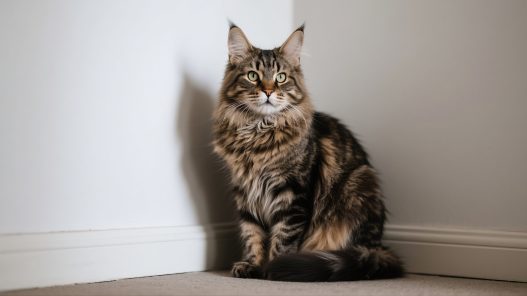
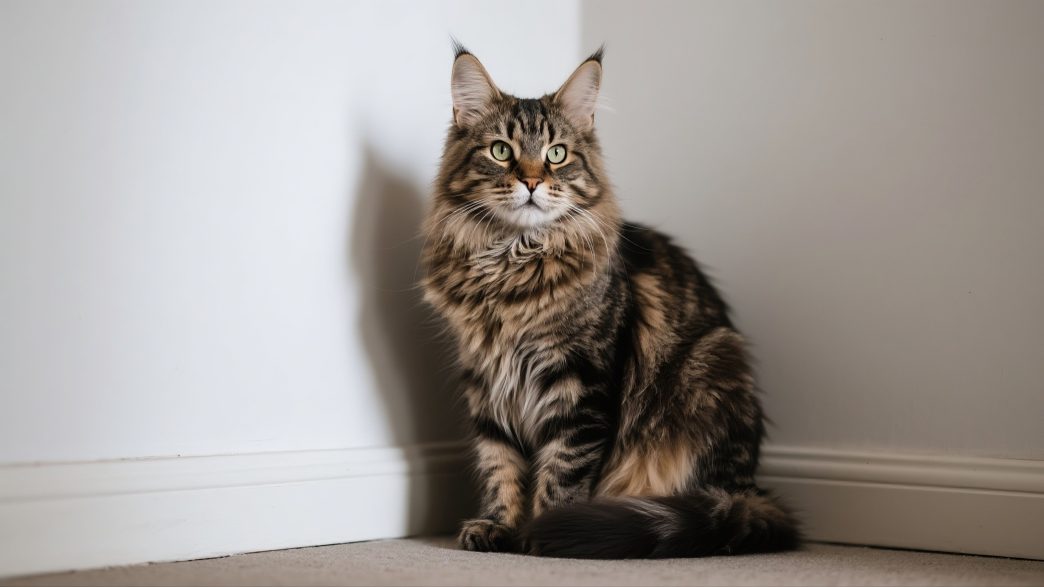
Do cats experience jealousy the way humans do? Not exactly. Cats have individual personalities, and what appears to be jealousy is most often anxiety. When a cat hisses, swats, scratches furniture, or urinates outside the litter box, they are usually trying to regain a sense of control over their surroundings.
Although these behaviors can look dramatic or even spiteful, they are typically stress responses. Understanding this difference is the key to helping your cat instead of punishing behavior that’s rooted in insecurity.
Why Cats Appear “Jealous”
Cats are creatures of habit. They feel safest when their environment is predictable and familiar. When something changes suddenly, their sense of security can be shaken. 
Anxiety can be triggered by:
- Changes in your routine, such as longer work hours or increased time spent on your phone or computer
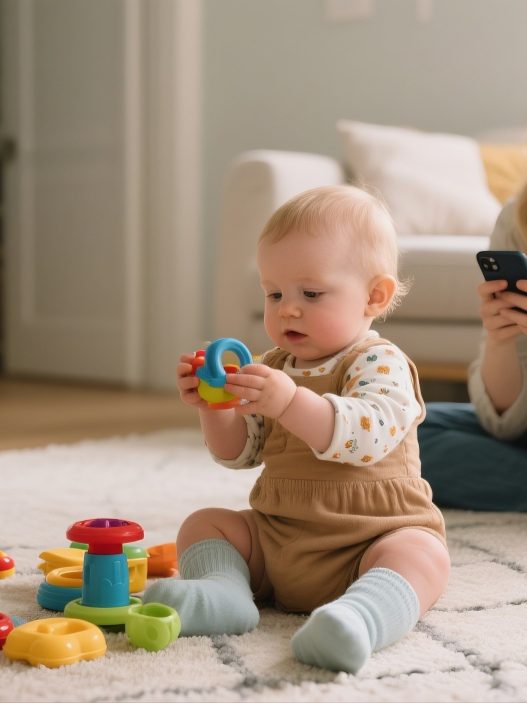
- A new family member, like a baby or another pet
- Shifts in feeding schedules or daily structure
- Limited early socialization, which can make a cat overly dependent on one person
- More frequent travel, which may lead to separation anxiety in cats
- Loud sounds, moved furniture, frequent visitors, or relocation of the litter box
- Competition over resting spots, beds, toys, or food in multi-pet households
When cats feel uncertain about their place or resources, their stress can show up as behavior that looks like possessiveness or jealousy.
Signs Your Cat Is Anxious, Not Jealous
Your cat depends on you for safety, food, and comfort. If they sense that access to those essentials is threatened, they may react in noticeable ways.
Aggressive Reactions
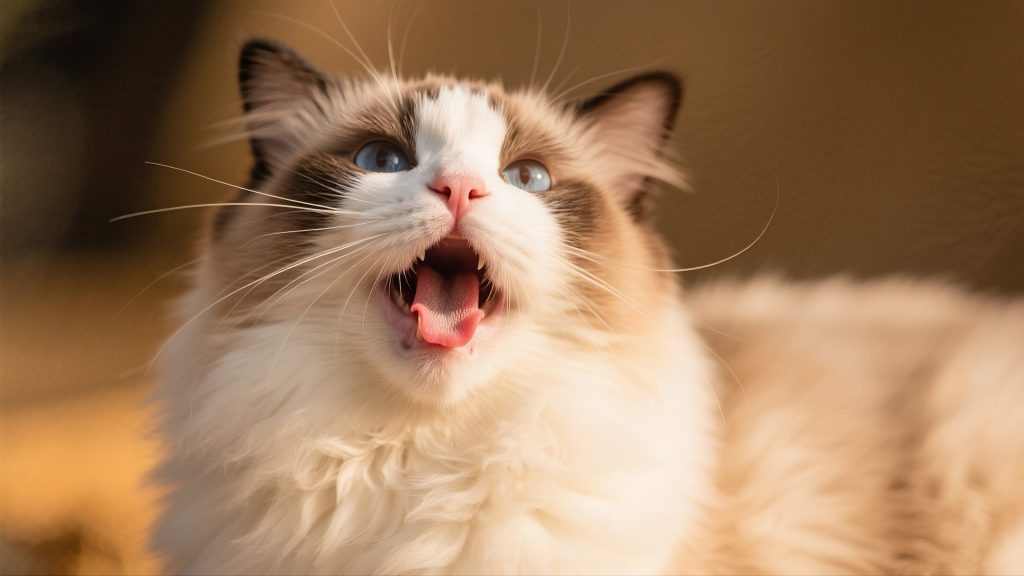
An anxious cat may hiss, growl, or swat at a person or animal they see as a rival. These actions are attempts to push away what they perceive as a threat.
Demanding Your Attention
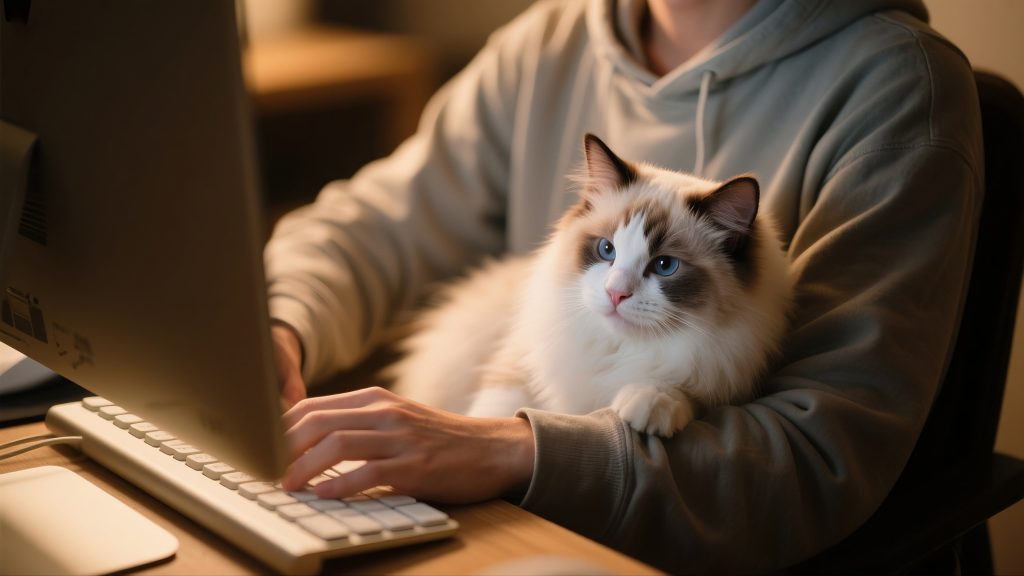
If you’re holding a baby, using a game controller, or cuddling someone else, your cat might try to wedge themselves between you, climb into your lap, or block your interaction. This isn’t revenge — it’s a request for reassurance.
Destructive Behavior
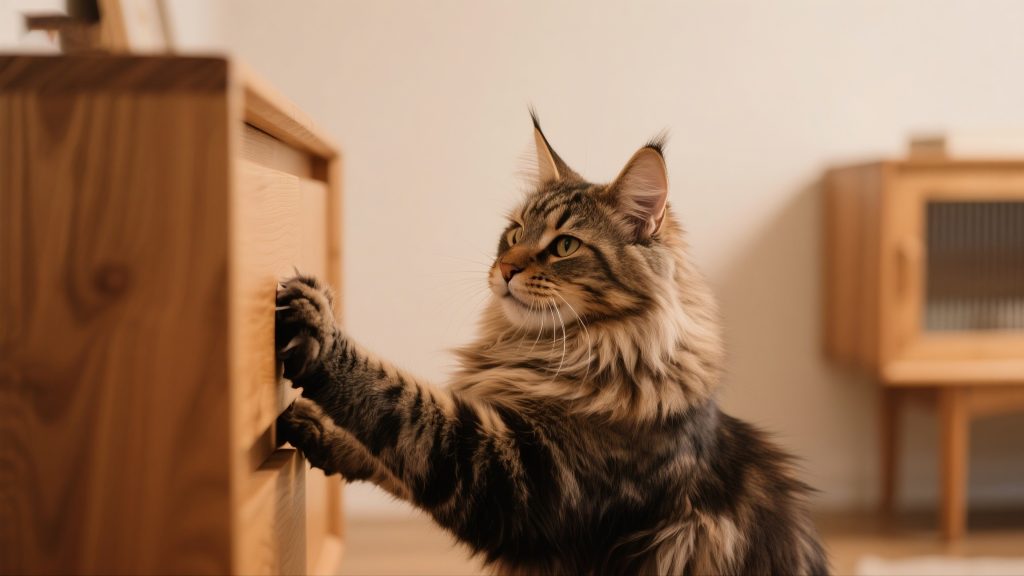
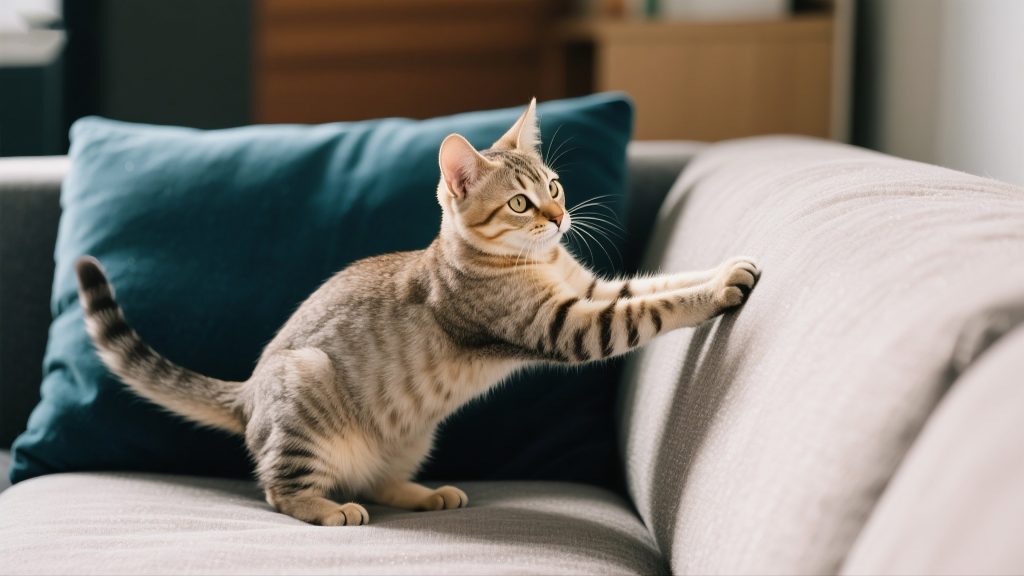
Stress can lead to scratching furniture, chewing household items, shredding curtains, or knocking objects off surfaces. These behaviors often release built-up tension.
Urinating Outside the Litter Box
Cats use urine as a form of scent communication. Marking outside the litter box is often about territory and insecurity rather than defiance.
Spraying
Spraying involves depositing small amounts of urine on vertical surfaces. Cats frequently spray items or areas they consider highly important — such as your bed or a new pet’s belongings — to mix their scent with them.
How to Address Anxiety-Driven Behavior
Helping a stressed cat requires patience and a focus on restoring stability.
Step 1: Identify the Source of Stress
Start by asking what has changed recently:
- Has someone new joined the household?
- Did you adopt another pet?
- Are you away from home more often?
- Were your cat’s favorite sleeping or hiding spots disturbed?
Pinpointing the trigger allows you to directly address the root of the anxiety.
Step 2: Increase Quality Time Together
Extra attention can significantly reduce stress-related behaviors. When cats feel secure in their bond with you, they are less likely to compete for attention.
Try:
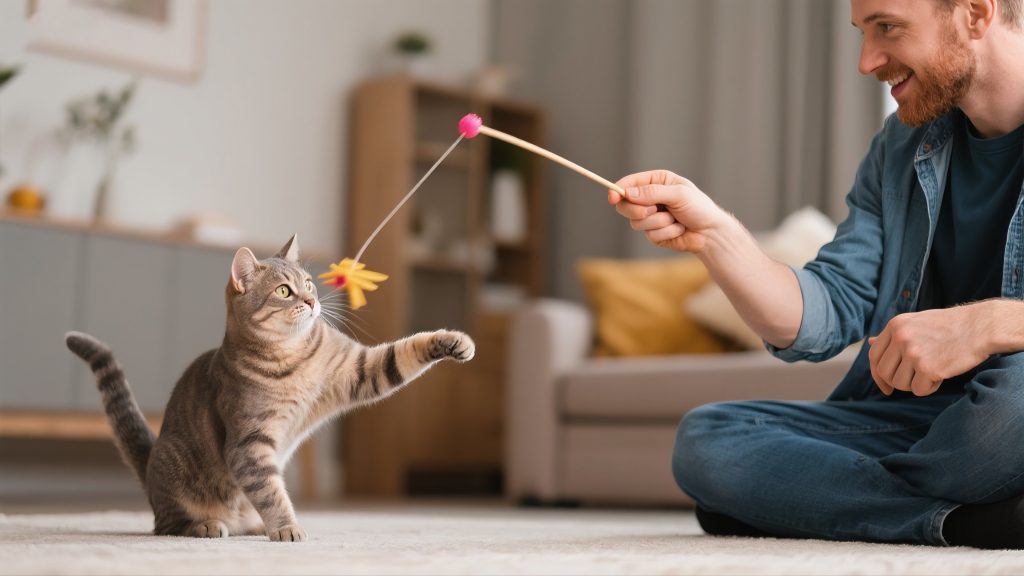
- Interactive play using feather wands or laser toys
- Gentle petting sessions when you come home
- Calm cuddle time without distractions
- Offering treats when your cat displays relaxed behavior
These interactions reinforce your connection and provide emotional reassurance.
Step 3: Provide Dedicated Personal Space
Cats cope better when they have areas that belong solely to them.
If there is a new person or animal in the home:
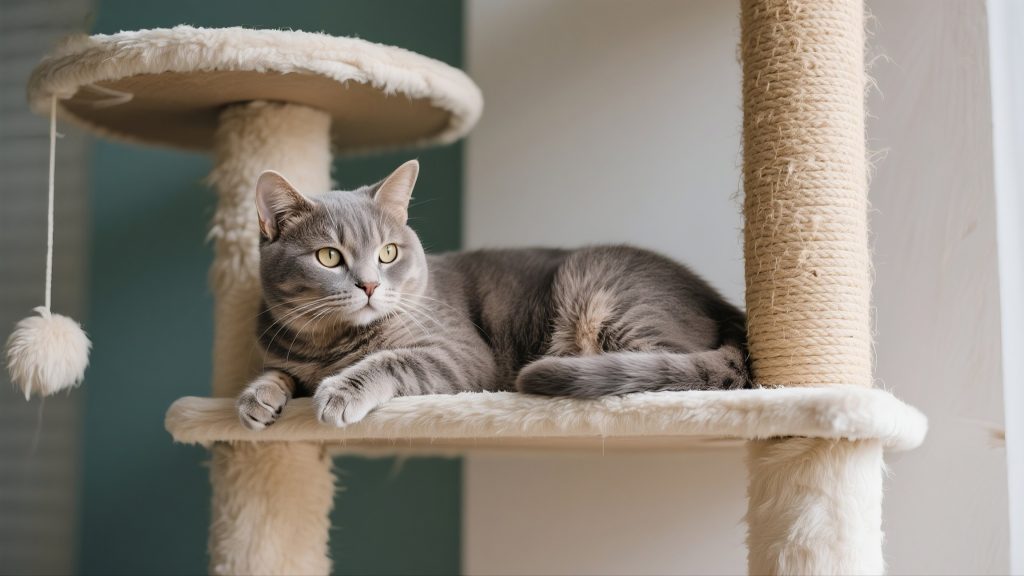
- Set up elevated resting spots or quiet hiding places
- Keep your cat’s bedding and favorite toys separate
- Move feeding stations away from busy zones
- Allow your cat to observe changes from a safe distance
Having a secure territory helps your cat regain confidence.
Step 4: Encourage Gradual Adjustment
When avoiding the source of stress isn’t possible, help your cat form positive associations.
- Give treats and praise when your cat stays calm around the new person or pet
- Let visitors gently feed or interact with your cat
- Use white noise or calming background sounds during loud events
Slow exposure combined with rewards can reduce fear and tension over time.
When to Talk to Your Veterinarian
If anxious behaviors persist or worsen, consult your veterinarian. Chronic stress may require calming supplements, synthetic feline pheromones, or prescription anti-anxiety medication. Early support can prevent long-term behavioral issues.
Final Thoughts
Cats don’t misbehave out of jealousy in the human sense. What looks like jealousy is usually anxiety about change, territory, or access to their favorite person — you.
With patience, reassurance, and thoughtful environmental adjustments, you can help your cat feel safe again and restore harmony in your home.