







A controversial trend is quietly reshaping the cosmetic surgery landscape in the United States. Since 2024, a new injectable filler known as AlloClae has entered the market. It is promoted as a fast and effective solution for body contouring. The excitement surrounding it is growing, but so is public unease.
What truly unsettles many people is its source. AlloClae is made using adipose tissue obtained from deceased donors. For critics, this detail alone makes the product difficult to accept.
What Is AlloClae and How It Works
AlloClae was developed by the American medical aesthetics company Tiger Aesthetics. It is produced from donor fat that has been rendered sterile through a multi step purification process. 
Before injection, the material is carefully cleaned to remove cellular debris, DNA fragments, and components that could trigger immune reactions. Structural elements are preserved so the filler can interact with surrounding tissue. Once injected, it is designed to integrate with the body and stimulate the production of collagen.
Unlike implants, the procedure does not require surgery. Patients also do not need to use their own fat, which makes it appealing to individuals with low body fat.
Benefits Compared With Traditional Procedures

Supporters of AlloClae highlight several practical advantages. The filler does not shift over time like implants can. It also avoids the limitations of fat transfer procedures, which require sufficient donor fat from the patient.
Another selling point is recovery time. The injections do not require general anesthesia. Patients can visit a licensed clinic, receive treatment, and resume daily activities shortly afterward.
As with any injectable product, risks remain. Common side effects include swelling, bruising, and mild bleeding. Less frequently, patients may experience infection, allergic reactions, or small nodules forming beneath the skin.
Who Is Using AlloClae
Although still limited in availability, AlloClae has already attracted a niche audience. Early adopters reportedly include wealthy individuals, corporate executives, and people seeking discreet body enhancements.

Interest is not limited to women. Some male patients have explored the filler as a way to enhance muscle contours. Another high demand group includes users of weight loss medications, who often experience loose skin and volume loss after rapid weight reduction.
Older patients are also paying attention. One 61 year old woman underwent a Brazilian Butt Lift using AlloClae and described the outcome as natural. She reported improved fullness and firmer skin texture.
Medical Professionals Confirm Growing Demand
Tiger Aesthetics has not disclosed how many patients have received the injections. However, cosmetic surgeons in cities such as New York and Los Angeles have acknowledged that interest is increasing.
Sachin M. Shridharani, a physician practicing in Manhattan, began using AlloClae in small scale clinical settings in early 2025. Over the past year, he has treated more than fifty patients and has repeatedly faced supply shortages.
The cost remains high. Treatments typically start at ten thousand US dollars. In some cases, prices can reach one hundred thousand, depending on treatment area and volume used.
Ethical Debate Around Donor Consent
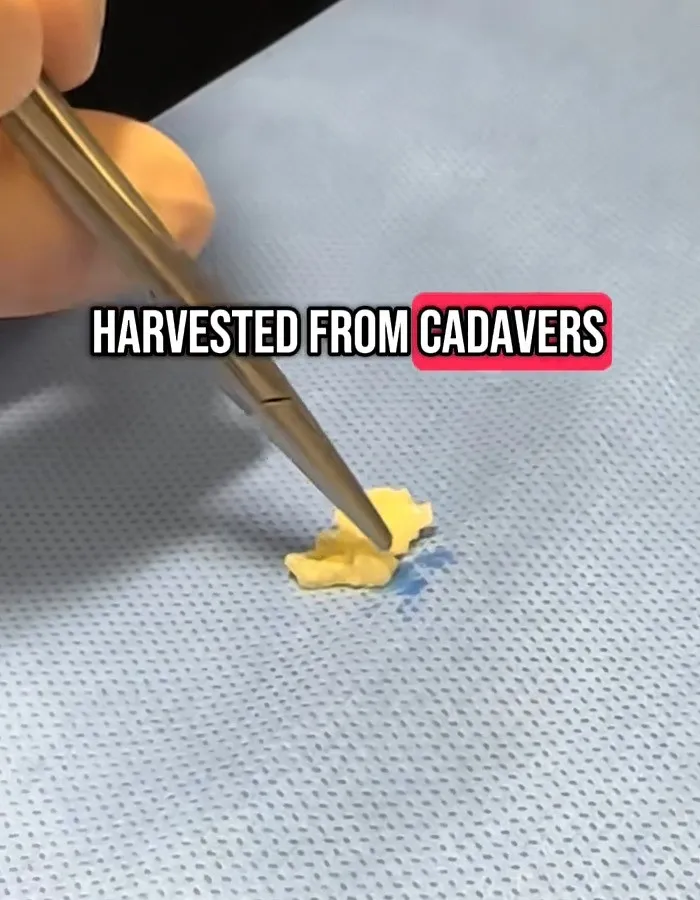
Public reaction has been mixed. Many people are uncomfortable with the idea of cosmetic enhancements derived from deceased individuals. Questions about donor consent and ethical boundaries continue to circulate online.
Tiger Aesthetics founder Van Hove has stated that all donors provided informed consent. According to the company, donors were aware that their tissue would be used for cosmetic purposes rather than scientific research.
Despite these assurances, skepticism remains strong.
Regulation and Long Term Safety Concerns
From a regulatory standpoint, AlloClae complies with guidelines set by the Food and Drug Administration. It is classified as a human cell and tissue product. This places it in a different category than injectable products such as Botox.
Because of this classification, AlloClae can be marketed without undergoing the same approval process required for traditional fillers. Critics argue that this regulatory gap raises safety concerns.
There is also a lack of long term data. Without three to five years of follow up studies, some experts worry about unknown risks, including the possibility of cancer or autoimmune disease.
Special Warnings About Breast Injections
Medical professionals have raised particular concerns regarding breast applications. Adam Kolker, a plastic surgeon affiliated with Mount Sinai Hospital, warned that injecting AlloClae into breast tissue could complicate imaging and cancer screening.
Breast tissue requires lifelong monitoring using tools such as mammogram and ultrasound. Any injected material may create new densities or structures that interfere with accurate diagnosis.
Kolker emphasized that without sufficient imaging data, doctors cannot reliably predict how the filler will appear in scans or how it might affect long term cancer monitoring.
Public Anxiety Beyond the Clinic
Concern is spreading even among people who have no interest in cosmetic procedures. AlloClae production depends entirely on donor tissue. Van Hove has stated that the company plans to expand production facilities and increase tissue sourcing to meet rising demand.
This has fueled dark speculation online about the future of body donation. Some commenters have joked grimly about grave robbing. Others have cited books documenting unexpected uses of donated bodies.
As a result, some individuals have openly reconsidered whether they want to donate their bodies or organs at all.
An Innovation With Far Reaching Consequences
Because AlloClae is derived from human bodies, its impact goes far beyond aesthetics. Once such a product enters the market, it reshapes conversations around ethics, medicine, and consent.
For many observers, the technology feels less like progress and more like the opening of a new Pandora’s box.