





A Cold Night at Oakwood Cemetery
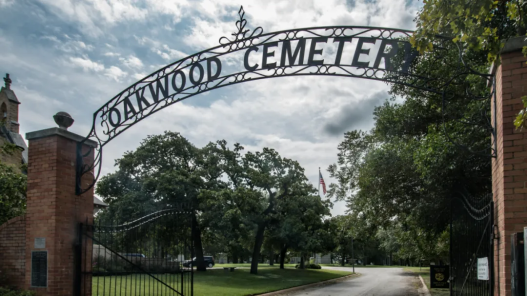
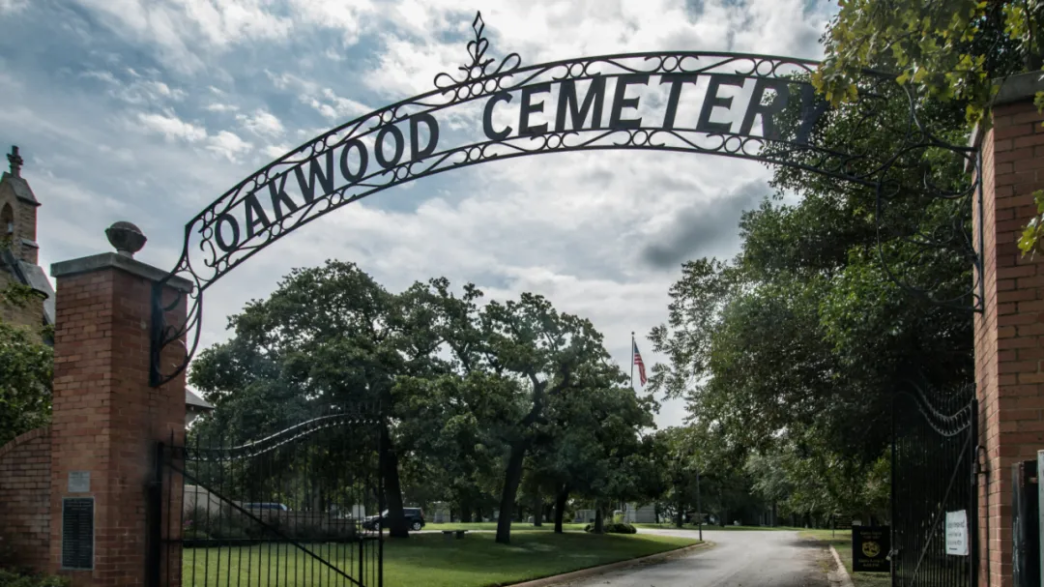
In December 2025, in Syracuse, New York, at the Oakwood Cemetery, something unusual caught attention.
Under the moonlight, a woman huddled on a bench by a gravestone. She had nothing but a worn waterproof tarp. No sleeping bag, no tent. The freezing temperatures bit at her body.
The woman was Rhea Holmes, 55 years old. She was not there to visit the grave. She was living there—on her husband Eddie’s grave—for seven months. 
The Tragedy That Changed Everything

Everything began in 2020.
Rhea and Eddie had been married for 26 years. Their love was the kind people admired. Eddie was a pastor at a local church, renowned for his singing voice and engaging sermons. Rhea worked as an administrative assistant at SUNY Upstate Medical University.
They had saved for 20 years to buy their dream home. In October 2020, they found the perfect house, put down a deposit, and signed the contract. That same night, Eddie suffered a sudden heart attack. He was gone.
There were no warnings. Their 26-year love and lifelong dream were shattered overnight.
Rhea didn’t break down immediately. Instead, she made a calm decision: she used all the money saved for the house to purchase a grave plot. She even bought a plot with a bench, so she could sit and talk to Eddie. She did not know it would become her home.
Homelessness and Depression
After Eddie’s death, Rhea felt hollow. Life lost its meaning. Depression swallowed her. She lost her job and couldn’t pay rent. On May 14, 2025, she was evicted.
Rhea had three children—one in California, two in Syracuse—but they could not help her. Pride kept her from going to a shelter. She considered it charity and an insult. She chose to sleep on the streets.
But where to sleep? Only one place felt truly hers: Eddie’s grave.
“This is mine, I bought it,” she whispered to herself.
Living at the Cemetery
From May 2025, Rhea started her cemetery life.
During the day, she volunteered at Vineyard Church food relief, both helping others and collecting her own meals. At night, after the cemetery gates closed, she snuck in and laid out her tarp beside Eddie’s gravestone.
Nearby university bathrooms became her place to wash. She told no one she was homeless, unwilling to burden others.
For seven months, she endured summer insects and autumn chills. By December, snow began to fall. She even prepared herself to quietly leave the world beside her husband.
The Encounter That Changed Her Life
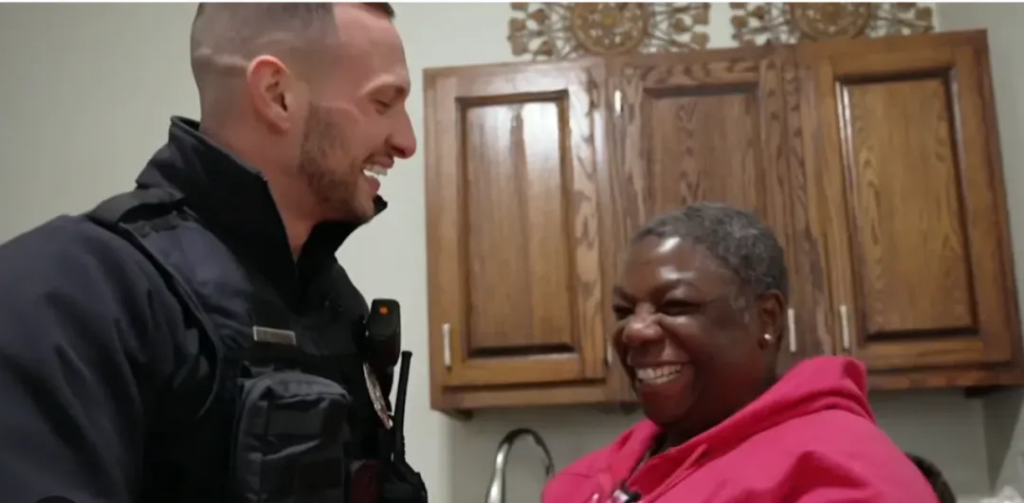
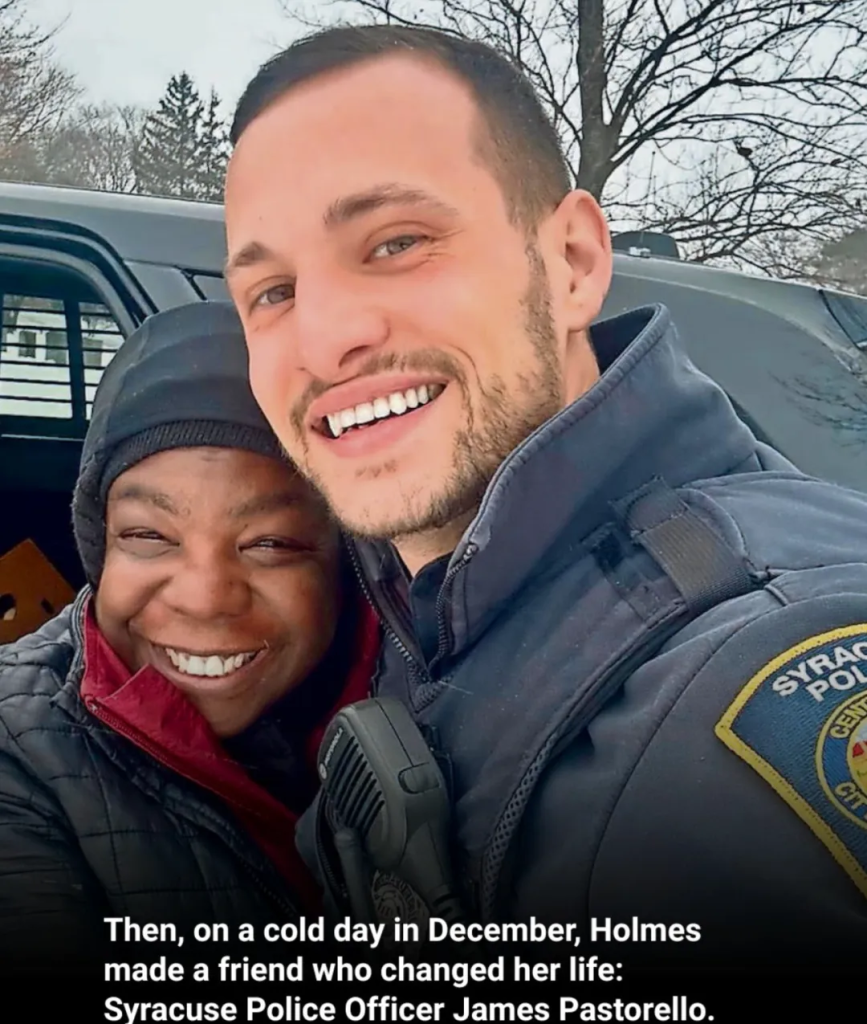
On December 13, 2025, Rhea carried a heavy box of food from the relief center up a park hill. A police officer, Jamie Pastorello, noticed her struggle.
He asked, “Do you need a ride?”
Rhea’s tears fell. She felt as if an angel had answered her prayer. She replied, “I’m going to Oakwood Cemetery, to see my husband and father.” Her father had passed the previous June.
Without hesitation, the officer loaded her box into his car and drove her to the cemetery. During the ride, Rhea shared her story: 55 years in Syracuse, husband gone for five years, father recently passed.
At the cemetery, Rhea asked, “Can we take a photo together? I want to remember this moment.” They stood in front of the gravestones and smiled for a selfie—a rare warmth in the cold winter night.
Rescue and a New Home
A few days later, retired cemetery staff noticed her. The police checked and realized Rhea had been living at the cemetery for seven months. Immediate action was needed.
Officer Pastorello and colleagues first booked her a hotel room, but it was temporary. He reached out to friends, who connected with the Le Moyne College principal. They offered an empty dorm for Rhea while students were on winter break.
Rhea moved in just before Christmas. For the first time in months, she slept indoors. She cried again, thanking God for a place to call home.
Pastorello also launched a fundraiser, raising over $3,200, and a non-profit offered additional housing support. On January 5, Rhea moved into a 28-square-meter studio apartment on Slocum Avenue. Rent was $314, covered by temporary government assistance.
Though small, it had a closet, fridge, washer-dryer, and a private bathroom. Rhea said she felt reborn.
Finding Hope and Community
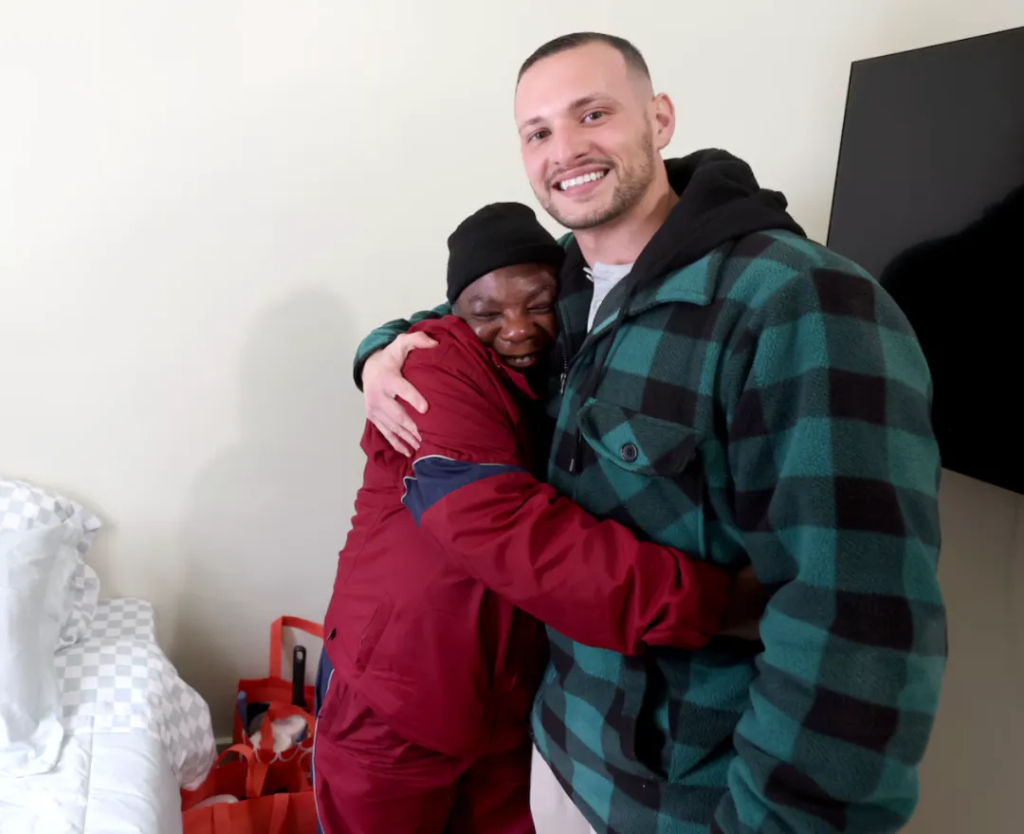
Rhea decorated her apartment with photos of her father, Eddie, and Officer Pastorello. Pastorello continues to visit for coffee chats. Case manager Eliesha Peeble helps Rhea plan her future, recover her ID, find work, and treat her depression.
After years of feeling invisible and unsupported, Rhea finally felt seen and cared for. CBS News covered her story on January 23, titling it: “Heartbroken Woman Slept at Cemetery for Months, Then Angels Appeared.”
For Rhea, angels were not just the officer—also the college principal, generous donors, and volunteers who gave her a chance at life again.