





Still buying expensive “educational toys”?
Still wondering if you should enroll your child in another early learning class?
Still worried your child might “fall behind”?
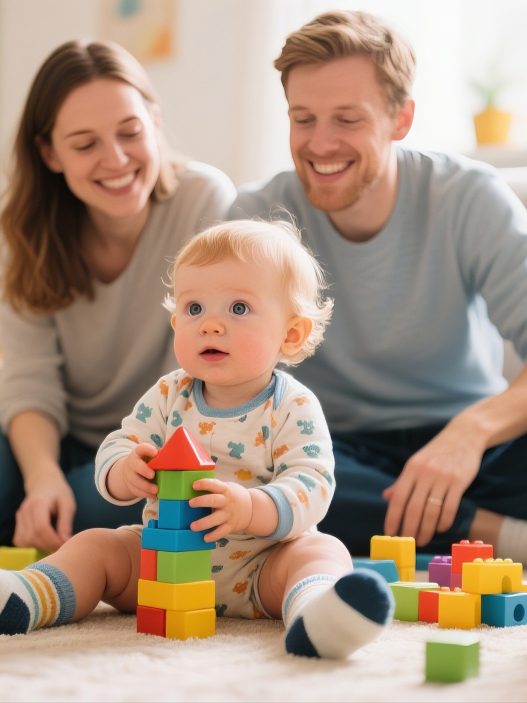
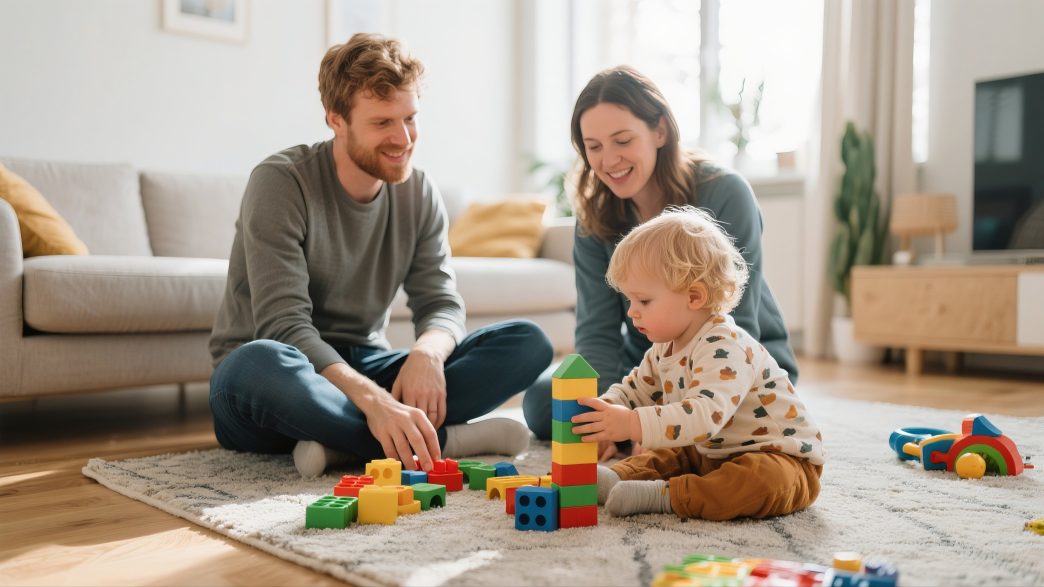
Here’s the surprising truth: the real brain boosters might already be scattered across your living room floor — a few old blocks, some picture cards, a toy spoon, and just a little creativity from you. With simple setup and playful interaction, your child’s brain gets a powerful workout while they think they’re just having fun.
Today, let’s uncover the science behind these powerful little games, what skills they build, and how to play them the smart way. 
Why Simple Games Are Powerful Brain Training
They may look basic, but these games activate critical brain regions:
- The prefrontal cortex (responsible for logic, memory, and attention)
- The cerebellum and basal ganglia (movement coordination and reaction speed)
- The mirror neuron system (imitation and empathy)
Even more importantly, they strengthen executive functions — the brain’s high-level management system. These include focus, working memory, and planning skills that children rely on throughout school and life.
So this isn’t “just play.” It’s brain development disguised as fun.
6 Kids Brain Games That Boost Intelligence
1. “You Say, I Do” Listening Game
How to play:
Give simple instructions like “Touch your head.” As kids improve, add steps: “Touch your belly, then raise your hand.”

What it trains:
- Auditory memory
- Attention control
- Working memory
- Self-control
Tip: Keep instructions short for toddlers. Too many steps can be frustrating.
2. Sorting and Matching Games
How to play:
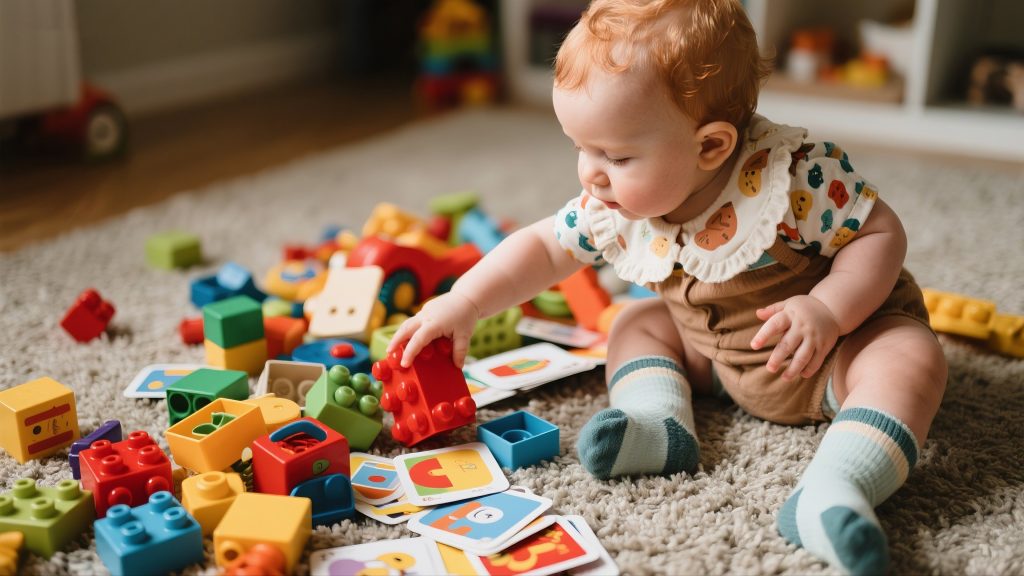
Mix toys, blocks, or cards. Ask your child to find red ones, match animals, or group similar items.
What it trains:
- Visual discrimination
- Categorization skills
- Early logical thinking
This is the foundation of mathematical reasoning later on.
3. Fine Motor “Little Hands at Work”
How to play:
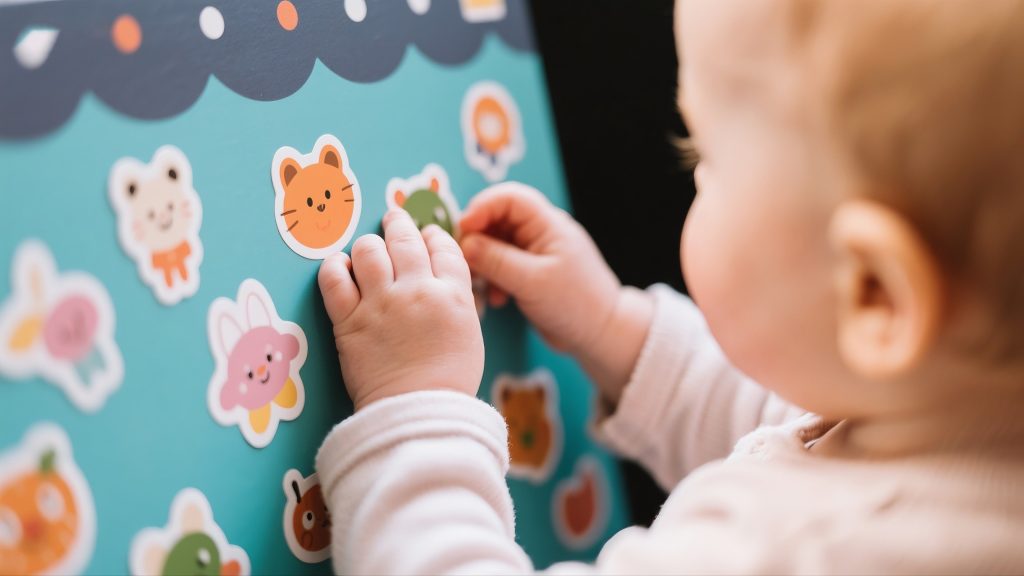
Use clips to pick up cotton balls, button clothes, stick stickers, or play with clay.
What it trains:
- Hand-eye coordination
- Spatial awareness
- Brain-hand neural connections
Research shows fine motor skills are closely linked to language development. Nimble fingers often mean faster speech progress.
4. Rhythm and Sound Copy Game
How to play:
Clap once, and your child copies. Clap twice, they copy. Take turns adding new patterns.

What it trains:
- Auditory attention
- Rhythm skills
- Phonological awareness (key for language and reading)
Many music-based learning programs are built on this principle.
5. Pretend Play Kitchen Game
How to play:
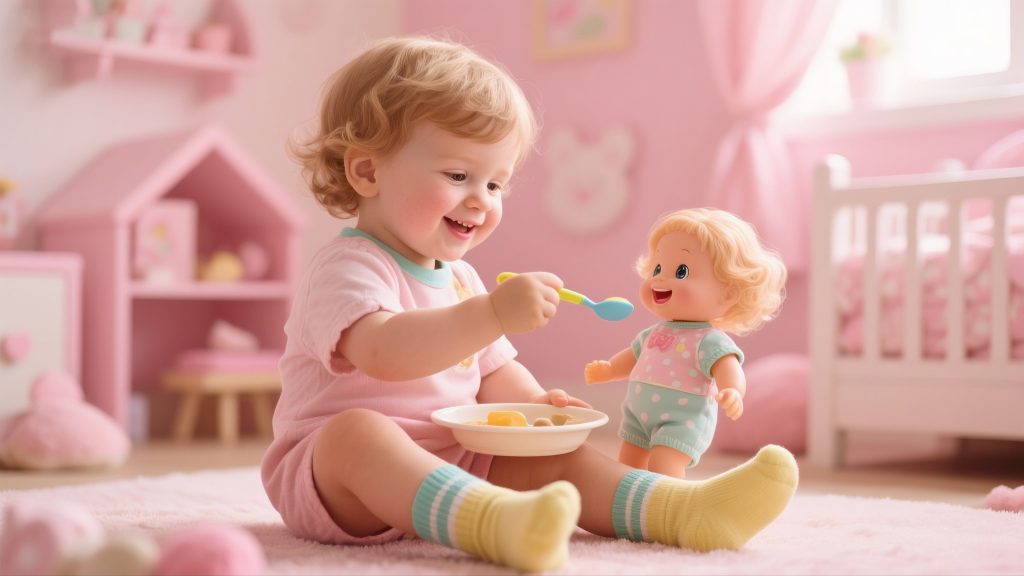
Use toy pots and spoons to “cook,” feed dolls, or serve pretend meals.
What it trains:
- Imagination
- Social understanding
- Role-play and situational logic
Let kids lead. Don’t rush to correct how they “should” play — creative freedom builds cognitive flexibility.
6. Interactive Storybook Play
How to play:
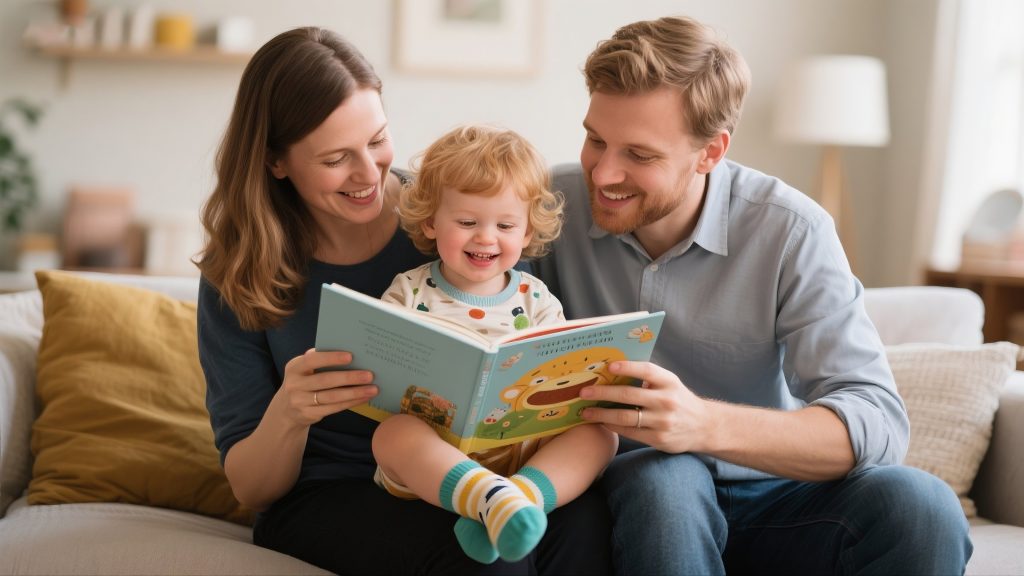
While reading picture books, act out characters, copy sounds, and ask questions like “Do you think the pig feels happy?”
What it trains:
- Language expression
- Emotional recognition
- Empathy
- Social skills
Reading isn’t just about words — it’s about participation and emotional engagement.
How Parents Can Maximize Brain Benefits
Low Cost, High Impact
You don’t need expensive toys. Towels, boxes, bottle caps — everything can become a game prop.
Be a Play Partner, Not a Judge
Instead of correcting constantly, join the play. Learning through mistakes strengthens thinking skills.
Provide Freedom with Gentle Structure
Simple rules like “clean up before the next game” build responsibility and self-control.
Just 10 Minutes a Day Makes a Difference
Short, high-quality daily play sessions can be more powerful than expensive classes.

Final Thoughts
Making kids smarter doesn’t come from forcing memorization or early academics. It grows from playful exploration, creativity, and emotional connection.
These six simple games are like daily brain workouts — joyful, stress-free, and deeply bonding.
Forget the anxiety about “critical learning windows.” The real golden moments are already happening in your everyday laughter and play.