





In yoga classes, you’ve probably heard your instructor repeat:
- “Take care of your knees.”
- “Keep a slight bend in your knees during standing poses.”
- “Exit the pose immediately if your knees feel uncomfortable.”
These reminders aren’t exaggerations. Yoga can easily hurt your knees if done incorrectly, and a knee injury can affect more than just a single pose—many standing, kneeling, and bending asanas may need to be paused.
Knees are vulnerable because the knee joint is a modified hinge joint with only two main functions: 
- Flexion (bending, bringing the thigh and calf closer)
- Extension (straightening, moving thigh and calf apart)
Unlike hips, knees don’t allow multidirectional movement. When weight is applied at the wrong angle, twisted, or overextended, the knee compensates unnaturally, leading to injury. In yoga, knees are one of the most frequently injured joints. To protect them, remember these five key strategies:
1. Give Your Knees Space
This principle is simple but often overlooked. Knees need breathing room, whether on the mat or in daily life. Full compression can strain the joint, especially during deep bends.
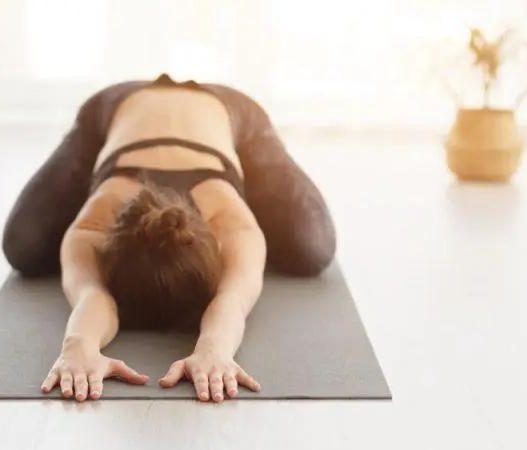
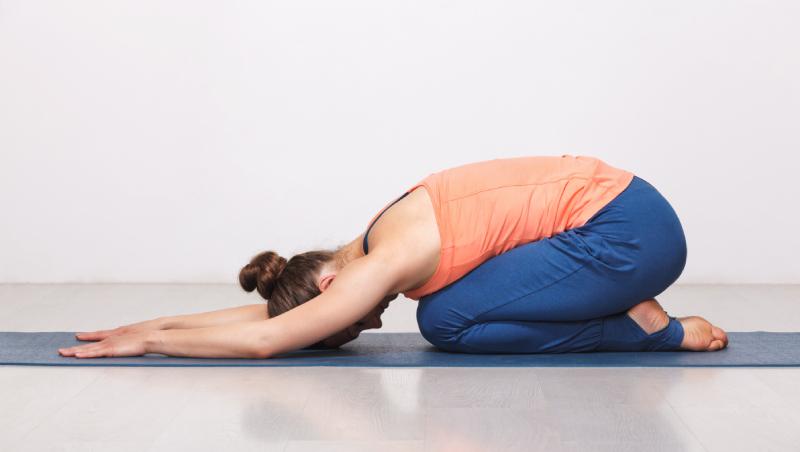
Example: Child’s Pose (Balasana)
Place a rolled blanket between your thighs and calves to prevent full compression. If you have a history of meniscus injuries, placing a towel behind the knees can create extra space between the femur and tibia, reducing stress on the meniscus.
2. Keep Knees Soft, Not Locked
Overextension is one of the most common causes of knee injuries. Many practitioners unknowingly lock their knees, transferring the weight directly to the joint rather than the supporting muscles.
Slightly bending the knees engages leg muscles, taking the load off the joint.
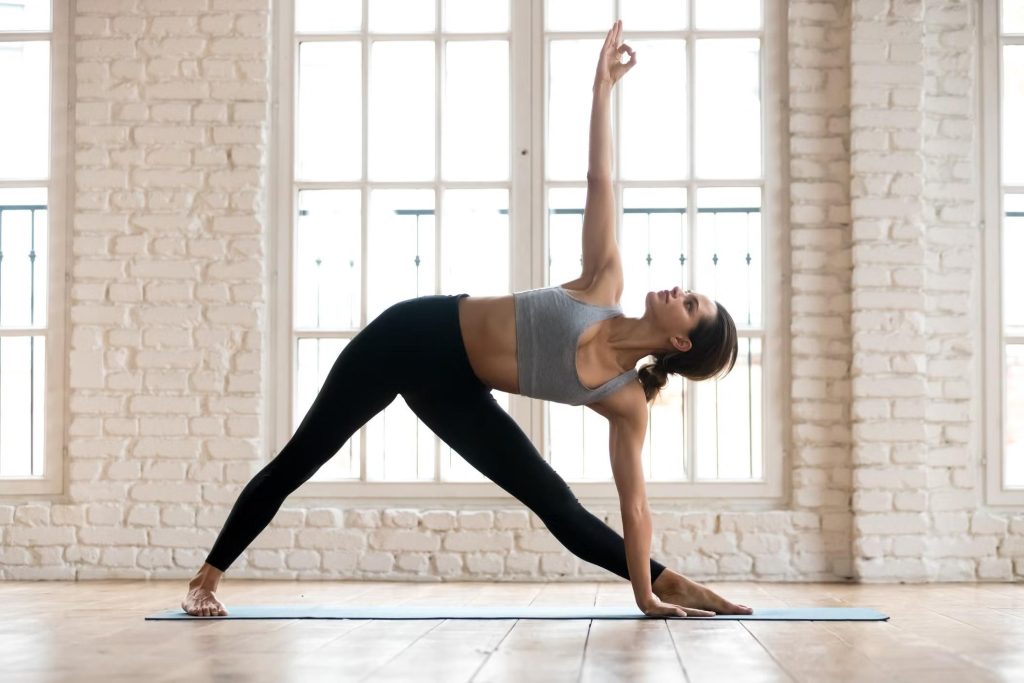
Example: Triangle Pose (Trikonasana)
If you’re unsure whether your knee is fully locked, place a yoga block under your front shin to limit hyperextension.
3. Check Knee Alignment Constantly
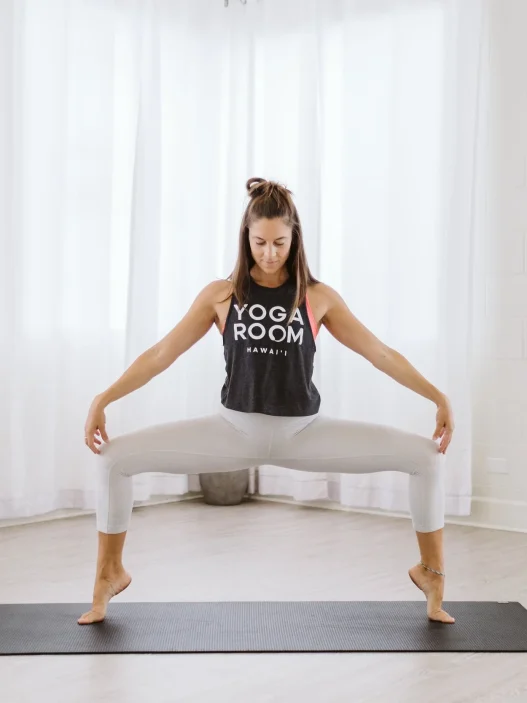
Knee problems often arise from misalignment, not the movements themselves. Weak inner thigh muscles can cause the knee to collapse inward when toes point outward.
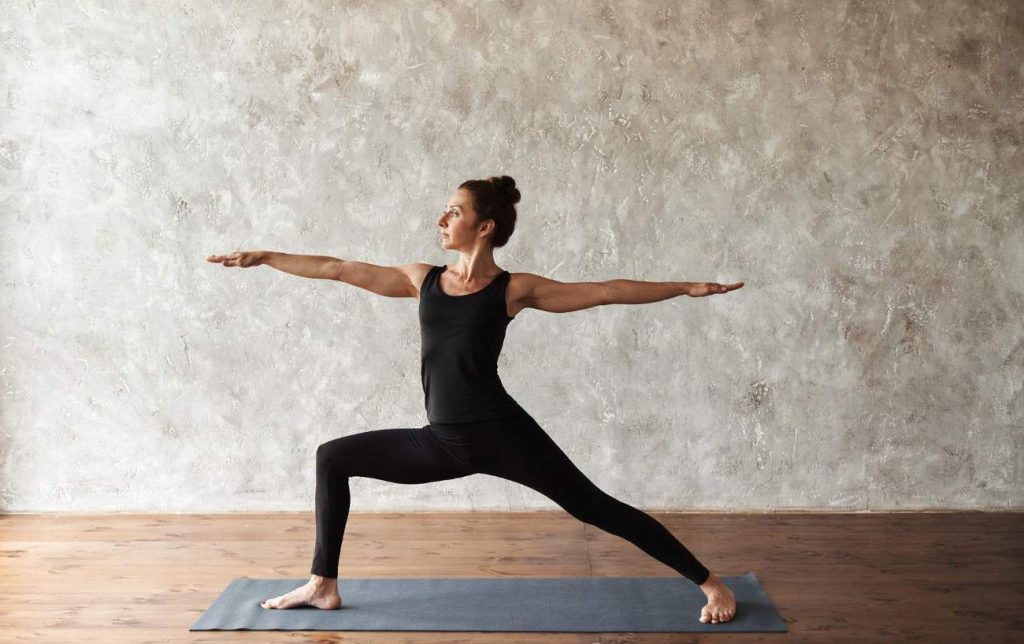
Example: Warrior II (Virabhadrasana II)
The front knee should always track over the toes to avoid unnecessary shear stress. Occasionally recording your practice from the side or front can reveal true alignment issues more effectively than mirrors.
4. Strengthen Your Legs, Don’t Rely on the Joint Alone
Although the knee is one of the largest joints in the body, it is not inherently strong. It relies heavily on surrounding muscles, tendons, and ligaments for stability.
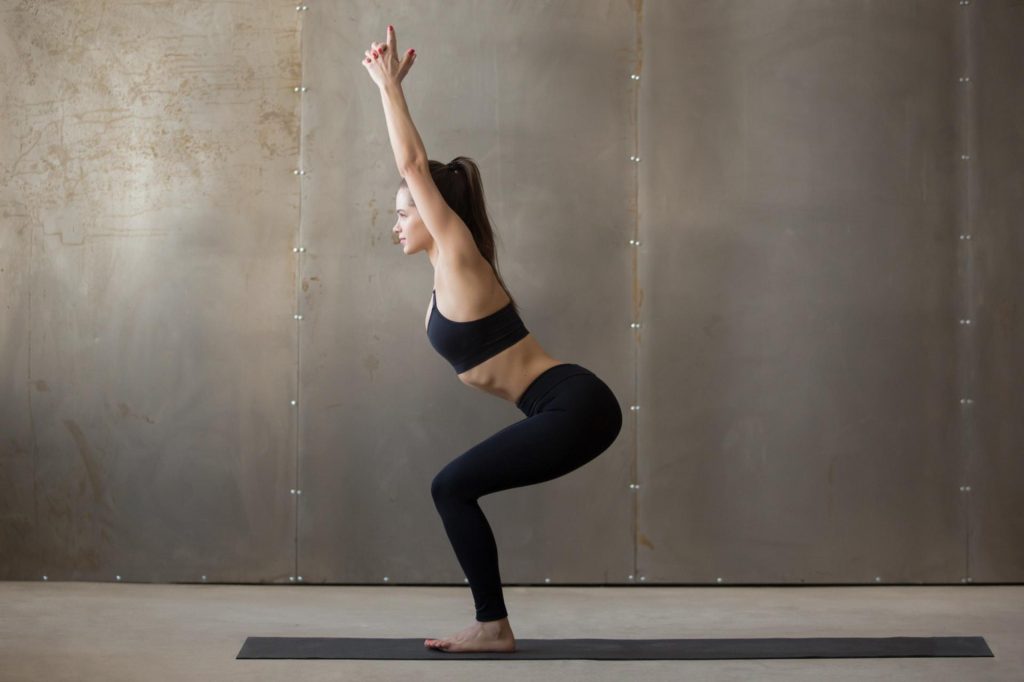
Example: Chair Pose (Utkatasana)
Placing a block between your thighs activates inner thigh muscles that are often underused, giving the knees better support.
5. Modify the Pose When Necessary Instead of Forcing It
Some poses can still put pressure on the knees even when done with proper alignment.
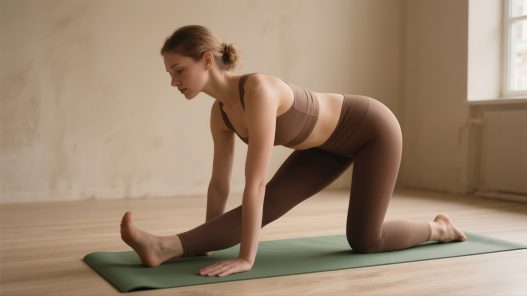
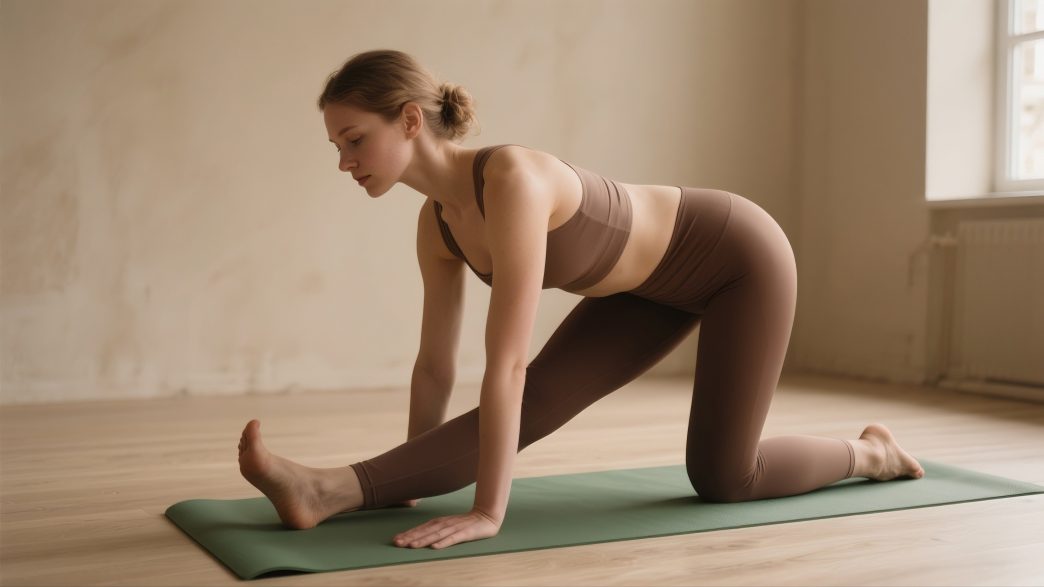
A common example is Half Pigeon Pose (Eka Pada Rajakapotasana). While it’s an excellent hip opener, placing weight on a deeply bent front leg can easily cause discomfort or strain in sensitive knees.
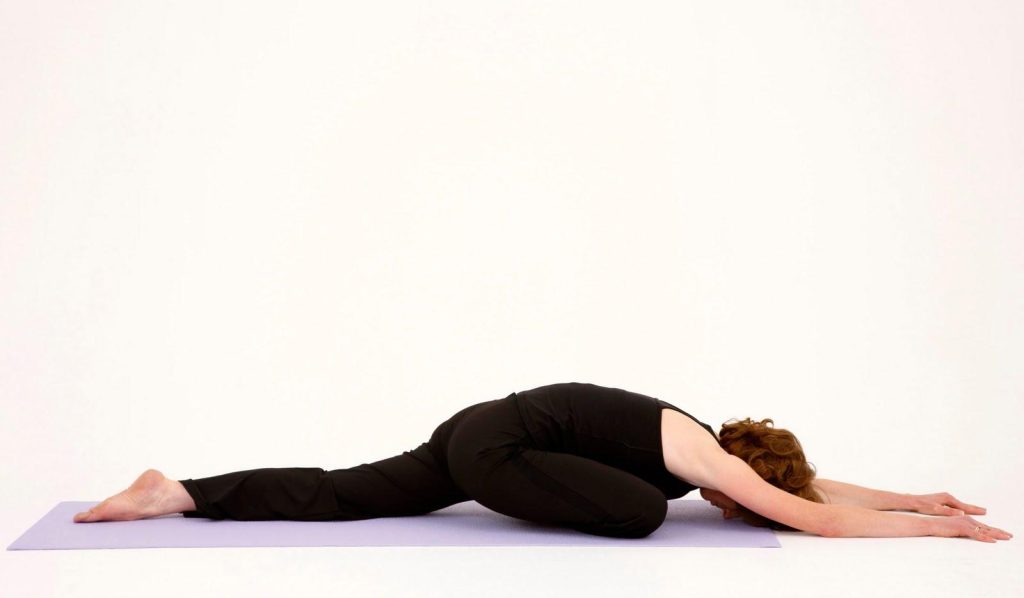
If you feel pressure or pain, choose a safer alternative.
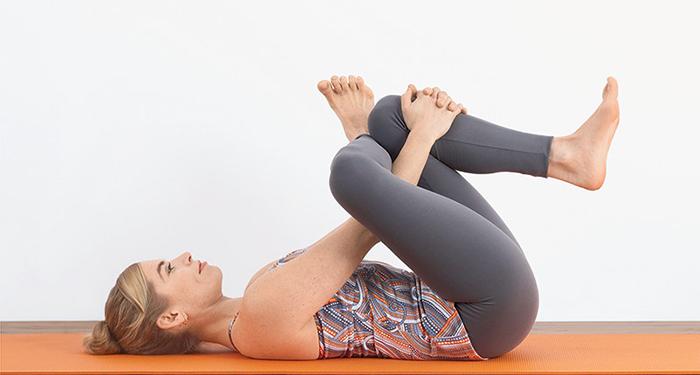
Try Reclined Pigeon Pose (Supta Kapotasana). Practicing on your back creates a similar hip stretch but reduces weight-bearing stress on the knee, making it much more joint-friendly.
Remember, modifying a pose isn’t a step backward — it’s a smart way to protect your body and support a long-term yoga practice.
Final Thoughts
Knee injuries usually aren’t caused by a single big mistake—they accumulate from repeated small stresses. Always ask yourself during practice: “Are my knees truly comfortable right now?”
By following these five strategies, you can enjoy yoga safely while keeping your knees strong and healthy for the long term.