





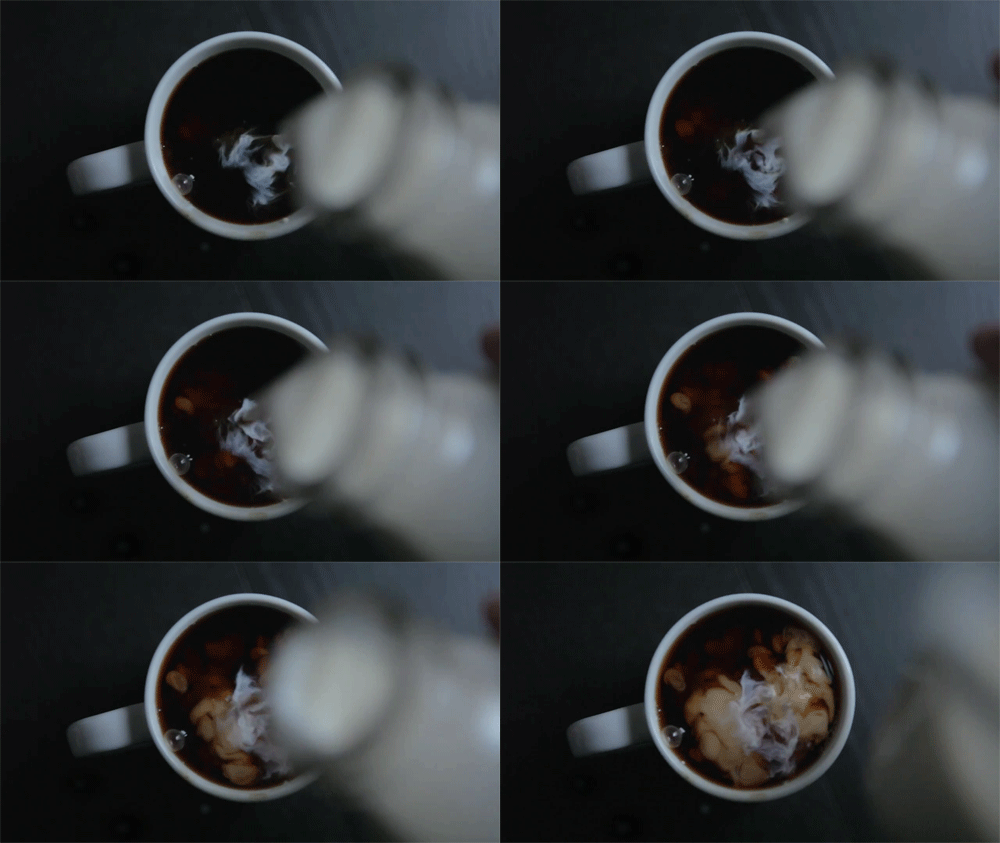
Ever feel like your morning latte is just… missing something? Coffee lovers endlessly chase the perfect bean and roast, but what about the other half of the equation—the milk? Enter a game-changer from the world of craft beer and high-end cafes: Eisbock Milk. This isn’t a new product you buy; it’s a magical transformation you perform in your own freezer. Imagine milk so luxuriously thick and sweet it coats your spoon, with a flavor so concentrated it turns an ordinary cup of coffee into a decadent experience. Intrigued? This simple science hack, borrowed from centuries-old brewing traditions, is about to revolutionize your kitchen. Let’s dive into the cool world of freeze distillation and unlock a new level of creamy indulgence.
The Cool Science: What Is Eisbock, Really?
Forget complex gadgets. Eisbock (pronounced ICE-bock) is a German term for freeze distillation. It sounds high-tech, but the principle is beautifully simple, rooted in basic physics: different liquids freeze at different temperatures.
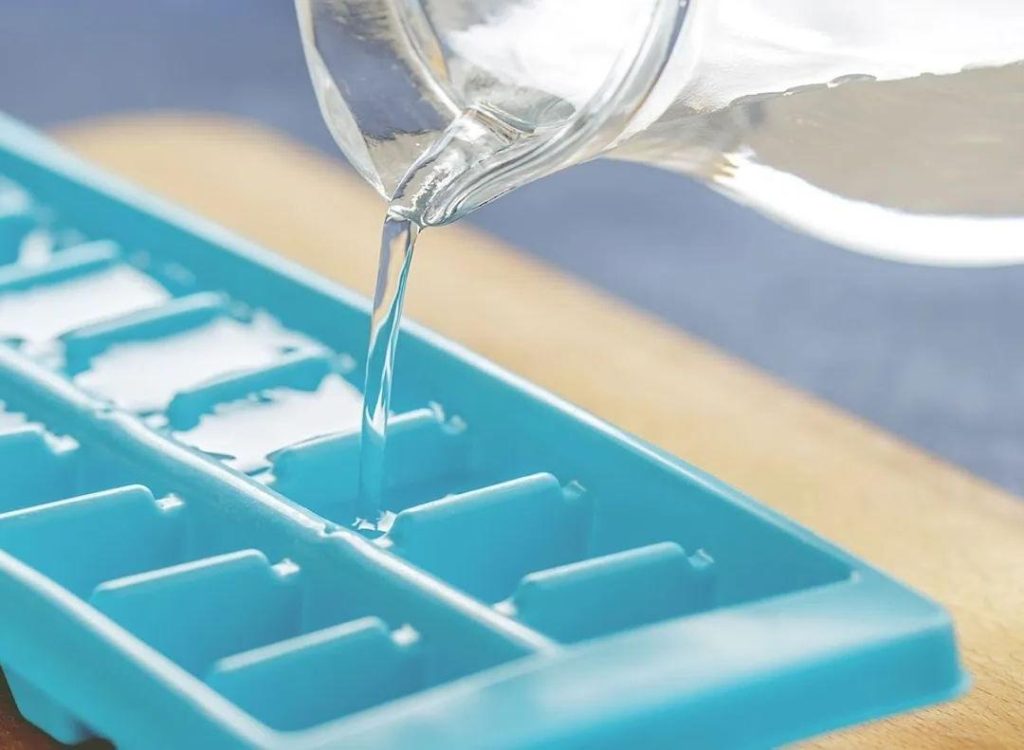
When you freeze a liquid like milk and then let it thaw slowly, the water content (which freezes at 0°C/32°F) remains solid as ice longer, while the fats, proteins, and sugars (which have lower freezing points) drip out first. What you collect is a profoundly concentrated, ultra-creamy version of the original. This isn’t just “thicker milk”—it’s milk with its flavor profile dramatically amplified, making it the ultimate partner for espresso in a latte or cappuccino. 

Your Step-by-Step Guide to Homemade Eisbock Milk
The best part? You need only two things: full-fat milk and a freezer. Here’s how to become your own dairy alchemist.
What You’ll Need
- A full 1-liter (or larger) bottle/carton of whole milk. Fat is flavor here!
- A freezer.
- A clean container (like a glass measuring cup or mason jar).
- A way to suspend the frozen bottle upside down (e.g., over the jar, secured with a tall glass).
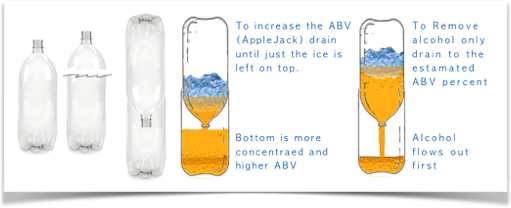
The Foolproof Process
Step 1: The Deep Freeze
Place your sealed bottle of milk horizontally in the freezer. Leave it until it’s completely frozen solid—a full milk-ice brick. This usually takes 12-24 hours.
Step 2: The Great Thaw (Upside Down!)
Once solid, take the bottle out. Open the cap (or cut a small hole if it’s a carton). Invert it and position it over your clean container. Let gravity do its work.
Step 3: The Golden Drip
As it thaws, the concentrated, flavor-packed components will drip out first—this is your liquid gold, your Eisbock milk. Collect roughly the first 40-50% of the bottle’s volume. The remaining ice chunk is mostly water; you can discard it.
Step 4: Taste & Transform
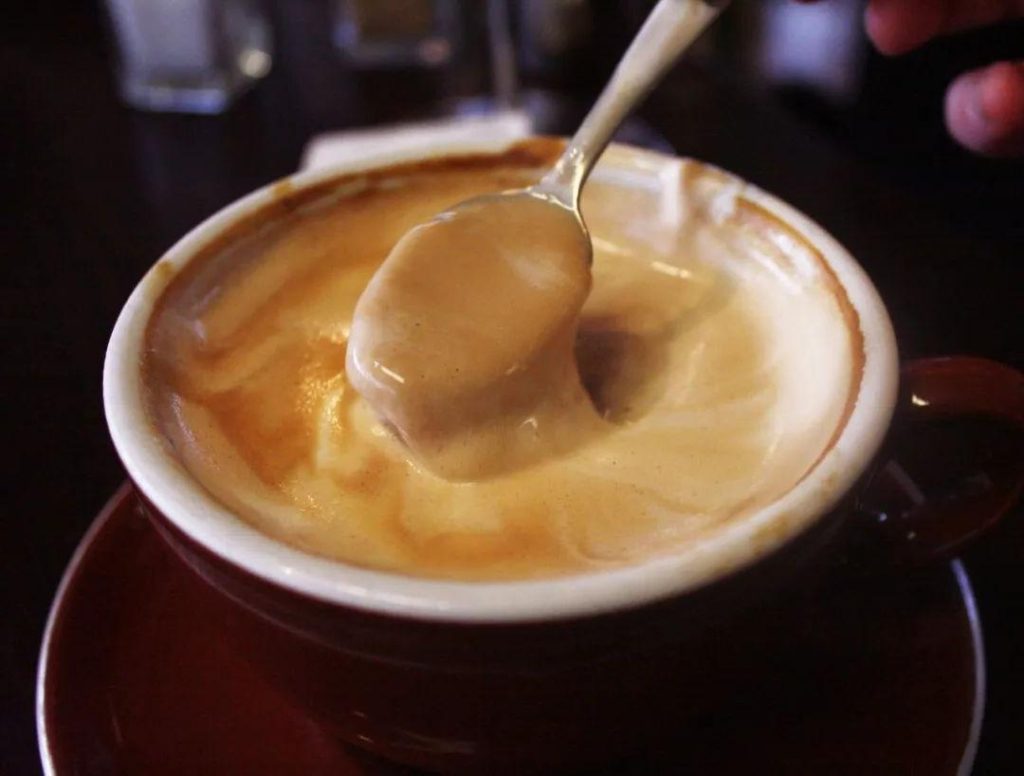
The result is stunning: viscous, sweet, almost caramel-like milk. Use it immediately in coffee, or store it in the fridge for a few days. Be warned: after this, regular milk in your coffee might taste disappointingly thin.
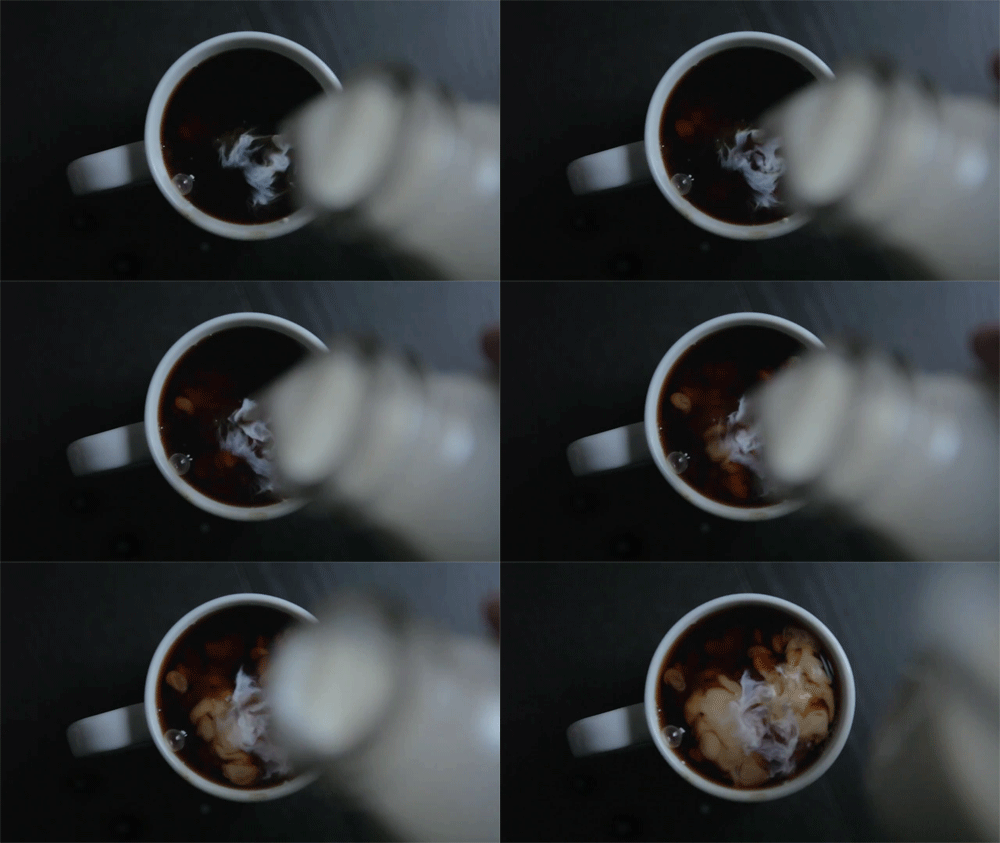
Beyond the Coffee Cup: Eisbock’s Flavorful Universe
This technique isn’t new; it’s a classic method for intensifying flavors across beverages.
From German Bierkellers: Eisbock Beer
The name comes from Germany, where brewers use freeze distillation to create Eisbock beer. By partially freezing and removing ice from a traditional Bock beer, they concentrate the alcohol and malt flavors, resulting in a stronger, richer brew often reaching 9-13% ABV.
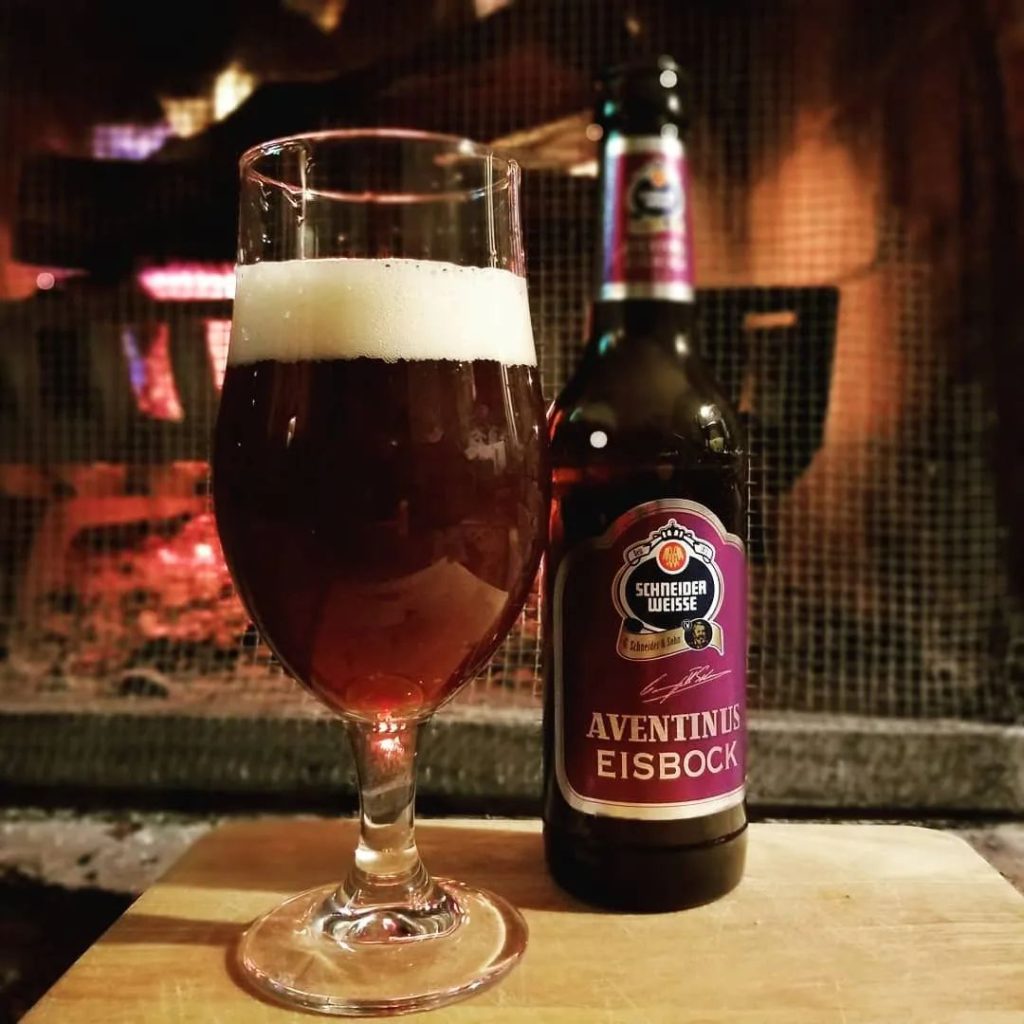
To Cocktail Craft: The “Jacking” Method
Across the Atlantic, a similar process called “jacking“ was historically used to fortify apple cider, creating the potent spirit Applejack. This proves the method’s power for boosting both alcohol content and intrinsic sweetness.
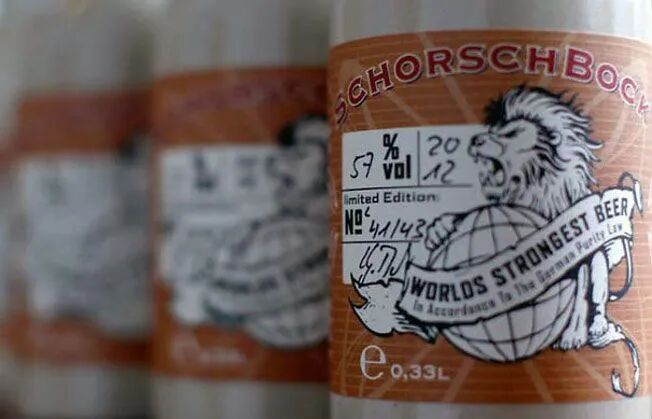
A Culinary Canvas: Sweet & Savory Applications
Your freezer-hacked Eisbock milk is incredibly versatile:
- Dessert Star: Use it to make the creamiest panna cotta, rice pudding, or ice cream base imaginable.
- Breakfast Upgrade: Pour it over cereal or oatmeal for a decadent morning treat.
- Savory Twist: Apply the same technique to rich broths or stocks to create intensely flavorful concentrated glazes or soup bases.

Why This Hack is a Kitchen Revelation
In a world of complicated recipes, the Eisbock milk method is a triumph of simple science. It requires no special equipment, yet it delivers professional-level results. It empowers you to create a premium ingredient at home, deepening your understanding of how temperature and concentration manipulate flavor. It’s a reminder that sometimes, the most transformative culinary secrets are chilling right in your freezer, waiting to be discovered. Give it a try—your coffee (and your inner food scientist) will thank you.