





Stress is something nearly everyone experiences, but it doesn’t affect us all in the same way. For some people it leads to racing thoughts and irritability. For others, it shows up physically as tight muscles, fatigue, or poor sleep. The good news is that there are natural, effective ways to release both mental and physical tension — and one of the most powerful is Yoga.
Yoga is far more than simple stretching. It’s a mind–body practice that helps train your nervous system to relax more easily. Relaxation is actually a skill you develop over time. When you consistently include calming, restorative activities in your day, your body becomes better at shifting away from stress. Research suggests yoga may help reduce anxiety, ease stress, and improve mood linked to depression.
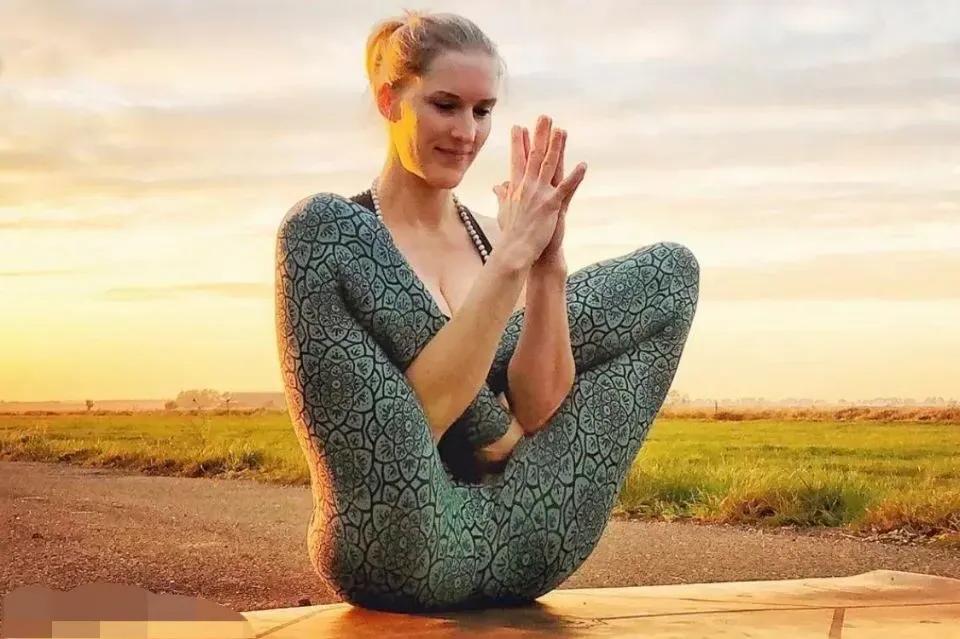
When breathing techniques are combined with gentle yoga movements, they may help lower blood pressure and reduce levels of cortisol, the hormone associated with the body’s fight-or-flight response. As cortisol levels drop, the body can finally move out of survival mode and into recovery mode. 
If your goal is deep relaxation, the following poses are especially effective.
1. Child’s Pose
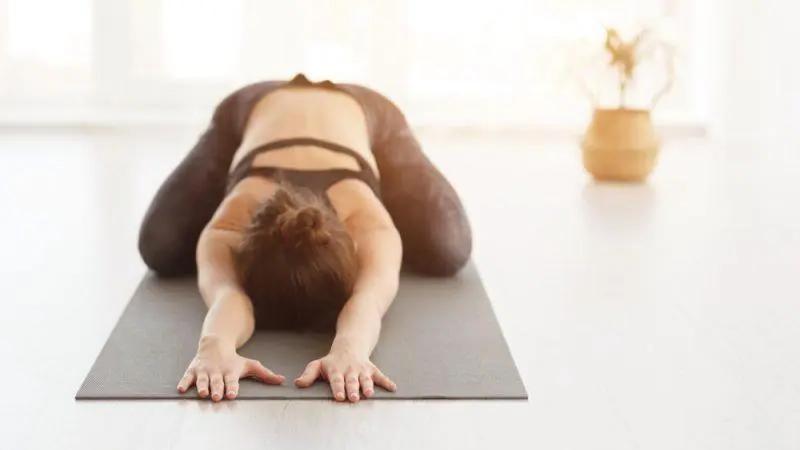
Often used as a resting position in yoga classes, this gentle posture tells the body that it’s safe to slow down.
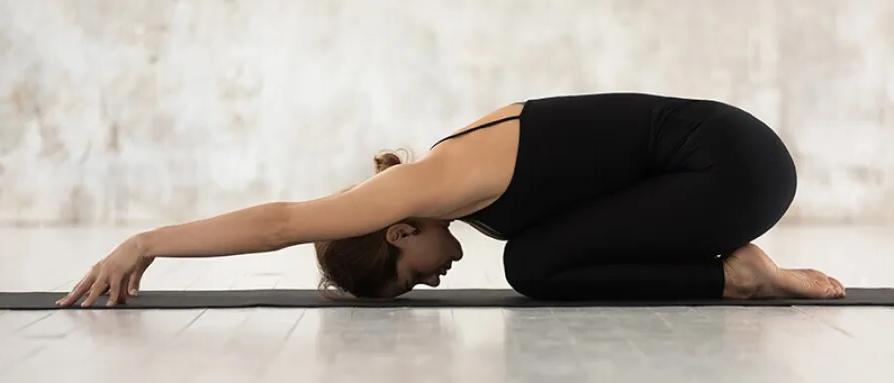
Start on your hands and knees in a tabletop position, with your hands under your shoulders and knees hip-width apart or slightly wider. Bring your big toes together.
Exhale slowly as you sink your hips back toward your heels. Let your torso rest between your thighs and place your forehead on the mat.
You can stretch your arms forward with palms facing down or rest them alongside your body with palms facing up. Close your eyes and focus on calm, steady breathing.
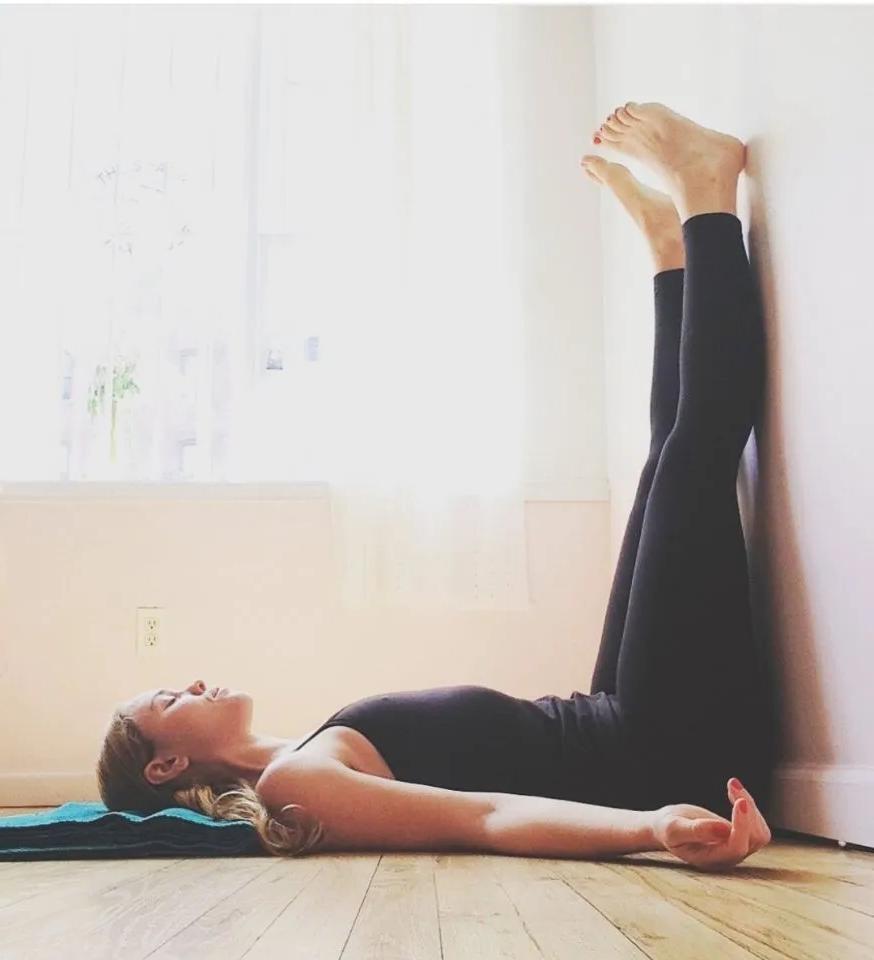
2. Legs Up the Wall
This mild inverted pose is deeply calming because your body is fully supported, which helps quiet the nervous system.
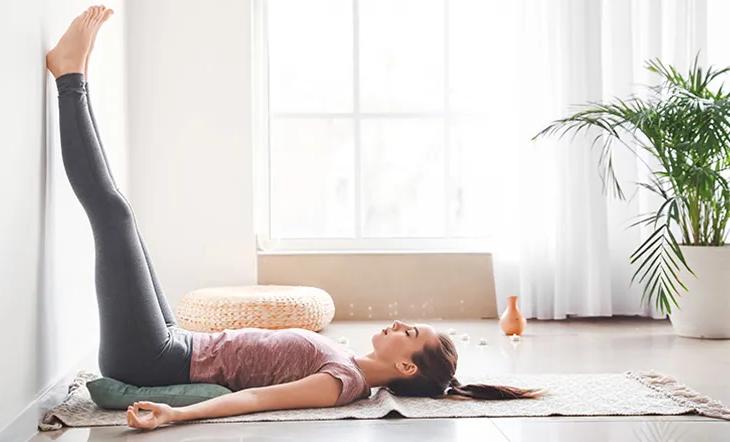
Lie on your back and extend your legs straight up against a wall. Move your hips closer so they lightly touch the wall if that feels comfortable. Stay here for 10 to 15 slow breaths.
If you feel tightness in your hamstrings, move slightly away from the wall and bend your knees so your heels rest against it. This reduces strain in the backs of your legs.
If you have lower back discomfort, place a folded towel or blanket under your hips to ease pressure on the spine.
3. Reclined Pigeon Pose
Tight hips are extremely common, especially for athletes and people who sit for long periods. When hip muscles are tense, the lower back often takes on extra stress.
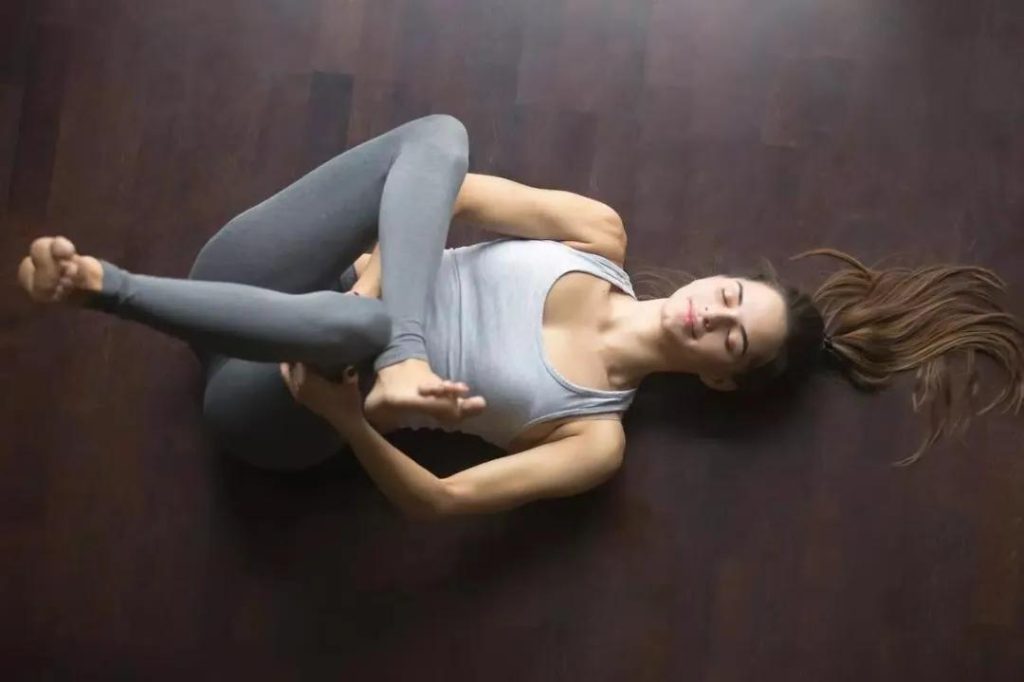
Lie on your back and cross your left ankle over your right thigh. Bend your right knee and reach behind your right leg.
Gently pull your leg toward your chest until you feel a stretch in your hip. Hold for about 30 seconds. As your body adapts, you can stay in the pose for one to three minutes for deeper release.
This position promotes both muscular relaxation and a calming effect on the mind.
4. Supine Spinal Twist
Slow twisting motions can help release built-up tension along the back and neck. The key is to move only as far as feels comfortable, never forcing the stretch.
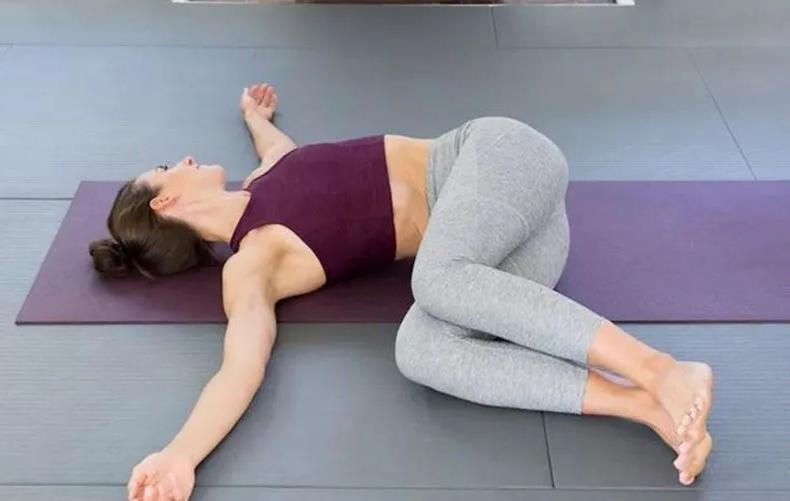
Lie on your back and hug both knees into your chest. Then lower your knees to one side while turning your upper body in the opposite direction. Keep both shoulders grounded on the floor.
As your knees move downward, try to keep them aligned with your hips. If it feels good for your neck, turn your head to look in the opposite direction of your knees.
3 Ways to Make Your Relaxation Practice More Effective
These poses naturally encourage relaxation, but a few simple habits can make them even more powerful.
Build a Consistent Habit
Relaxation happens in the body, but it starts in the brain. When your brain learns to connect certain movements with calmness, relaxation becomes more automatic.
The brain thrives on familiarity. The more consistently you practice, the easier it becomes for your nervous system to shift into a restful state.
Make Your Exhale Longer Than Your Inhale
This is one of the simplest and most effective calming techniques. Lengthening your exhale activates the body’s natural relaxation response.
While holding a yoga pose, slow your breathing and make each exhale slightly longer than each inhale. You’ll notice a deeper sense of calm almost immediately.
Use a Nighttime Wind-Down Routine
Following the same calming routine before bed can help you fall asleep faster. Over time, the brain begins to associate certain actions with rest.
Gentle yoga, slow stretching, and relaxed breathing can become part of a powerful nighttime ritual.
By practicing Yoga regularly and using these relaxation techniques, you’re not just stretching your body — you’re training your nervous system to leave stress mode more easily. Over time, calm stops feeling rare and starts becoming your everyday state.