




A groundbreaking medical achievement has recently been announced in Barcelona. Vall d’Hebron University Hospital has successfully carried out the world’s first facial transplant using tissue donated by a person who chose euthanasia. The recipient is recovering steadily, and the functional outcome has exceeded expectations.
This case has attracted international attention. It combines advanced facial transplantation techniques with an unprecedented form of donation. Specialists involved in the procedure describe the results as both medically and socially significant.
A Sudden and Life Threatening Injury
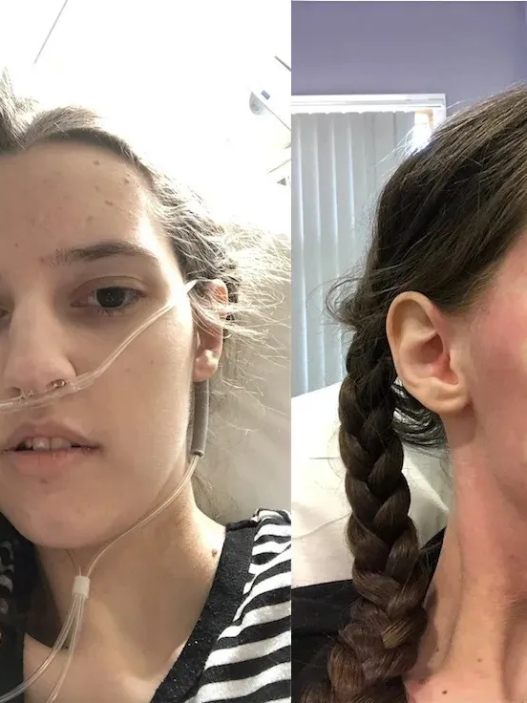
In July 2024, a woman named Carme was vacationing in the Canary Islands when she was bitten by an insect. What initially seemed harmless quickly turned into a medical emergency. Severe infection led to widespread necrosis of her facial tissues. 
Carme fell into a coma and was admitted to intensive care. She remained in the ICU for two and a half months before narrowly surviving the ordeal.
When she finally regained consciousness, the damage was devastating. Half of her face had deteriorated beyond repair. She could barely open her mouth. Eating and speaking were almost impossible. Part of her nose was missing, breathing was impaired, and her vision had been seriously affected.
The Physical and Psychological Cost of Facial Loss
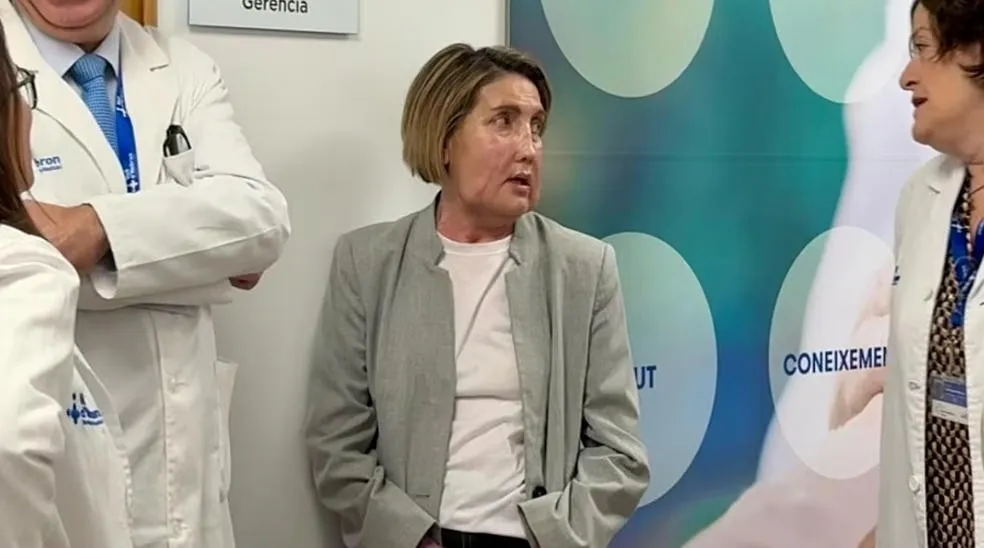
Severe facial disfigurement affects far more than appearance. It interferes with speech, nutrition, breathing, and vision. Everyday social interaction becomes difficult, and psychological distress is often profound.
In cases like Carme’s, conventional reconstructive surgery offers no effective solution. The extent of tissue loss meant that only a type I facial transplant, focused on the central facial structures, could restore basic function and quality of life.
A Donor Pathway Never Used Before
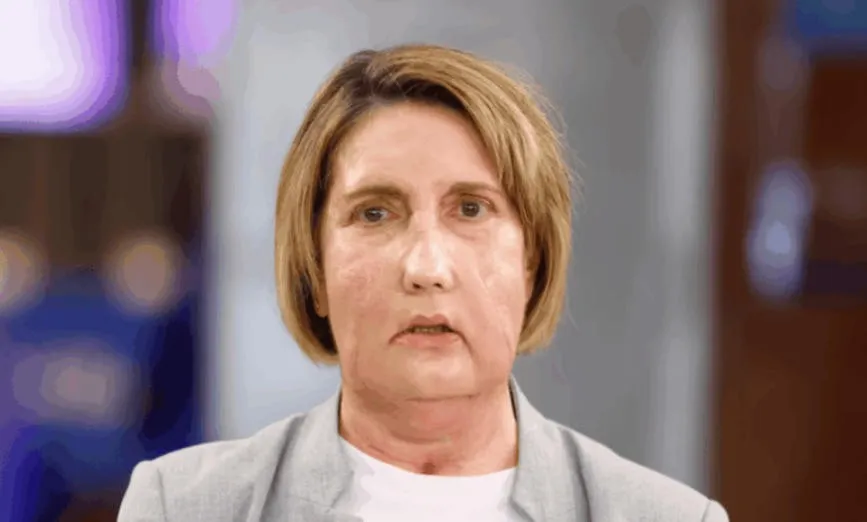
Globally, more than fifty facial transplants have been performed. Donors have come from various circumstances, including brain death and suicide. This operation introduced a new and ethically complex situation.
The donor was a terminally ill middle aged woman who had chosen euthanasia, which has been legal in Spain since 2021. Before her death, she made a clear decision to donate her organs and tissues. She also voluntarily offered her face for transplantation.
Extensive Screening and Precision Planning
After authorization was granted, the medical team began an intensive preparation process. Doctors first confirmed that the donor’s facial tissue was suitable for transplantation and free from contraindications. Compatibility between donor and recipient was carefully assessed.
The donor and recipient needed to share the same sex and blood type. Their head size and facial proportions also had to be closely matched. In this case, all requirements were met.
Both women underwent detailed CT scan imaging. Specialists from the hospital’s three dimensional technology unit analyzed the data and built a digital facial model. Physical replicas were produced using 3D printing to guide surgeons before and during the operation.
Custom surgical guides were also created to allow bone cuts with millimeter level accuracy. These tools played a crucial role in achieving precise alignment during transplantation.
Designing a Highly Complex Surgical Strategy
Plastic surgeons conducted detailed anatomical studies to finalize the surgical plan. Facial transplantation is not limited to skin replacement. It involves muscles, fat tissue, facial nerves, and bone structures.
Long term immunosuppression is required to prevent rejection. Surgeons must balance functional recovery, facial expression, sensory restoration, and immune stability. This makes facial transplantation one of the most complex procedures in modern medicine.
Fifteen Hours of Coordinated Surgery
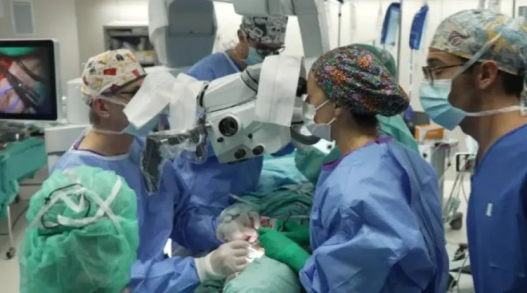
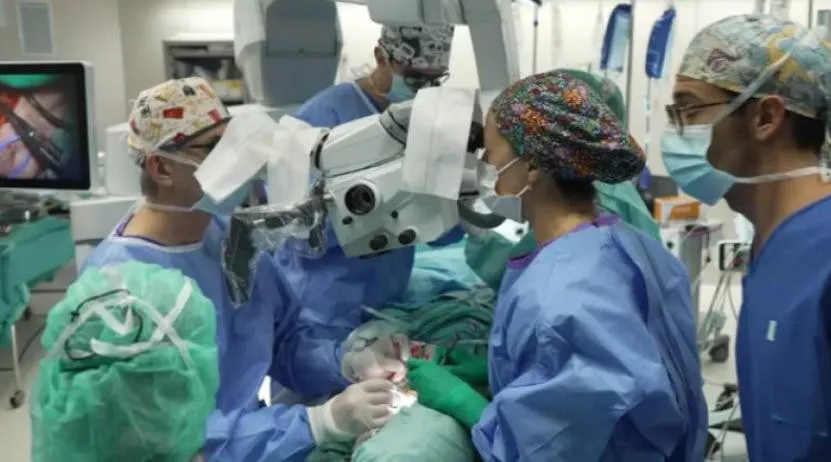
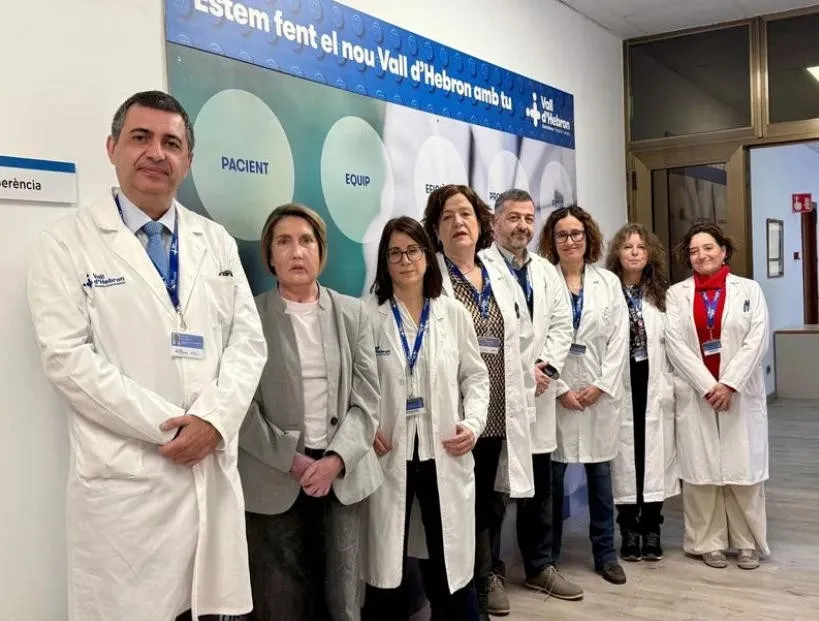
The operation took place in September and lasted fifteen hours. Nearly one hundred medical professionals were involved.
Teams from plastic and burn surgery, reconstructive microsurgery, transplant medicine, immunology, laboratory services, psychiatry, clinical psychology, rehabilitation, intensive care, and pathology worked together throughout the procedure. Every stage required flawless coordination.
A Remarkably Fast Recovery
After surgery, Carme was treated in the burn intensive care unit. She was later transferred to general wards specializing in trauma, rehabilitation, and burn care. She was discharged after just one month, far sooner than typical facial transplant patients.
Rehabilitation began quickly. Doctors focused on restoring muscle movement, chewing, facial expression, and speech.
At first, muscle tone was low. Nerve connections had not yet formed. Therapists used mirrors, textured objects, and personal photographs to stimulate facial memory and visual recognition.
Psychological support was also essential. Specialists helped Carme adjust to her changing appearance, manage medication effects, and maintain independence and treatment compliance.
Regaining Independence and Confidence
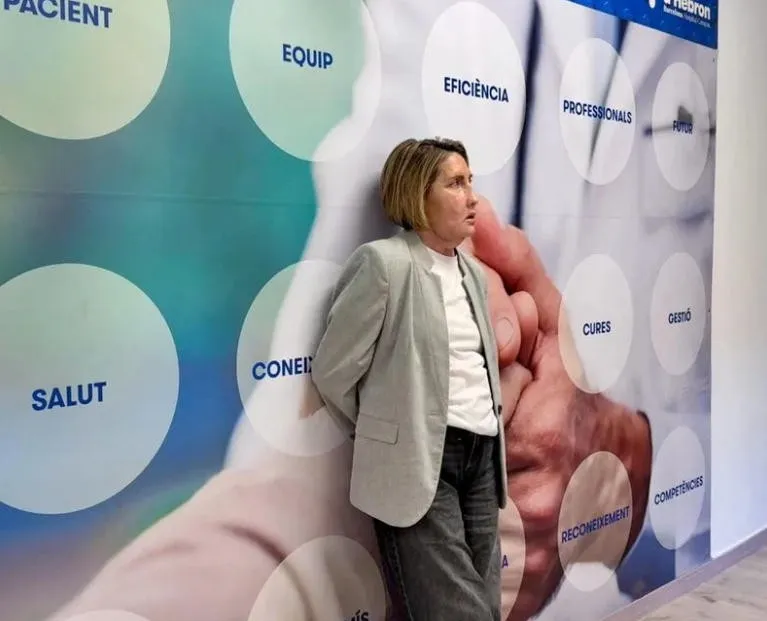
Within weeks, Carme was able to eat, drink, and speak independently again. Sensation gradually returned in the transplanted areas of her face.
She continues daily rehabilitation and follows her medication regimen strictly. These steps help reduce the risk of rejection.
Four months after surgery, her daily life has already improved significantly. She has expressed confidence that by the one year anniversary of the transplant, her life will fully return to normal.
A Hospital With a Global Reputation
As a leader in organ donation and transplantation in Spain, Vall d’Hebron University Hospital combines surgical expertise with advanced operating facilities and individualized treatment planning.
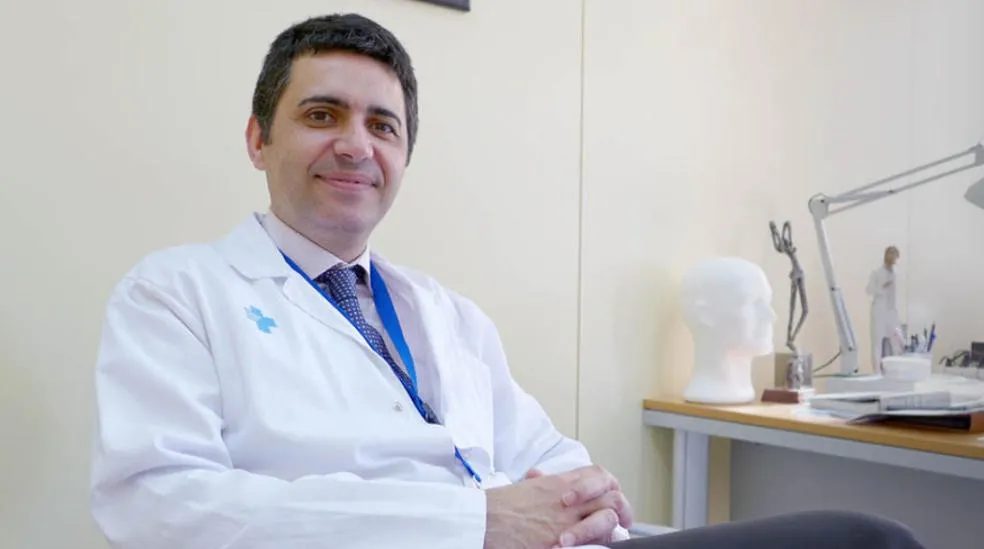
Dr. Joan Pere Barret, head of plastic surgery and burn care, explained that facial transplantation is fundamentally a functional operation. It is intended for patients whose facial structures cannot be repaired through conventional reconstructive methods.
These patients often suffer from disease, burns, trauma, or congenital conditions that severely impair essential functions.
A History of Pioneering Work
Dr. Barret has been dedicated to facial transplantation for over a decade. In 2010, he led the team that performed the world’s first full face transplant.
In 2015, the hospital completed another milestone. It became the first center to perform a facial transplant under controlled cardiac death conditions, known as Maastricht category III.
Worldwide, there have been fifty four facial transplant cases so far. Only about twenty hospitals have the technical capacity to perform them. Among these, just seven have completed three or more cases due to the extreme complexity involved.
Spain has completed six facial transplants. Three of them were performed at Vall d’Hebron University Hospital.
Honoring an Extraordinary Act of Generosity
Beyond the medical teams, one contribution stands above all others. That of the donor.
The hospital’s transplant coordination team emphasized the exceptional generosity shown in this case. While donors and families often demonstrate selflessness, this situation reflected an extraordinary level of maturity and compassion.
A person facing the end of her life chose to offer one of her final gifts to a stranger. In doing so, she gave another human being a second chance.
Looking Toward the Future
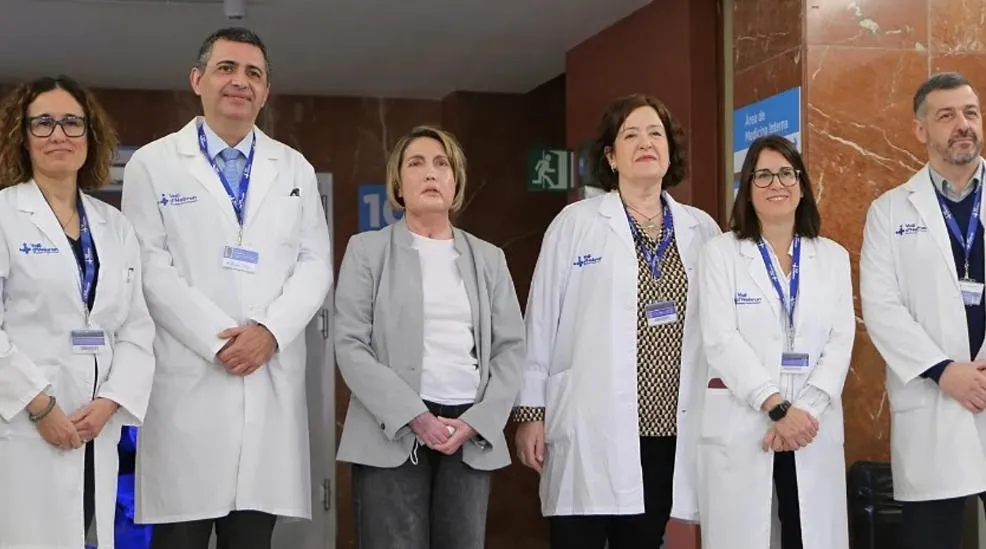
At a recent press conference, Carme shared that her recovery continues to progress smoothly. When she looks in the mirror at home, she feels that she is gradually becoming herself again.
If her facial function reaches its full potential and her life returns to its natural rhythm, that outcome may be the most meaningful tribute possible to the donor who made it all possible.