





A woman with a rare exercise allergy shares her struggle as workouts trigger severe reactions and rashes, risking her health.
Allie, a 35-year-old owner of a beauty salon, started exercising regularly to stay healthy and maintain her appearance. But she quickly realized that staying healthy could come with unexpected dangers.
First Signs of Trouble
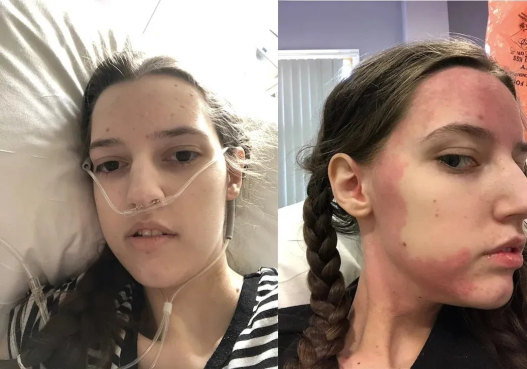
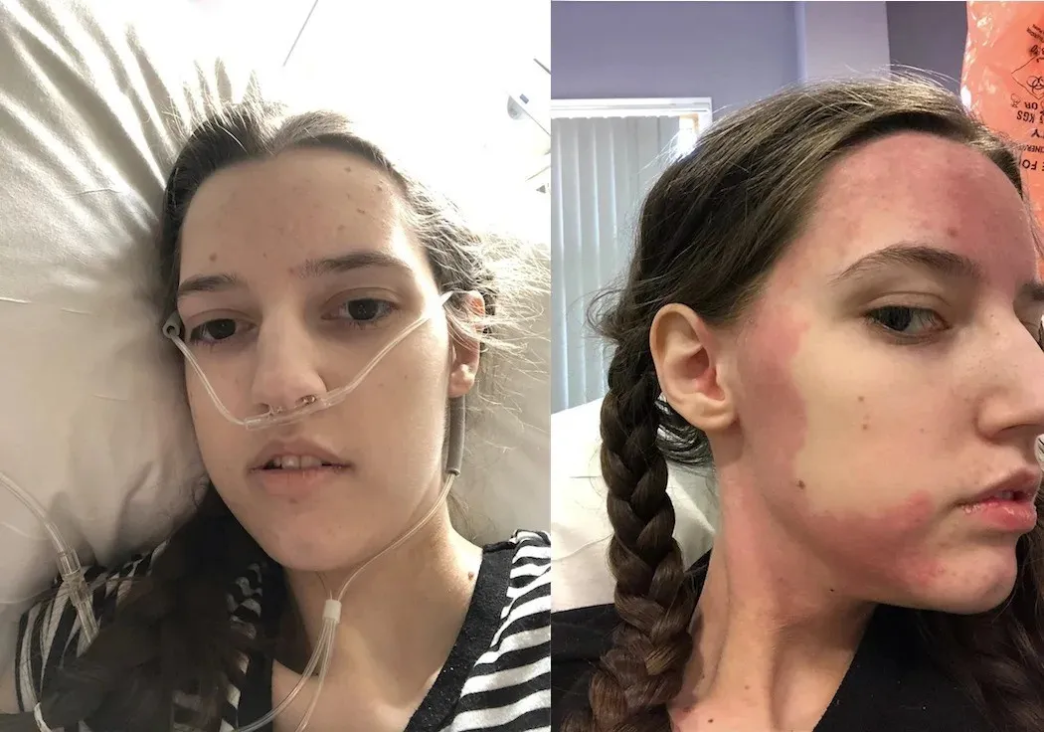
One day in January, after running just 100 meters with her personal trainer, Allie noticed bright red rashes spreading across her face, neck, ears, back, and chest. 
Allie had no idea what was happening, so she visited her family doctor. The doctor suggested she might have exercise-induced urticaria (EIU), a rare condition where patients develop rashes, itching, and redness during or after exercise.
Diagnosed with a Rare Allergy

Further tests confirmed she had a rare allergic condition triggered by exercise. The exact cause remained unclear, possibly linked to increased heart rate or elevated body temperature. Staying healthy through exercise suddenly became a challenge.
Allie shared her experience online, showing her swollen lips and the red rashes on her neck. She admitted that the fear of future reactions was overwhelming.
Early Fitness Journey
Allie had joined a gym last year and quickly fell in love with physical training. Her personal trainer invited her to prepare for a mud run in July. During a short 100-meter test, her skin reacted immediately. Within minutes, her chest and upper body were covered in bright red rashes, intensely itchy.
Only after consulting doctors did Allie understand the severity of her condition. She now urges others to take any unusual allergic symptoms seriously and seek medical attention.
Living in Fear of Reactions

Allie fears even minor exercise could trigger severe allergic reactions or anaphylaxis, which can be life-threatening. Recently, standing in a bakery caused numbness in her ears and facial swelling, requiring emergency treatment.
Despite this, she refuses to abandon exercise entirely. She avoids aerobic workouts and increases rest during strength training to manage her condition.
Adjusting Training for Safety
Allie explains that she must adjust her workout plans meticulously, ensuring her heart rate stays within safe limits. Even walking or climbing stairs can trigger her symptoms. Living in constant fear of flare-ups is stressful, and doctors remain uncertain about her condition.
Not the Only Case

Allie is not alone. In 2013, a woman named Cassia developed exercise-induced reactions in her twenties. Fast heart rates or sweating caused eye swelling, urticaria, and throat obstruction, making ordinary activities like jogging or chasing children potentially dangerous.
Other Rare Allergies
Allergic reactions can come from unusual sources. For example, Georgina in London suffers from progesterone hypersensitivity, reacting to natural hormone increases before menstruation.
Other rare cases include:
- Pemphigoid gestationis, where pregnant women have severe reactions to their fetus.
- Cold urticaria, forcing patients to stay in environments above 24°C.
- Mast cell activation syndrome, where patients react to almost all foods, requiring intravenous nutrition.
- Aquagenic urticaria, where exposure to water poses life-threatening risks.
The Value of Health

These cases remind us that simply being a healthy, normal person is already a blessing. Managing rare allergies while maintaining fitness requires constant vigilance, adaptability, and support from healthcare professionals.