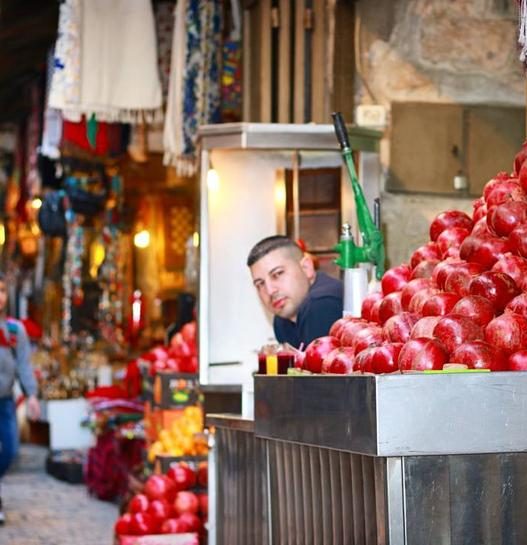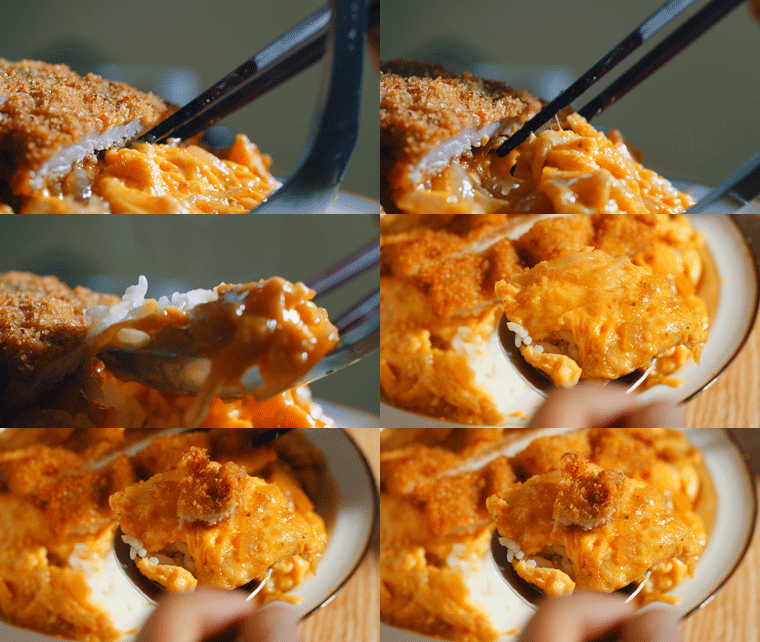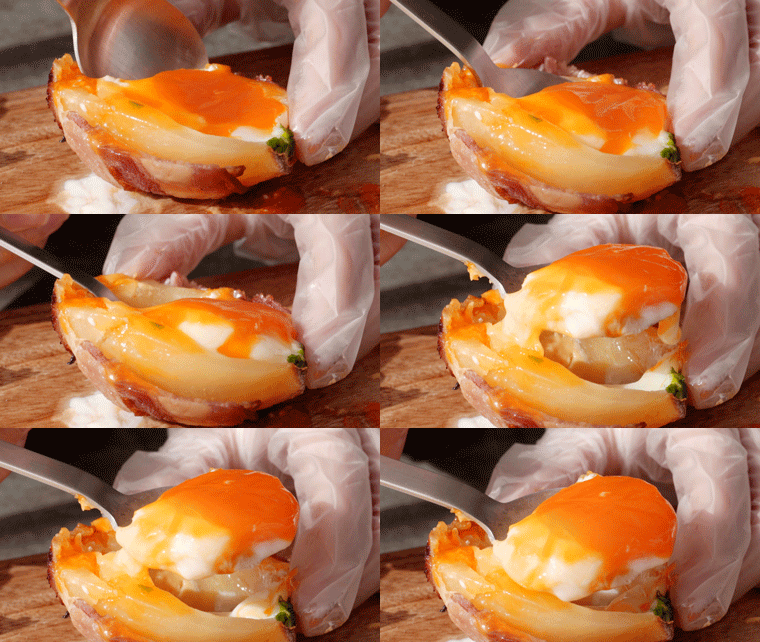






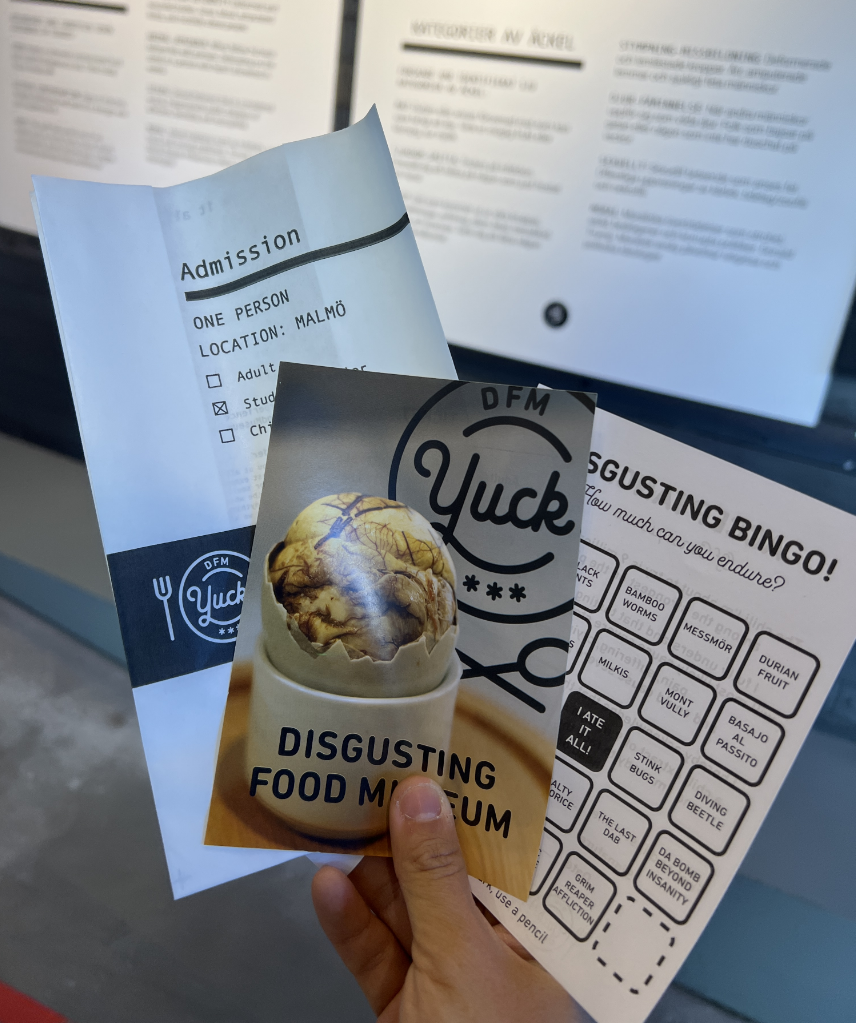
What’s the weirdest thing you’ve ever eaten? Now imagine a place that collects the world’s most notorious foods under one roof—and encourages you to taste them. Welcome to the Disgusting Food Museum in Malmö, Sweden. Your ticket is a barf bag, and the tasting experience requires a waiver. This isn’t a typical museum; it’s a thrilling, often gag-inducing journey into the heart of cultural perception. From China’s pungent stinky tofu to Sweden’s infamous fermented herring, it challenges everything you think you know about “edible.” I went in curious and came out with a completely new perspective on disgust, dinner, and the diversity of human taste. Ready for a tour?
More Than Gross-Outs: The Science of Disgust
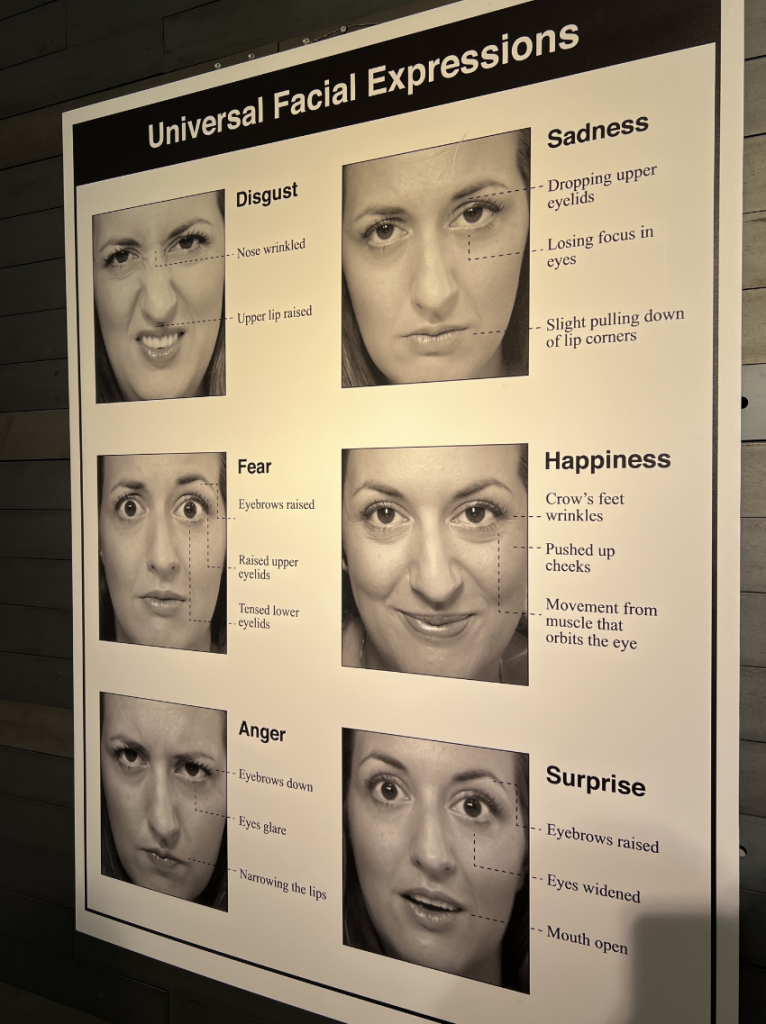
Why do we find certain foods revolting? The Disgusting Food Museum digs into the psychology behind our “yuck” reactions. Disgust is one of the six basic human emotions, a primal defense mechanism that evolved to protect us from pathogens and spoiled food. However, the museum brilliantly shows that disgust is not universal. It’s a cultural construct. What is a delicacy in one corner of the world can be pure horror in another. By confronting these items—not just seeing but sometimes smelling and tasting them—you’re not just being grossed out. You’re participating in a live experiment about how culture shapes our most instinctive feelings. The museum’s mission isn’t to shock, but to connect, using food as the ultimate conversation starter.
Through Foreign Eyes: Seeing “My” Food Differently
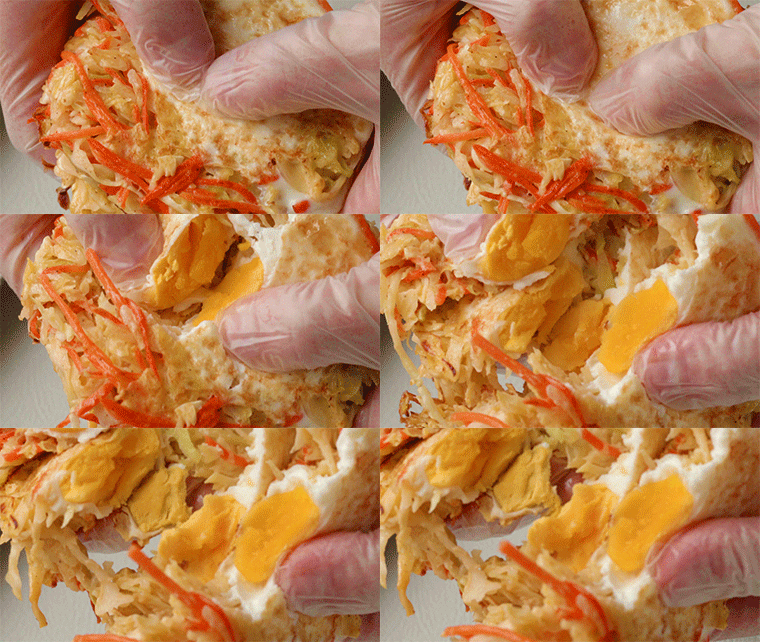
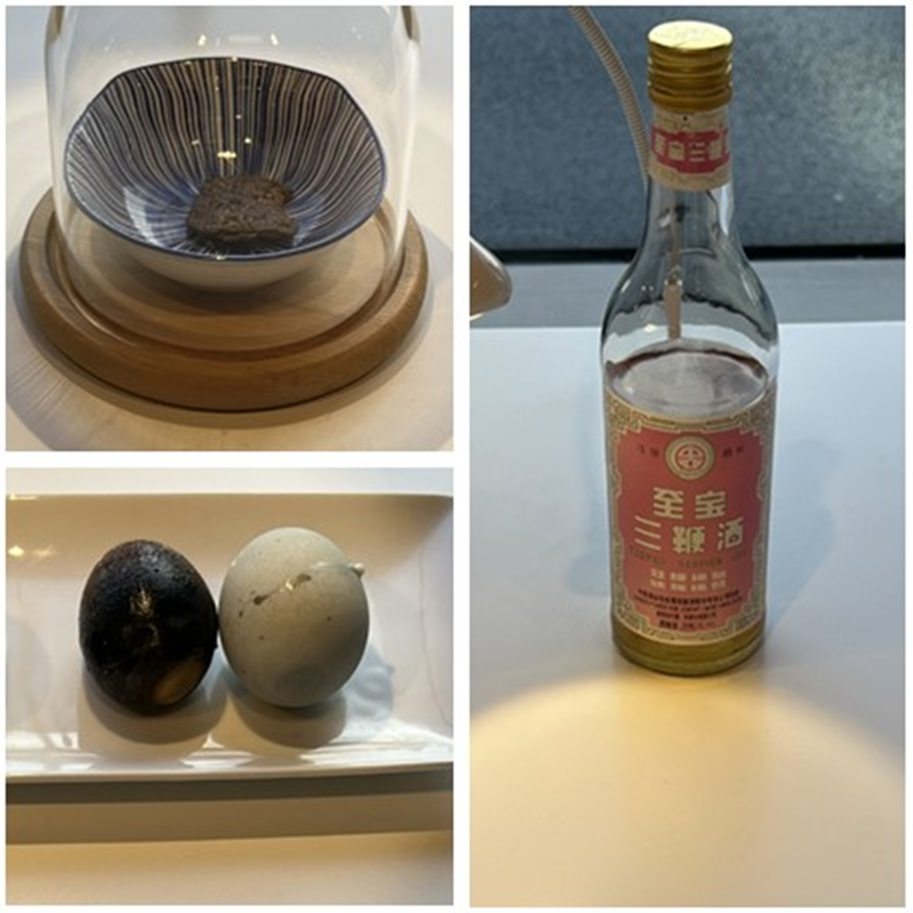
As a visitor familiar with Asian cuisine, the most fascinating section was seeing foods from my own culture through a foreign lens. Items like century eggs, stinky tofu, and snake wine were presented with clinical, often hilarious descriptions. The century egg was labeled a “gelatinous black mass,” and the snake wine’s label dryly noted it was “unsuitable for any cocktail.” It was a strange, illuminating experience. The foods I knew were stripped of their cultural context and presented purely as objects of curiosity—or revulsion. It highlighted how much of our culinary acceptance is based on familiarity, not the inherent properties of the food itself. This section alone makes the museum a powerful lesson in empathy and perspective. 
Global Gallery of “Delicacies”: From Cheese Worms to Grubs
The museum’s collection is a true global tour of the bizarre and the beloved.
1、Sweden’s Pride (& Shame): No visit is complete without confronting surströmming, the fermented Baltic herring famous for its world-record stench. Displayed with a warning and a fan, it’s a national icon of controlled disgust.
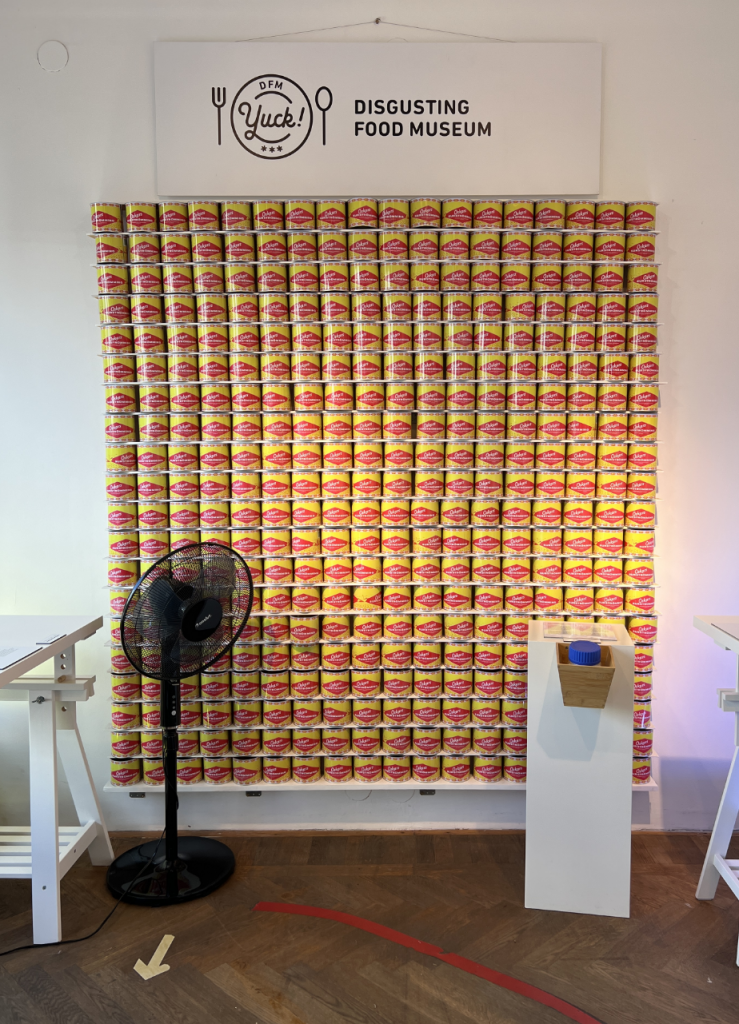
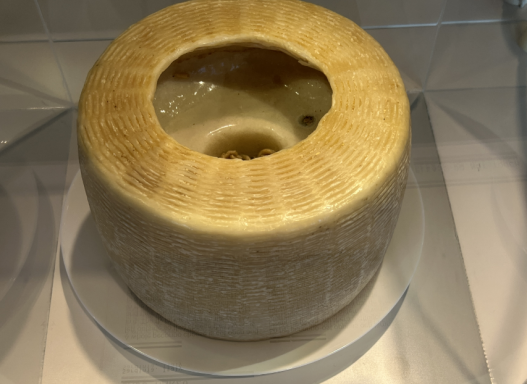
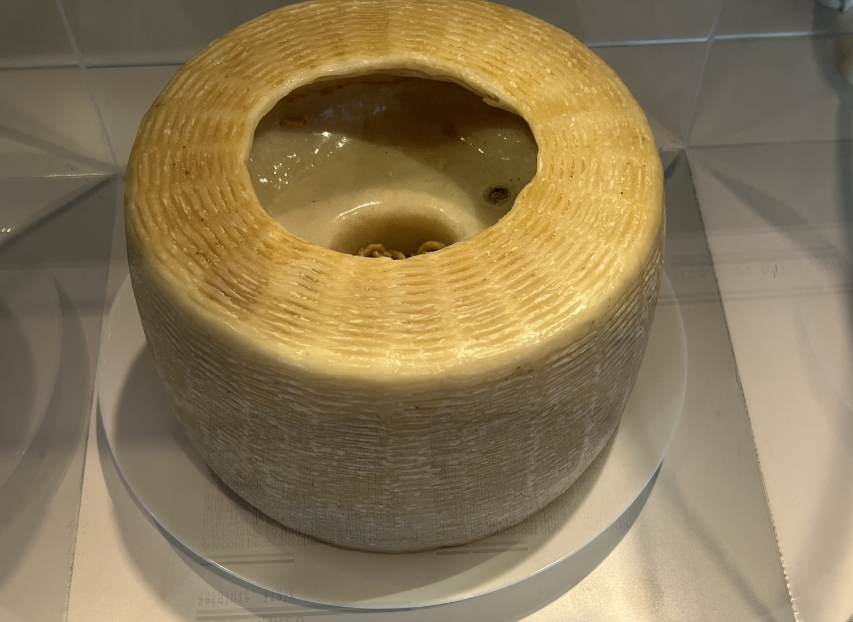
2、Sardinia’s Crawling Cheese: The legendary Casu martzu, a sheep’s milk cheese teeming with live insect larvae, sits under glass. Watching the maggots move is a mesmerizing, stomach-churning highlight.
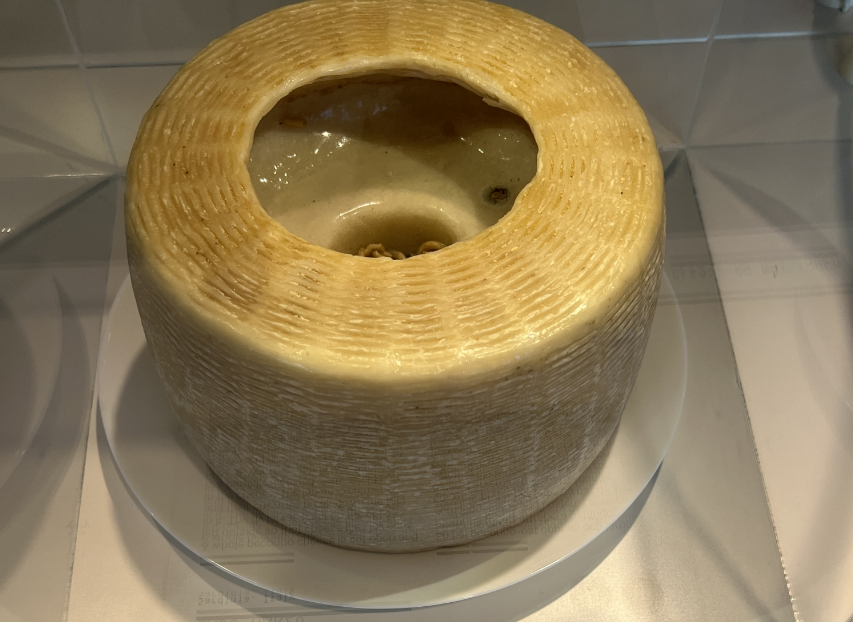
3、Iceland’s Acquired Taste: Hákarl, fermented Greenland shark, represents the ingenious food preservation methods of the North. Its powerful ammonia scent is legendary.
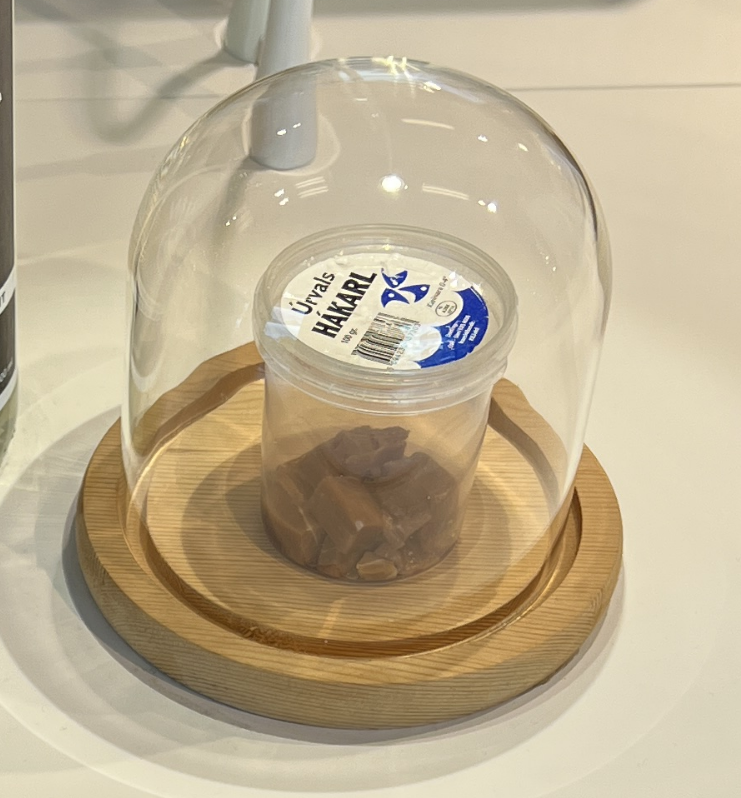
4、Peruvian Celebration: Cuy (roasted guinea pig), often served whole, illustrates how a pet in one country is a festival centerpiece in another.
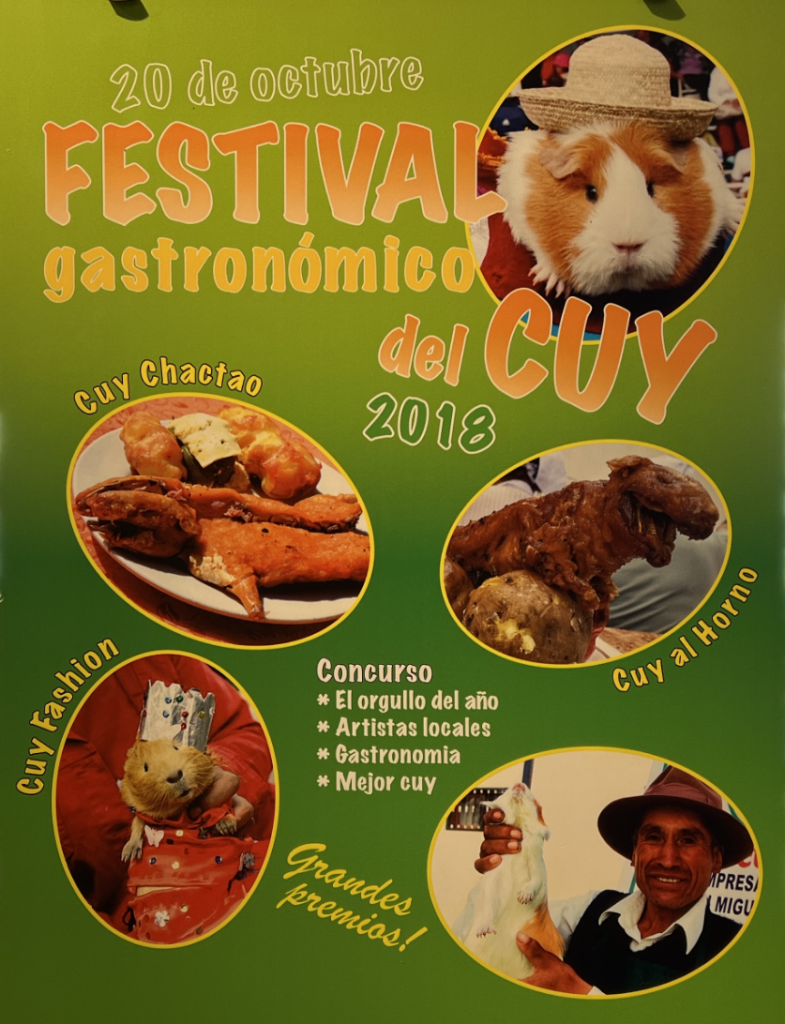
The takeaway is profound: nearly every “disgusting” item is someone else’s staple, born from necessity, tradition, and deep cultural respect. The museum argues there’s no such thing as inherently disgusting food—only unfamiliar food.
The Ultimate Test: Entering the Tasting Room
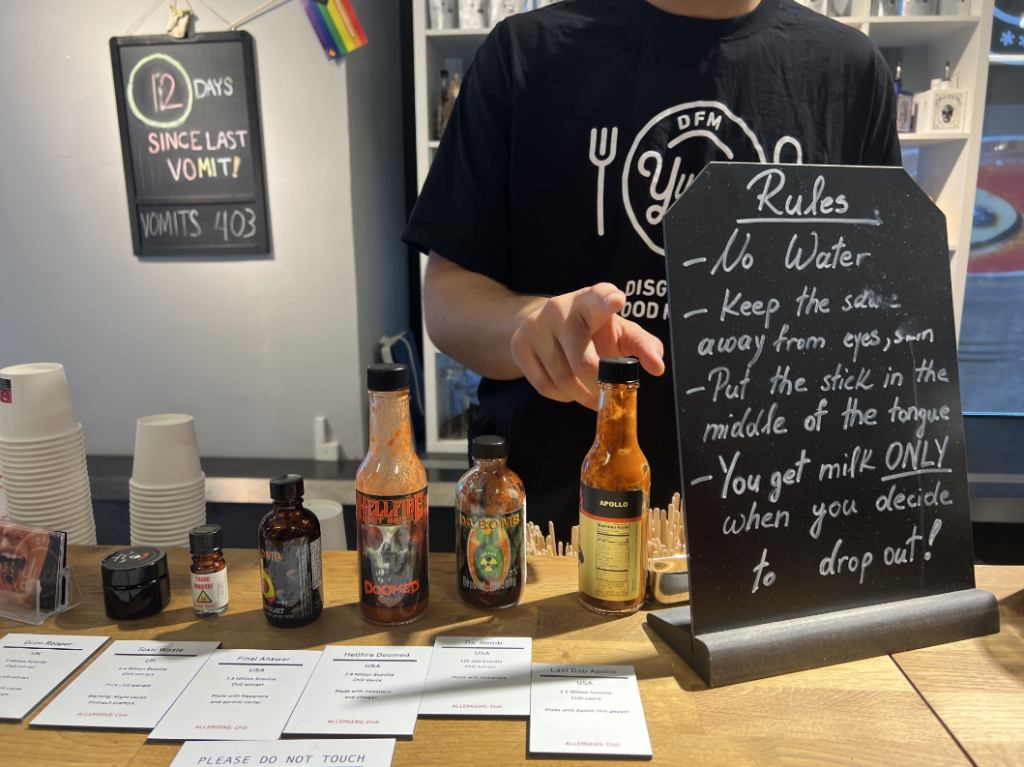
Bravery (or foolishness) leads you to the tasting arena. Here, under bright lights, you can sample a curated selection. The setup is part science lab, part dare. With tools like droppers, tweezers, and palate-cleansing milk at the ready, staff guide you through.
I tried fried insects (crickets and mealworms), which were surprisingly crunchy and nutty. The museum-provided descriptions were half the experience: “Tastes like stale popcorn with a cheesy aftertaste,” or “Has the distinct flavor of a damp basement.” These poetic, often brutal notes heighten the sensory adventure. Watching fellow visitors from around the world react—a Croatian tourist refusing durian, a Swede nostalgically enjoying a salty licorice paste—was a show in itself. We were all navigating our personal boundaries of taste together.
A Mirror to Our Plates: The Bigger Questions
The Disgusting Food Museum is more than a cabinet of curiosities. It holds up a mirror to our own dietary choices. Exhibits on lab-grown cultured meat, sugar-laden snacks, and food waste force us to ask: What should we find disgusting? Is it the unfamiliar fermented shark, or the unsustainable practices behind our daily meals? The museum suggests our disgust should be redirected towards ecological harm and unethical production, not just cultural difference.
By the end, your barf bag might still be empty, but your mind will be full. The Disgusting Food Museum doesn’t just make you gag; it makes you think. It’s a hilarious, challenging, and unforgettable exploration of why we eat what we eat—and a celebration of the incredible, sometimes shocking, diversity of human sustenance. Would you dare to visit?