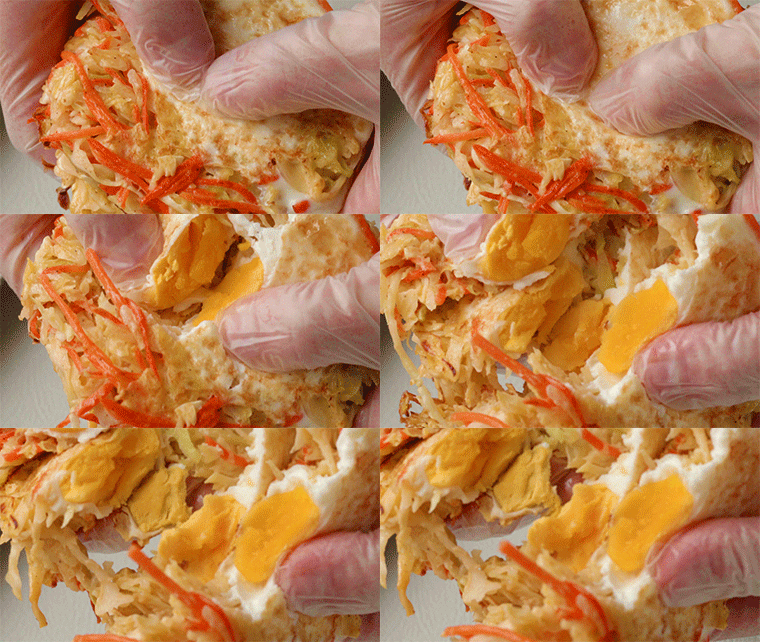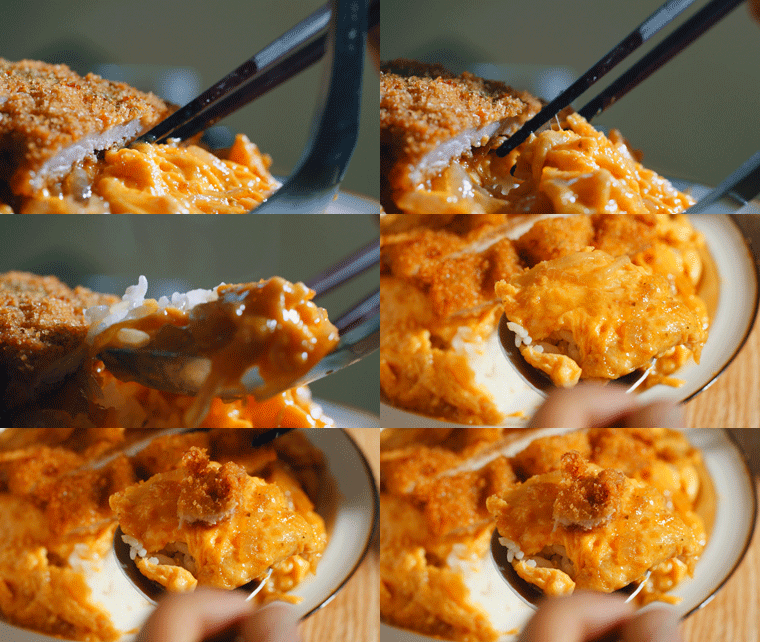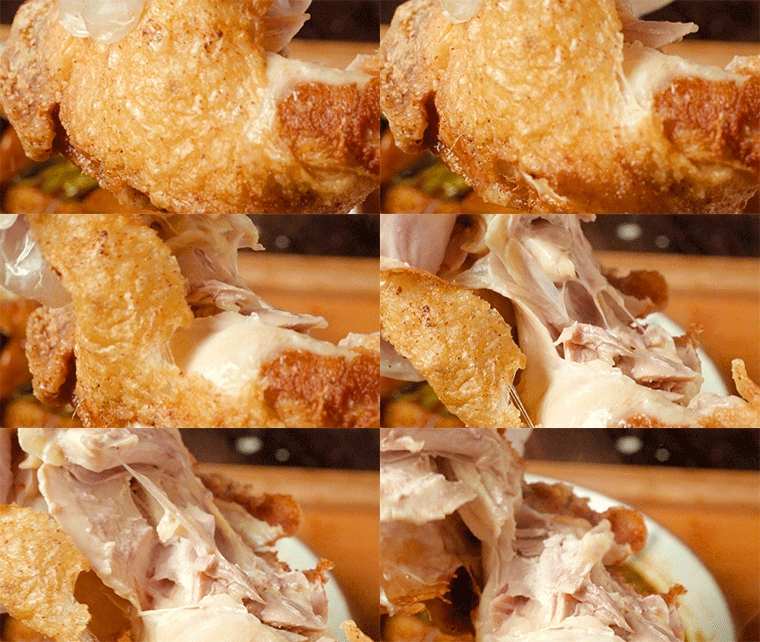







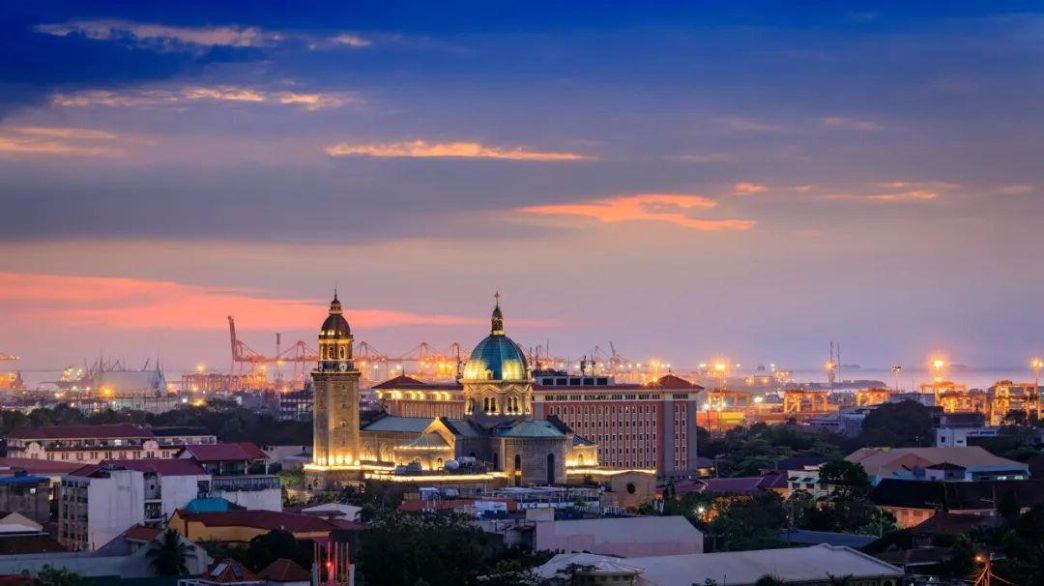
Within the sprawling Manila Slums, a daily survival ritual unfolds that challenges everything we know about food. Before the city awakens, residents of communities like Tondo and Smokey Mountain begin searching not in markets, but in garbage dumps. They’re collecting discarded restaurant leftovers to create Pagpag—a controversial recycled street food that feeds millions in Manila’s poorest districts. This practice, born from extreme poverty, reveals the harsh realities of life in the Manila Slums and forces us to confront difficult questions about urban inequality, food security, and human resilience.
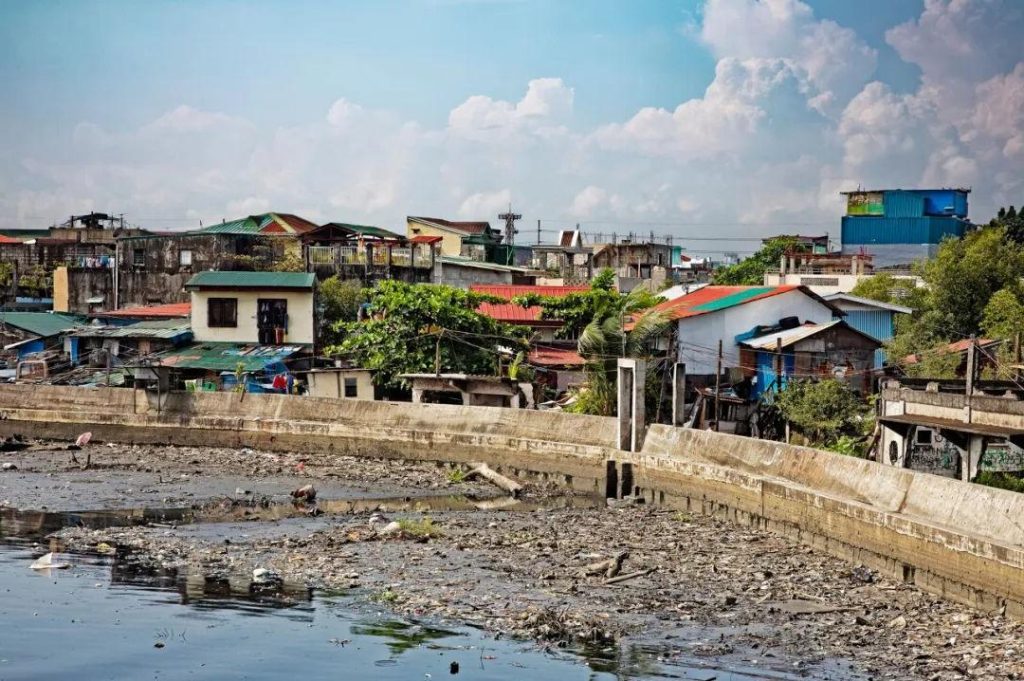
Dawn in the Dumps: Where This Food Begins
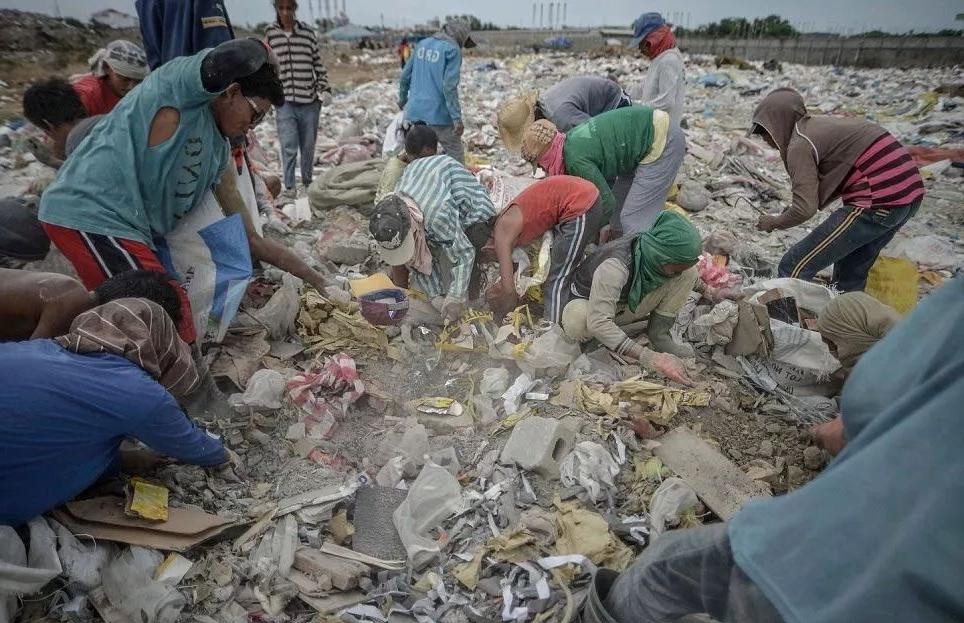
The journey starts in places like Smokey Mountain or the back alleys behind fast-food chains. As the city sleeps, collectors—often mothers and their children—begin their work. They’re not looking for recyclables; they’re searching for yesterday’s dinner. Discarded fried chicken bones with clinging meat, containers of uneaten rice, or leftover vegetables become their target. In Manila’s slums, this isn’t scavenging in the traditional sense; it’s a necessary harvest from the city’s waste stream, driven by a simple equation: no food in the dump means no food on the table at home.
From Waste to “Dinner”: The Transformation Process
What happens next is a meticulous, labor-intensive process born of necessity: 
- The Sorting: Back in cramped, makeshift homes, the collected waste is carefully sorted. Inedible packaging, bones, and spoiled portions are removed.
- The Cleansing Ritual: The salvageable pieces are washed—sometimes multiple times—in an attempt to remove visible grime and bacteria.
- The Rebirth Through Fire: The food is boiled vigorously or deep-fried, not for flavor, but in the hope that extreme heat will kill pathogens. This is the core of making “Pagpag.”
- The Flavor Mask: Heavy doses of salt, vinegar, and cheap spices are added. Their primary job isn’t to enhance taste, but to overpower the tell-tale flavors of spoilage and decay.
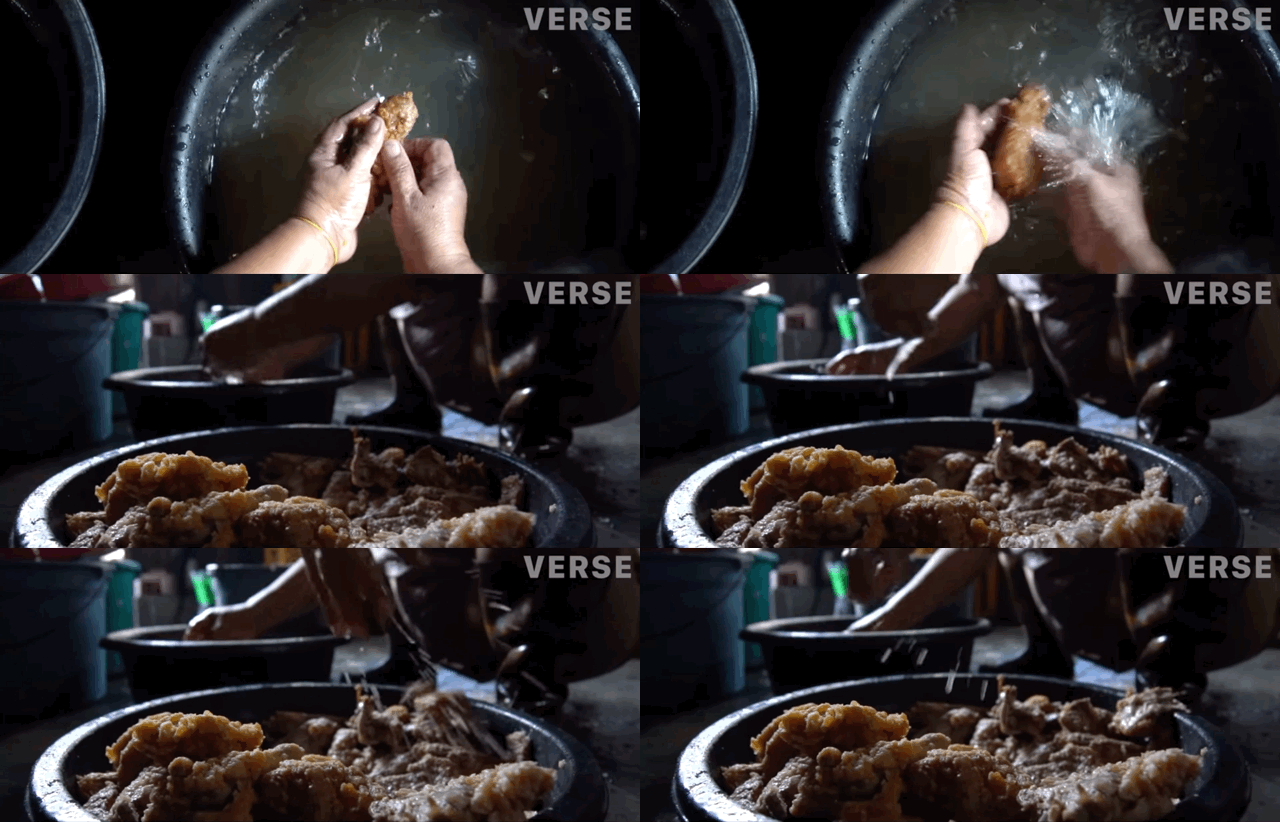
The final product is bagged and sold for pennies in the narrow alleyways of communities like Tondo, representing both a meal for the hungry and income for the seller.
The Impossible Choice: Survival vs. Safety
To judge this practice, you must first understand the dilemma it represents.
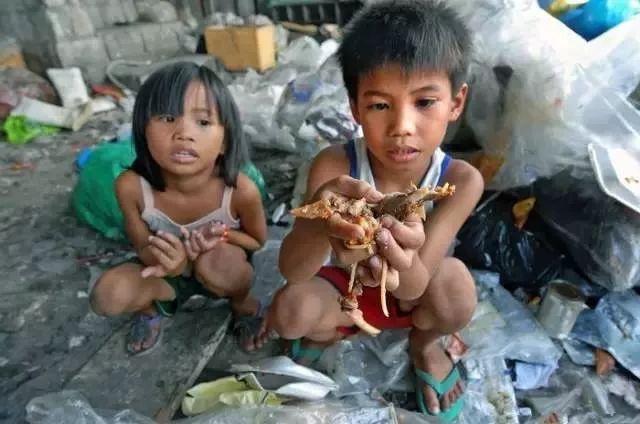
The Lifeline It Provides:
For families living in Manila’s slums, Pagpag is often the only source of substantial protein. It provides calories when wages are nonexistent or pitifully low. For sellers, it creates a fragile micro-economy, offering one of the few available ways to earn cash in an informal settlement.
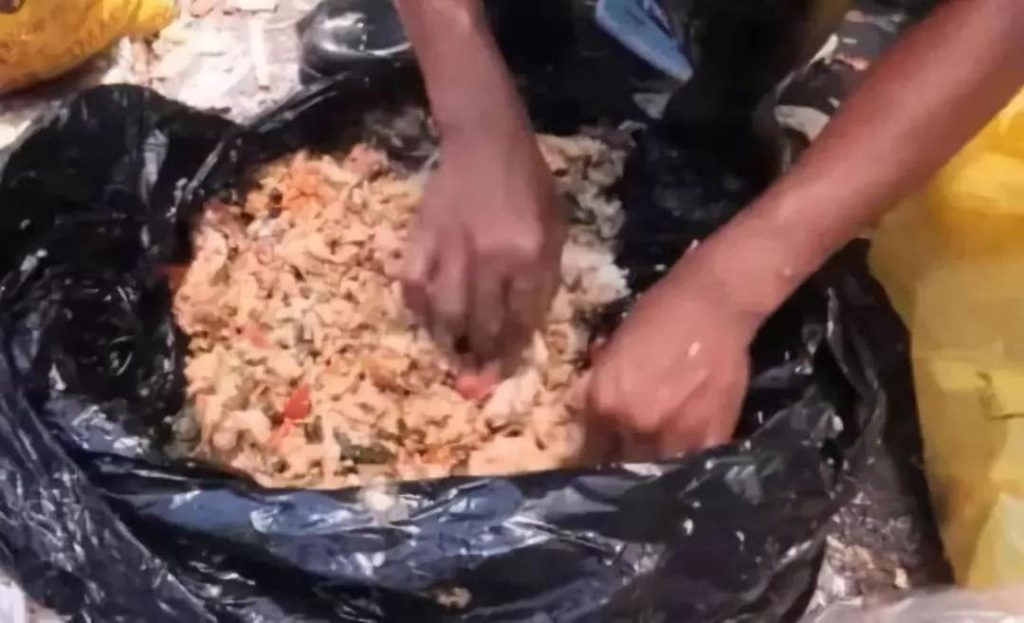
The Deadly Risks It Carries:
Medical experts state the dangers unequivocally: hepatitis, typhoid, cholera, and severe food poisoning are constant threats. The reheating process cannot eliminate all toxins or chemical contaminants that may have leached from the trash. It’s a nutritional dead-end, offering energy without the vitamins and minerals needed for health.
The people involved know this. Their calculation isn’t about health versus sickness; it’s about the certainty of hunger today versus the possibility of sickness tomorrow.
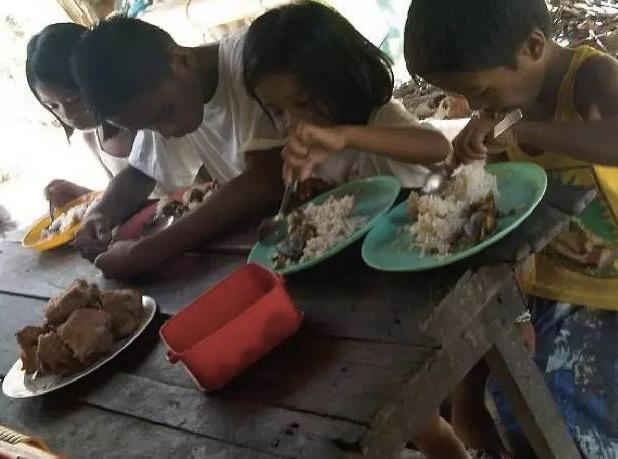
A Mirror to Society: What Pagpag Really Reveals
Pagpag is more than a shocking food story; it’s a glaring symptom of systemic failure.
- It’s a Failure of Economics: When a formal job doesn’t pay enough for real food, the informal economy of waste fills the gap.
- It’s a Failure of Urban Planning: When cities grow without providing affordable housing, sanitation, or food security for all, practices like this become inevitable.
- It’s a Failure of Waste Systems: When organic waste is treated as trash to be dumped rather than a resource to be managed, it becomes a last-resort food source for the poor.
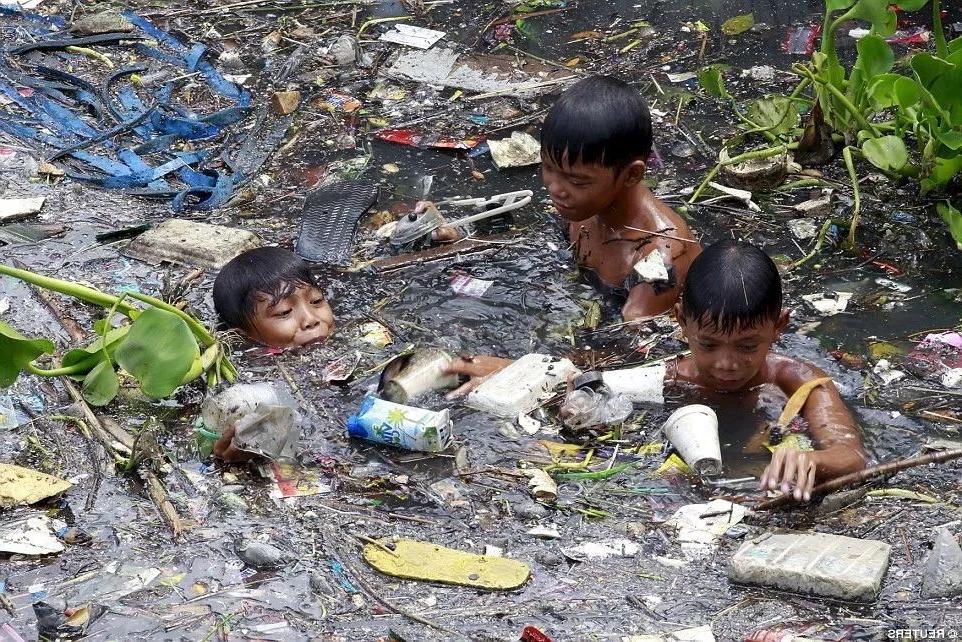
The existence of Pagpag in Manila’s slums forces uncomfortable questions about inequality, justice, and what a society tolerates within its own borders.
Beyond Sensationalism: Looking for Real Solutions
Sensational headlines about “garbage food” often miss the point. The real focus should be on the conditions that make such a practice necessary. Lasting change requires addressing the roots: creating living-wage employment, building genuine social safety nets, developing affordable housing, and implementing food security programs that reach the poorest communities.
The story of Pagpag is ultimately a story of human resilience in the face of impossible choices. It’s a stark reminder that in our interconnected world, the line between waste and sustenance, between choice and desperation, is thinner than we’d like to believe. The challenge isn’t just to be shocked—it’s to be moved to understand and support the changes that would make such shocking adaptations obsolete.