




What were Medieval Spices really worth? If you traveled back to medieval Europe, you’d find something shocking. The pepper and sugar sitting quietly in your kitchen today were once the most coveted luxury items on the continent. Medieval Spices like pepper were literally called “black gold”—more precious than actual gold and silver. Nobles didn’t flaunt their wealth with jewelry. They flaunted it by dumping Medieval Spices on their food. This is the extraordinary story of how Medieval Spices shaped society, wealth, and even world history.
The Ultimate Status Symbol
On medieval European tables, spices and sugar weren’t simple seasonings. They were tangible proof of wealth and power. Europe’s cold, damp climate couldn’t grow sugarcane, pepper, or cinnamon. Every single spice had to travel from distant India and Southeast Asia—over 20,000 kilometers of sea and land routes, passing through Arab and Venetian merchants. The journey took one to two years. Pirates, storms, and layers of middlemen markup made spices dozens of times more expensive than their original price. Ordinary people might never taste them in their entire lives.
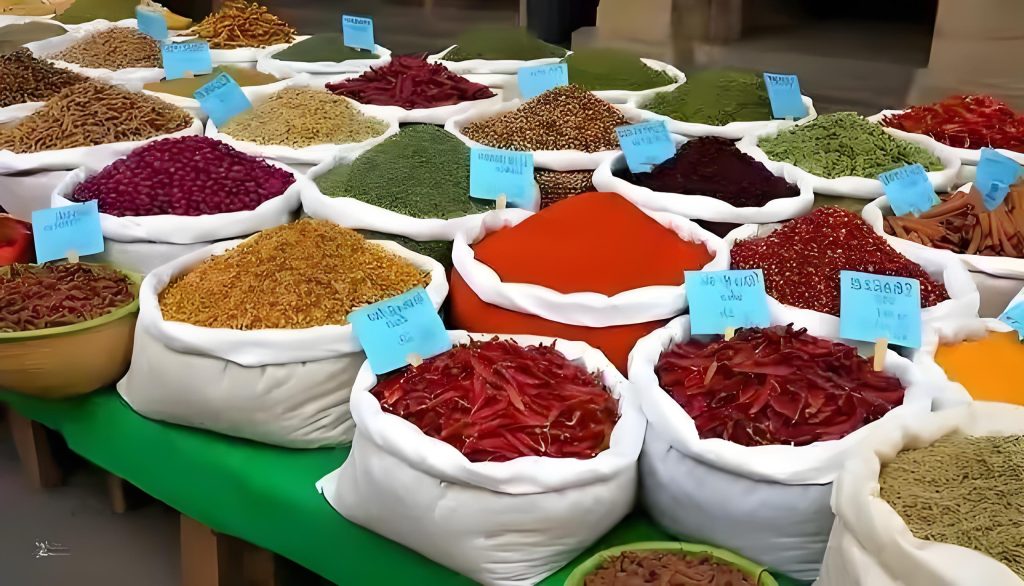
Why Nobles Needed Spices
Without refrigeration, medieval meat spoiled quickly, developing unpleasant odors. Commoners simply endured the stench. But nobles had another option: mask the smell with pepper, cinnamon, and other spices. Spices became a necessity of the elite table. 
Historical records from the 14th century tell a startling tale. In India, one pound of pepper cost about one gram of silver. By the time it reached Venice, the same pound sold for over ten grams of gold. Weight for weight, pepper was worth more than gold. It functioned as currency—you could buy property, pay taxes, or settle debts with a bag of pepper. It was the “hard currency” of the Middle Ages.
The Ultimate Flex: Dumping Pepper on Food
Nobles found creative ways to show off their pepper wealth. At banquets, wealthy hosts added extra pepper to roasted meats and rich stews. But the truly wealthy? They took pepper pots directly to the table and showered their food with abandon. Guests watching pepper rain down didn’t see waste. They saw jaw-dropping wealth. In medieval courts, the person who sprinkled the most pepper won the most respect—more powerful than jewels or fine clothes.
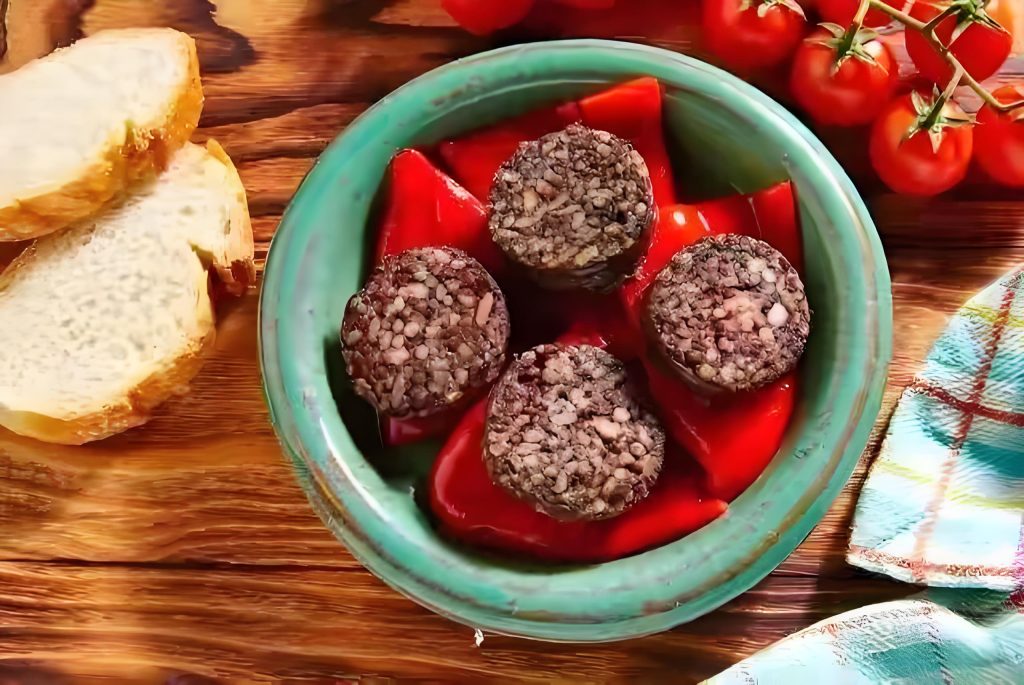
Sugar: The Other Status Symbol
Pepper wasn’t alone. Sugar was equally elite. Not a daily sweetener but a precious delicacy, sugar appeared as intricate sculptures and decorative candies at banquet finals. Nobles exchanged sugar confections as gifts. A commoner who received a small piece of sugar treasured it, licking it slowly rather than biting. That sweetness was a luxury they could barely imagine.
How Spices Changed World History
The European obsession with pepper and spices didn’t just affect dinner tables. It rewrote world history. The desperate search for cheaper routes to spice origins pushed merchants across uncharted oceans, launching the Age of Exploration. Columbus sailed west looking for pepper. Da Gama rounded Africa for the same reason. The modern globalized world was born from a craving for flavor.
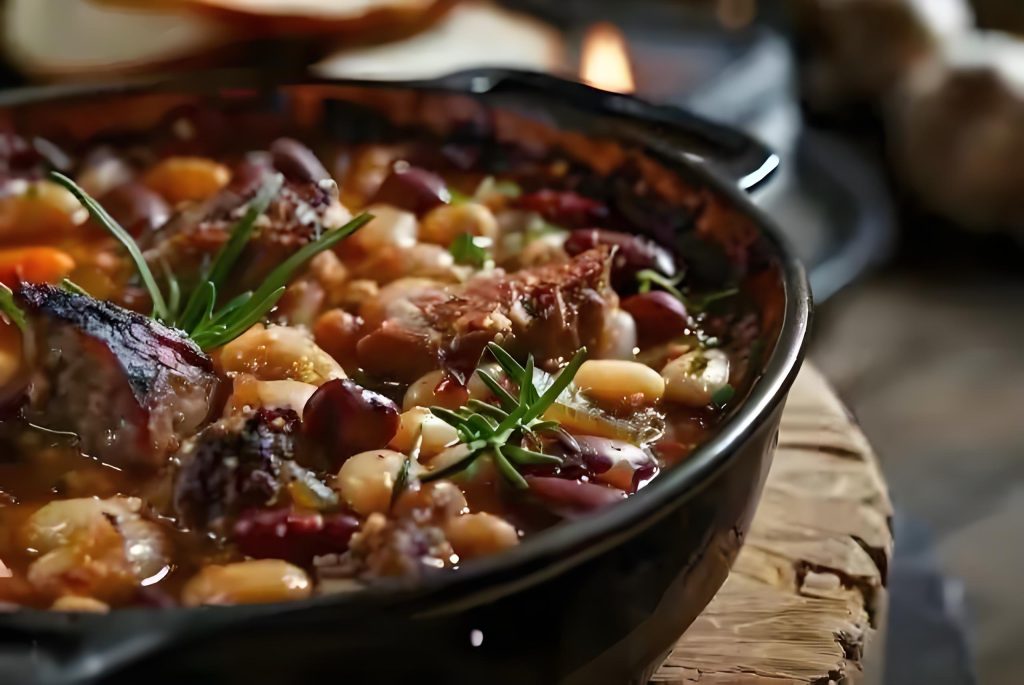
From Black Gold to Kitchen Staple
Times changed. What was once worth its weight in gold now sits in every kitchen cabinet. We casually enjoy what medieval nobles risked fortunes to possess. Looking back at this history, we see how the most extravagant luxuries eventually humble themselves before time.
The most fascinating history often hides in the smallest things—like a single peppercorn.
Next time you reach for the pepper grinder, remember: you’re holding black gold. You’re tasting a revolution. You’re experiencing the obsession that built the modern world.