




Forget everything you think you know about ham. In the rolling hills of Italy, a leg of pork undergoes a magical transformation, emerging not just as food, but as a cultural icon stamped with a royal seal. This is Prosciutto di Parma—Parma Ham—a testament to how time, tradition, and terroir can create something truly sublime. Far more than just salty meat, it’s a story of ancient craft, stringent laws, and a flavor so delicate it has captivated the world. Ready to learn what makes this ham worthy of its crown?
More Than Just Ham: A Royal Title
In Italy, not all prosciutto is created equal. While “prosciutto” simply means “ham,” the title Prosciutto di Parma is a legally protected masterpiece. This golden crown isn’t given lightly; it’s earned only by hams produced in a specific region of Italy under unyielding rules. It’s the difference between a painting and a Picasso—both are art, but one carries a legacy.
The Alchemy of Salt and Time: How Parma Ham is Born
The Purest Ingredients
The magic starts with a simple pact: supreme pork and sea salt. The pigs are a special breed, raised in the heart of Italy on a diet rich in grains and the leftover whey from making Parmigiano Reggiano cheese. This “cheese-fed” diet is legendary, contributing to the fat’s sweet, delicate quality. 
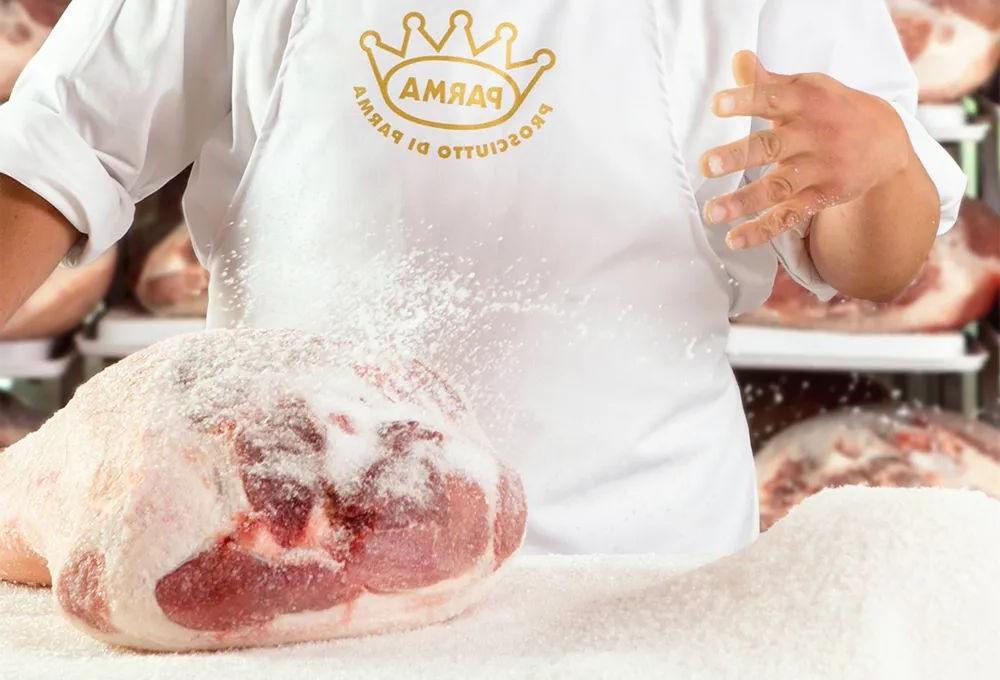
The process itself is a lesson in minimalist art. The fresh legs are massaged only with sea salt—no nitrates, no smoke, no shortcuts. They then begin a slow dance with the air in the pristine Parma valley.
A Dialogue with the Mountain Air
This is where geography becomes an ingredient. The unique microclimate of the Parma hills—with its dry, fragrant breezes—is the silent partner in curing. This gentle air allows producers to use less salt, resulting in a ham that is notably sweet and nuanced, not aggressively salty.
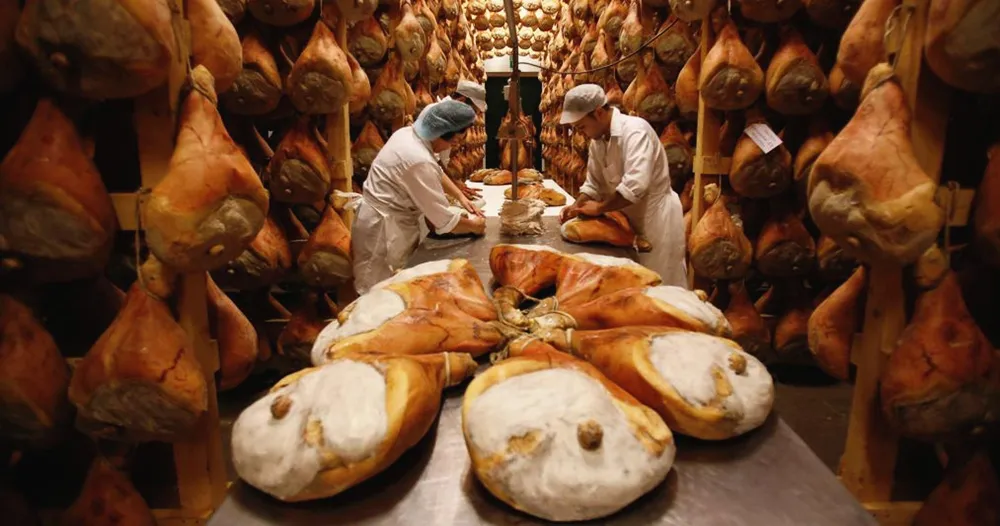
The journey is long. After an initial salt cure, the hams are washed, trimmed, and then left to age in vast, sun-dappled curing rooms for a minimum of 12 months, often much longer. They lose over a quarter of their weight, concentrating flavor into every silky slice.
The Crown’s Guarantee: PDO and the Horse Bone Test
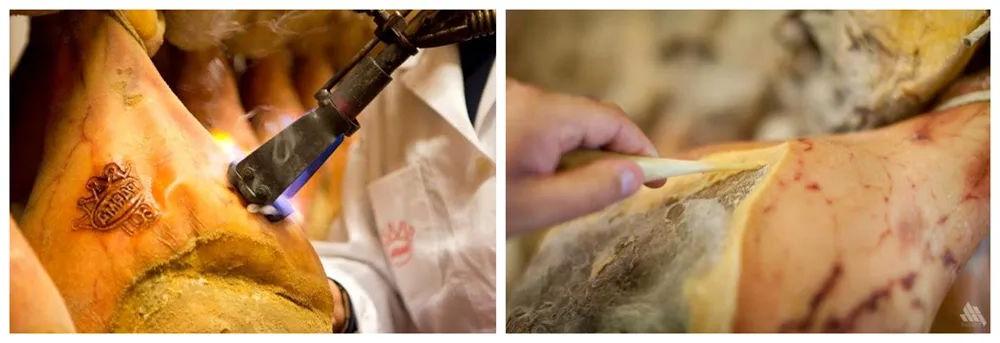
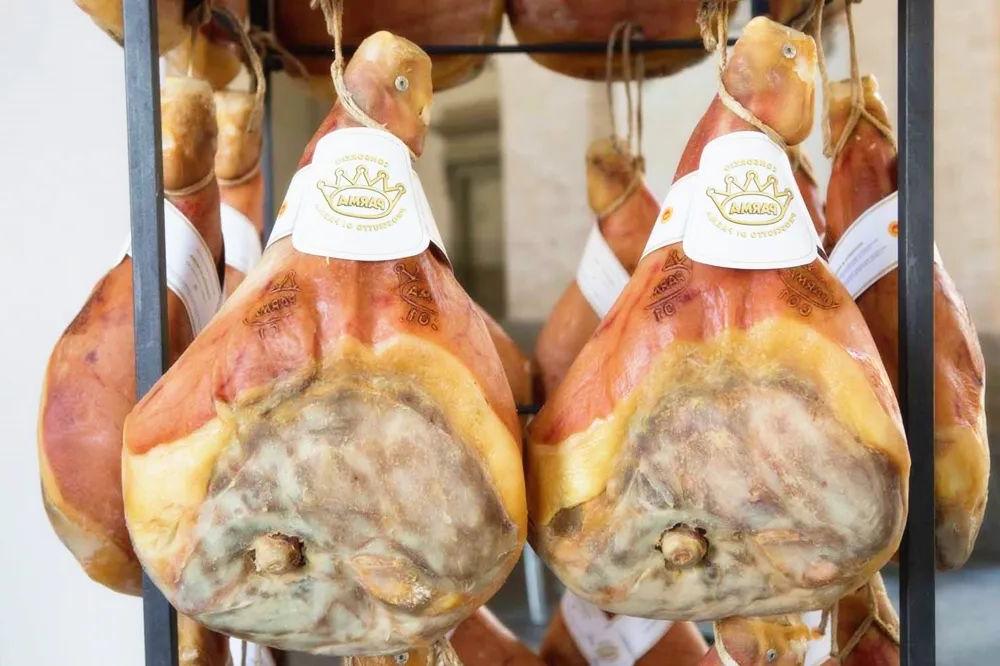
How do you know it’s the real deal? Look for the Prosciutto di Parma branding, a mark of its Protected Designation of Origin (PDO) status. This EU law guarantees every step happens in its native region.
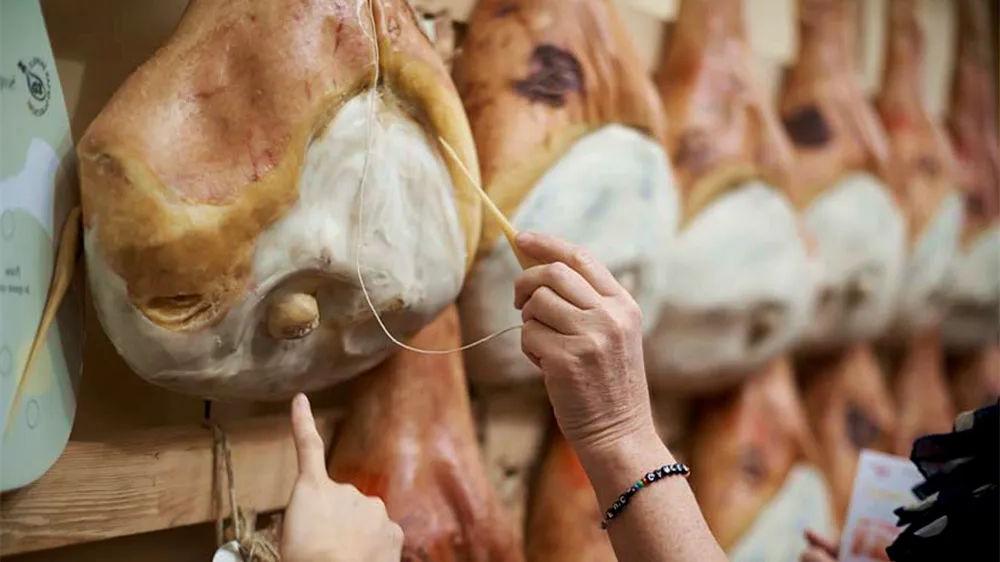
But the final test is pure poetry. Before earning its crown-shaped brand, a certified expert performs the ancient “horse bone needle test.” Using a slender needle made from horse bone (which doesn’t retain odors), they pierce the ham at key points, smell it, and assess the aroma. Only hams that pass this sensory exam receive the royal stamp of approval.
A Symphony of Flavor: Enjoying Prosciutto di Parma
Tasting the Craft
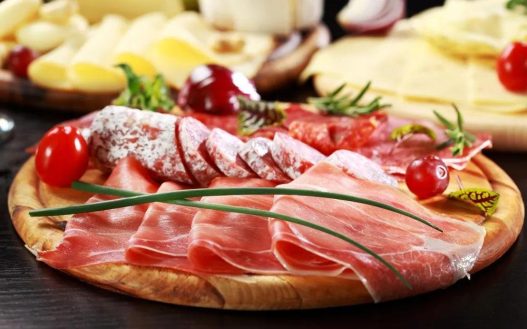
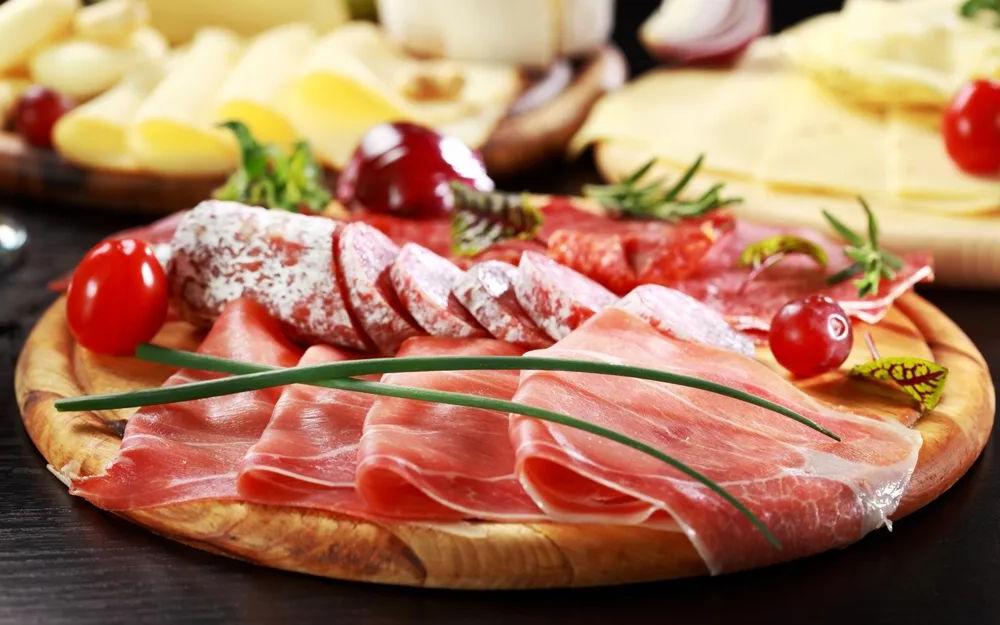
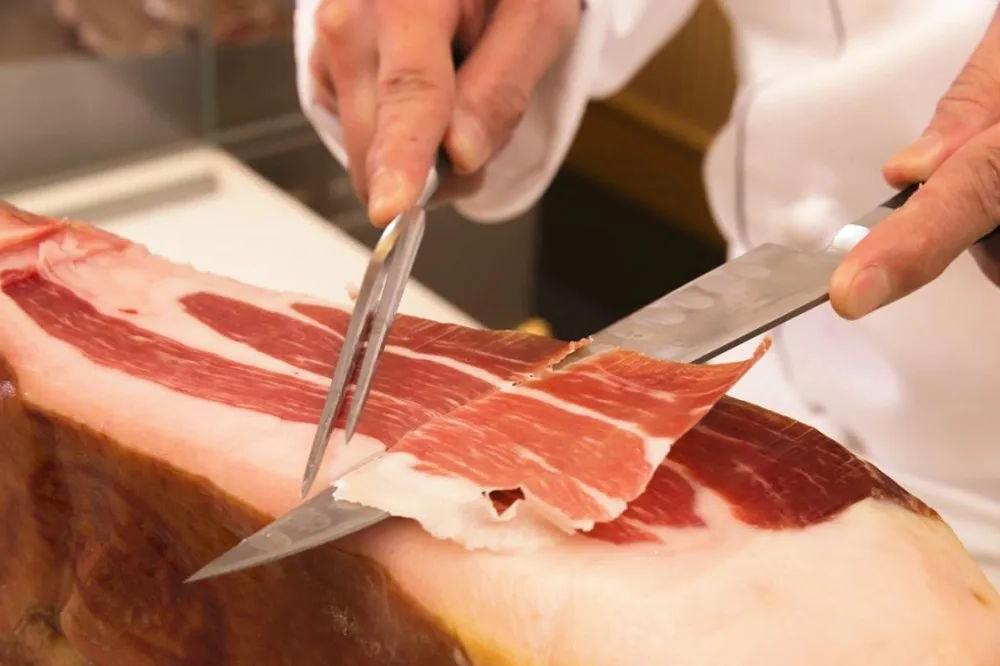
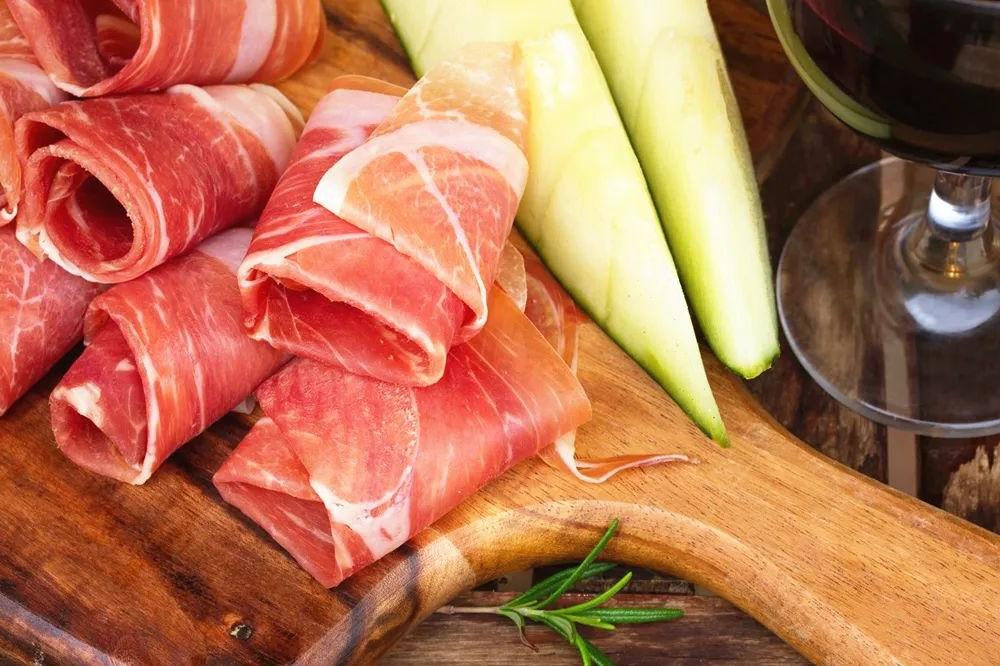
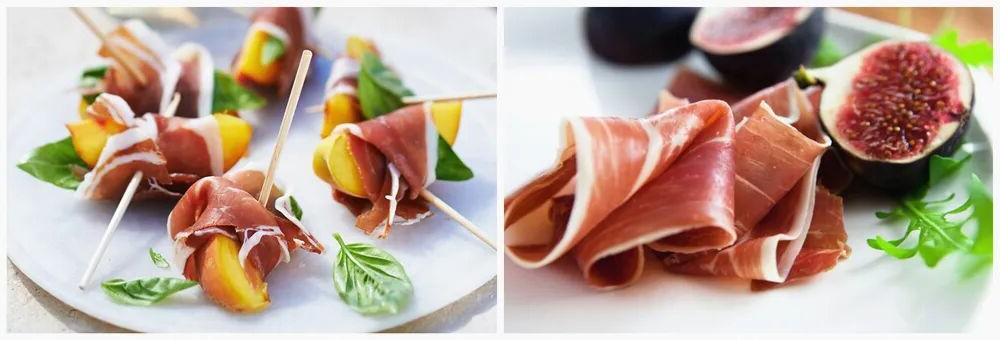
A perfectly sliced piece of Prosciutto di Parma is a work of art: rose-pink with pearly white seams of fat, thin enough to see through. Its flavor is surprisingly delicate—sweet, nutty, and buttery with a savory depth that lingers. It’s a flavor built by patience.
Iconic & Inventive Pairings
While sublime on its own, it truly sings with companions:
- The Classic: With ripe melone (cantaloupe) or fresh figs. The sweet, juicy fruit contrasts beautifully with the salty-sweet ham.
- The Simple: Draped over warm, fluffy breadsticks (grissini) or tucked into a fresh focaccia.
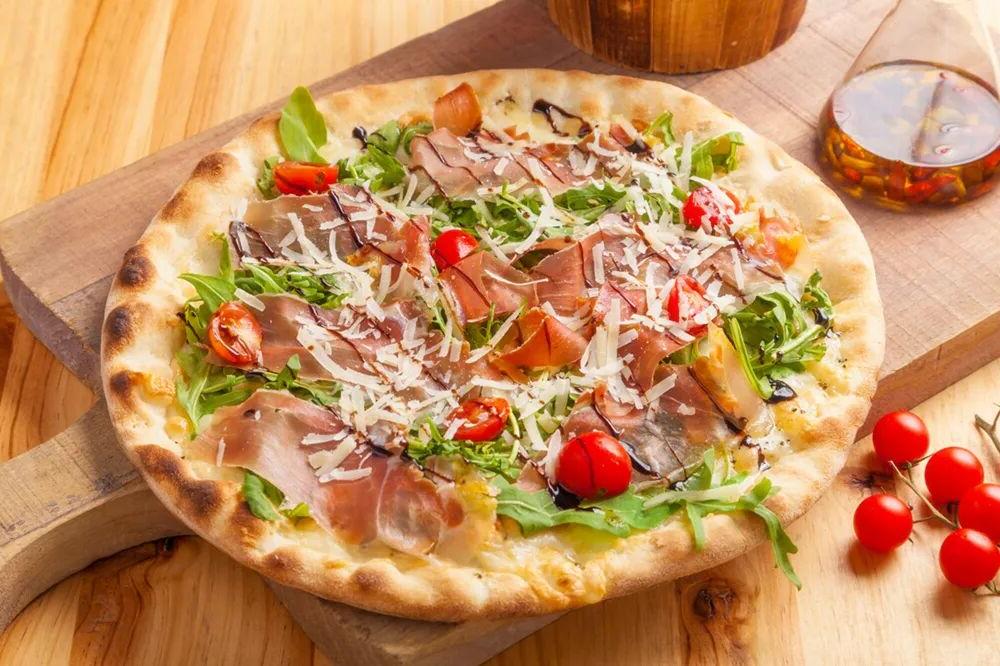
- The Hearty: As the crowning glory on a pizza after baking, paired with arugula and shavings of Parmigiano Reggiano.
- The Sophisticated: Wrapped around grissini or asparagus, or as the star of a luxurious charcuterie board.
A Surprising Nutritional Profile
This is a rich-tasting protein that aligns with modern eating. It’s high in digestible proteins, vitamins (like B1 and B6), and contains healthy unsaturated fats. A little delivers a lot of satisfaction and energy.
The Final Slice: Why It Stands Apart
Prosciutto di Parma is more than a ingredient; it’s an experience. It connects you to a specific sun-drenched valley, to centuries of artisanal knowledge, and to the simple, powerful alchemy of salt, air, and time. It proves that the finest foods are born not from complexity, but from purity and unwavering respect for tradition. Once you taste the difference the crown makes, there’s no going back.