




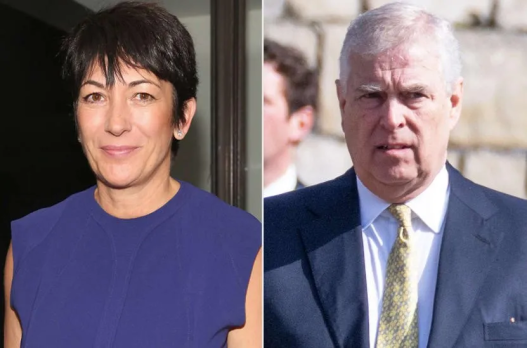
In recent months, fresh allegations surrounding Prince Andrew, Duke of York have continued to surface, each more astonishing than the last. The stories paint a troubling picture of entitlement and secrecy inside the walls of Buckingham Palace.
A Massage at Buckingham Palace
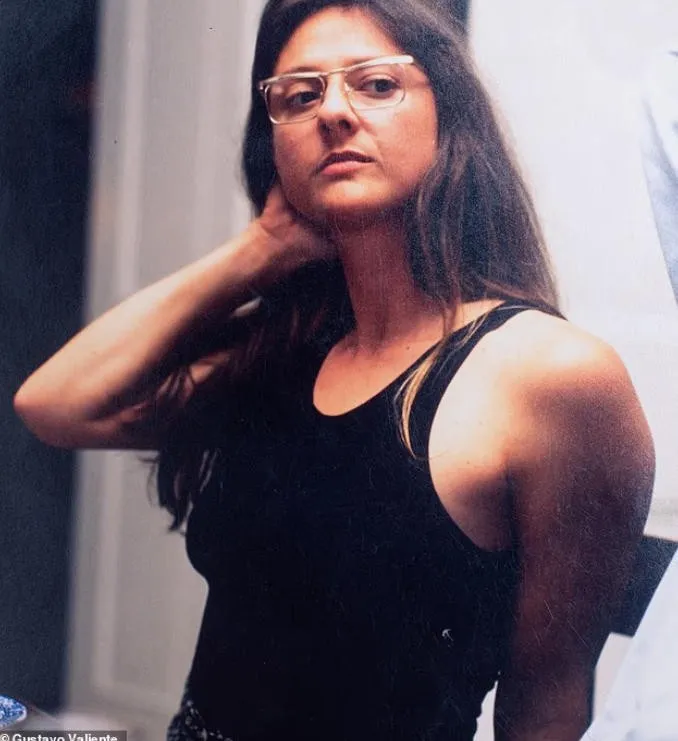
One of the most eye catching claims comes from Monique Giannelloni, a South African massage therapist who once worked with high profile clients in Britain. She said that in June 2000, she was unexpectedly drawn into a world she barely understood.
According to her account, she was first contacted by the secretary of Ghislaine Maxwell in New York. Maxwell, later convicted of sex trafficking offenses connected to Jeffrey Epstein, had somehow obtained her contact details. 
Giannelloni recalled visiting Maxwell and Epstein at a property in New York. During one visit, she overheard them discussing plans to spend around 20 million pounds on purchasing a private island. The island was widely believed to be linked to Epstein’s later notoriety. At the time, she found the conversation strange but did not grasp its full significance.
Maxwell allegedly told her she would soon introduce her to someone “more famous than God.” That person, she later discovered, was Andrew.
Shortly afterward, she received a call from a staff member of the Duke of York, inviting her to Buckingham Palace to provide a massage. Andrew, formally known as the Duke of York, was then a prominent member of the British royal family.
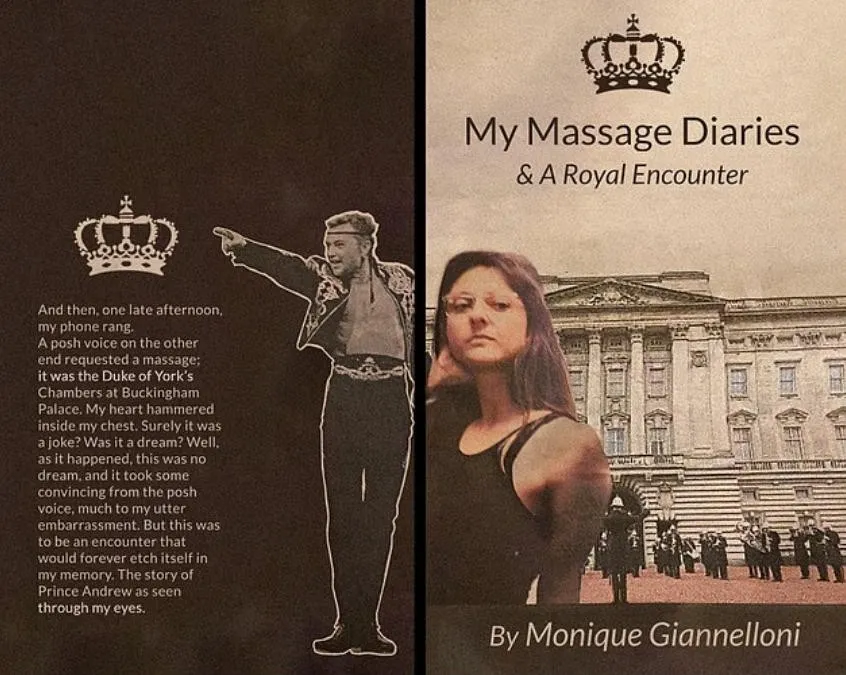
When she arrived at the palace, she was escorted to his room without undergoing any security checks. She said she only realized upon entering that he intended to receive the massage completely nude.
She described feeling deeply uncomfortable when he emerged from the bathroom unclothed. However, she maintained that apart from the initial awkwardness, the session itself proceeded normally. She described him as polite and gentlemanly during the treatment.
Who Paid the Bill
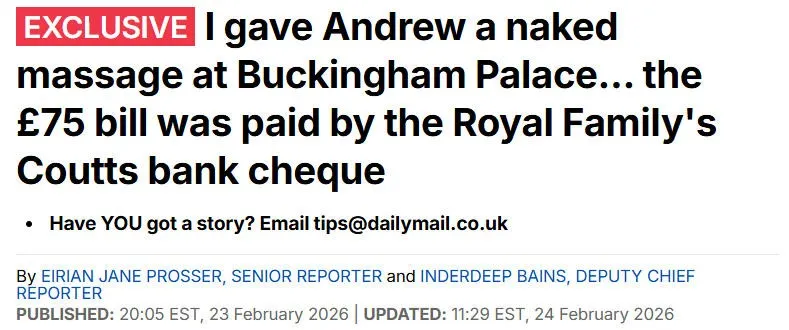
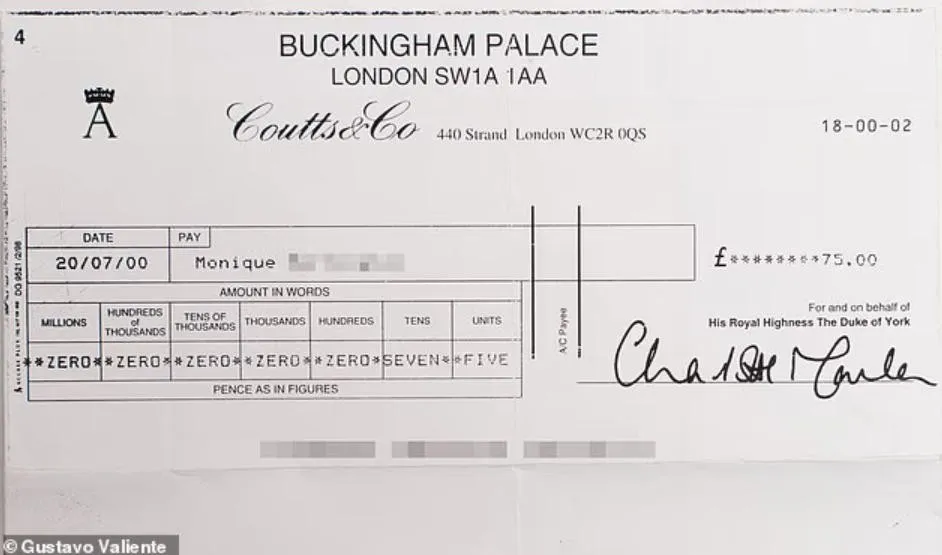
The controversy did not end with the massage. After the session, Giannelloni was reportedly paid 75 pounds. The payment was signed off by Charlotte Manley, then Andrew’s private secretary.
The money came from an account held by the royal household at Coutts. This detail raised questions about whether a private service had been funded through royal resources.
Members of the monarchy receive income from several sources, including the Sovereign Grant funded by taxpayers. Additional revenues come from the Duchy of Lancaster and the Duchy of Cornwall. The distinction between public and private spending has long been sensitive in the United Kingdom.
Two former civil servants later alleged that during Andrew’s tenure as the United Kingdom Special Representative for International Trade and Investment, personal expenses such as massages and luxury travel were quietly passed on to taxpayers.
Buckingham Palace previously denied wrongdoing. In a statement issued when Andrew stepped down from his trade envoy role in 2011, it said he had reimbursed all personal expenses incurred during official travel. The conflicting accounts deepened public skepticism.
Late Night Guests and Security Clashes
Separate allegations involve late night visits by unidentified women to Buckingham Palace. Paul Page, a former royal protection officer who served between 1998 and 2004, described incidents that allegedly revealed Andrew’s temper.
On one occasion, a young woman reportedly arrived at the palace late at night and demanded entry to his private quarters. When security staff insisted on standard checks, tensions escalated.
According to Page, Andrew phoned the gate and berated a guard who had delayed the guest’s entry. Despite lacking proper security clearance, the woman was eventually allowed inside. Page later described Andrew as a bully and claimed he was deeply unpopular among security staff.
It was also reported that Andrew sometimes used coded language to bring women into the palace without formal screening. Guards allegedly felt powerless to challenge him, fearing professional consequences.
Fallout After the Epstein Scandal
Andrew’s association with Epstein, a financier later charged with sex trafficking who died in custody in 2019, severely damaged his public standing. His widely criticized 2019 interview with BBC Newsnight intensified scrutiny and public backlash.
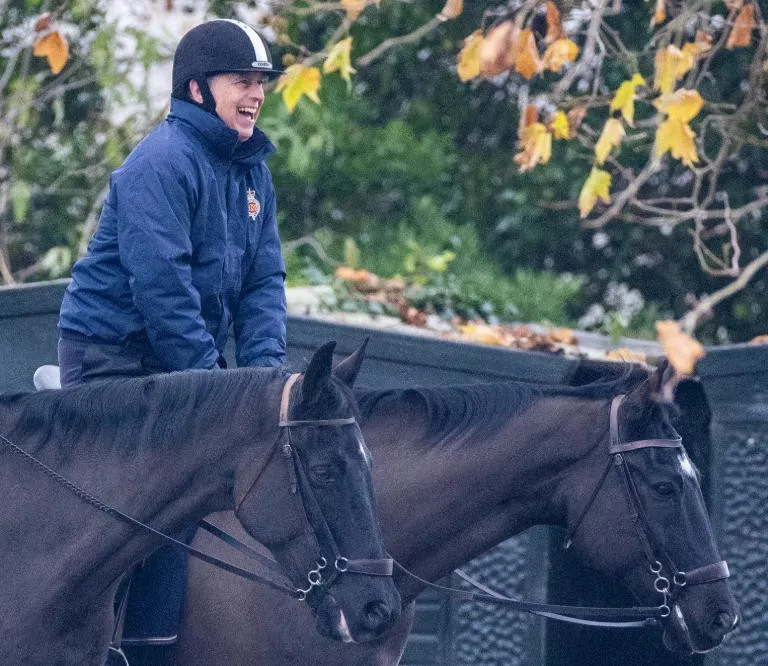
In the years since, he has stepped back from public duties and lost military titles and royal patronages. Reports suggest that he has faced further personal setbacks and increasing isolation.
Today, the once prominent prince lives a far quieter life. He reportedly spends much of his time at Wood Farm near the Sandringham Estate, accompanied mainly by his dogs, including corgis that once belonged to Elizabeth II.
As new revelations continue to emerge, public fascination shows no sign of fading. Whether retreating from public view or confronting mounting criticism, Andrew remains a figure overshadowed by scandal and controversy.