





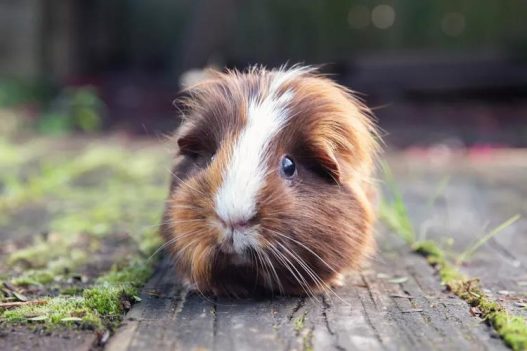
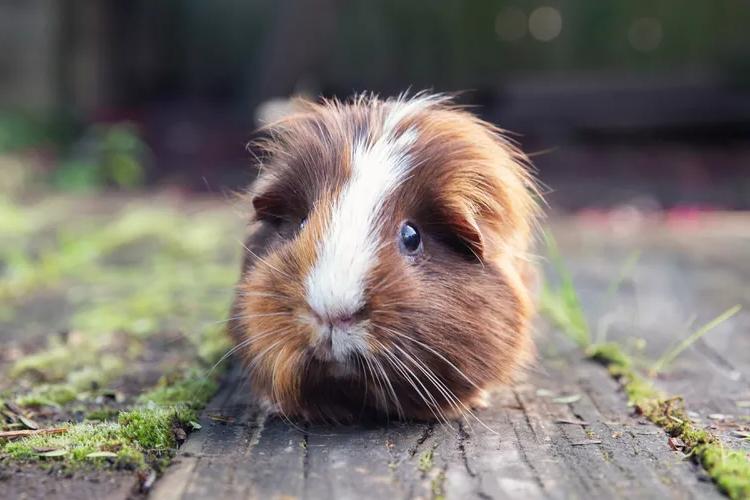
Guinea pigs are adorable, gentle little pets, but bringing one home is a bigger responsibility than many people expect. Before you fall for those tiny paws and squeaky sounds, here’s everything you need to know to make sure you’re truly ready.
01. Guinea Pigs Are a Long-Term Commitment
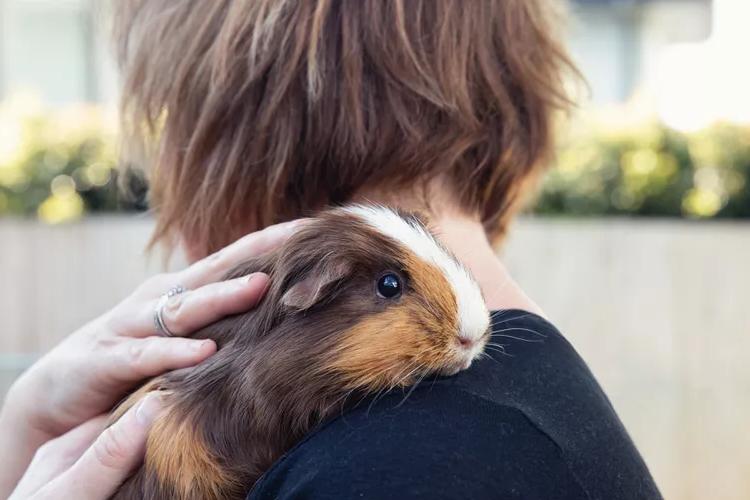
Even though they don’t live as long as a cat or dog, guinea pigs still require years of care. On average, they live five to seven years, and some live even longer. That means daily feeding, cleaning, and attention for many years — not just a short-term pet experiment.
02. Guinea Pigs Are Extremely Social
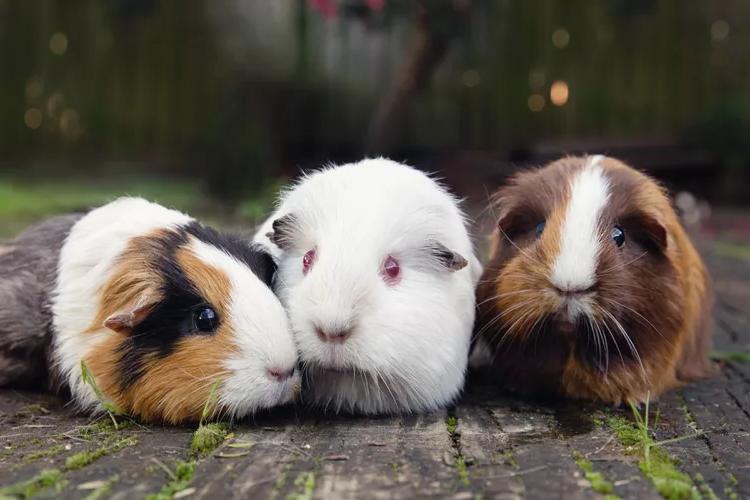
Guinea pigs are herd animals and thrive with companionship. Keeping two of the same sex together is strongly recommended to prevent loneliness (and surprise babies). Both male and female pairs can live happily together when properly introduced. 
There are also many breeds, including the Texel guinea pig, Peruvian guinea pig, Abyssinian guinea pig, American guinea pig, and the nearly hairless Skinny pig.
Just like people, personalities differ. Some guinea pigs bond instantly, while others need slow, careful introductions.
03. They Need Much More Cage Space Than You Think
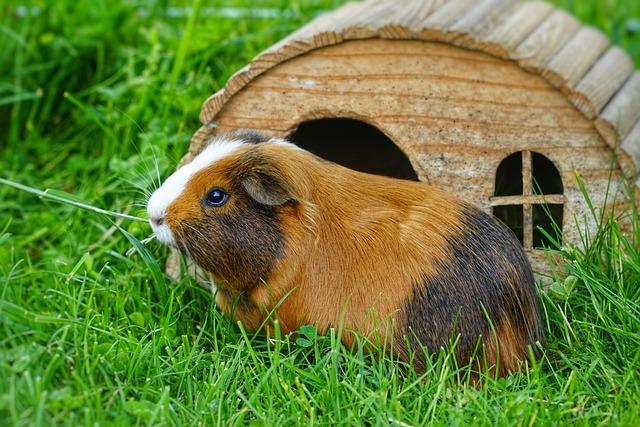
Most store-bought cages labeled for guinea pigs are far too small, especially for pairs. These animals need plenty of floor space to move around.
DIY cages are actually very popular because guinea pigs aren’t big climbers or escape artists. No matter the setup, cages should be cleaned weekly, with daily spot cleaning and constant access to fresh food and water.
04. Guinea Pigs Are Quiet… But Not Silent
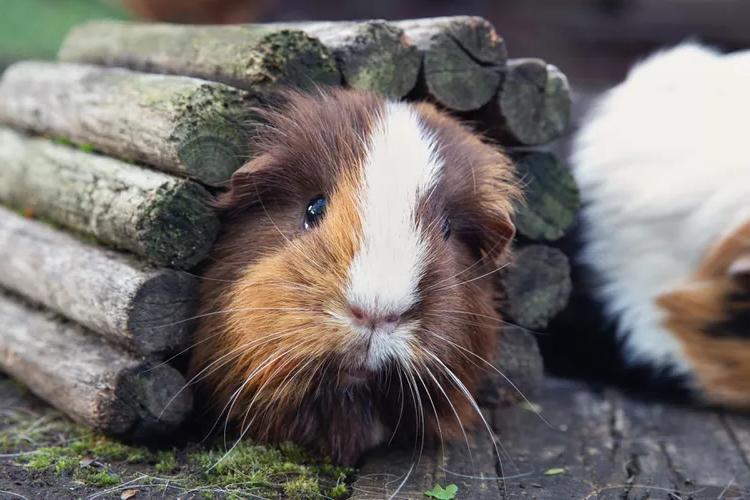
Guinea pigs have an impressive range of vocal sounds — about 11 distinct noises. The most famous is “wheeking,” a high-pitched whistle usually heard when food is coming.
A soft purring sound often means contentment, while hissing, whining, or teeth chattering can signal irritation or stress. If frightened, they may even let out a sharp squeal. They aren’t as loud as dogs, but they definitely have opinions!
05. They’re Usually Easy to Tame
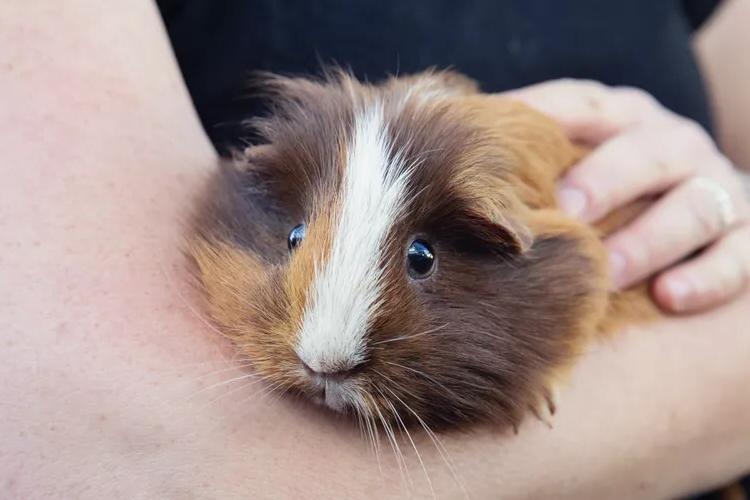
At first, guinea pigs may seem shy or nervous. With gentle, consistent handling, though, they usually become friendly and comfortable around humans. They rarely bite, but children should always be supervised to ensure calm, careful interaction.
06. Guinea Pigs MUST Have Vitamin C
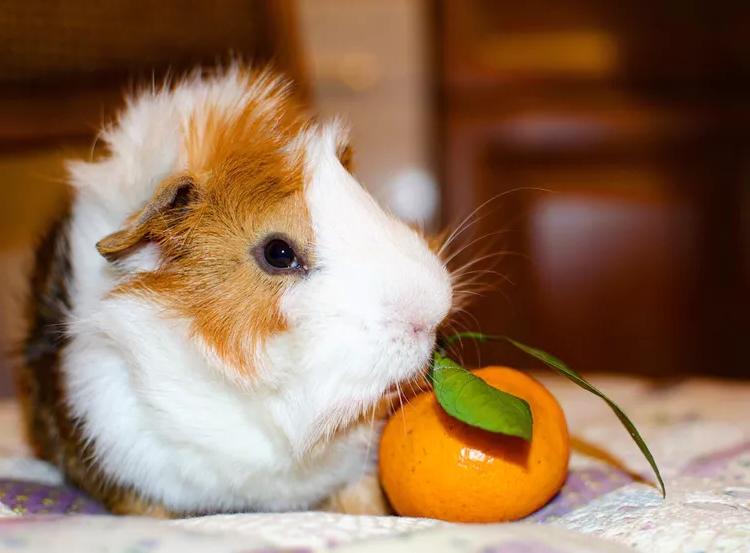
Like humans, guinea pigs can’t produce their own vitamin C. Without enough, they can develop scurvy, which is dangerous.
A balanced diet with fresh vegetables and high-quality pellets is essential. Many owners also provide vitamin C tablets, which are more reliable than adding drops to drinking water.
07. Many Guinea Pigs Need Homes
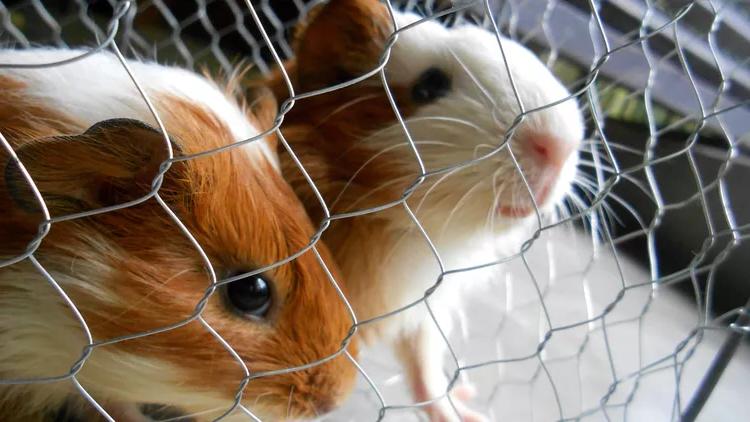
Before buying from a store, check animal shelters or rescues. Many guinea pigs end up there and are waiting for a second chance. Rescue guinea pigs are often already socialized and can bond with new owners quickly.
08. Guinea Pigs Are Surprisingly Active
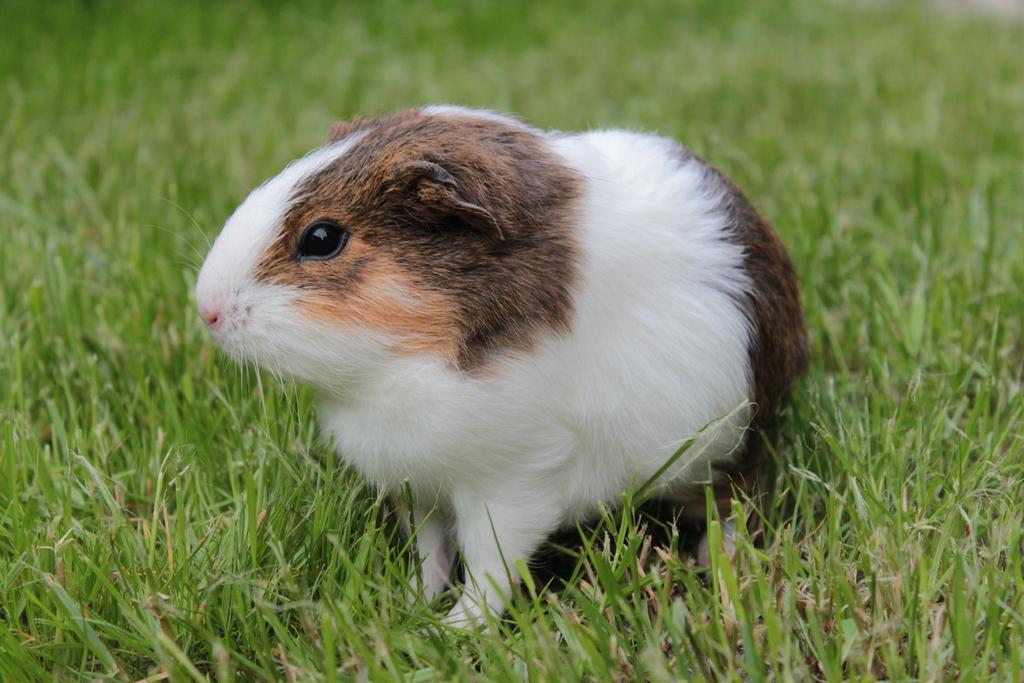
These small animals are awake and moving around for much of the day. They need space to run, explore, and interact. Unlike hamsters, they don’t use exercise wheels. Safe, supervised time outside the cage is important for both exercise and mental stimulation.
09. They Love to Hide
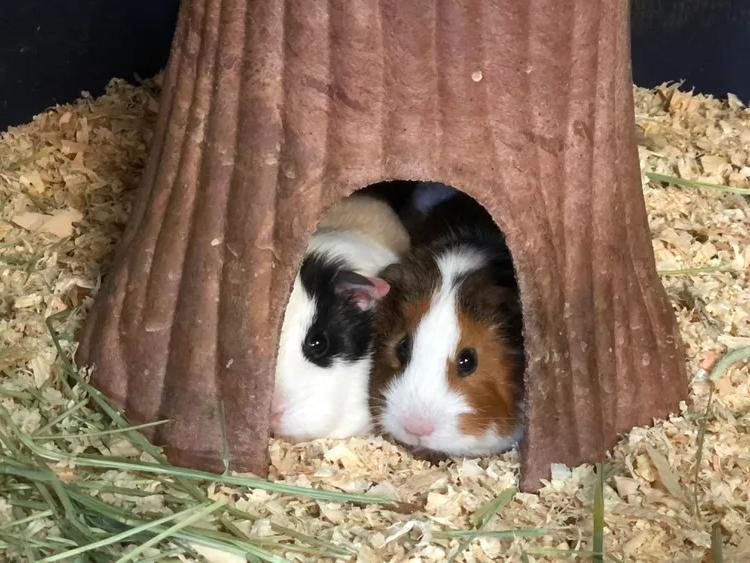
Guinea pigs are prey animals by nature, so hiding makes them feel safe. Their enclosure should include hideouts, tunnels, and shelters where they can retreat whenever they want. Feeling secure reduces stress and keeps them healthier.
10. They’re Curious Explorers
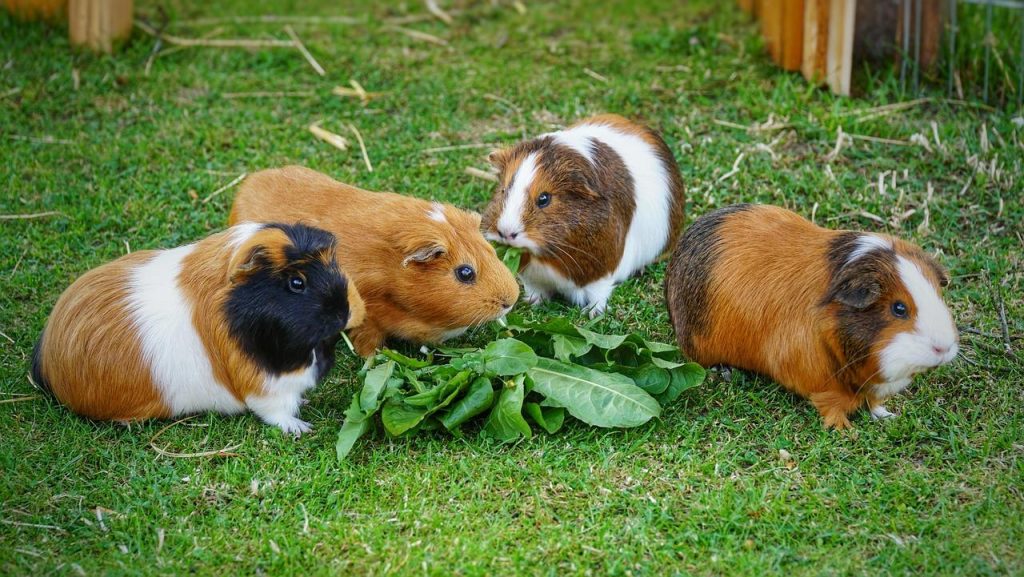
Guinea pigs have excellent hearing and a strong sense of smell. Because of their eye placement, they can even see somewhat above and behind themselves. Enrichment items in and out of the cage help them safely explore their world.
11. They’re Smarter Than You Think
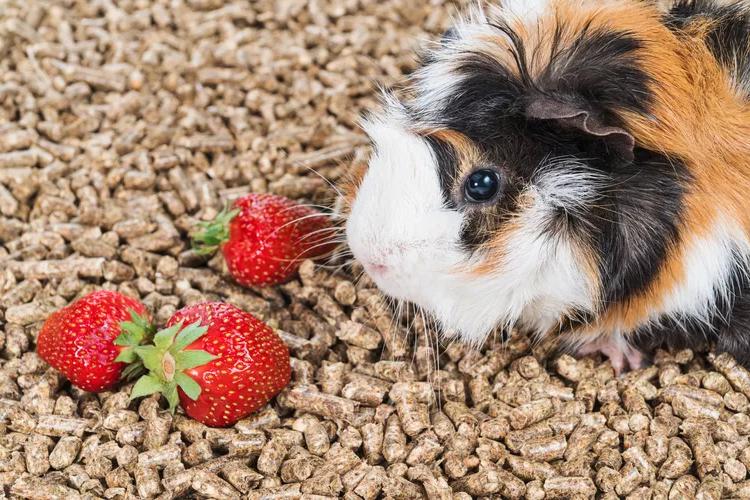
These little rodents are quite intelligent and can get bored easily. Toys, tunnels, ramps, and foraging games that hide treats help keep their minds active and prevent behavioral issues.
12. Grooming Still Matters
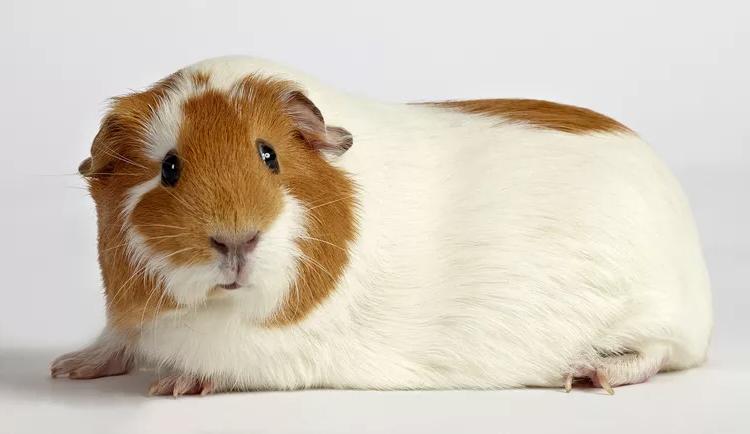
Guinea pigs usually keep themselves clean, but occasional baths may be necessary. Use warm water, guinea pig–safe shampoo, and dry them thoroughly afterward to prevent chills.
Regular brushing, especially for long-haired breeds, helps prevent mats and skin problems.
13. They Can Be Prone to Health Problems
Guinea pigs can develop issues like dental disease, respiratory infections, digestive disorders, skin conditions such as bumblefoot, and vitamin deficiencies. A high-fiber diet, clean habitat, and regular observation help catch problems early.
Owning a guinea pig can be a joyful, rewarding experience — but only when you’re prepared. With the right care, space, diet, and companionship, these gentle little animals can become loving members of your family for years.