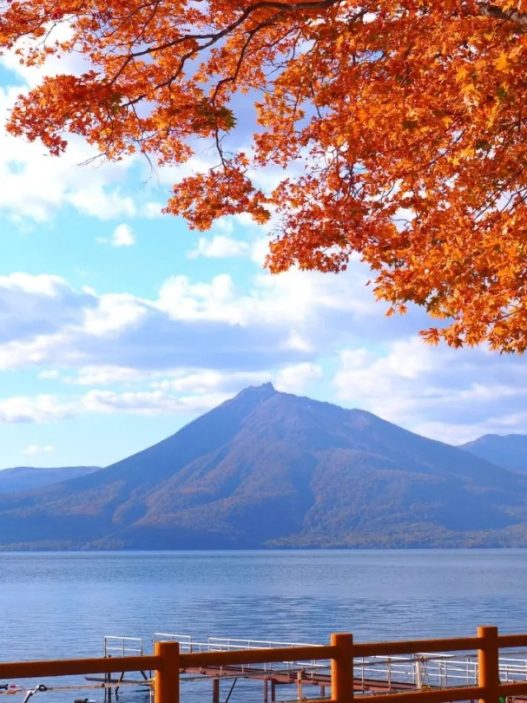








Russia has always held a special place on the world travel map. Vast, dramatic, and deeply layered, it offers grandeur that rivals Europe—yet feels more mysterious and untamed.
If Russia were a great epic, Moscow and Saint Petersburg would be its opening chapters. One represents power, tradition, and resilience; the other embodies elegance, art, and poetic romance. Together, they form the perfect starting point for understanding the soul of Russia.
Moscow: Where Power Meets Culture
Standing at the crossroads of Europe and Asia, Moscow is bold, complex, and constantly evolving. Golden Orthodox domes rise beside Soviet monuments, while contemporary art spaces coexist with imperial palaces. 
Every season reveals a new side of the city. Winter transforms Moscow into a snow-covered fairy tale; spring and summer invite long walks along riverbanks and museum-hopping; autumn paints the city in warm gold, softening its monumental architecture.
Red Square: The Heart of Russia
Red Square is far more than Moscow’s geographic center—it is a living archive of Russian history. From tsarist ceremonies to Soviet parades and modern celebrations, countless defining moments unfolded here.
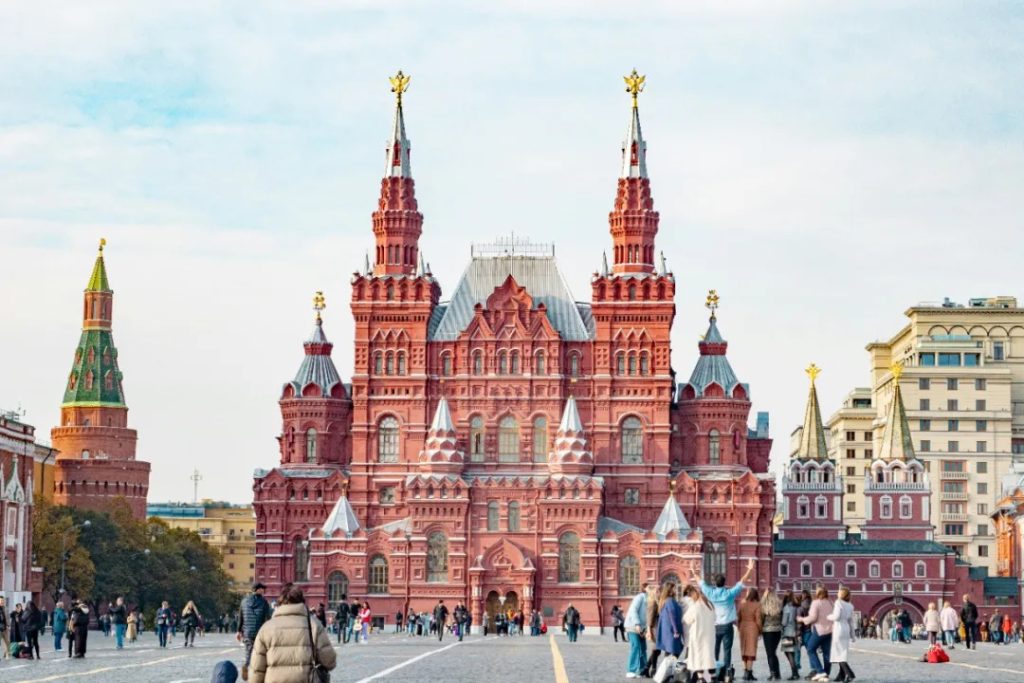
Surrounded by icons like Saint Basil’s Cathedral and the red walls of the Kremlin, standing in the square feels like stepping inside a three-dimensional history book.
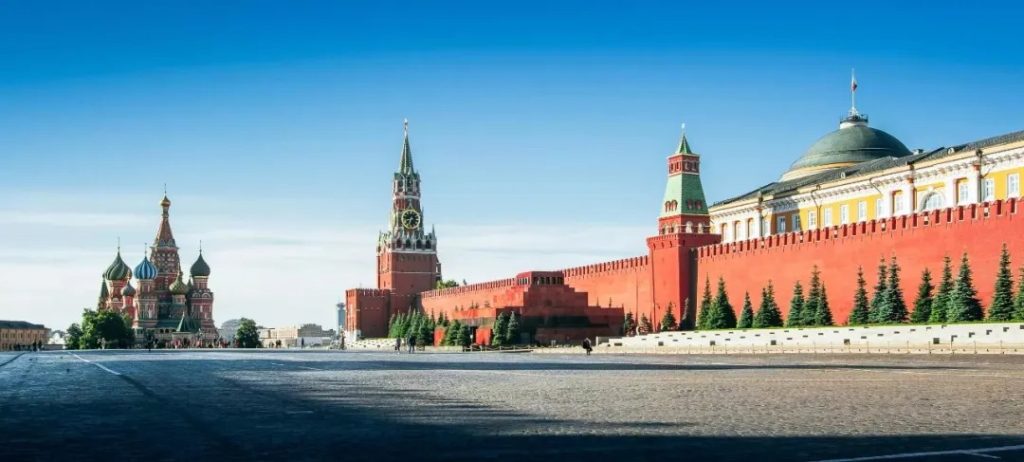
Saint Basil’s Cathedral: A Vision in Color
With its vibrant onion domes, Saint Basil’s Cathedral is Moscow’s most recognizable landmark. Built in the 16th century, its fairy-tale appearance has inspired legends—most famously, that Ivan the Terrible blinded its architect to ensure no rival masterpiece would ever exist.
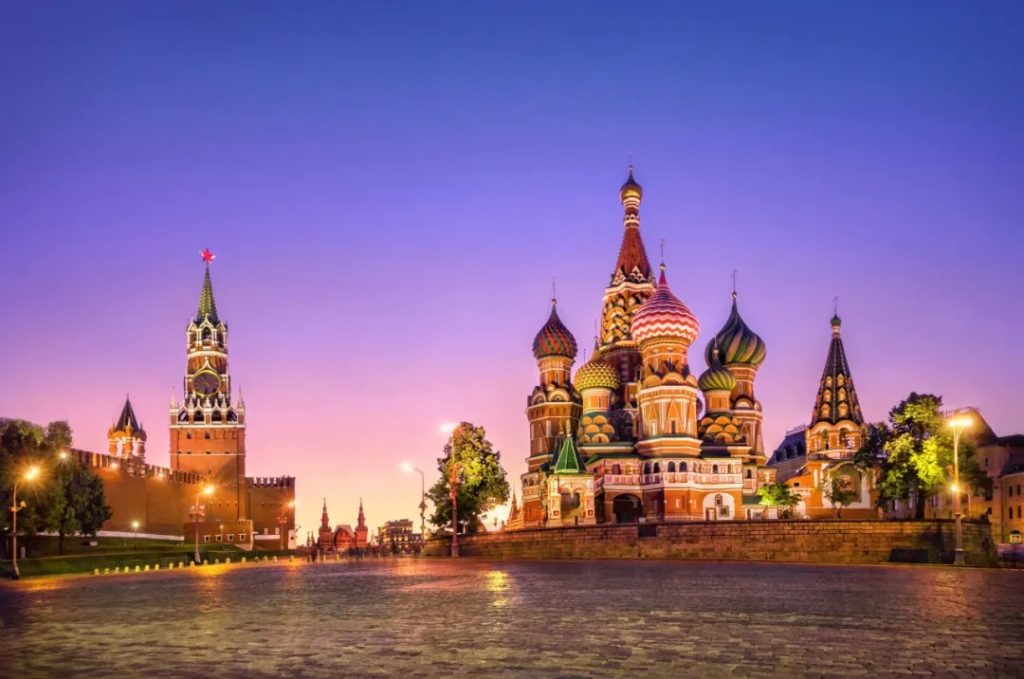
At sunset, the cathedral glows in warm light, making it a favorite subject for photographers worldwide.
Bolshoi Theatre: The Soul of Russian Ballet
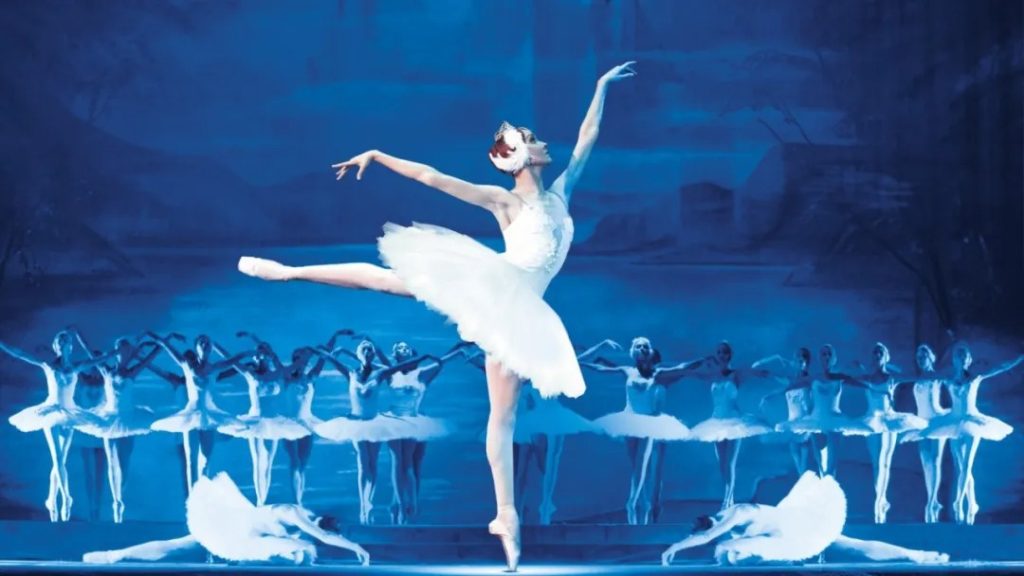
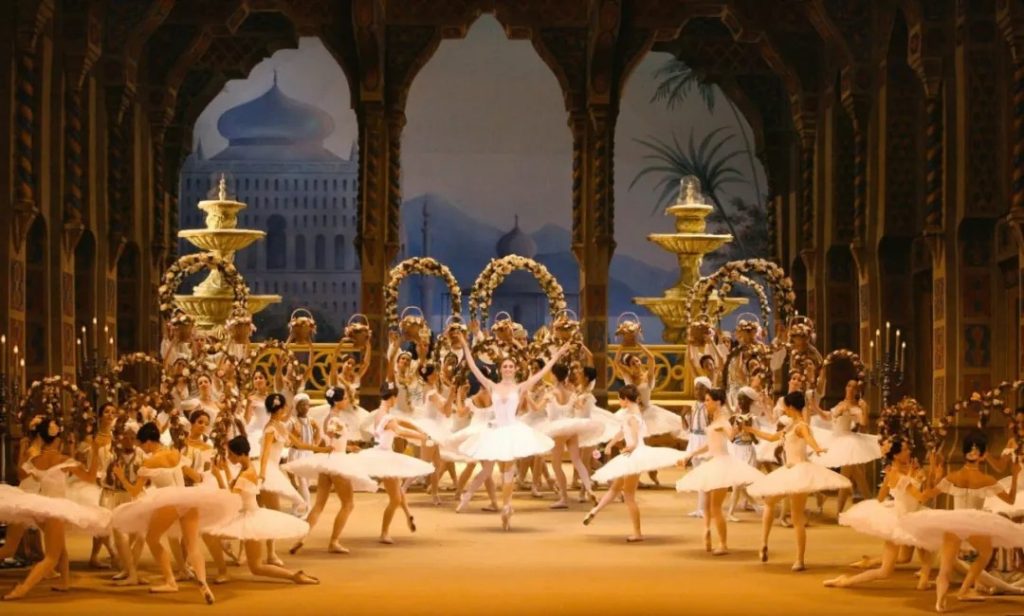
The Bolshoi Theatre is a global symbol of artistic excellence. Even for those unfamiliar with ballet, witnessing a performance here is unforgettable.
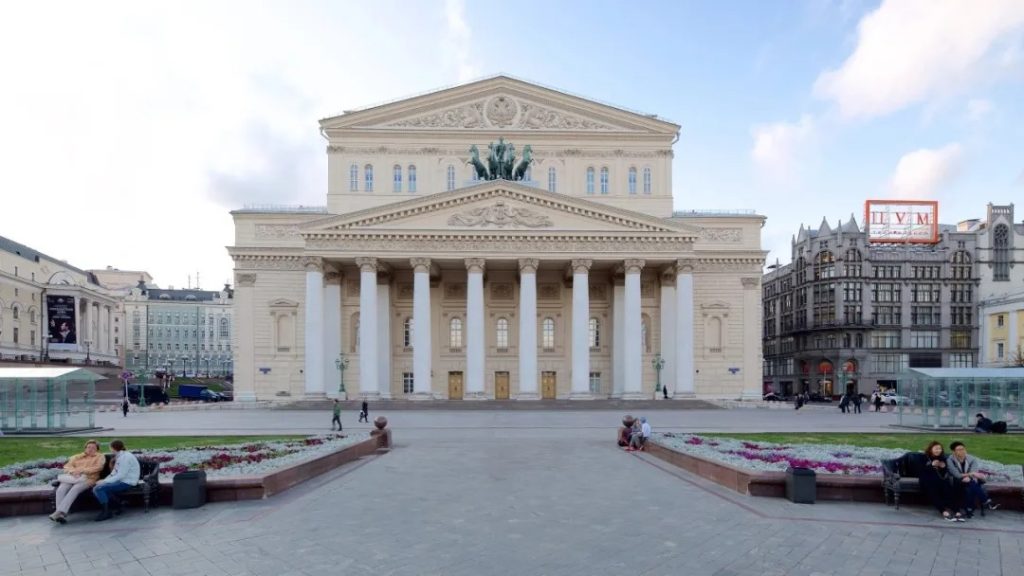
From Swan Lake to The Nutcracker, the productions represent the height of Russian classical tradition. The crimson interiors, gilded balconies, and grand chandeliers make the theater itself a work of art—especially magical in winter.
The Kremlin: A City Within a City
A UNESCO World Heritage Site, the Kremlin is Russia’s political and spiritual core. Within its fortified walls lie cathedrals, palaces, and museums that span centuries.
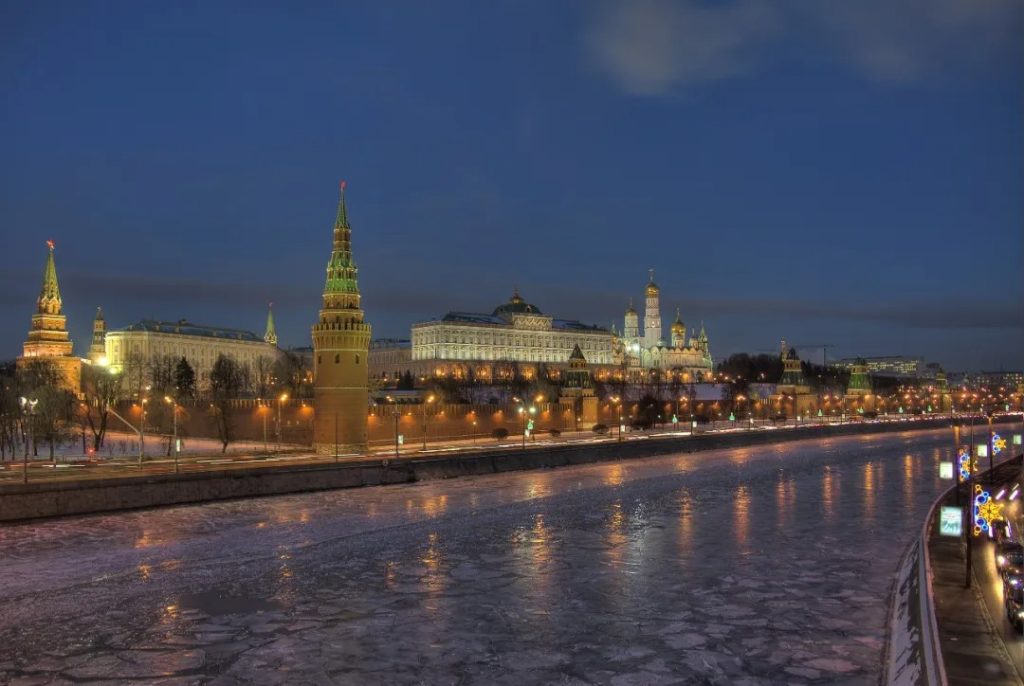
From golden-domed churches to the Armoury Chamber filled with imperial treasures, every corner tells a story. On clear days, views from the Ivan the Great Bell Tower reveal Moscow’s striking contrast between old and new.
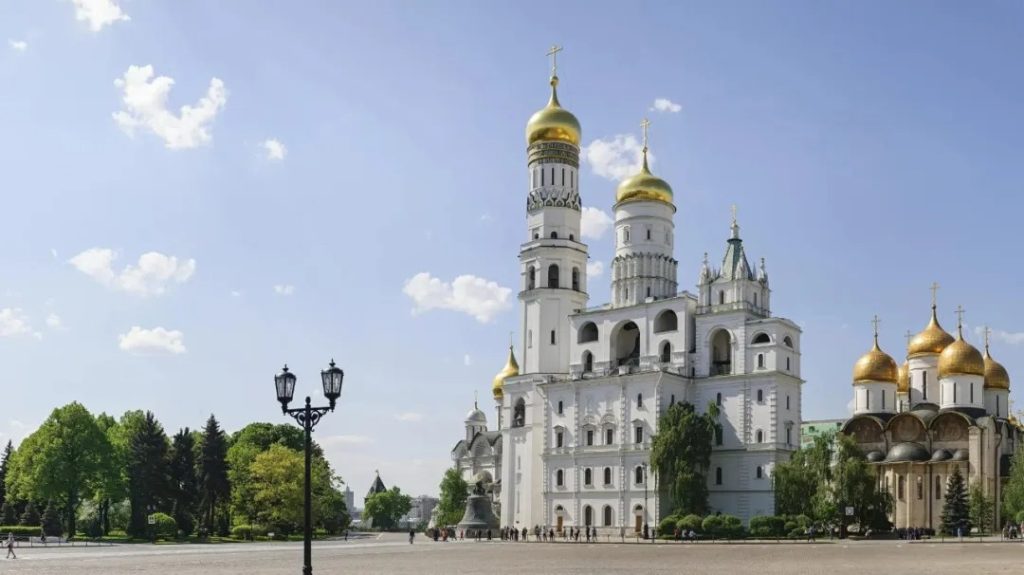
State Historical Museum: Walking Through Time
Located on Red Square, the State Historical Museum houses artifacts tracing Russia’s journey from ancient tribes to modern statehood.
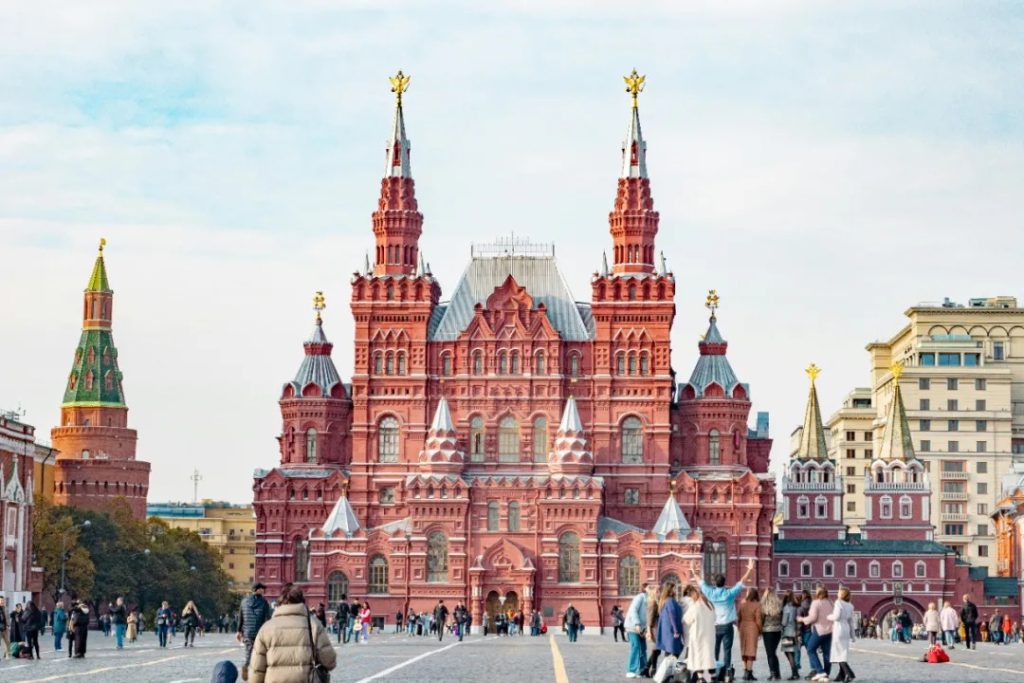
Jewelry, manuscripts, weapons, and traditional costumes offer a powerful overview—perfect for travelers eager to understand Russia beyond surface impressions.
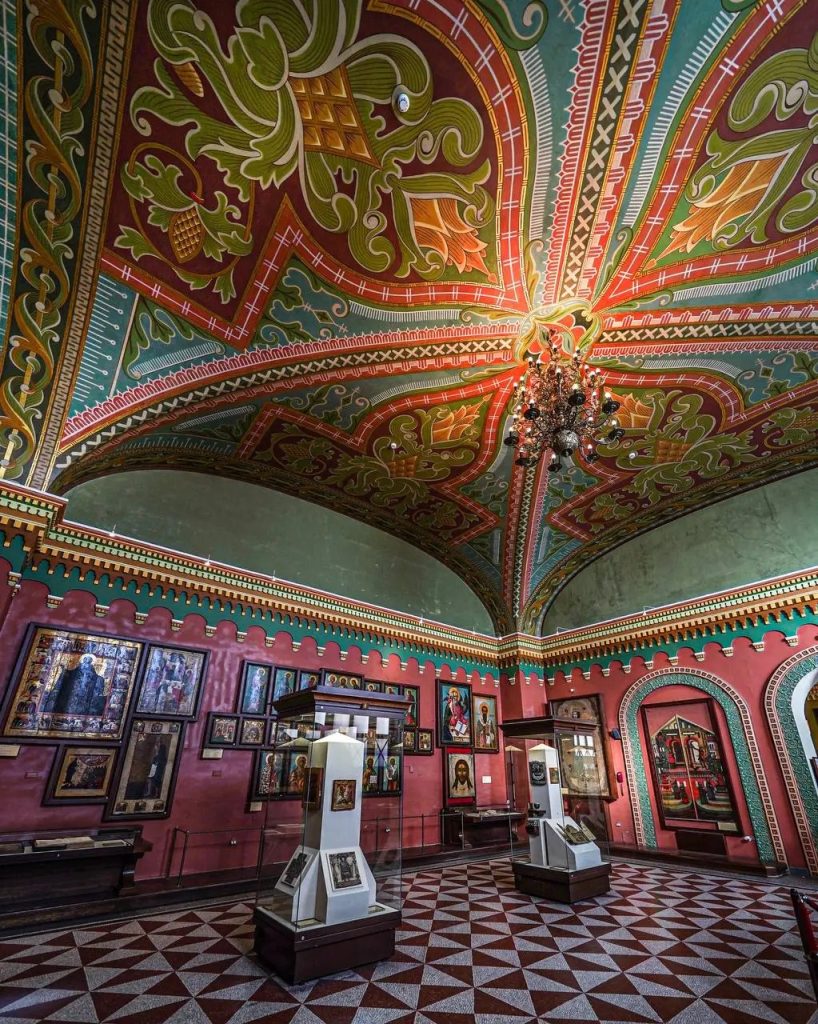
Pushkin’s Moscow: Literature and Legacy
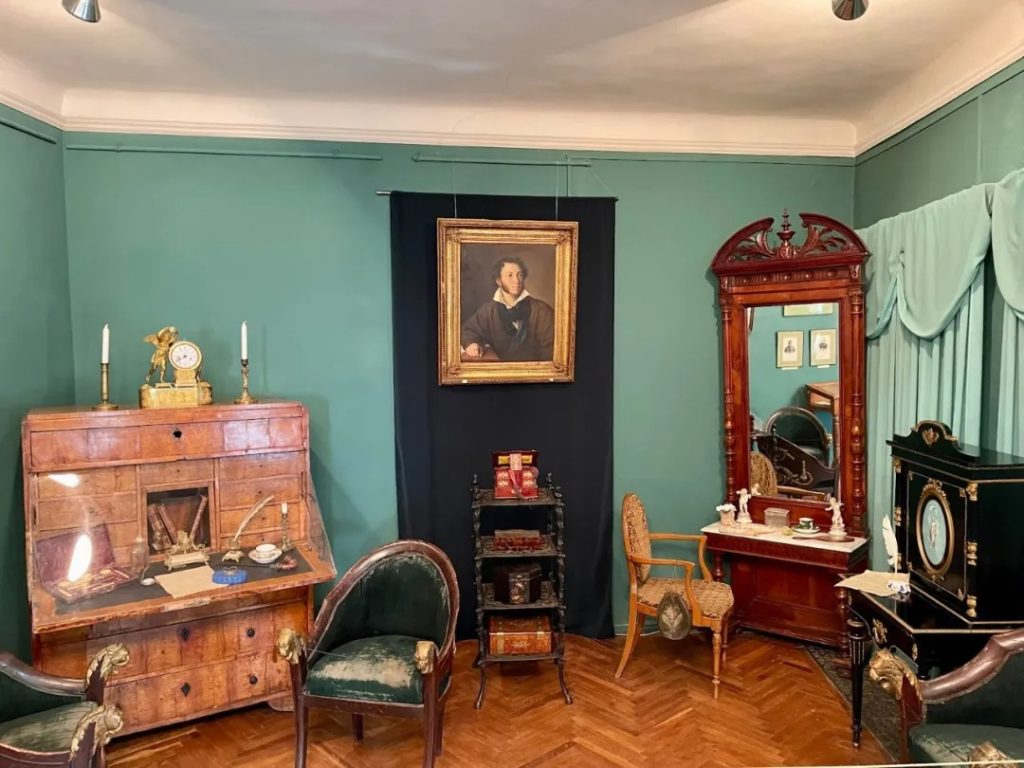
The Pushkin Museum Apartment preserves the intimate world of Russia’s greatest poet. Original furniture, handwritten drafts, and 19th-century décor make his presence feel remarkably alive.
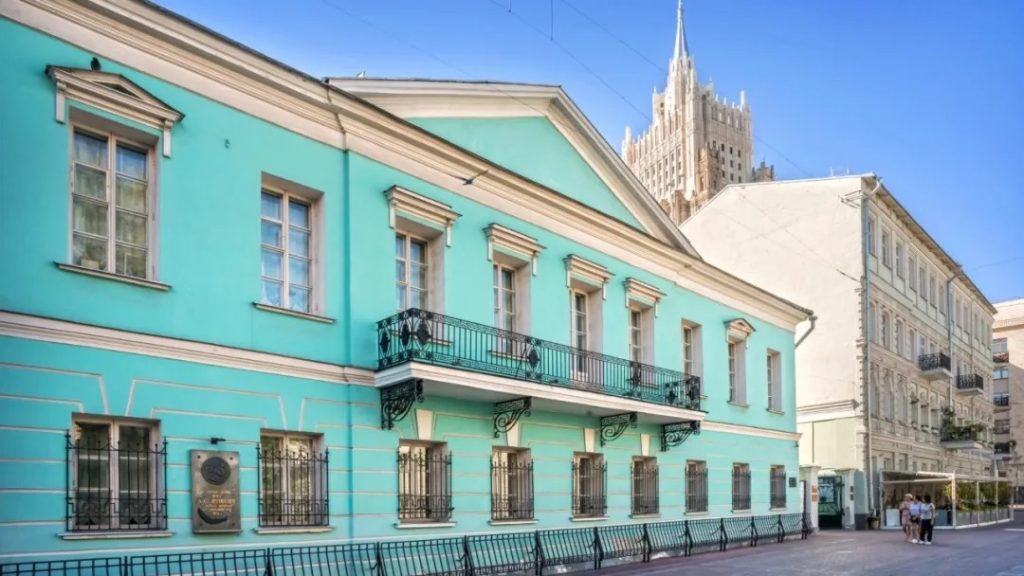
Nearby, the legendary Café Pushkin delivers a refined taste of aristocratic Russia. Dining here is as much about atmosphere as cuisine—an exercise in elegance and ritual.
Moscow Metro: Art Beneath the Streets
Often called the world’s most beautiful subway system, the Moscow Metro transforms daily transport into an artistic experience.
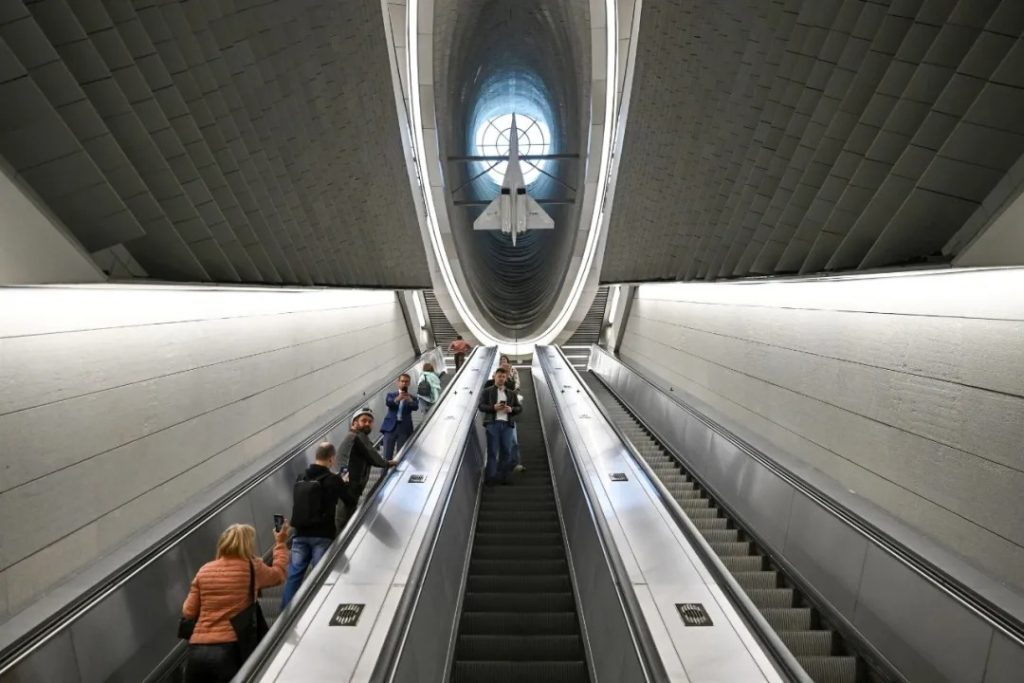
- Pykhtino Station features a suspended Tupolev Tu-144 model, creating the illusion of flight beneath a starry ceiling.
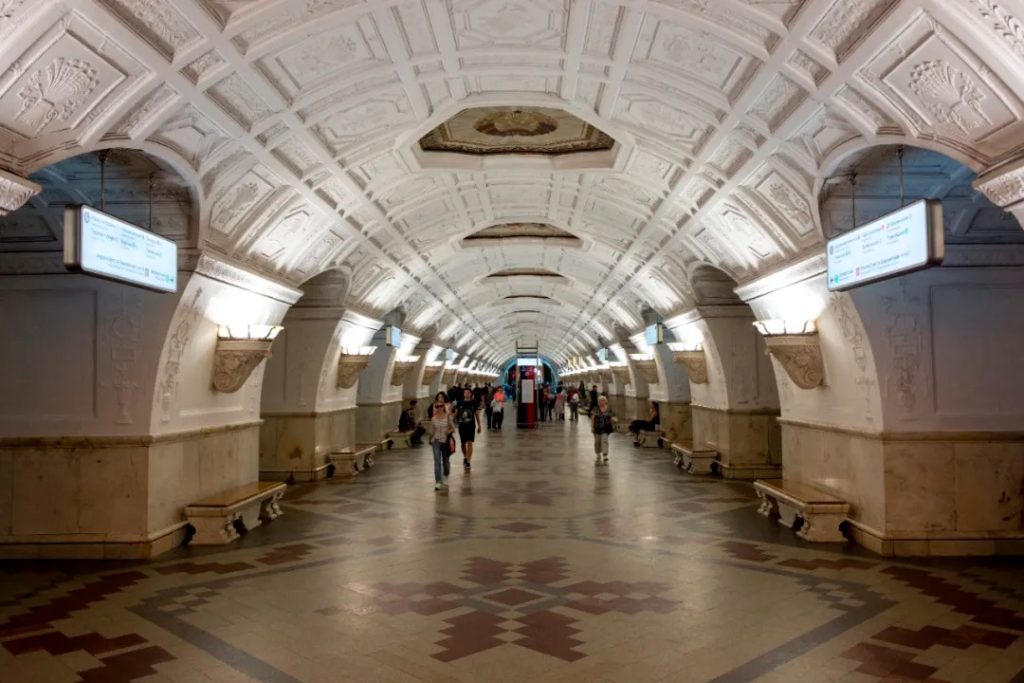
- Belorusskaya Station celebrates Slavic heritage through marble arches and folk-inspired reliefs.
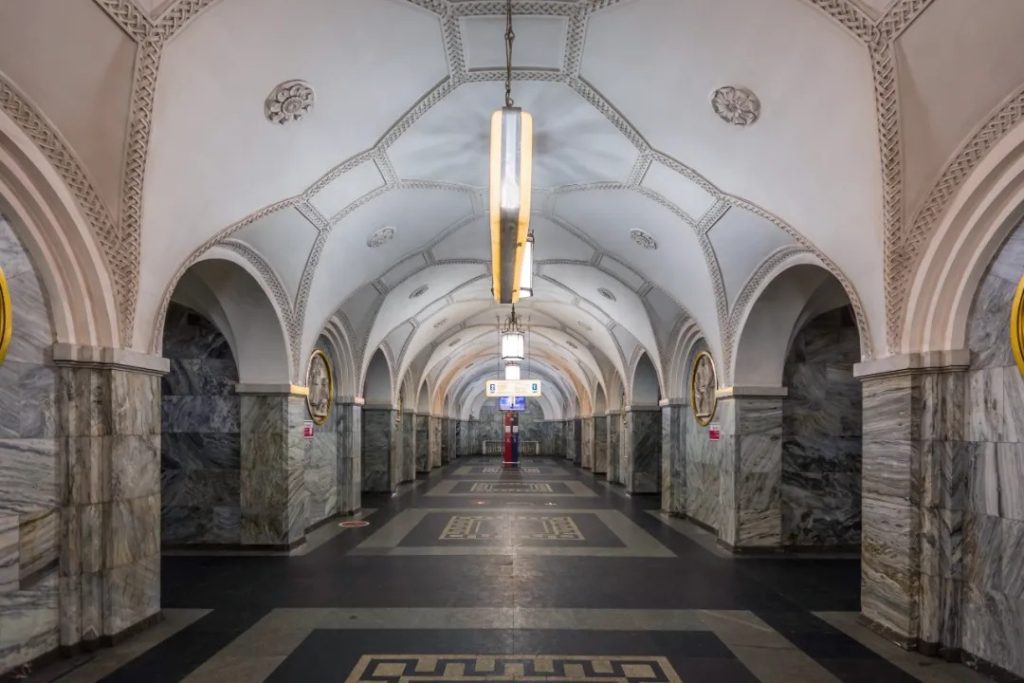
- Park Kultury Station feels like a classical underground gallery, echoing the elegance of nearby Gorky Park.
Café Pushkin: A Taste of Old Moscow Elegance
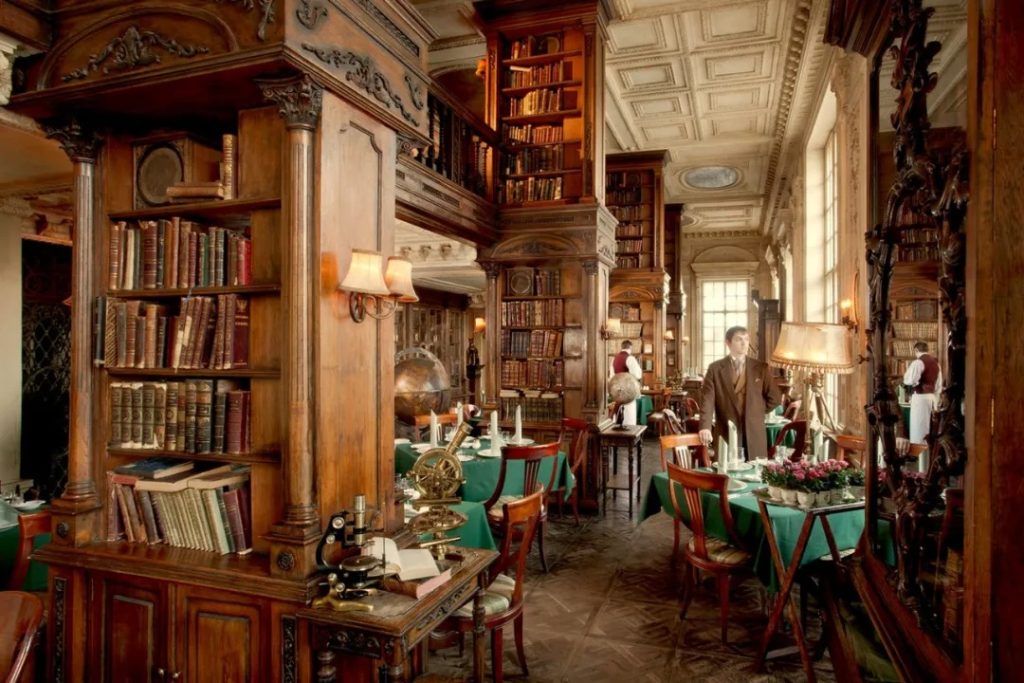
Café Pushkin is one of Moscow’s most iconic fine-dining restaurants. Despite its name, it offers a full traditional Russian dining experience rather than just coffee.
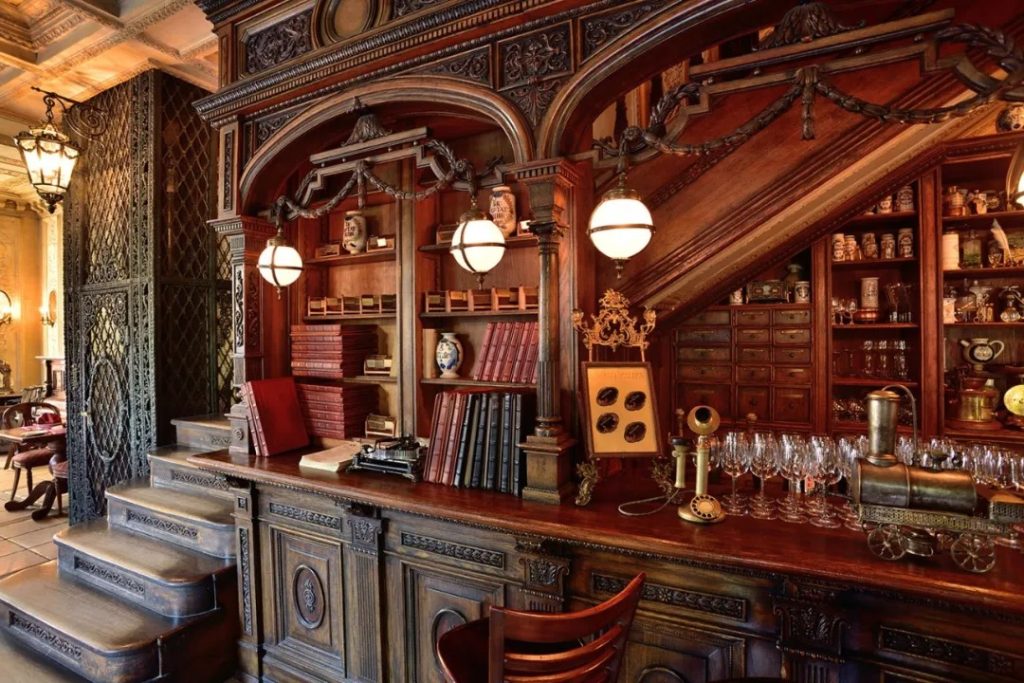
Step inside, and it feels like entering a 19th-century aristocratic library. Wooden bookshelves, candlelit tables, and the soft sound of piano music create an atmosphere rich in nostalgia and charm. Guests come not only for refined Russian cuisine, but also to experience a uniquely Moscow sense of ritual, romance, and old-world elegance.
Cathedral of the Armed Forces: Faith, Memory, and Modern Russia
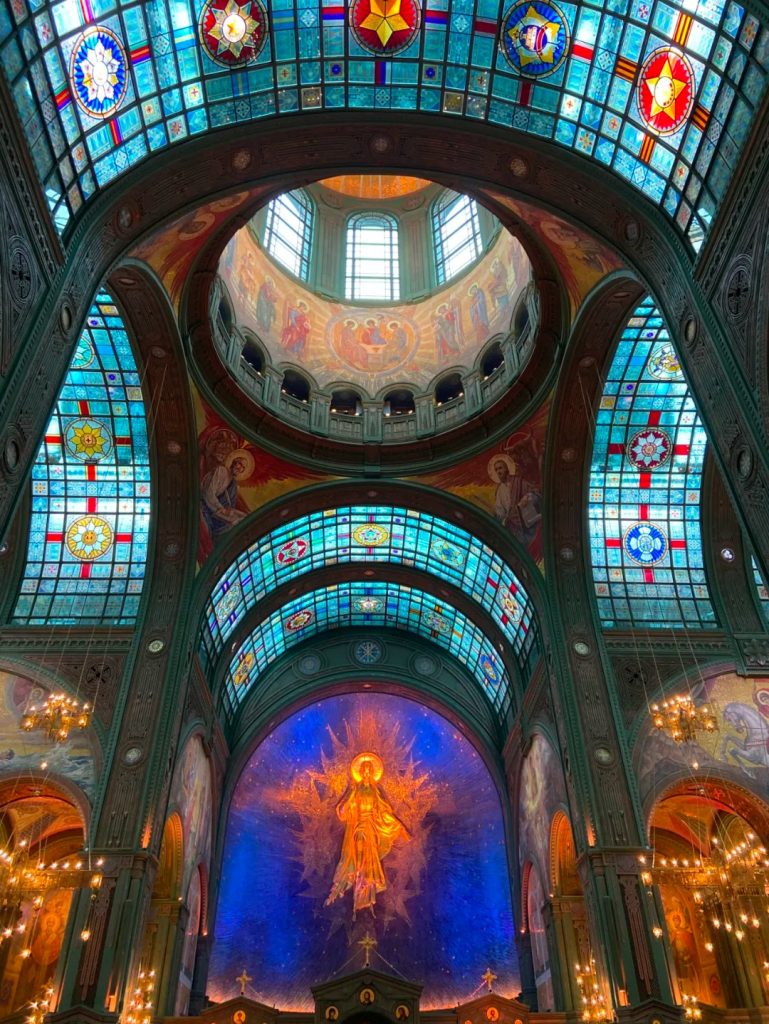
Completed in 2020, the Cathedral of the Armed Forces of the Russian Federation was built to commemorate the 75th anniversary of victory in the Great Patriotic War.
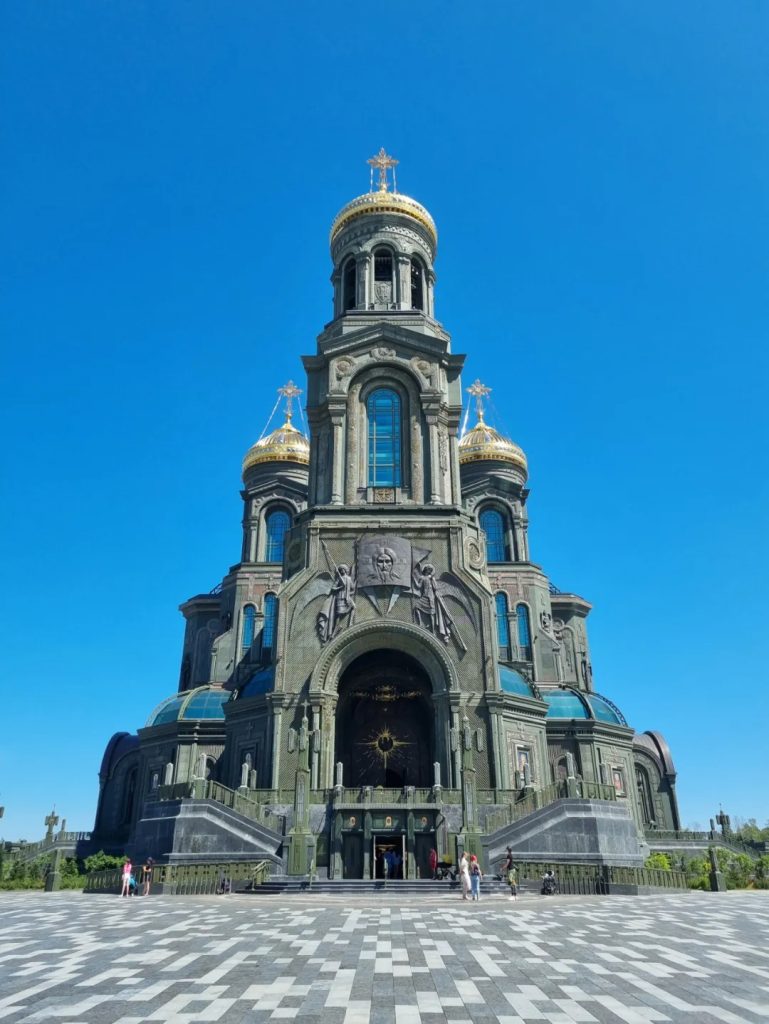
This monumental Russian Orthodox Church blends traditional architectural elements with modern design. Inside, vast mosaics and murals depict scenes from Russia’s military history alongside religious imagery, creating a powerful visual narrative that is both solemn and emotionally striking.
Moscow Military Experience: Step Into Russia’s Hardcore Side
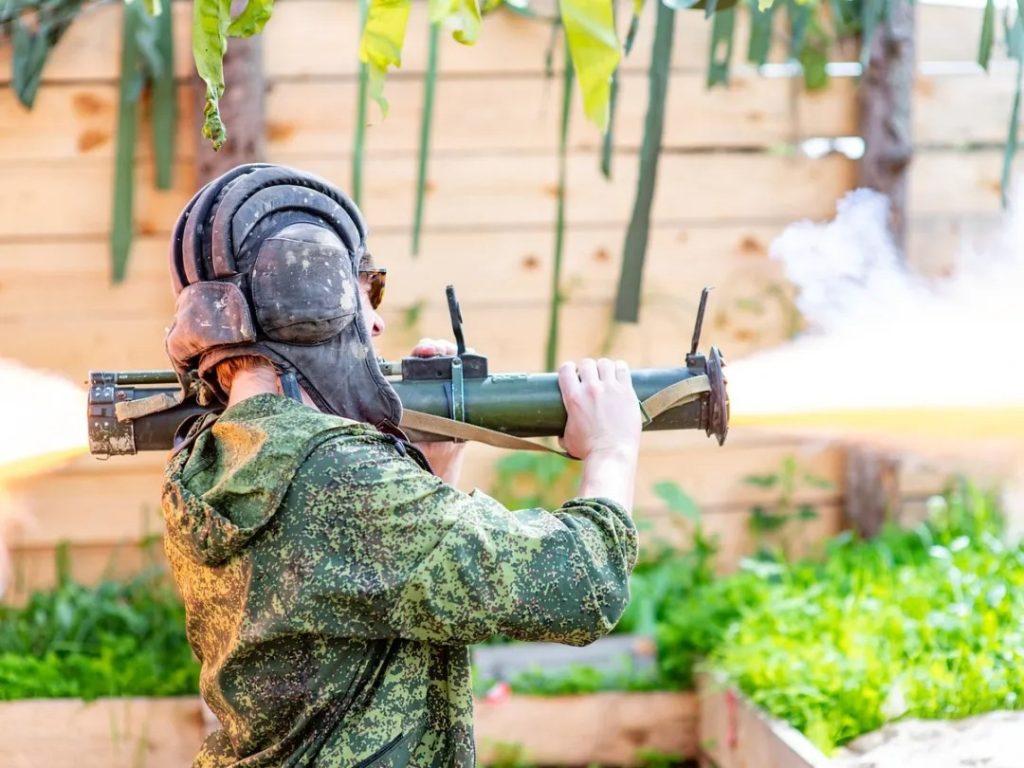
Just outside Moscow, several military experience centers offer visitors a rare chance to engage with Russia’s iconic military culture. Activities range from driving Soviet-era tanks to live-fire shooting sessions and simulated tactical training exercises.

Under the guidance of professional instructors, participants gain hands-on exposure to authentic military equipment and techniques. It’s a bold, adrenaline-filled experience that reveals a tougher, more industrial side of Russia—far removed from museums and palaces, yet deeply rooted in the country’s history.
Meeting Tom the Bear: An Unusual Encounter Near Moscow
Tom is a well-known brown bear living in the forests outside Moscow, raised and cared for by a local Russian owner. Thanks to his calm temperament and experience appearing in films and advertisements, Tom is surprisingly comfortable around people.

Visits are arranged by appointment and include guided interactions such as feeding fruit, short walks, and professionally supervised photo sessions. All activities are carefully managed based on Tom’s condition and mood, ensuring both safety and respect for the animal. It’s a rare and unforgettable experience that offers a glimpse into Russia’s deep connection with nature—far beyond the usual tourist path.
Saint Petersburg: Russia’s Most Romantic City
Founded by Peter the Great, Saint Petersburg was designed to rival Europe’s greatest capitals. Baroque palaces, neoclassical avenues, and world-famous museums define its refined character.
The best time to visit is May to September, especially during the White Nights, when daylight seems endless. Winter, however, offers its own magic—frozen rivers, snow-dusted palaces, and painterly silence.
The Hermitage: A World in One Museum
Once a royal residence, the Hermitage Museum now ranks among the world’s greatest museums. Its collections span civilizations—from ancient Egypt to Renaissance Europe and beyond.
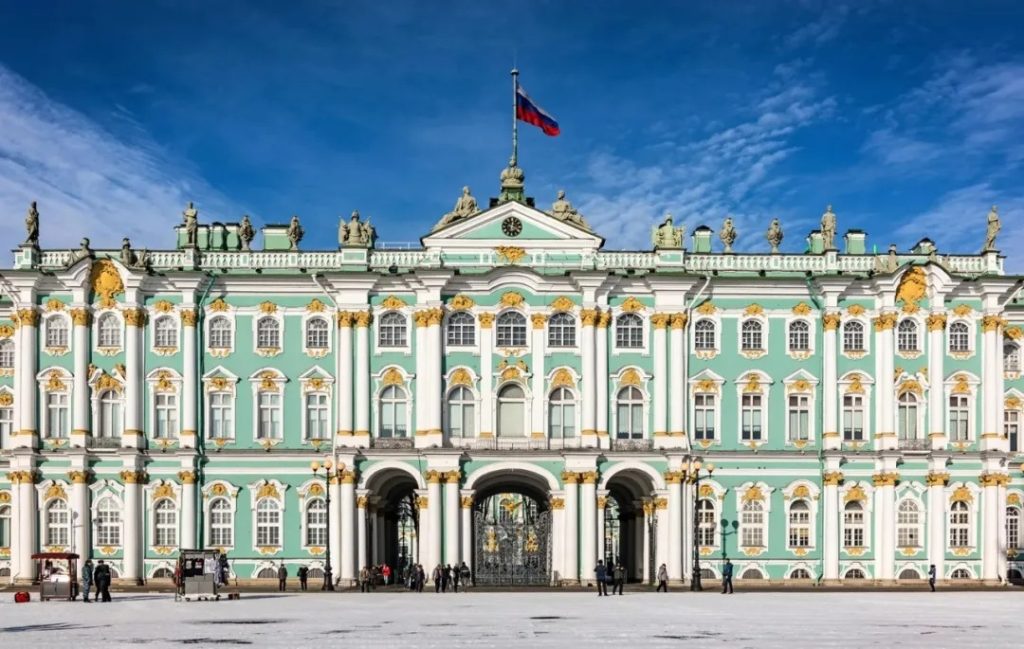
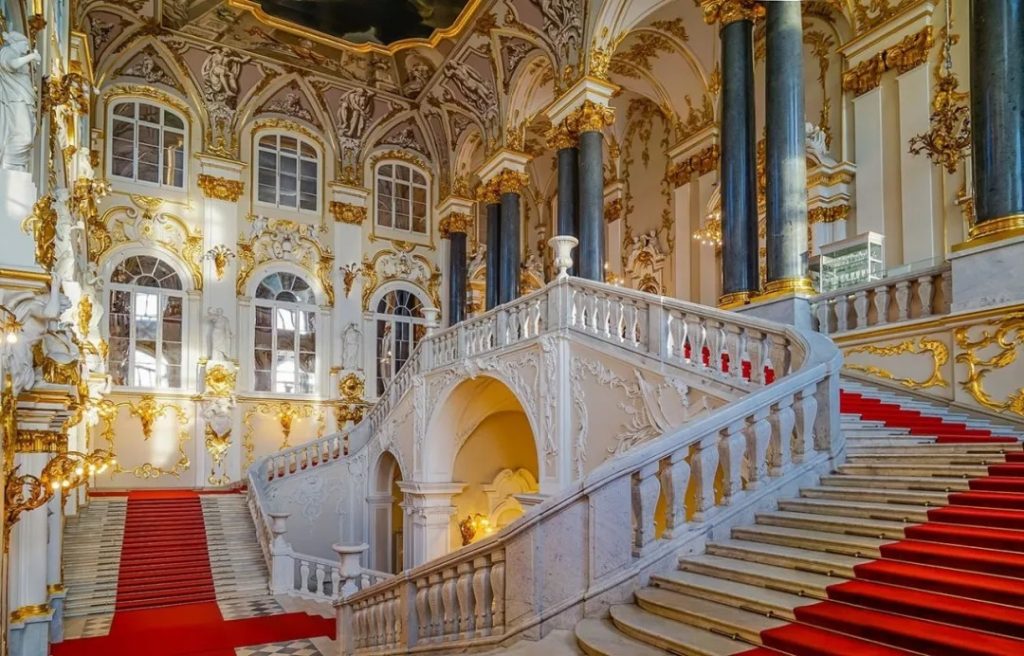
Walking through its gilded halls feels like traveling through time, where imperial grandeur meets global art history.
Neva River: The City’s Living Vein
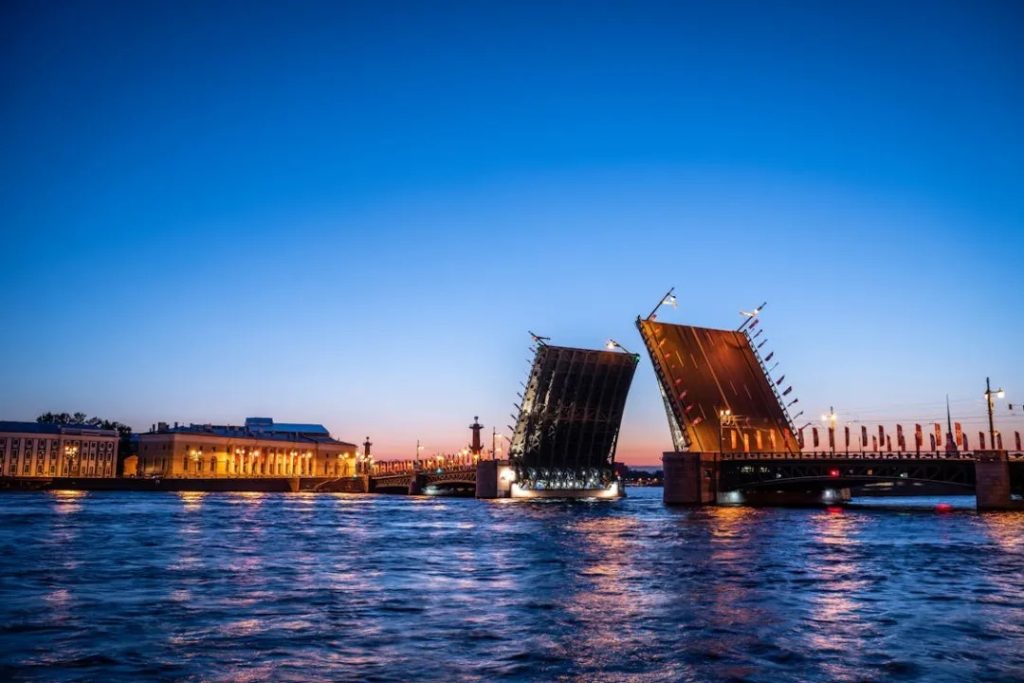
The Neva River defines Saint Petersburg’s rhythm. Whether seen from a boat or a bridge at sunset, it shapes the city’s mood.
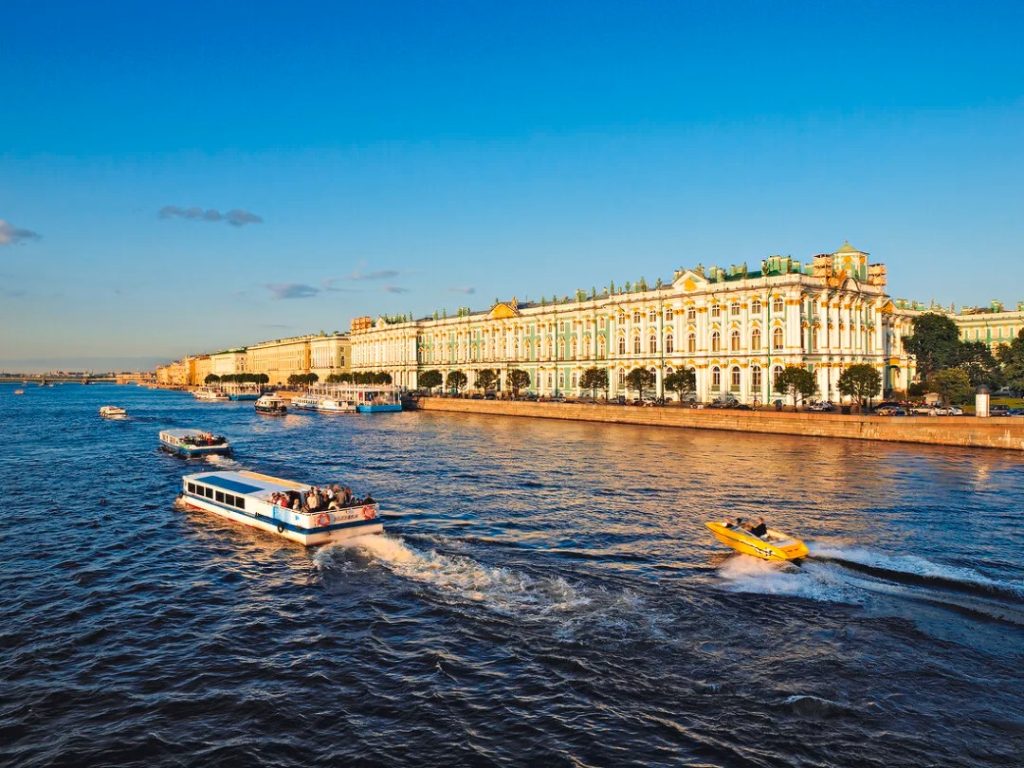
During summer White Nights, watching the famous drawbridge opening at midnight is a uniquely local ritual—quiet, poetic, unforgettable.
Peterhof Palace: Russia’s Versailles by the Sea
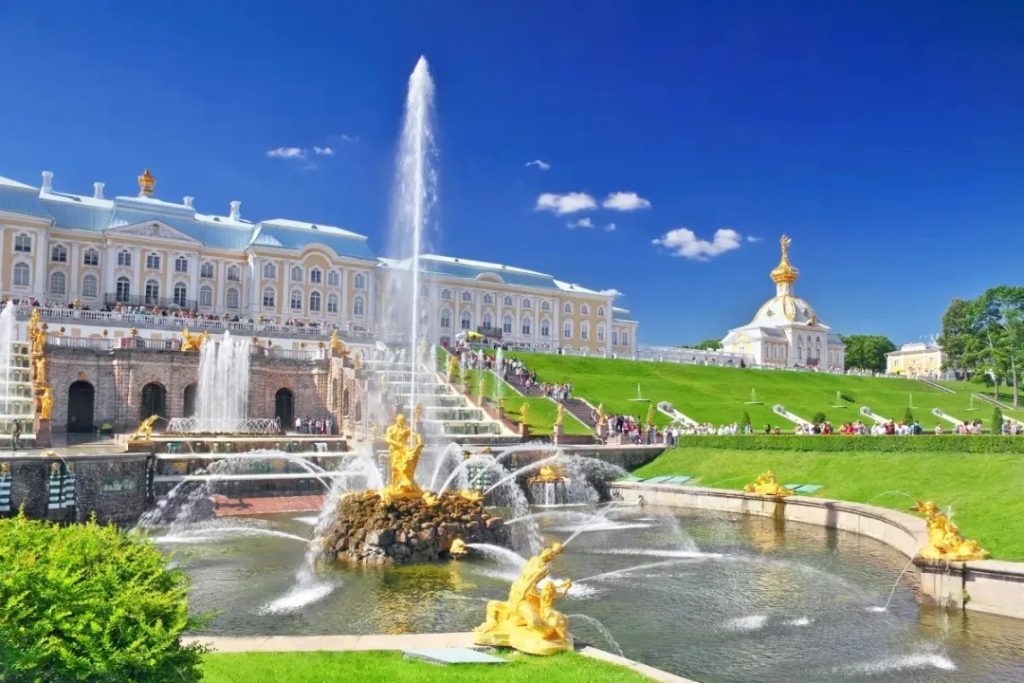
Often called the “Russian Versailles,” Peterhof Palace is best known for its spectacular fountain system. During summer, hundreds of fountains burst to life, creating the illusion that the entire palace complex is in motion.
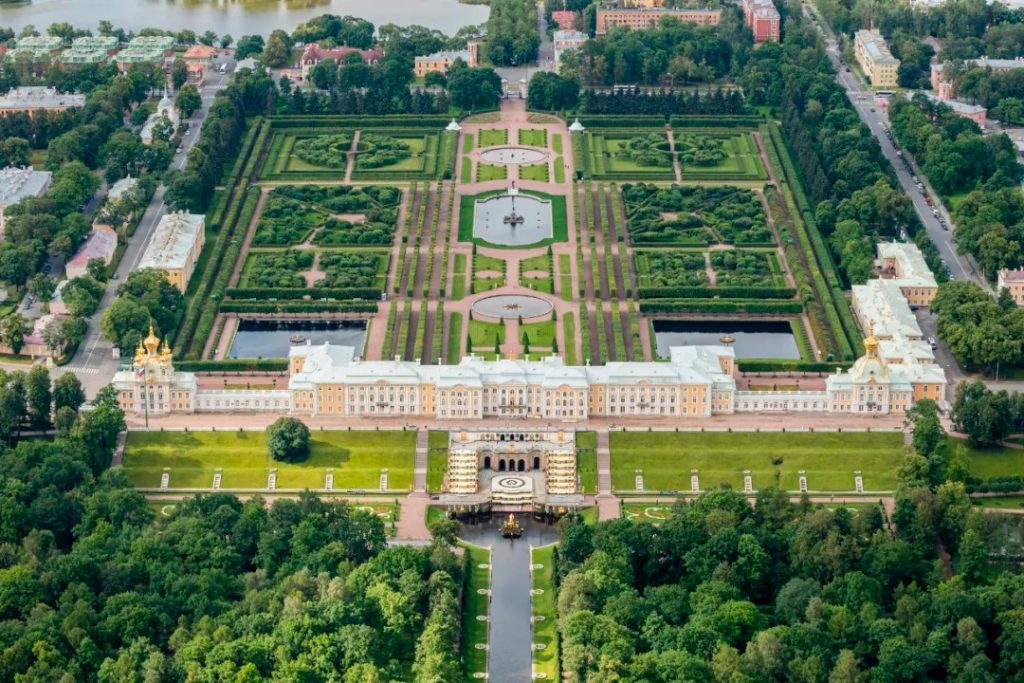
Golden statues, cascading water terraces, and sweeping views over the Gulf of Finland give Peterhof an unmistakable imperial grandeur. Walking along the seaside promenade, it’s easy to imagine this as the place where the Russian Empire proudly announced itself to the world.
Kazan Cathedral: The Spiritual Heart of Saint Petersburg
Inspired by St. Peter’s Basilica in Rome, Kazan Cathedral stands as one of the most important symbols of the Russian Orthodox Church.
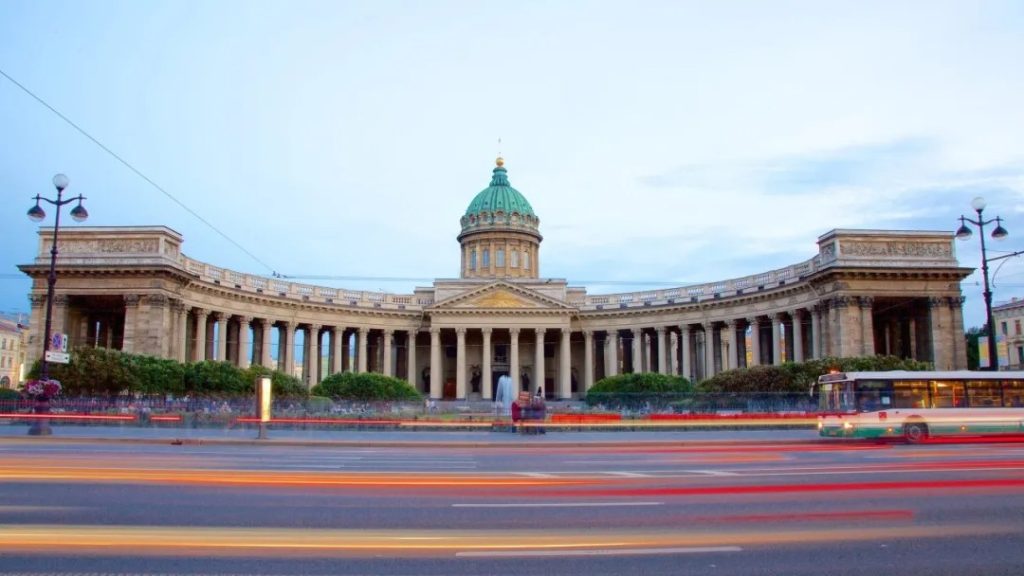
Step inside, and the atmosphere shifts dramatically. The soaring dome, muted light, and constant murmur of prayers create a powerful sense of spiritual weight. Many locals stop by after work to sit quietly for a few moments, treating the cathedral as a calm heartbeat within the city’s daily rhythm.
Church of the Savior on Spilled Blood: Beauty Born from Tragedy
With its colorful domes and fairy-tale appearance, the Church of the Savior on Spilled Blood looks almost unreal. Yet its history is deeply tragic—it marks the exact site where Alexander II of Russia was assassinated.
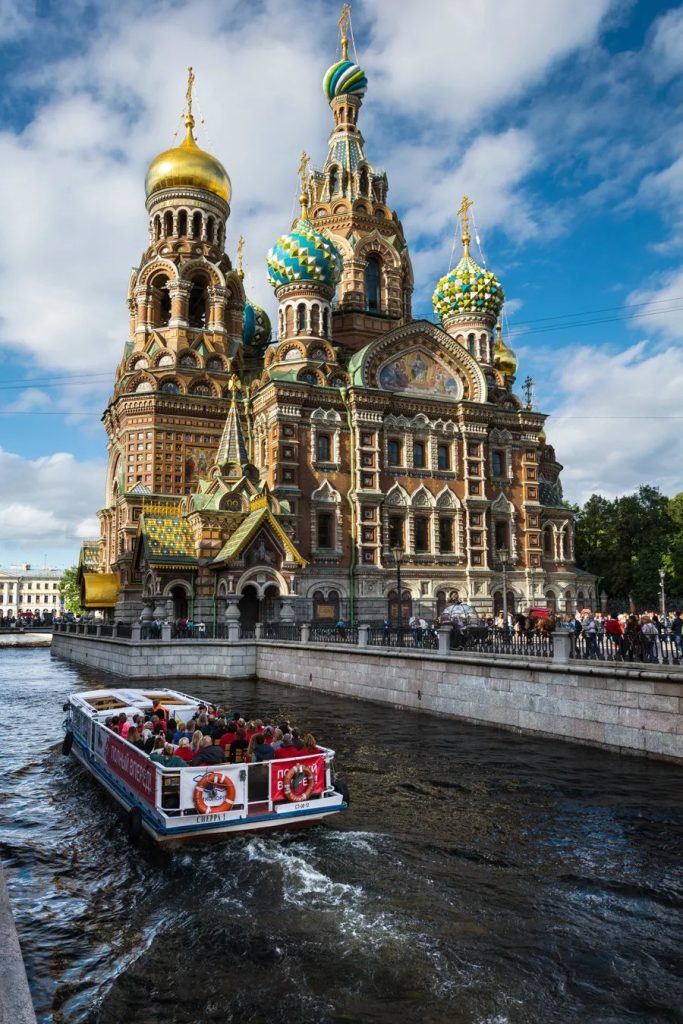
Inside, over 7,000 square meters of mosaics cover walls and ceilings, forming one of the largest religious mosaic collections in the world. Each tiny piece contributes to a vast visual narrative, turning history, faith, and memory into a breathtaking work of art.