







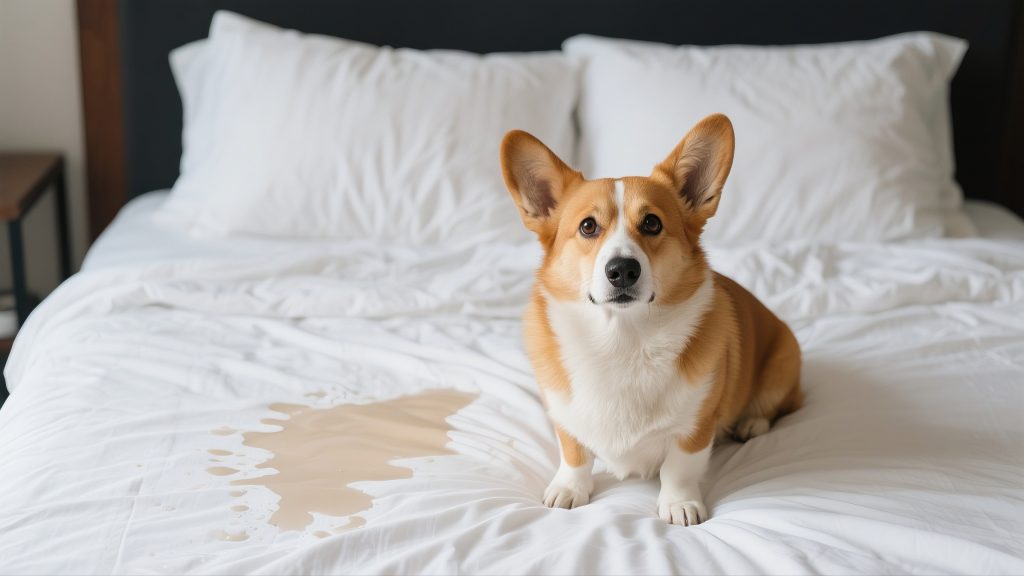
If your dog has started peeing on your bed, you’re probably feeling frustrated, confused, and maybe even a little betrayed. Dog urine can permanently damage mattresses and bedding. Worse, if the scent isn’t completely removed, your dog may keep returning to the same spot.
Beds are incredibly tempting to dogs. They’re soft, warm, absorbent, and most importantly — they smell like you. While some people assume this behavior is about dominance or “getting back at you,” the real reasons are usually more complex.
To fix the issue, you first need to understand why it’s happening. Some causes are medical, while others are behavioral. A visit to your veterinarian is the best first step. 
Medical Reasons Dogs Pee on Beds
Before assuming this is a training issue, it’s critical to rule out health problems.
Urinary Tract or Kidney Issues
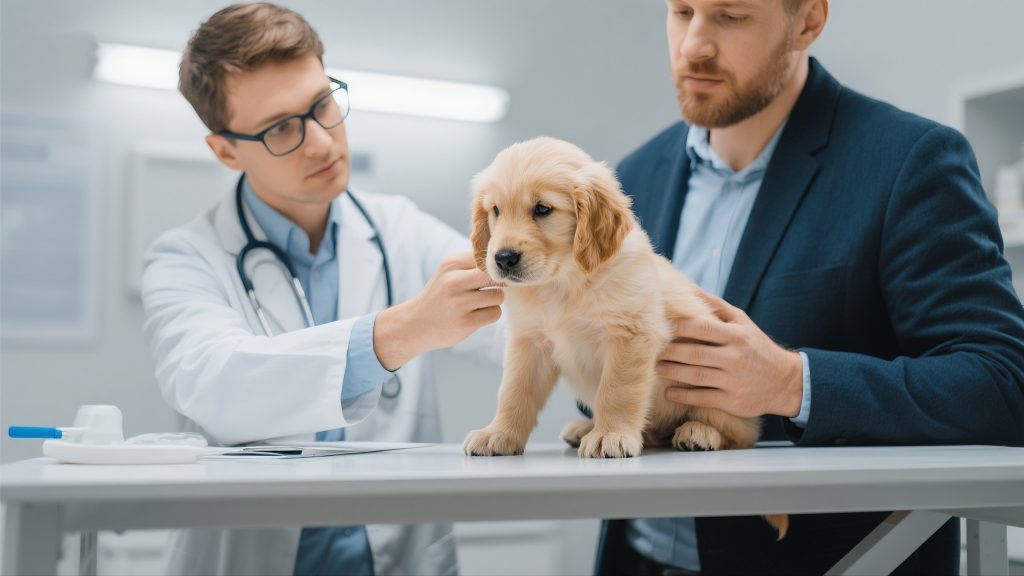
A common medical cause is a urinary tract infection (UTI). Dogs with UTIs may urinate more often, have accidents indoors, or struggle to control their bladder. Your vet may request a urine sample for a urinalysis to confirm.
Other urinary-related problems include:
- Cystitis (bladder inflammation)
- Crystals in the urine
- Bladder stones
- Structural abnormalities
- Kidney disease
- Tumors in the urinary system
Many of these conditions can be treated with medications, supplements, or special diets. In severe cases, surgery may be required.
Certain diseases, such as diabetes and Cushing’s disease, can also increase urination.
Urinary Incontinence
Some dogs don’t realize they’re leaking urine. This is known as urinary incontinence and often happens while a dog is asleep, though it can occur during waking hours too. It’s more common in senior dogs, but younger dogs can be affected by hormonal or neurological issues. Fortunately, medications are available that can significantly improve this condition.
Behavioral Reasons Dogs Pee on Beds
If your vet rules out medical causes, behavior is the likely explanation.
Incomplete Housetraining
Even dogs that seem mostly housetrained may still have weak spots in their training. Your bed might have become a preferred indoor bathroom spot simply because it’s soft and absorbent. In this case, going back to basic potty training is essential.

Excitement, Fear, or Anxiety
Young dogs sometimes urinate when overly excited — this is called excitement urination. Many grow out of it, but some need training to manage it.
Stress and fear can also trigger accidents. Changes like moving, a new baby, a new pet, or even tension in the household can make dogs anxious. An anxious dog may lose bladder control or urinate inappropriately.
Territorial Marking
Some dogs mark their territory with small amounts of urine. This behavior is more common in unneutered males but can happen in any dog. When your bed smells strongly like you, your dog may feel compelled to “add their scent,” turning your mattress into a marking spot.
How to Stop Your Dog from Peeing on the Bed
Once medical causes are ruled out, it’s time to address the behavior.
Step 1: Visit Your Veterinarian
Your vet may perform a physical exam, run lab tests, and possibly take X-rays to rule out hidden issues. Always start here before assuming it’s behavioral.
Step 2: Manage Your Dog’s Environment
Limit access to the bed when you’re not around. Close the bedroom door or use a crate if needed. Preventing repeat accidents is key to breaking the habit.
Look for recent life changes that may be causing stress. Reducing anxiety can make a huge difference. In some cases, your vet may recommend calming supplements or anti-anxiety medication.
Step 3: Rebuild Potty Habits
Take your dog outside frequently — especially after eating, drinking, playing, or waking up. Reward outdoor bathroom success with praise or treats.
If you catch your dog starting to pee indoors, interrupt calmly with a quick sound like “uh-oh,” then take them outside immediately. Never punish after the fact, as dogs don’t connect delayed punishment with past behavior.

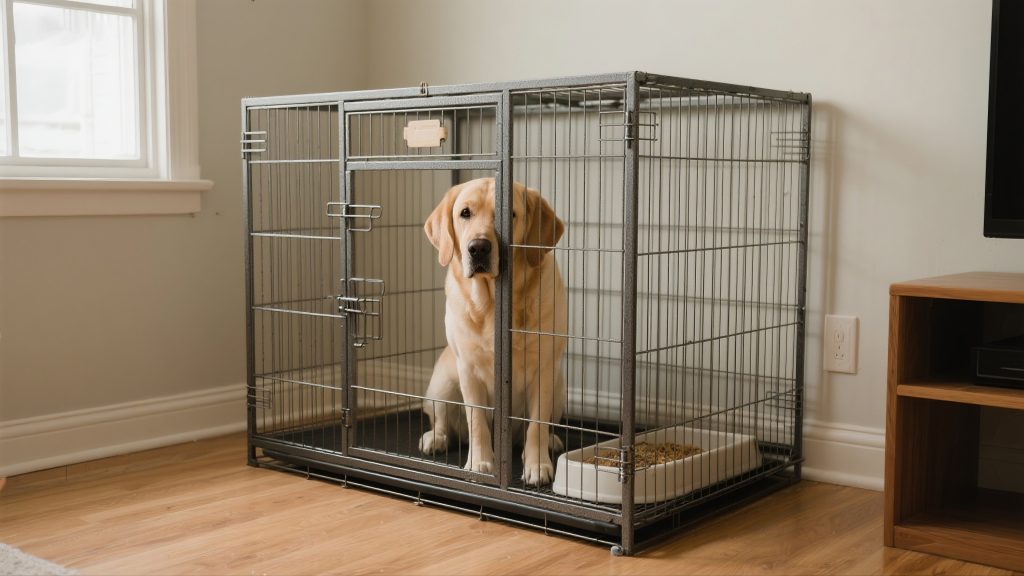
Step 4: Use Crate Training When Needed
When you’re away, a properly sized crate can prevent accidents and help reinforce bladder control. Dogs naturally avoid soiling their sleeping space when properly trained.
Step 5: Get Professional Help
If progress is slow, a professional dog trainer or animal behaviorist can provide personalized guidance. Some behavior issues are deeply rooted and benefit from expert support.
Final Thoughts
Dogs don’t pee on beds out of spite. Whether the cause is medical discomfort, anxiety, incomplete training, or marking behavior, there’s always a reason behind it.
With patience, proper diagnosis, and consistent training, this frustrating problem can be solved — and your bed can finally stay clean again.