








On February 18, 2026, a park outside the Los Angeles Court displayed 50 glowing “smartphone” statues. Each statue represented a child who had died due to social media addiction.
Parents from across the United States attended, some clutching photos, others silently staring at the courthouse doors. At 8:30 a.m., Mark Zuckerberg arrived, walking past the statues and the parents, witnessing the impact of children who would never use a phone again.
Social Media Addiction and the First Major Trial

This case targets the addictive nature of social media apps. Platforms are designed to predict what users enjoy, autoplay videos, and provide endless rewards. This trial is the first in the U.S. to hold a company accountable for deliberately designing addictive social media products. If Meta loses, social media could be treated as the “new tobacco,” with potential nationwide restrictions for minors. 
Four interconnected lawsuits relate to Meta:
- A massive multi-district litigation consolidating over 2,172 social media addiction cases, including defendants Meta, Snapchat, TikTok, and YouTube.
- A 42-state attorney general lawsuit alleging violations of consumer protection, children’s privacy, and deliberate app addictiveness.
- New Mexico’s suit claiming Meta facilitated child sexual exploitation through undercover operations, separate from addiction issues.
- A large multi-plaintiff case initially including TikTok and Snapchat, which settled out of court, leaving Meta and Google in the current trial.
The Lead Case: Kaley’s Story

Courts prioritize a “lead plaintiff” to guide future cases. Kaley, a 20-year-old from California, testified she began using YouTube at age six, Instagram at nine, and later TikTok and Snapchat. Her addiction exacerbated depression, body image anxiety, and suicidal thoughts.
Meta relies on Section 230 of the Communications Decency Act to avoid liability for user content. Kaley’s lawyers cleverly bypassed this, targeting the addictive design itself rather than posted content.

The “Digital Casino” Design
Lawyers described Instagram and YouTube as “digital casinos,” exploiting children’s undeveloped prefrontal cortex. Key addictive features include:
- Infinite Scroll: Eliminates natural stopping points. Designed to exploit the adolescent brain. Invented by Aza Raskin, who admitted it “sprinkles cocaine on your screen.”
- Push Notifications: Algorithms send alerts to maximize anxiety and engagement, creating Fear of Missing Out (FOMO).
- Likes System: Based on variable rewards, similar to slot machines, triggering dopamine release.
- Algorithmic Recommendations: Prioritize emotionally arousing content over what users want, deepening engagement.
- Beauty Filters: Intensify body image issues among teens.
Internal Research Ignored

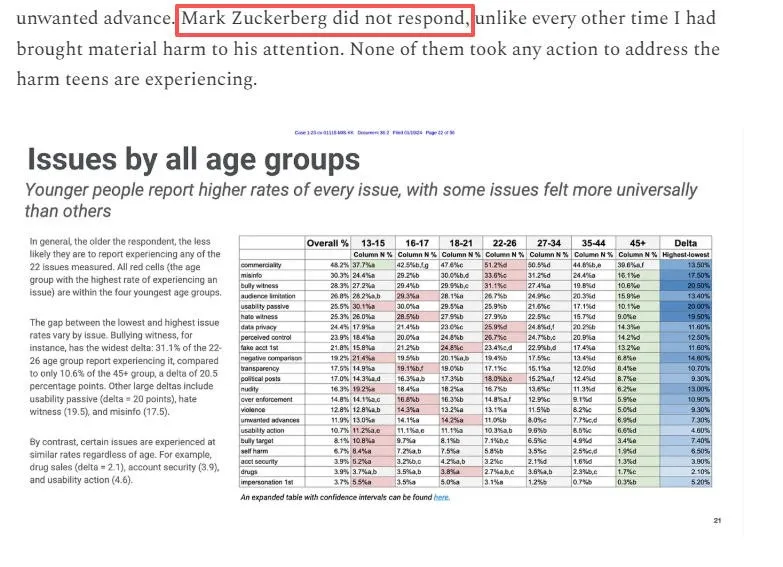
In 2021, the Wall Street Journal published the “Facebook Files,” leaked by Frances Haugen, revealing studies linking Instagram to heightened body image anxiety and self-harm ideation in teens. Meta executives, including Zuckerberg, reviewed these findings but took no action.
Former Instagram director Arturo Béjar testified that surveys of 237,000 users showed widespread exposure to unwanted sexual content, cyberbullying, and harmful interactions, yet Meta ignored the data.
The Modern Tobacco Analogy
Legal experts compare social media to the 20th-century tobacco industry. Social media mimics slot machine psychology to maximize user engagement, creating artificially engineered addiction. Internal documents reveal Meta prioritized “teen usage time” over safety, delaying features like default private accounts for minors until 2024 to avoid losing users.
Trial Implications
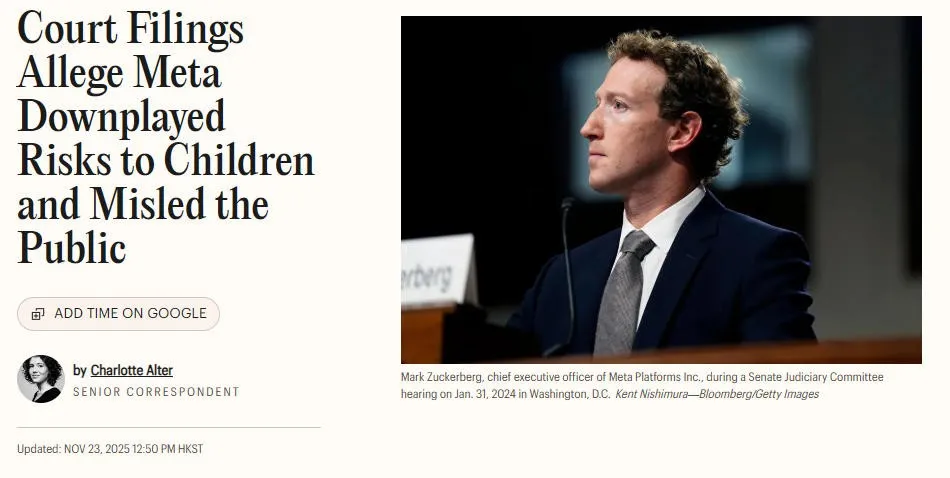
On February 18, Zuckerberg testified regarding social media addiction. The trial is expected to last eight weeks, with two more lead trials scheduled. The outcome may set a precedent for over 1,600 related cases nationwide. A Meta loss could force major social media platforms to reconsider product design and potentially incur billions in damages.
The case also challenges the tech industry to answer a moral question: if a feature makes users addicted and harms them, should it exist? For the first time, a jury of 12 in Los Angeles may provide an answer.