








Hamsters are often seen as simple classroom pets, but they can actually make wonderful companions in your own home. Across the world, there are more than 20 different types of hamsters, though only a handful are commonly kept as pets—especially in places like the United States.
If you’re considering bringing one home, understanding the most popular pet hamster breeds can help you choose the perfect match.
What Makes Hamsters Unique Pets
Hamsters are ideal for anyone looking for a quiet, low-maintenance animal. Most species are naturally nocturnal, meaning they are most active during the night and early morning hours. 
Despite their tiny size—usually no more than five ounces—hamsters still need plenty of space. A larger cage isn’t a luxury; it’s essential for their well-being.
These little creatures are incredibly quick and light on their feet. Because of this, they can easily slip out of your hands if you’re not careful. Regular, gentle handling helps them become more comfortable with human interaction.
Many hamster species are surprisingly social and can live peacefully with others of the same kind—especially when introduced at a young age.
However, keep in mind that hamsters have relatively short lifespans, typically between one and three years. Planning ahead and having access to a qualified Veterinarian is also important before adopting one.
1. Roborovski hamster (Dwarf Robo)
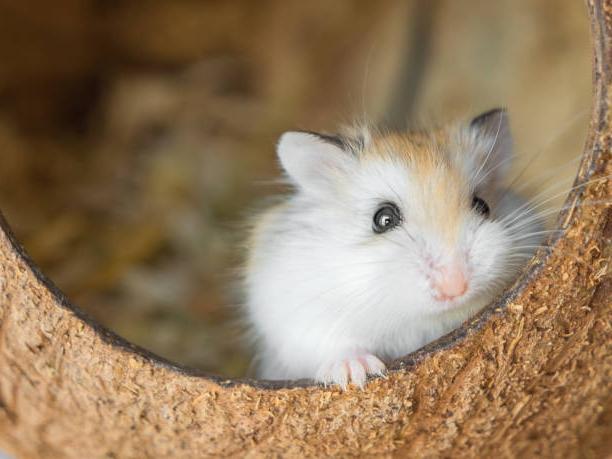
If you’re looking for something incredibly tiny and energetic, the Roborovski hamster might be your perfect match. Often called “Robo,” this is the smallest pet hamster you’ll find.
These hamsters are naturally curious and very active at night. While they are easy to care for, they don’t enjoy being handled too much. On the bright side, they tend to get along well with other Robos when raised together.
Species Overview
- Length: 2–3 inches
- Weight: 0.7–1 ounce
- Appearance: Sandy brown fur, white belly, and distinctive white markings around the eyes
2. Campbell’s dwarf hamster

Campbell’s dwarf hamsters are social and enjoy interaction, especially with gentle handlers. They thrive on attention but can be quite fast and agile, so careful handling is key.
Due to their small size, it’s best to keep them away from other pets. However, they usually enjoy the company of other Campbells.
Species Overview
- Length: 2–4 inches
- Weight: 1.5–2 ounces
- Appearance: Gray-brown fur, white belly, and a darker stripe along the back
3. Syrian hamster (Golden Hamster)
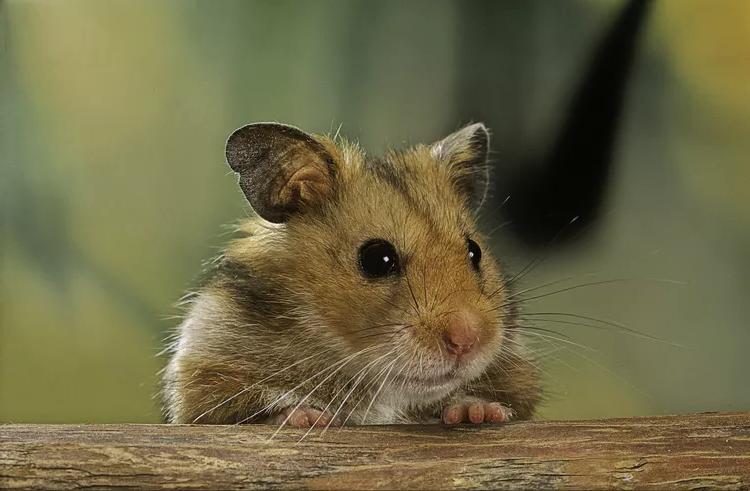
The Syrian hamster is one of the most popular choices—and for good reason. It’s significantly larger than other species, making it easier to handle, especially for beginners.
But there’s a catch: Syrian hamsters are solitary and territorial. They should always be housed alone to avoid conflicts.
Species Overview
- Length: 5–9 inches
- Weight: Up to 5 ounces
- Appearance: Golden brown coat with a lighter underside (varies widely in color and fur type)
4. Winter white dwarf hamster
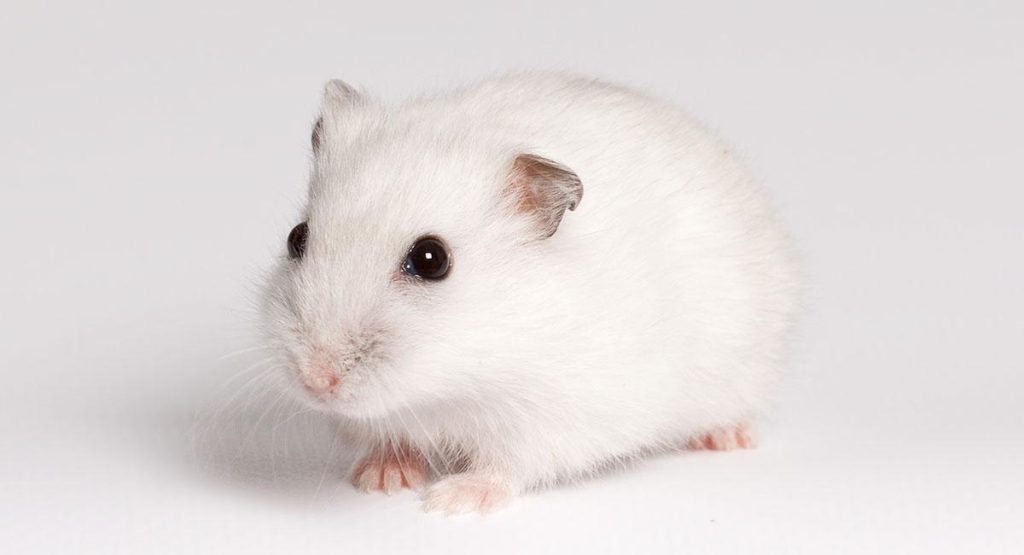
Also known as the Russian dwarf hamster, this breed is loved for its friendly personality and unique ability to change fur color in winter.
These hamsters are easy to tame and get along well with both humans and other winter whites, making them a great choice for beginners.
Species Overview
- Length: 2.7–3.5 inches
- Weight: 0.7–1.6 ounces
- Appearance: Dark gray coat, white belly, black dorsal stripe; turns white in winter
5. Chinese hamster
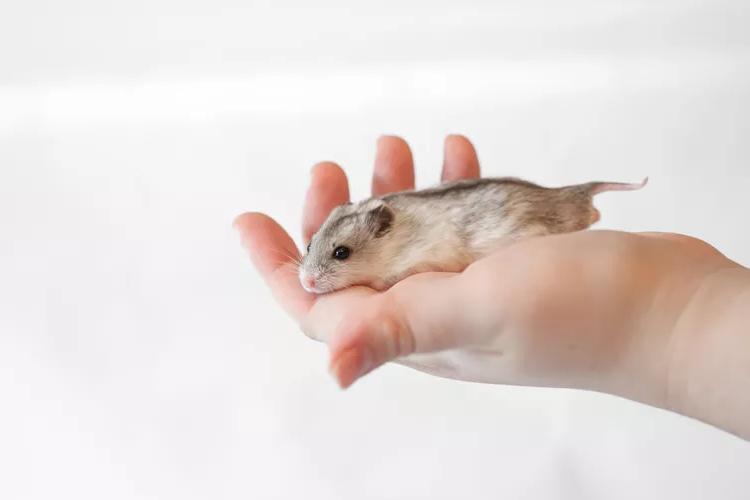
The Chinese hamster stands out thanks to its longer tail compared to other species. It’s gentle, easygoing, and simple to care for.
Even though they’re small, they still need plenty of space and enrichment like chew toys to stay healthy and active.
Species Overview
- Length: 3.2–5 inches
- Weight: 1.1–1.6 ounces
- Appearance: Brown fur with a black stripe along the back and a lighter underside
⚠️ Hamster Breeds You Should Think Twice About
Hamsters aren’t always the best choice for households with multiple pets—especially if you already have dogs or cats.
If you plan to keep more than one hamster, choosing the right species is crucial. Some breeds, like the Syrian hamster, do not tolerate sharing space at all.
Mixing different hamster species is also a bad idea. unfamiliar companions can make them stressed, aggressive, or territorial.
Is a Hamster Right for You?
Hamsters may be small, but they come with big personalities. Whether you want a low-maintenance pet or a tiny companion to observe and interact with, there’s a hamster breed out there for you.
Understanding their behavior, space needs, and social tendencies will help you create a happy, healthy environment—and ensure your new furry friend thrives.