





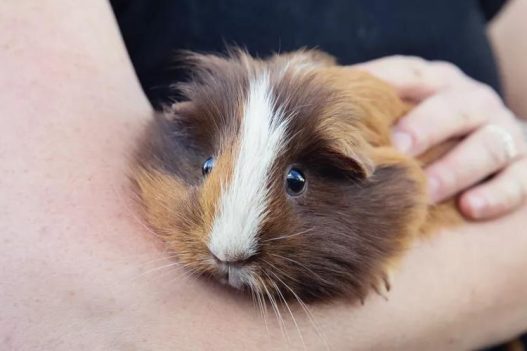
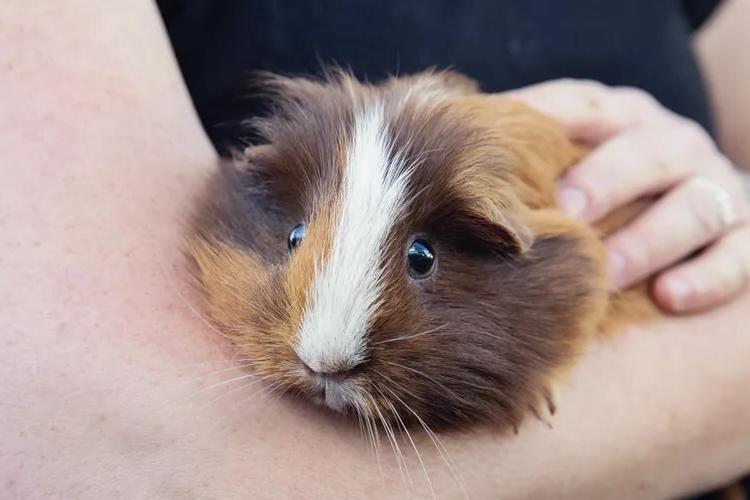
Guinea pigs are one of the most loved small pets around the world, especially for families. Their calm nature, social behavior, and gentle temperament make them ideal companions for both children and adults.
They are active during the day, enjoy interaction, and are rarely aggressive—even when they feel stressed. However, they do require proper care, including a spacious habitat, daily exercise outside their cage, and a diet rich in vitamin C and fiber to stay healthy.
Introduction to Guinea Pigs
Guinea pigs, scientifically known as Cavia porcellus, are small domesticated rodents originally from South America. Despite their name, they are not related to pigs at all. 
On average, they live around 6 to 8 years, weigh about 2 to 3 pounds, and come in many colors and coat types. Their friendly personality and social nature make them excellent pets for beginners and experienced pet owners alike.
Before adopting one, it’s important to understand their long-term needs, including proper housing, nutrition, and social interaction.
Guinea Pig Breeds
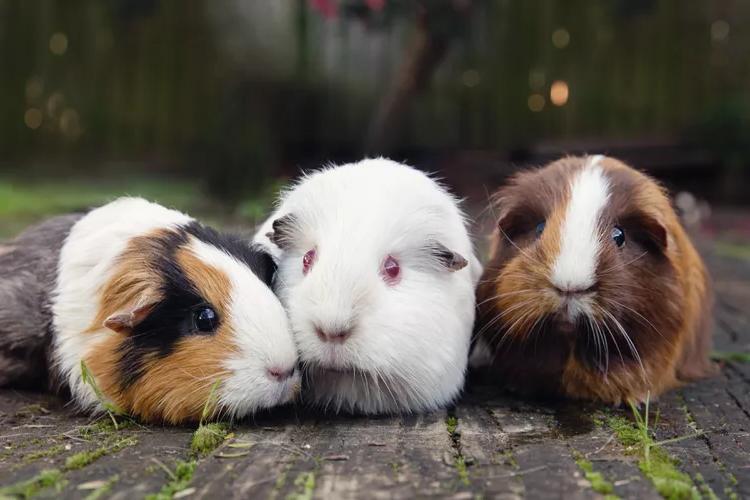
Guinea pigs come in many fascinating breeds, each with unique coat styles and characteristics.
Some well-known types include:
- The Texel guinea pig, known for its long, soft, curly fur and teddy-bear appearance.
- The Coronet guinea pig, recognized by its distinctive crest of hair on the top of its head.
- The Baldwin guinea pig, a rare hairless variety that looks completely different from most other guinea pigs.
These variations all belong to the broader group of guinea pig breeds, but regardless of appearance, they share the same affectionate and social personality.
Housing and Cages
Guinea pigs need plenty of space to stay active and healthy. A small cage is not enough for their physical and mental well-being.
A proper living setup should include:
- A large cage or enclosure with good ventilation
- Safe, solid flooring to protect their feet
- Space for toys, hideouts, and movement
- Daily time outside the cage for exploration and exercise
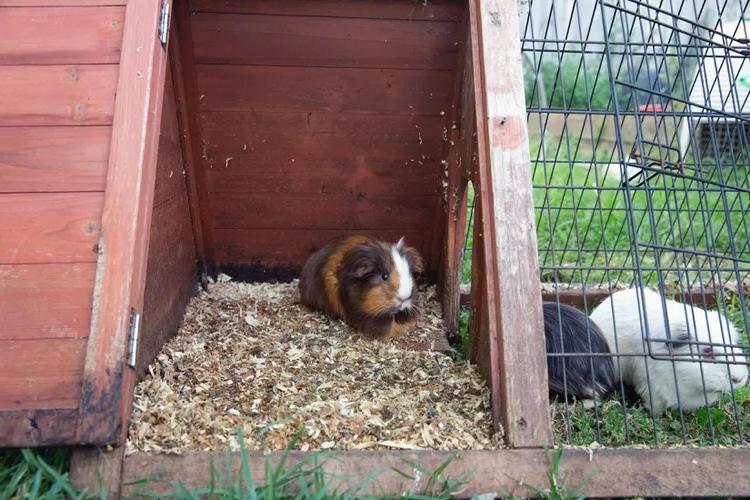
Many owners build custom enclosures or use expandable cage systems to give their pets more freedom. Even with a large cage, supervised floor time is essential for a happy guinea pig.
Bedding and Comfort
Because guinea pigs do not use a fixed bathroom area, choosing the right bedding is very important for cleanliness and health.
Safe and popular bedding options include:
- Fleece bedding – soft, reusable, and easy to wash
- Paper-based bedding – highly absorbent and gentle for sensitive feet
In the past, wood shavings were commonly used, but research has shown that some types can be harmful. In particular, Cedar shavings should be avoided, as it may cause respiratory and liver issues in small animals.
Clean, dry, and safe bedding helps prevent illness and keeps your guinea pig comfortable.
Important Health Warning: Vitamin C
One of the most critical aspects of guinea pig care is their diet. Like humans and some other animals, guinea pigs cannot produce vitamin C on their own.
Because of this, they must get it from food and supplements.
A lack of vitamin C can lead to serious health problems such as weakness, poor appetite, and joint pain.
To prevent this:
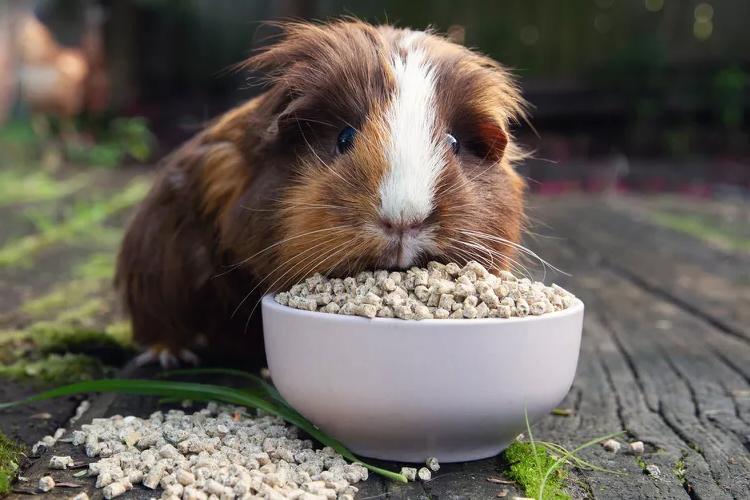
- Use vitamin C–fortified pellets
- Offer safe supplements if recommended
- Provide fresh vegetables rich in nutrients
Proper nutrition is the foundation of good health for guinea pigs.
Feeding and Diet
A healthy guinea pig diet should always focus on balance and fiber.
The most important food is hay, especially Timothy hay, which supports digestion and naturally wears down their constantly growing teeth.
Other important dietary rules include:
- Provide unlimited fresh hay every day
- Use high-quality guinea pig pellets
- Offer fresh vegetables in moderation
- Avoid sugary treats and seeds, which can cause digestive issues
Interestingly, guinea pigs share a dietary requirement for vitamin C with animals like the Capybara, their larger South American relatives.
Grooming and Health Care
Guinea pigs may not require complicated grooming, but regular care is still very important.
Bathing
Bathing is not always necessary. Only wash your guinea pig if they are dirty or have sticky fur. Always use a mild, guinea pig–safe shampoo.
Nail Care
Their nails grow continuously and must be trimmed regularly to prevent discomfort or injury.
Teeth Health
One of the most important facts about guinea pigs is that their teeth grow throughout their entire life. Without proper wear, teeth can become overgrown and cause serious pain or difficulty eating.
Providing enough hay helps naturally wear down their teeth and prevent dental problems. In severe cases, a veterinarian may need to trim or correct overgrown teeth.
Final Thoughts
Guinea pigs are affectionate, social, and gentle pets that can bring a lot of joy into a home. However, they also require consistent care, proper nutrition, and a safe environment.
When their needs are fully met, they become incredibly rewarding companions with unique personalities and loving behavior.