






A Thought Experiment That Feels Unsettling
Brainless Humans concept sparks debate as scientists explore organ farming without consciousness for transplants and research.Imagine a “person” who has a heartbeat and body temperature. Their skin feels warm. They have lungs, a liver, and kidneys. Every organ is present.
Everything about them resembles a human being except one thing.
They have no brain. 
They cannot think. They have no awareness. They do not even know they exist.
So the question becomes unavoidable. Are they still human?
Push the idea further. If their organs were used for transplants, would that be ethical?
And what if such beings were created in large numbers, designed purely as a source of spare parts?
These are not just abstract questions. A Silicon Valley backed project is seriously exploring them.
The Birth of the “Bodyoid” Concept
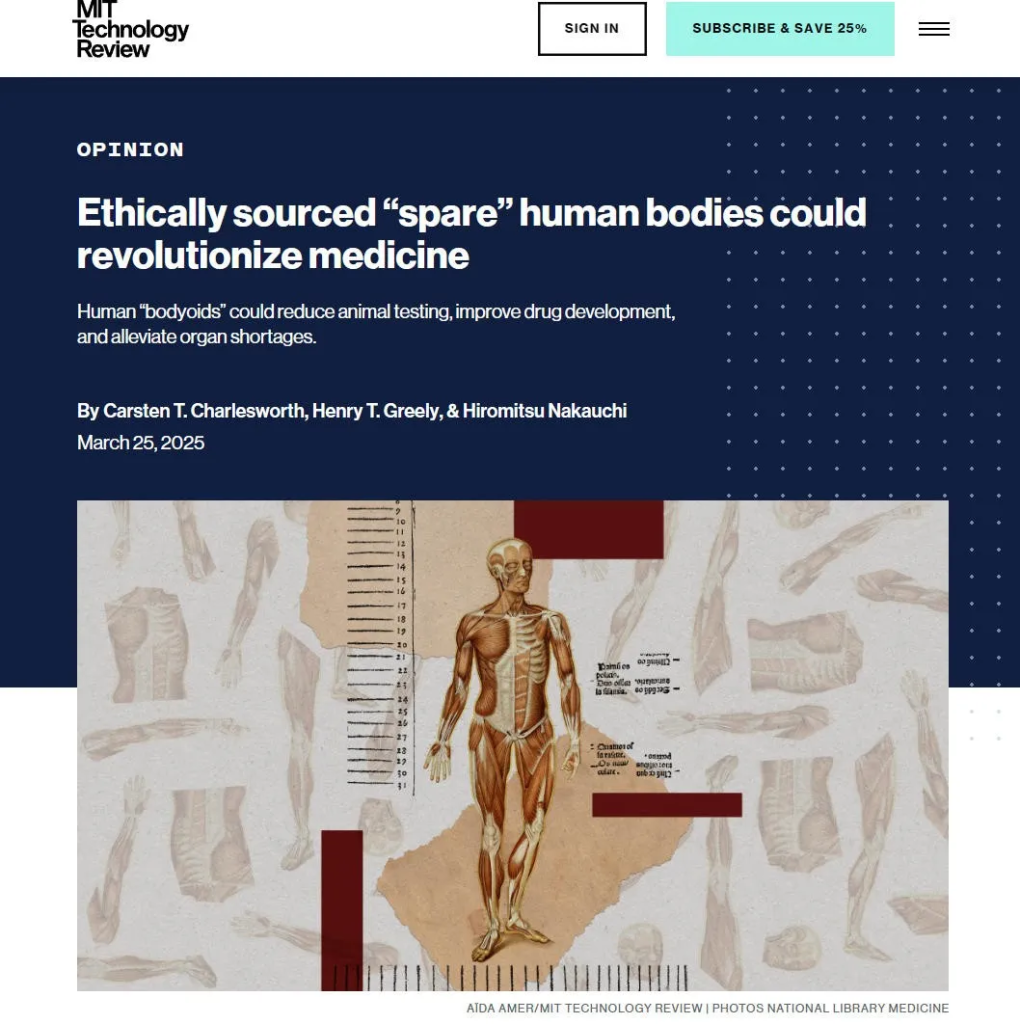
In March 2025, researchers from Stanford University published a striking article in MIT Technology Review.
The idea was presented plainly. They proposed creating what they called “bodyoids.”
These would be human bodies grown using stem cells and gene editing. They would lack brains, consciousness, and the ability to feel pain.
Their purpose would be medical research and organ transplantation.
From Theory to Startup Reality
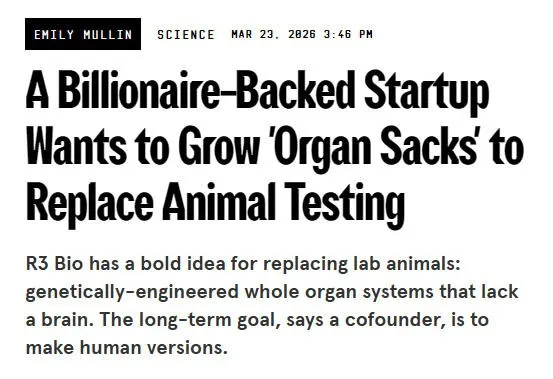
Within days of the article’s release, Wired reported on a low profile biotech company named R3 Bio.
Unlike the researchers, the company was not just discussing the idea. It was trying to commercialize it.
R3 Bio avoided the term “bodyoid.” Instead, it used a colder name.
They called the concept “organ sacks.”
In medical language, an organ sack refers to a structure that contains organs. But here, the phrase feels stripped of humanity.
It suggests something that is not even a body. Just a container for organs.
“We Designed Only What We Need”
Co founder Alice Gilman pushed back against the phrase “brainless humans.”
She argued that these creations are not missing something. They are intentionally designed with only the necessary components.
In her words, it is not about absence. It is about design.
The project has attracted major investors. One is a Singapore based longevity fund focused on life extension technologies.
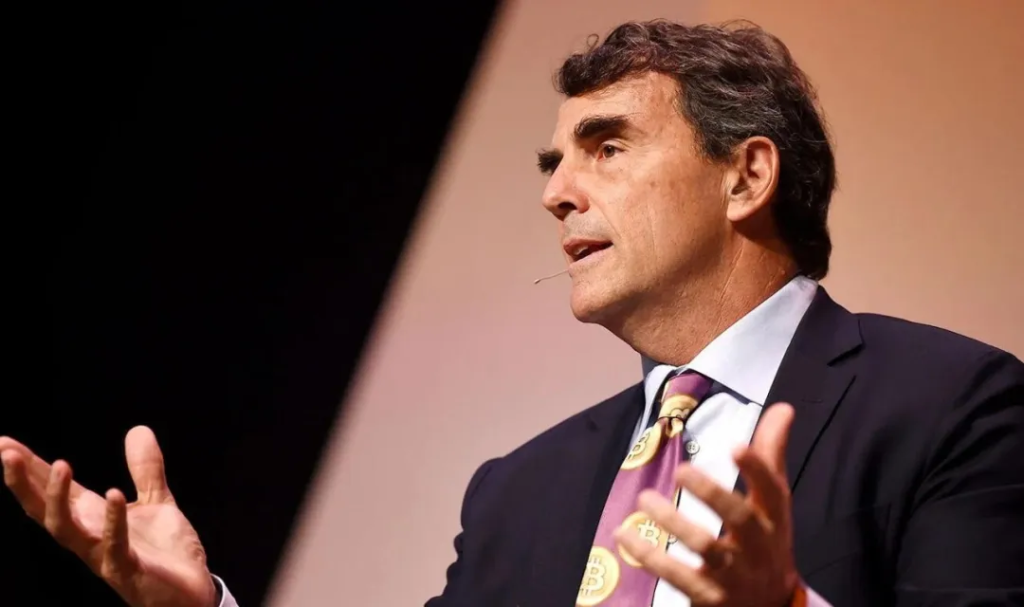
Another is venture capitalist Tim Draper, known for backing companies like Tesla and SpaceX.
A British firm called LongGame Ventures is also involved. The name itself hints at a focus on long life.
The Rise of the Longevity Movement
This project fits into a broader trend in Silicon Valley.
In recent years, a growing number of wealthy tech figures have embraced the idea that aging can be slowed or even reversed.
Entrepreneur Bryan Johnson has become one of the most visible figures in this movement.
The belief is simple. Life can be engineered. Death may eventually become a solvable problem.
It is a very Silicon Valley mindset.
Why This Idea Is Emerging Now
The timing of this concept is not accidental.
In April 2025, the FDA announced plans to phase out certain animal testing requirements.
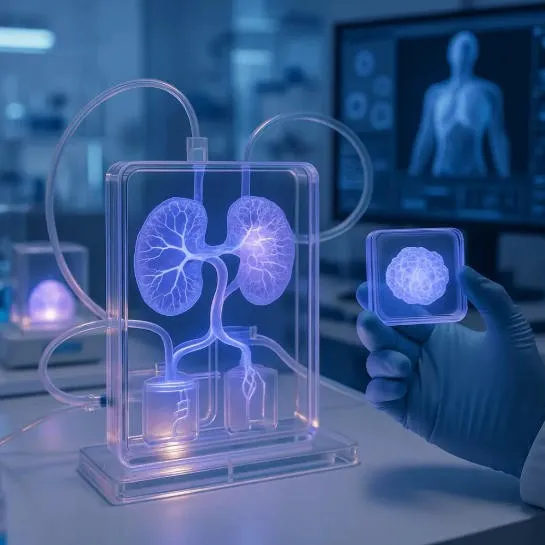
New approaches such as AI models and organ on chip systems are being promoted instead.
Soon after, the NIH declared it would stop funding new projects based solely on animal experiments.
At the same time, the United States is facing a shortage of laboratory monkeys.
This shortage began in 2020 when China restricted exports of primates due to the COVID-19 pandemic.
Prices for research monkeys surged dramatically.
Animal rights groups have also increased pressure. Some research centers are even considering shutting down.
All of this creates a demand for alternatives.
A Solution to Real Problems
Despite its disturbing nature, the idea of brainless human bodies addresses real challenges.
The Problem with Human Testing
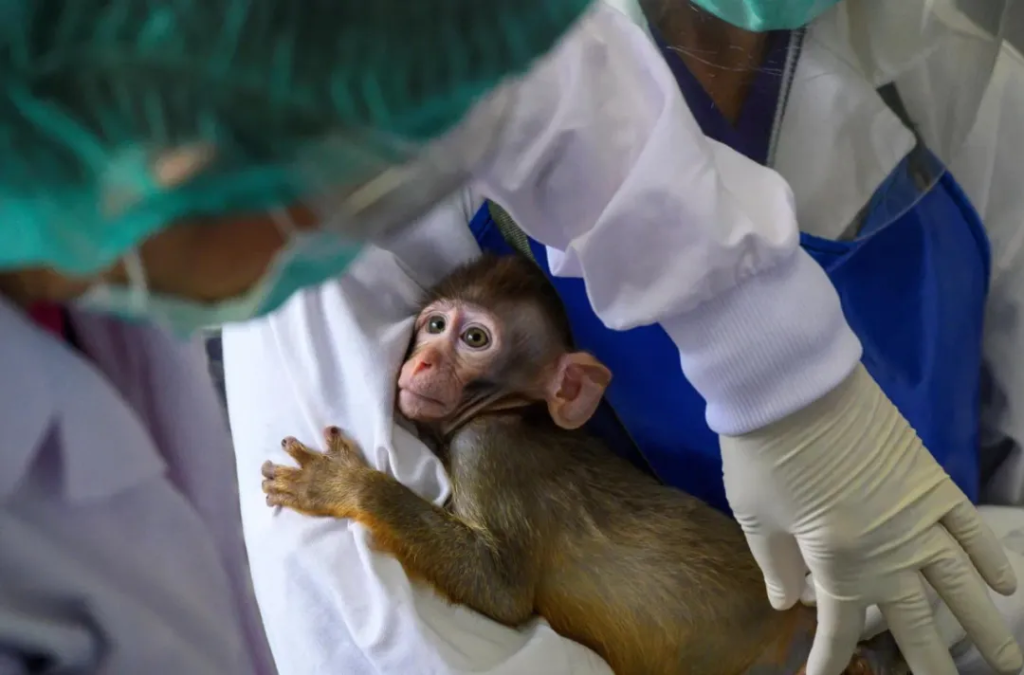
Drugs that work in mice often fail in humans.
It is estimated that about ninety percent of drugs that pass animal testing fail during clinical trials.
Each failure costs time, money, and effort.
Even advanced tools like organ on chip technology cannot fully replicate the complexity of a human body.
A complete human system without consciousness could, in theory, provide a far more accurate testing platform.
The Organ Shortage Crisis
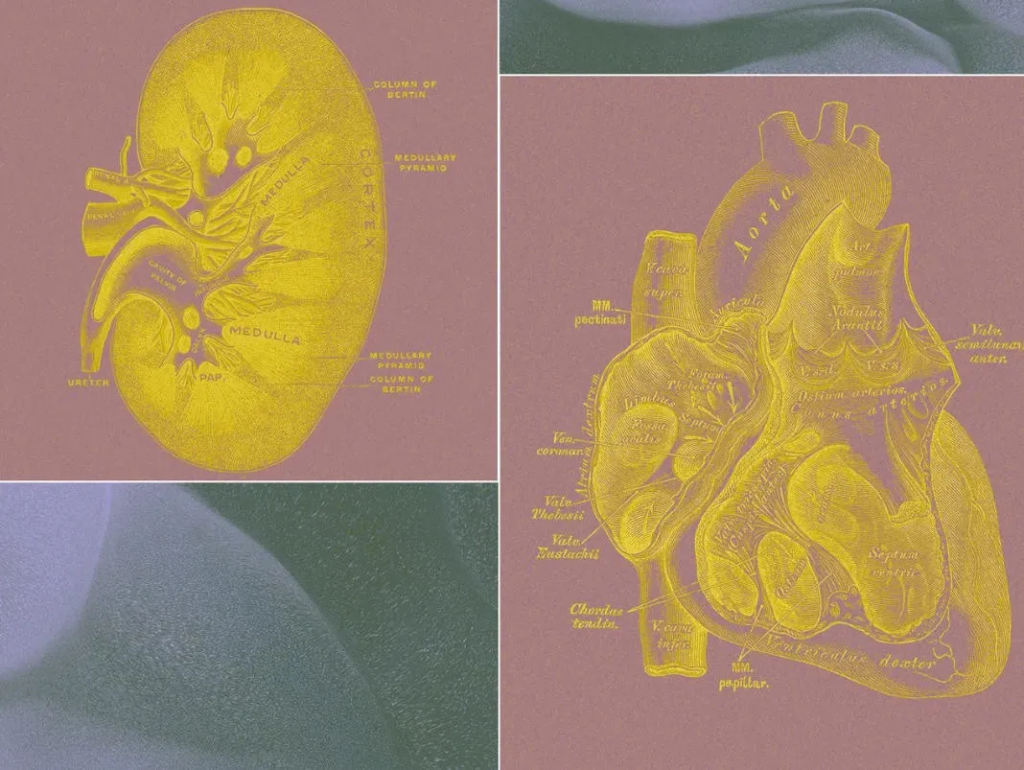
There is also a severe shortage of transplant organs.
In the United States alone, over 100,000 people are waiting for transplants. Around 17 die each day without receiving one.
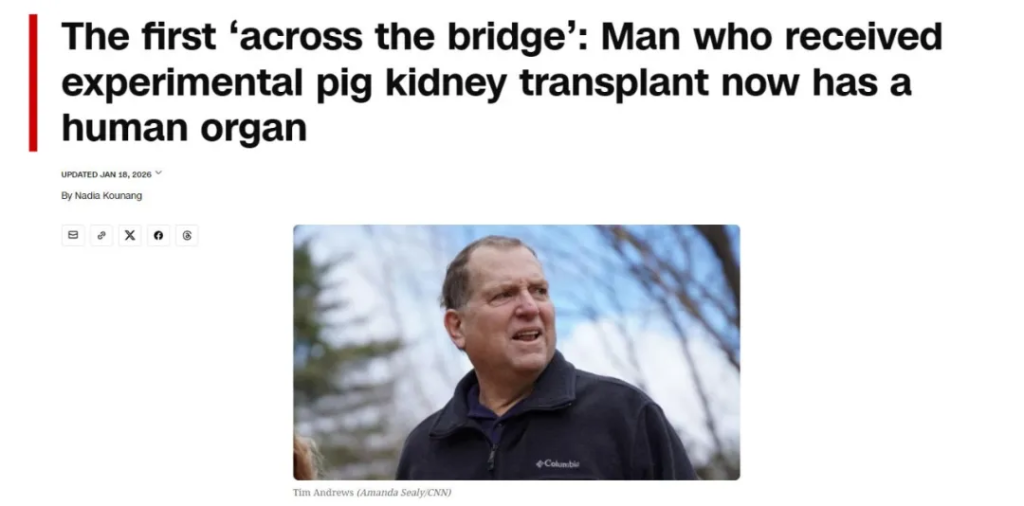
Scientists have explored alternatives, such as transplanting genetically modified pig organs.
In January 2025, a man lived for 271 days with a modified pig kidney. Eventually, his body rejected it.
If human organs could be grown directly, this problem might be solved.
The Ethical Dilemma
The entire concept depends on one assumption.
No brain means no consciousness. No consciousness means no ethical issue.
Bioethicist Hank Greely from Stanford has suggested that a body without a brain would not feel pain.
But science does not fully understand consciousness.
We do not know exactly where it comes from or how it arises.
Is the brain the only source?
There is no clear answer.
A Legal and Moral Gray Zone
Even if the technology works, it raises profound questions.
Would harvesting organs from such a body be ethical?
Debates about organ donation from patients with brain death have lasted for decades.
A bodyoid would exist in an even stranger category.
It would never have had a personality, yet its physical form would be human.
So how should it be defined?
As biological material?
Or as a new kind of human entity?
How Close Are We Really?
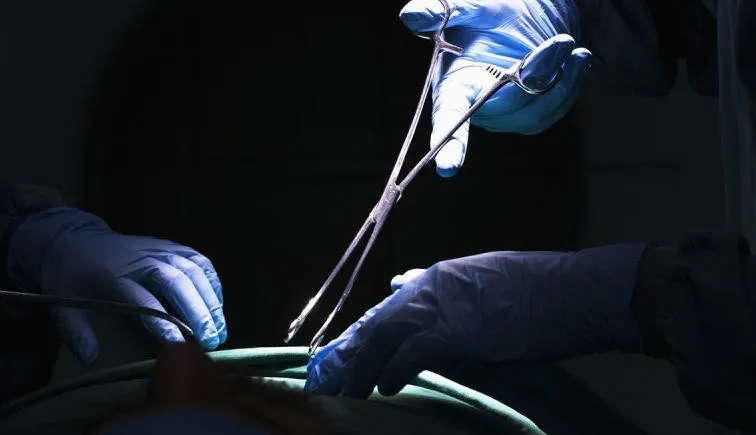
For now, this remains largely theoretical.
Reports suggest that R3 Bio is currently working with animal cells.
According to Gilman, the company has the ability to create mouse level “organ sacks.” However, she denies creating fully developed brainless animals.
Still, investigative reporting has raised questions.
A job listing in Puerto Rico mentioned tasks such as embryo implantation, pregnancy monitoring, and assisting births.
This suggests that experiments may already be underway.
The Technical Path Forward
Scientists believe the process would involve combining stem cell techniques with gene editing.
Researcher Paul Knoepfler from the University of California explained a possible method.
Stem cells could be guided to develop into a full body while genes responsible for brain formation are disabled.
The result would be a body with organs but no brain.
Practical Barriers
Even if embryos can be created, growing them into full bodies is another challenge.
It could take more than a decade to develop a viable organ donor.
Without a brainstem, such a body would not be able to breathe independently. It would require constant intensive care.
The cost would be enormous.
To become commercially viable, the process would need to be scaled up like a factory.
That would require legal approval and clear classification.
A Debate That Cannot Wait

Some experts argue that the discussion must happen now.
If society waits until the technology is ready, it may be too late to set boundaries.
The idea of designing a body with only selected parts forces a deeper question.
Perhaps the real issue is not what these creations lack.
It is what humanity might lose in the process of creating them.