





A New Era for the iPhone
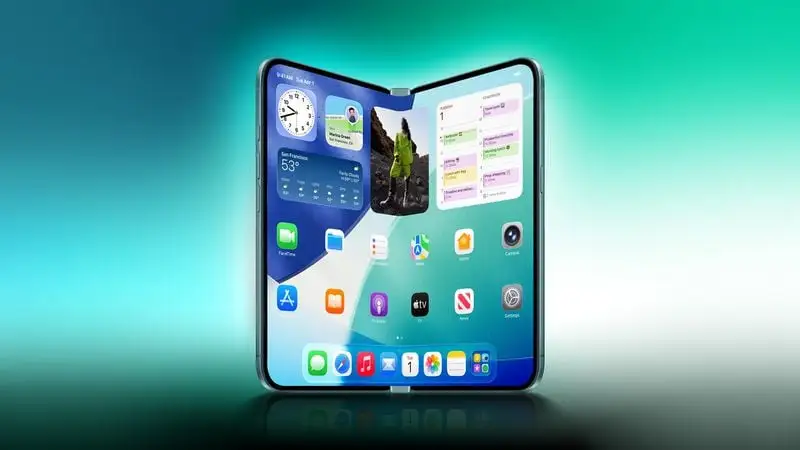
Apple might soon enter the foldable phone race.
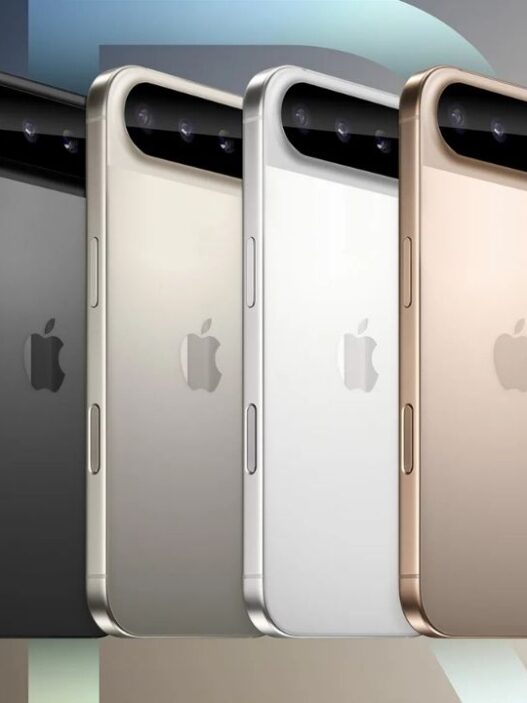
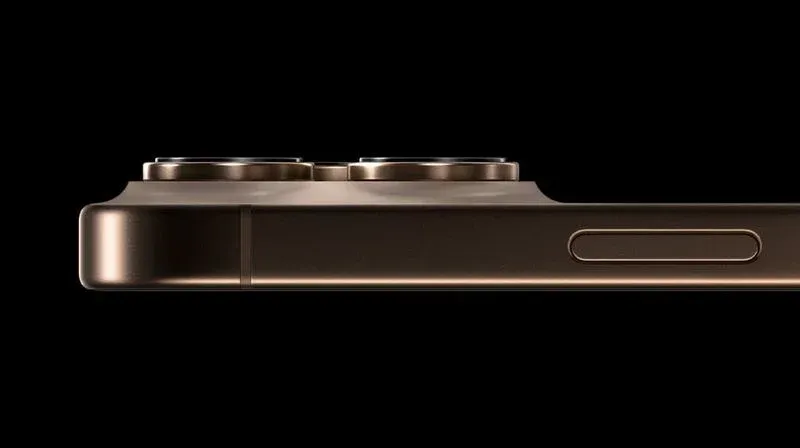
Analyst Jeff Pu claims Apple’s upcoming iPhone Ultra will feature a titanium-aluminum hybrid frame.
His report to investors suggests that both the iPhone Fold and iPhone Air, expected in 2026, will use this new metal combination.
This marks Apple’s bold step toward a lighter, stronger, and more premium design.
Different Analysts, Different Metals
Earlier this year, Ming-Chi Kuo made similar predictions.
However, the two analysts disagree on Apple’s exact material choice. 
Pu believes Apple will mix titanium and aluminum.
Kuo expects titanium and stainless steel.
He also thinks the hinge will combine both titanium and liquid metal, improving strength and flexibility.
Such design choices could give Apple’s foldable device an unmatched balance between durability and portability.
Ultra-Thin, Ultra-Tough
Leaks suggest Apple’s foldable iPhone might measure only 4.5mm when open—thinner than the rumored iPhone Air.
To achieve that, Apple needs something as tough as titanium.
The iPhone 15 Pro already proved titanium’s resilience, surviving intense bend tests.
By expanding titanium use, Apple strengthens its devices while keeping them sleek.
Future models like the iPhone 18 Fold and iPhone 18 Air may follow this path, adopting the same hybrid metal approach.
Why Titanium-Aluminum Is a Smart Move
Titanium alloys often include traces of aluminum.
Apple may push this idea further by blending the two metals strategically.
Titanium, though heavier, adds strong support for critical parts.
Aluminum helps balance the weight.
Together, they create a lightweight yet sturdy structure—ideal for foldable phones.
The Name Game: Why “Ultra” Works
Reports from 9to5Mac suggest Apple may skip “Fold” and go with iPhone Ultra instead.
This name fits Apple’s tiered branding logic.
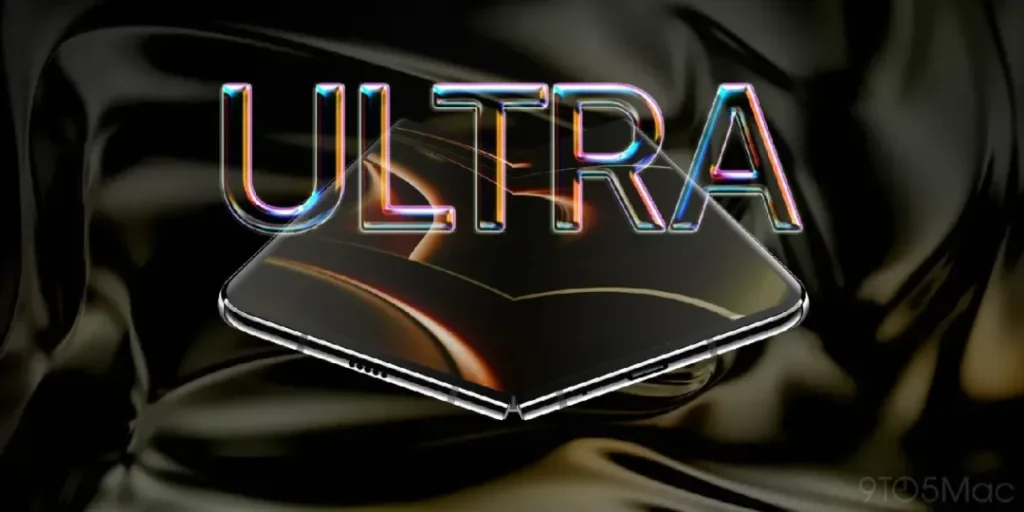
Just like the M3 Ultra chip surpasses the M3 Max, “Ultra” implies a leap beyond Pro Max.
It signals exclusivity and cutting-edge performance.
There’s also a marketing angle.
The Apple Watch Ultra, priced at $799, costs almost twice as much as the standard Series model.
Analysts believe the foldable iPhone could break the $2000 mark, nearly doubling the iPhone 17 Pro Max price.
“Ultra” sounds premium and aspirational, while “Fold” might remind people of fragile experimental phones.
That’s why Apple’s choice feels more psychological than technical—it sells ambition, not just innovation.
Meanwhile, the iPhone 17 Shines
The iPhone 17 has already launched with several solid upgrades.
It features a 6.3-inch screen, 120Hz refresh rate, and 256GB base storage.
These improvements make it one of Apple’s most well-rounded models yet—and likely a major seller this year.
Final Thoughts
If the leaks are true, iPhone Ultra could redefine what premium smartphones mean.
It promises a titanium-aluminum hybrid frame, a thin yet durable build, and a price to match its name.
Apple’s move shows confidence in pushing the boundaries of design, technology, and luxury.
The foldable future of the iPhone might be just around the corner—and it’s looking Ultra in every sense.