




For most people, a parent’s embrace is a symbol of safety and warmth. Few would imagine that those same hugs could carry invisible danger, one that would strike decades later.
Elaine Ellery, the wife of a former managing director of the legendary music equipment company Marshall Amplification, passed away in August 2025 at the age of 67 in a care home. Her death shocked those who learned how her illness began.
A Silent and Lethal Disease

An autopsy confirmed that she died from mesothelioma, a rare and aggressive form of cancer. Mesothelioma develops in the mesothelium, a thin layer of tissue that lines many internal organs. It most commonly affects the lining around the lungs. 
Patients often experience shortness of breath, persistent coughing, fatigue, night sweats, and loss of appetite. The disease is known for its long latency period. Symptoms can take decades to appear. Once diagnosed, treatment options are limited and mainly focus on extending life rather than curing the illness.
In the United Kingdom, around 2700 people are diagnosed with mesothelioma each year. Most patients are over the age of 75. Many previously worked in construction or electrical industries, where exposure to asbestos was common. Because of this link, the illness is often referred to as asbestos cancer.
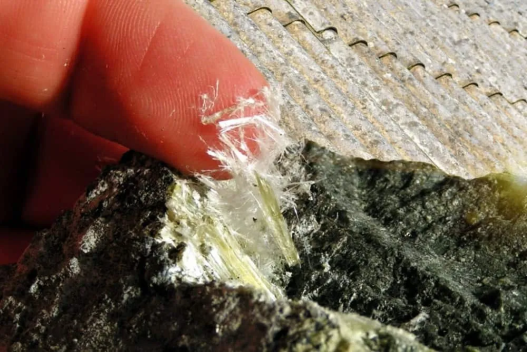
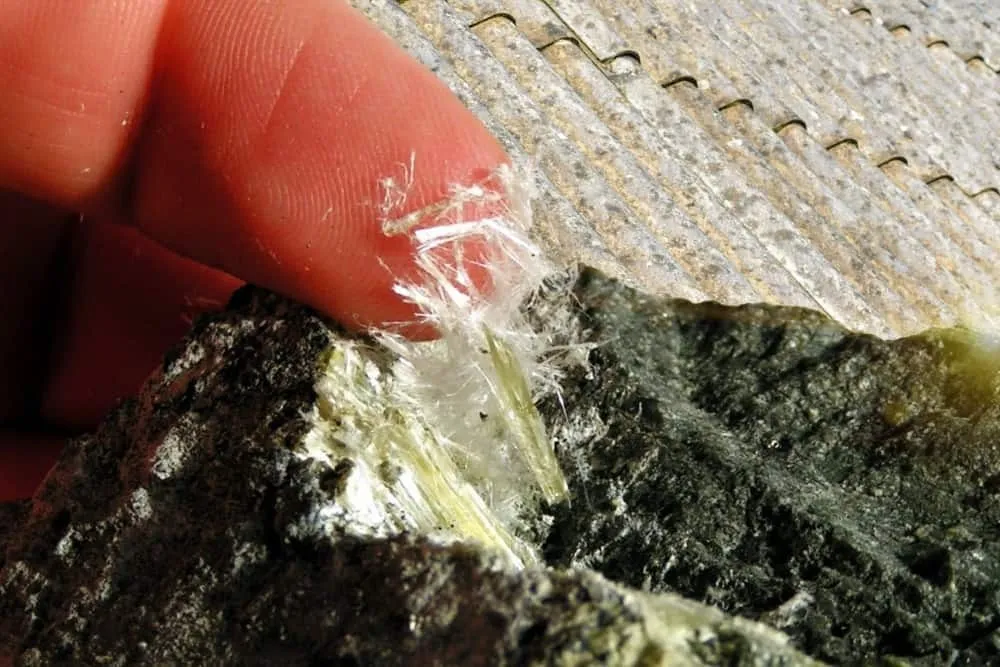
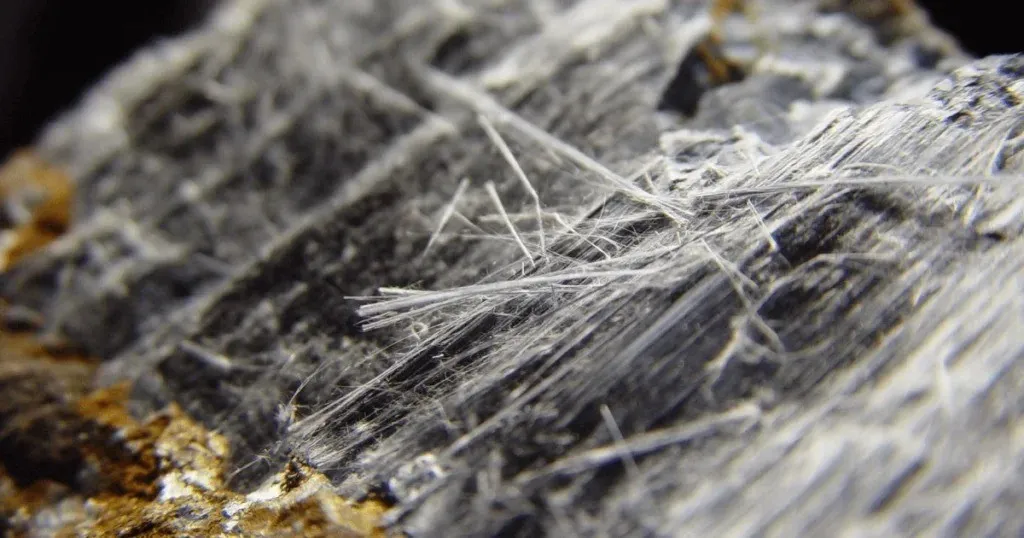
Asbestos is a group of naturally occurring fibrous silicate minerals that were widely used for insulation and fire resistance during much of the twentieth century.
A Mystery of Exposure
What puzzled many was how Elaine, who had never worked in construction or heavy industry, could have encountered asbestos at all.
The answer emerged in a memoir she shared before her death.
Elaine explained that her father began working as a temporary laborer in a factory in 1949. He remained employed there until he was laid off in 1974.
At the time, she was in primary school. She returned home for lunch each day. Her father also came home during his midday break. They frequently shared meals together.
He often arrived still wearing his work clothes. There was little time to change. As a child, she paid no attention to the dust clinging to his uniform. She only remembered that he wore sturdy clothing suited for manual labor.
Elaine described her relationship with her father as extremely close. Whenever he walked through the door, she would run toward him and wrap her arms around him. She was young and full of joy.
Dust That Looked Like Snow
Elaine also helped her mother with laundry. Her mother used a drum washing machine and hung the clothes outside to dry. Elaine would carry the laundry basket, including her father’s work garments.
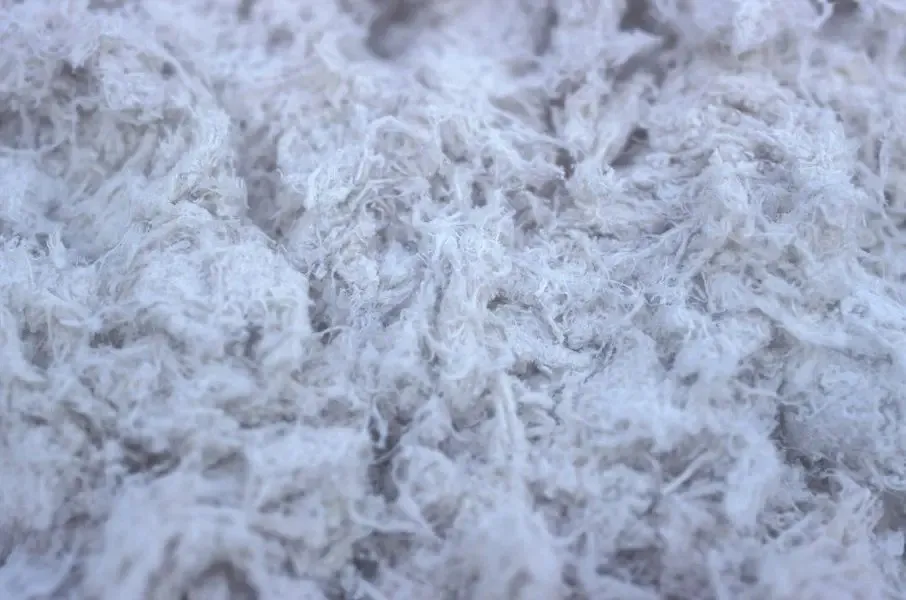
From the age of eight, she attended the factory’s annual Christmas party. She loved visiting the workplace. She remembered that the floor was often covered with a white material that looked like snow.
It was not snow. As an adult, she realized it was likely asbestos dust left behind from factory operations.
The chain of exposure became painfully clear. The factory floor contained asbestos. Her father carried microscopic fibers home on his clothing. Through hugs and household chores, she unknowingly inhaled or handled the particles.
Those fibers remained in her body for decades. Eventually, they triggered the cancer that would end her life.
A Family Marked by Occupational Disease
In 1983, Elaine’s father died of cancer. His death was officially attributed to occupational asbestos exposure. From that moment forward, asbestos became a lingering fear within the family.
Elaine said her mother had always worried about the health risks associated with asbestos. In October 2024, when Elaine herself was diagnosed with malignant mesothelioma, her mother was devastated.
Doctors could offer little beyond supportive care. The family watched helplessly as the disease advanced.
After Elaine’s death, a local coroner concluded at an inquest that she had died as a result of childhood exposure to asbestos. The coroner expressed sincere condolences to her loved ones and acknowledged the tragic nature of the case.
A Global Reckoning with Asbestos

Cases like Elaine’s have pushed governments and international health authorities to confront the dangers of asbestos more seriously.
In 1987, the International Agency for Research on Cancer classified asbestos as a Group 1 carcinogen. Later, the World Health Organization reaffirmed that classification, identifying asbestos as a known cause of cancer in humans. Many countries have since imposed comprehensive bans on its use.
Elaine’s story is a stark reminder that environmental hazards can travel silently across generations. A simple childhood hug became an unintended pathway for toxic fibers.
It is a tragedy shaped by industry, time, and invisible dust. It is also a warning that continues to resonate today.