








On November 20, 2025, entrepreneur Craig Schmeizer was found dead inside his Manhattan townhouse. He was only weeks away from finalizing his divorce.
The official autopsy concluded that he died from blunt force trauma to the head that caused a subdural hematoma. Yet the manner of death was labeled “undetermined.” Even more startling, the New York Police Department announced there was no sign of criminal activity and quietly closed the case.
For Schmeizer’s family, nothing about it felt ordinary. 
From Wall Street to Mattress Millions
Schmeizer had spent two decades working on Wall Street. In 2016, he left finance to co-found Nectar Sleep, an online mattress company that quickly became a major player in the booming direct-to-consumer market.
Within just a few years, annual sales reportedly surpassed 500 million dollars. His personal wealth surged alongside the company’s rapid growth.
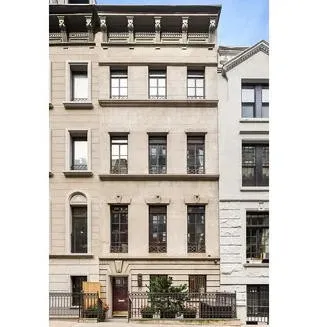
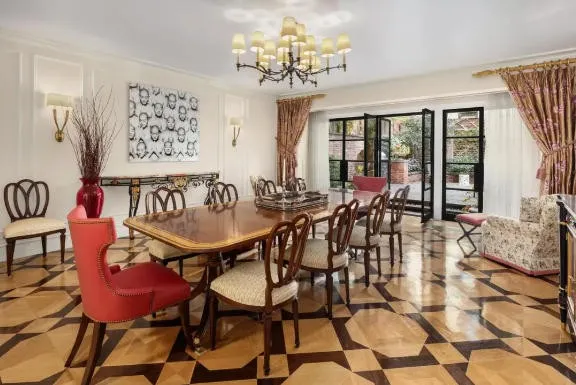
In 2022, he paid 13.2 million dollars for a four-story townhouse on Manhattan’s Upper East Side, near the Metropolitan Museum of Art in New York City. It was an elegant property with soaring ceilings, fine wood floors, and space for art and wine collections. It would also become the place where he took his final breath.
Divorce in Progress, Estate in Limbo
At the time of his death, Schmeizer’s divorce from Sarah Shalev was not yet finalized. Under New York law, she stood to inherit the townhouse and assume control over his estate.
Instead, the home ended up under the control of someone else entirely.
That person was his live-in nanny, Hilarie Page, 66 years old. What began as an employment relationship gradually blurred into something far more complicated.
Employee, Companion, or Something More?
Page had been hired roughly a year before Schmeizer’s death. At first, her role seemed straightforward. Schmeizer traveled frequently for business, and the large townhouse required constant care.
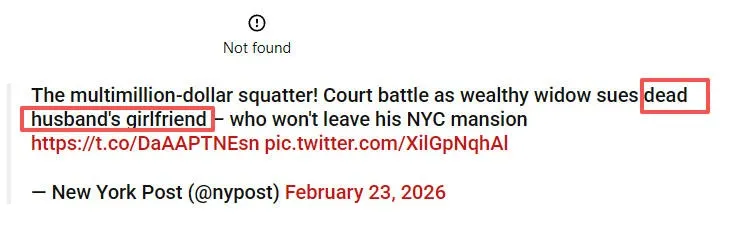
Over time, Page moved into a guest room. She began accompanying him on trips. According to later media reports, including coverage by the New York Post, their relationship may have extended beyond employer and employee. Some outlets even described her as his longtime girlfriend.
Public records reveal little about Page. Her LinkedIn profile lists her employer as confidential and offers almost no personal details.
What is clear is that tensions escalated dramatically in the months before Schmeizer’s death.
An Arrest Just Weeks Before the Death

On September 27, 2025, less than two months before he died, Page was arrested on charges of assault and harassment. The alleged victim was Schmeizer himself.
Photos later provided to reporters showed blood streaming from his left ear and staining his white shirt. According to relatives who spoke to The New York Times, Schmeizer had previously confided that Page sometimes struck him during arguments. He allegedly told family members she had used objects from the house as weapons, including a fireplace poker and even a wine bottle.
Despite the arrest, he did not fire her. He did not pursue charges. She returned to the townhouse as if nothing had happened.
Family members say he was deeply conflict-averse and prone to giving people second chances. That pattern, they believe, may have cost him dearly.
“You Can’t Make Me Leave”

In the final weeks of his life, Schmeizer reportedly told relatives he was trying to regain control of his situation. He was pushing forward with the divorce. He also wanted Page out of the house.
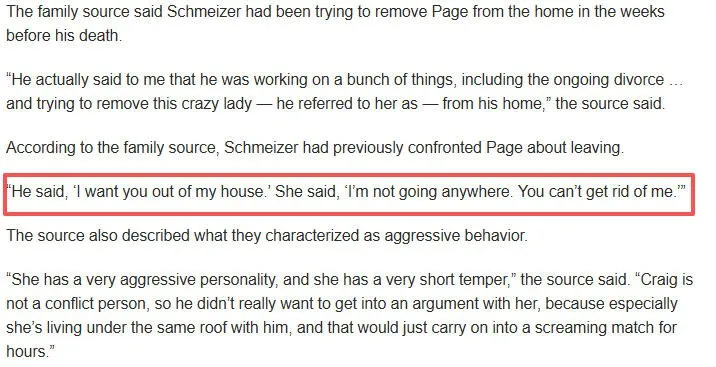
According to family accounts, he directly told her to move out. Her response was defiant. She allegedly said she was not going anywhere and that he could not force her to leave.
Then, in November, he was found unconscious inside the home. He later died from his injuries.
The townhouse had only two occupants: Schmeizer and Page.
To his family, the situation seemed obvious. Yet authorities maintained there was no evidence of a crime.
Case Closed, Questions Open
Relatives remain baffled by the severity of the head injury. They argue that a simple fall down the stairs would not normally produce that level of trauma.
Still, detectives closed the investigation. No charges were filed. Page was not publicly named as a suspect.
For the family, the legal fight was only beginning.
The House That Law Couldn’t Reclaim
After Schmeizer’s death, Page stayed in the townhouse. She refused to leave. And under New York housing law, that decision carried weight.
In New York, anyone who occupies a residence for more than 30 consecutive days can acquire tenant-like rights, even without a formal lease. Because Page had been living there with Schmeizer’s permission, her status was not that of a trespasser. Instead, she could claim to be a lawful licensee.
This transformed the matter from a potential criminal issue into a civil dispute.
When Shalev attempted to change the locks, the move backfired. Without a formal eviction order, she had limited authority. On one occasion, she and her lawyer went to the property, rang the bell repeatedly, and tried to force a confrontation. Page reportedly burst out shouting and called the police.
Officers arrived and instructed Shalev to leave. Without a court-issued eviction order, they could not remove Page from the property.
The dispute is now tangled in proceedings before the New York Supreme Court in Manhattan.
Millions Inside, No Insurance Outside
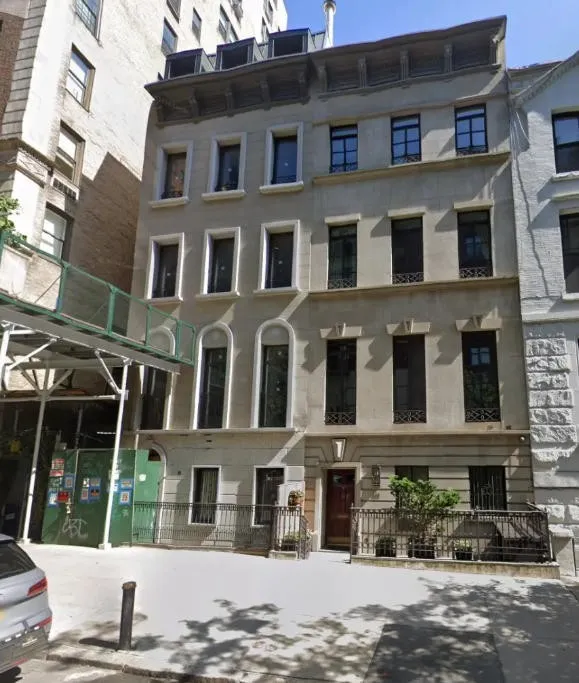
The townhouse reportedly contains valuable artwork and a substantial wine collection. Insurance coverage has lapsed because ownership and access remain contested.
Shalev cannot enter the house freely. She does not know the condition of the assets. Each passing week increases the financial risk.
Neighbors say that after a recent heavy snowfall, no footprints appeared outside the door. Page rarely leaves. She remains inside the mansion, silent and unreachable, declining media interviews and refusing public comment.
A Fortune Frozen in Place
What began as a story about wealth and success has become a saga of legal paralysis and unanswered questions. A multimillion-dollar property stands occupied by someone with no formal claim to ownership. The legal heir waits outside.
Meanwhile, a death officially ruled non-criminal continues to cast a long shadow over the Upper East Side.
The truth, if it ever emerges, now lies buried in court filings and unanswered police reports.