





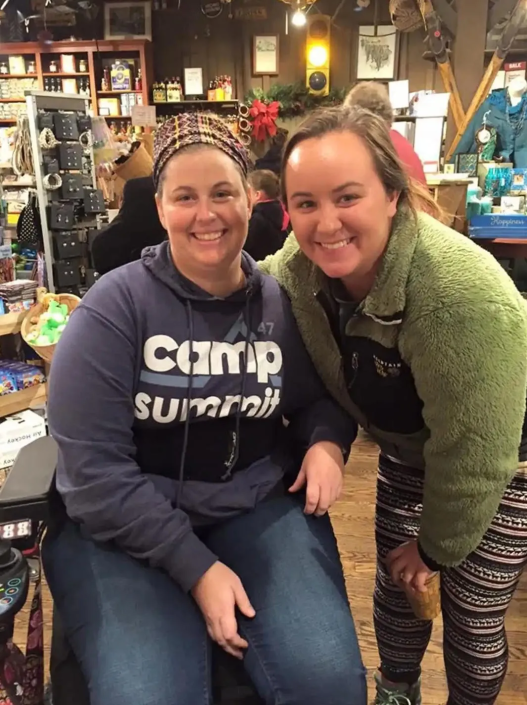
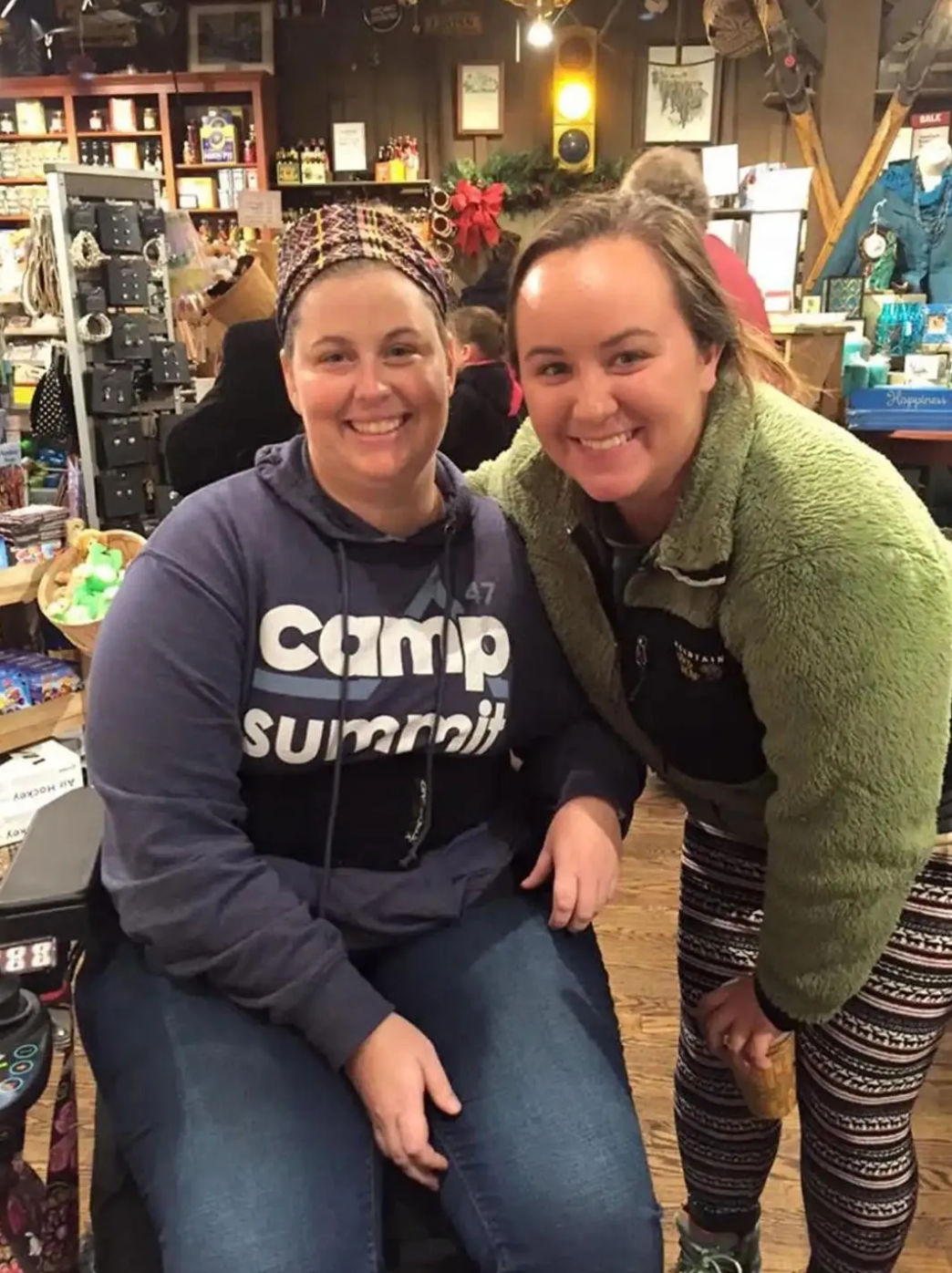
In the United States, there is a summer camp called Camp Summit, founded in 1947, located in Dallas, Texas. Despite its name, the camp is open year-round, welcoming people aged six to ninety-nine with various disabilities. Participants can try activities such as archery, swimming, and arts and crafts. Every activity is adapted to each camper’s abilities to ensure everyone can participate.
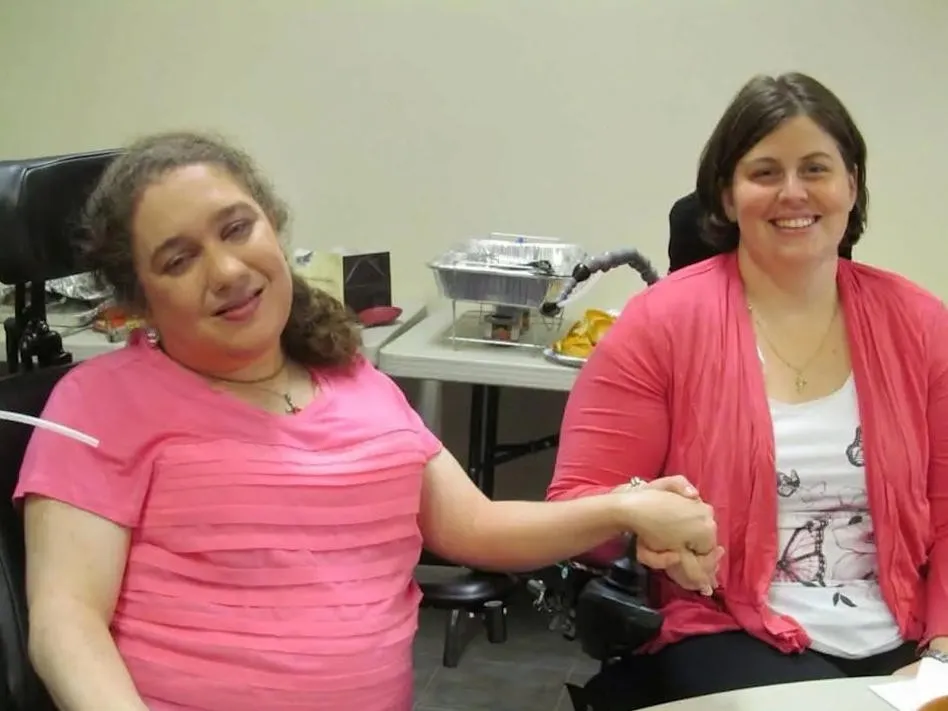
In the fall of 2015, Sarah Delashmit first arrived at the camp.
A Life Lived in a Wheelchair
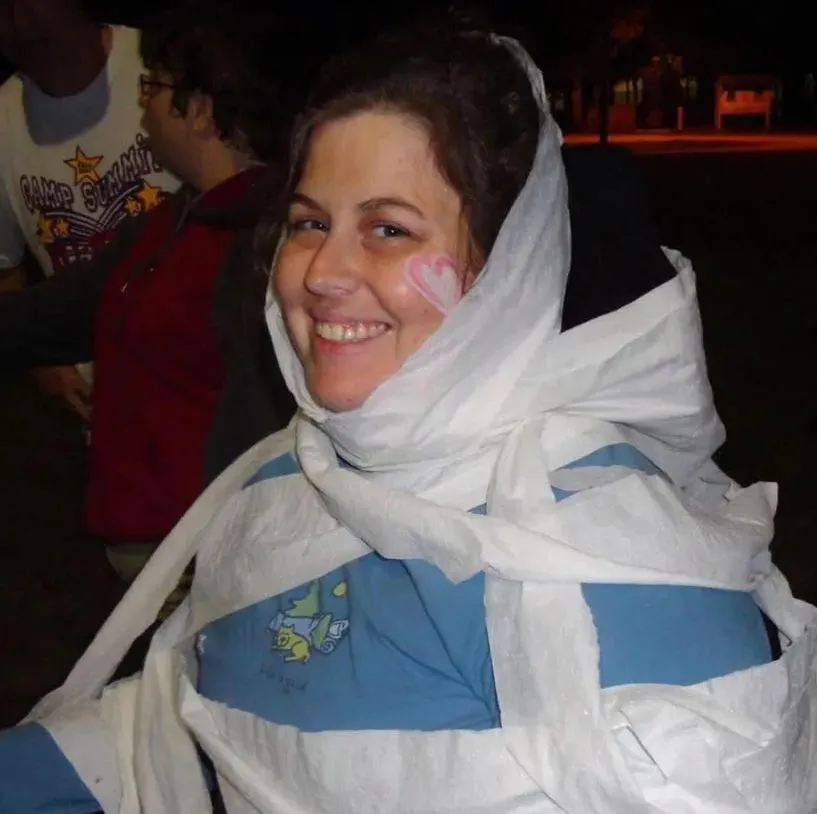
In her early thirties, Sarah used a high-end electric wheelchair and needed a respirator. She was diagnosed with Muscular Dystrophy and Spinal Muscular Atrophy, leaving her paralyzed from the neck down. The camp staff had to assist with all her daily activities: bathing, dressing, eating, and even using the restroom—sometimes more than ten times a day. 
Yet her attitude was unexpectedly upbeat. She bonded with staff and other campers, playing pranks such as wrapping belongings in cling film or replacing Oreo cream with toothpaste. A young girl, who also used a wheelchair, looked up to her, saying she wanted to grow up to be like Sarah.
At one camp party, Sarah quietly told counselors Sam Ryan and his wife Racheal that she wished someone would invite her to dance. A staff member overheard, lifted her from her wheelchair, and spun her around to the music. Sitting back down, she told Sam her dream had come true.
Later, the camp arranged horseback riding. Racheal held Sarah from behind as they rode across the warm grass. Afterward, Sarah drew a picture of two stick figures riding the same horse—one with dark hair, one with red—though she had no strength in her arms; staff guided her hands.
The Start of Deception: College Years
Back in 2003, Sarah was a college freshman, blending in with roommates. She claimed to have had childhood leukemia, a father who was a doctor, and a pre-medical path. In reality, her father was deceased, and she lived with her mother in a modest Illinois home. She later told roommates her leukemia had returned, requiring chemotherapy, drawing constant attention and care.
Once, she appeared holding a clump of hair, claiming it fell out from chemo, though in reality her hair had not thinned. At a movie night watching A Walk to Remember, she cried over the lead character’s leukemia, stirring conflict among her friends.
These lies were just the tip of the iceberg.
Online Manipulation and False Identities
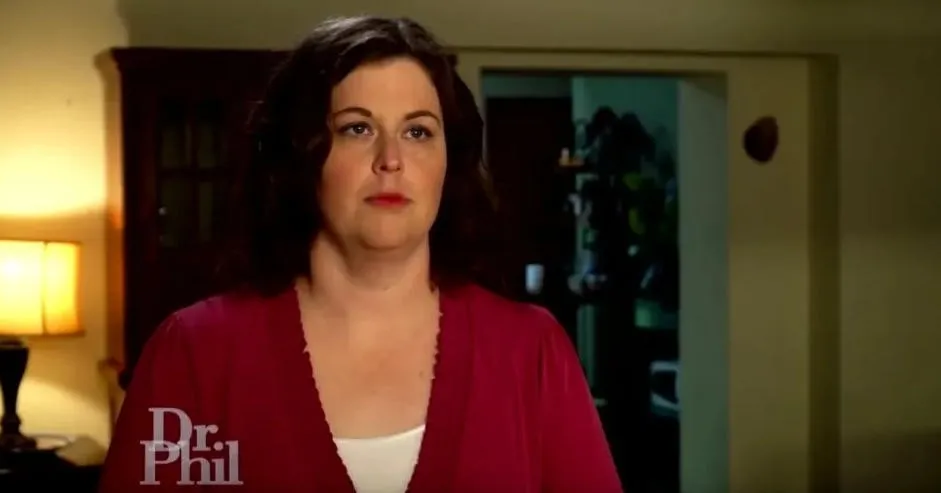
By 2006, Sarah had created a complex web of deception online. Andrea Smith managed an SMA support forum and noticed two active accounts, “Megan” and “Connie.” “Connie” claimed to be a mother of a child with Spinal Muscular Atrophy, and “Megan” shared her own SMA-related struggles.
Experienced parents quickly noticed inconsistencies. Investigations traced emails tied to forums for SMA patients and childhood cancer survivors. Many of the photos she used were stolen, including images of Sarah Schwegel, an official MDA ambassador.
Eventually, the FBI identified Sarah Delashmit as the person behind all false identities. She admitted she had fabricated every story: she did not have SMA, nor did she have a sister named Gabby.
Exploiting Friendships to Learn Disabilities
Sarah’s deception continued at camps. In 2005, as a college student intern at a California camp for people with disabilities, she befriended a girl named Erin Johnson, who had cerebral palsy and used a wheelchair. Sarah obsessively learned every detail about living with disabilities from Erin—how to position hands, body, and sense sensations—just to fake being disabled herself.
For nearly twelve years, Sarah maintained this parasitic friendship online, inventing absurd stories about brain tumors, Ebola, a fictional husband “Adam,” and a child who never survived. She even manipulated online romances, pretending to be friends of non-existent people to continue the deception.
Fabricated Pregnancies and Cancer Stories
After college, Sarah’s lies escalated. She posed as pregnant with triplets and posted stolen photos online. Later, in Oklahoma, she worked as a nurse in a NICU and claimed twin pregnancies, using pillows to simulate a belly and ultrasound images. Both babies “died,” garnering sympathy, until an internal investigation revealed the deception.
In 2015, she appeared at Camp Summit again, pretending to be paralyzed from the neck down—a scene described at the beginning.
In 2016, the camp received a tip: Sarah was healthy. Her family arrived, and she suddenly stood from her wheelchair in front of everyone.
Irony and Legal Consequences
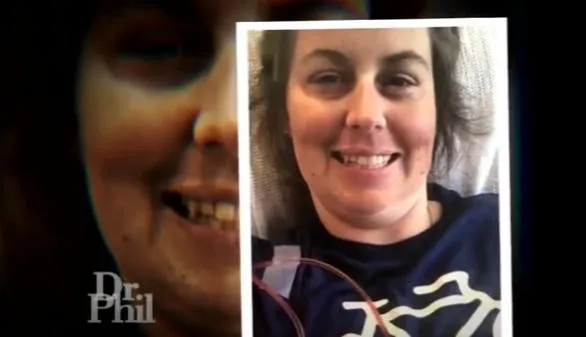
Sarah continued fabricating illnesses, posing as a breast cancer survivor from 2017 to 2018. She joined charity programs and received sponsorships for an Ironman triathlon bike and gear. However, she used her mother’s credit card to purchase a bike fraudulently, which became the first criminal evidence.
In March 2020, a federal grand jury charged her with eight counts, including wire fraud and identity theft. In October 2020, she pleaded guilty, admitting she never had cancer or SMA. In January 2021, she was sentenced to 18 months in federal prison with three years of supervised release.
Motivation and Psychological Insight
Sarah’s deception was not motivated by money; she reportedly still had $70,000 in student loans. Psychiatrist Marc Feldman suggested that she derived pleasure from deception itself, enjoying the power of misleading and controlling others.
Despite release in March 2022, she reportedly resumed social manipulation, joining local mother support groups and continuing her elaborate lies, now with even greater caution.