




Hans Kristian Rausing’s shocking fall and rise, from living with tragedy to earning a royal knighthood in Britain.
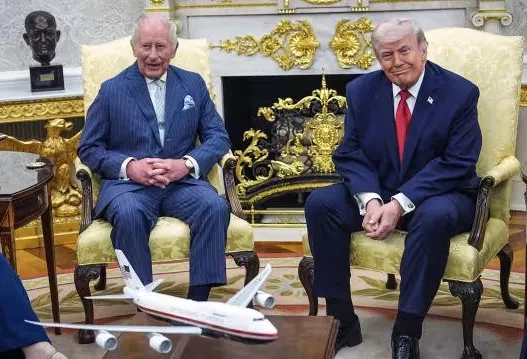
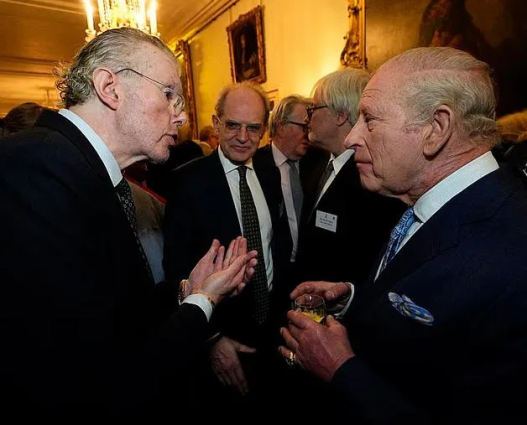
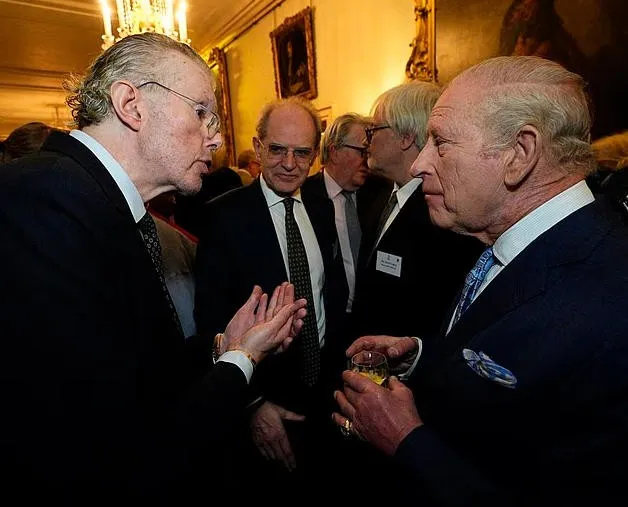
In March 2026, Queen Camilla hosted a private dinner at Clarence House.
Photographs from the evening showed King Charles deep in conversation with an elderly man. Neither of them looked at the camera.
Everyone recognized the King. But few recognized the man beside him. 
His name is Hans Kristian Rausing, heir to the Tetra Pak empire and a descendant of one of Sweden’s most powerful industrial families.
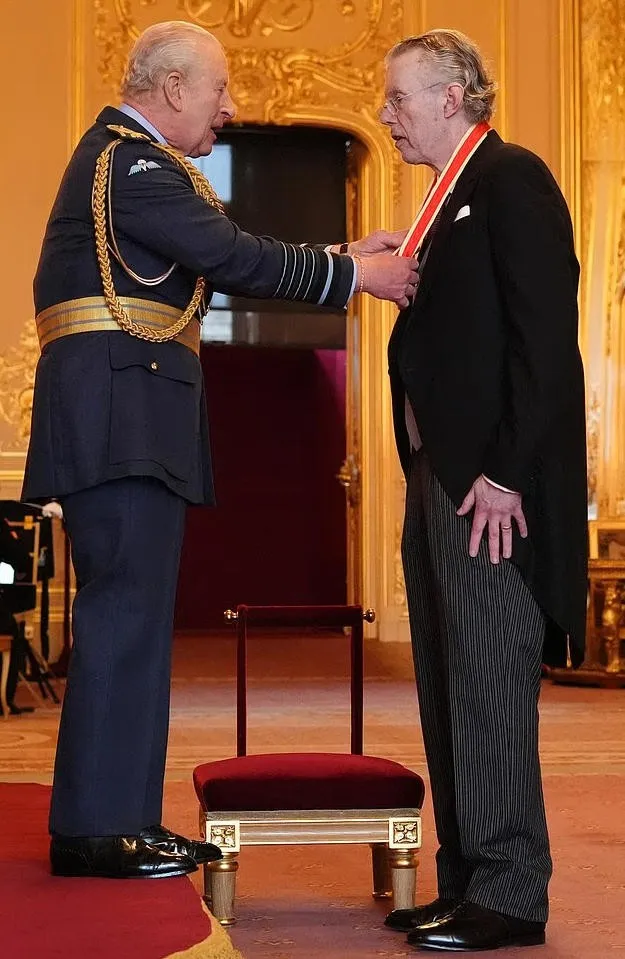
Just four months earlier, the King had personally awarded him a knighthood at Windsor Castle.
Yet more than a decade ago, this same man had lived in a mansion with his wife’s decomposing body for nearly two months.
The Fortune Behind the Name
Hans’s grandfather, Ruben Rausing, was born in 1895 in southern Sweden. He later studied at Columbia University in New York.
At the time, self-service grocery stores were booming in the United States. Ruben saw a gap in the market. There was no cheap and hygienic packaging for liquids.
In 1951, he invented a paper carton that allowed milk to be stored without refrigeration.
He founded Tetra Pak in Lund, Sweden, revolutionizing the global food industry.
By the time Hans came of age, the Rausing family was among Europe’s wealthiest.
When his father died in 2019, Forbes estimated the family’s fortune at around 12 billion dollars.
A Rebellious Heir
Hans was born in 1963 in Lund. He showed little interest in the family business.
Instead, he traveled to India in search of spiritual meaning.
He did not find enlightenment. He found heroin.
According to his sister’s memoir Mayhem, Hans developed a drug addiction in his late teens.
For years, he struggled between relapse and recovery.
Love Born in Addiction
Fate can be cruel in unexpected ways. It often gives joy before tragedy.
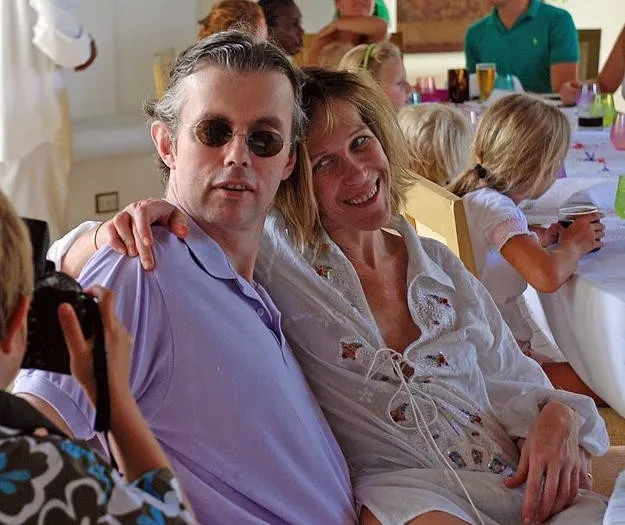
Hans met his future wife, Eva Kemeny, at a rehabilitation clinic in the United States.
Eva, born in 1964, was the daughter of a PepsiCo executive. She was also battling addiction.
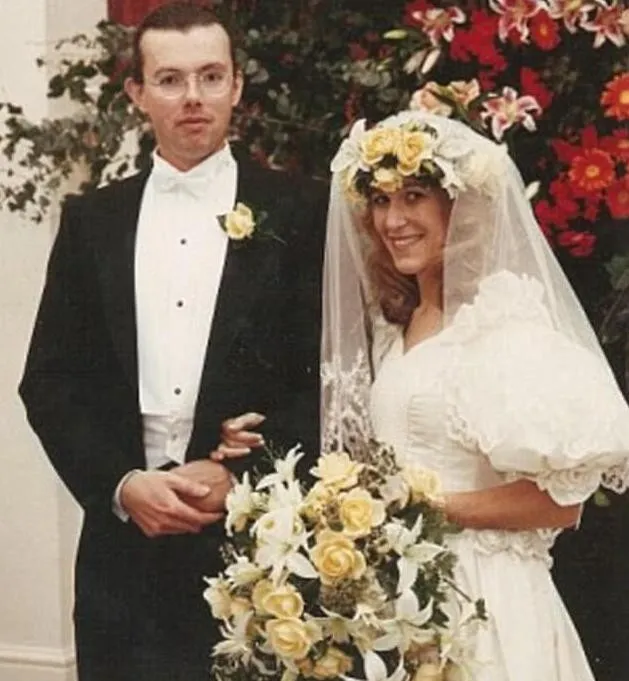
They married in October 1992.
To outsiders, their life seemed perfect. They owned a London mansion and a villa in Barbados. They moved within elite social circles across Europe and America.
They also supported addiction-related charities. Eva even sponsored an international drug prevention organization and worked alongside Catherine, Princess of Wales in charitable efforts.
Their story looked like redemption.
In reality, they had never fully escaped addiction.
Scandal Erupts
In April 2008, Eva visited the United States Embassy in London. She forgot she had drugs in her possession.
Security officers discovered them.
Police searched their home and found more drugs.
The scandal shocked British society.
In Sweden, it was seen as a national embarrassment.
Despite the evidence, the couple received only warnings and were not formally charged.
But by then, their lives were already unraveling.
Isolation and Collapse
By around 2007, Hans and Eva had become deeply addicted again.
They had four children, the youngest only six years old.
Social services intervened. The children were placed in the care of Hans’s sister.
The couple largely disappeared from public view.
A Horrifying Discovery
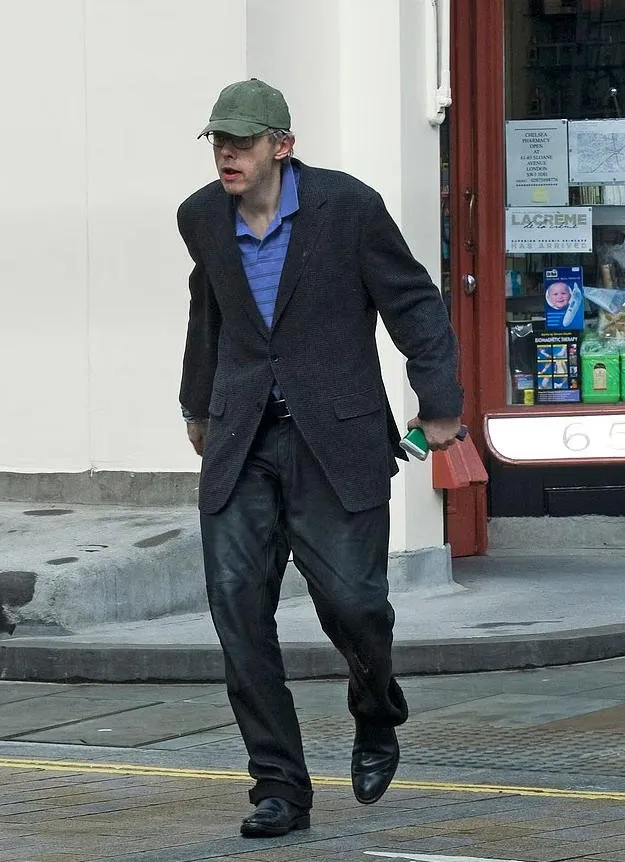
On July 9, 2012, police stopped Hans in London for erratic driving.
They found drug paraphernalia in his car, along with letters addressed to his wife.
This led to another search of their home.
Inside, officers discovered a badly decomposed body.
It was Eva.
She had died around May 7, according to her pacemaker.
Her body had remained in the house for nearly two months.
Hans had wrapped her in garbage bags and covered her with clothes and bedding.
He tried to mask the smell with deodorizing powder. The room was filled with flies.
In December 2012, a coroner concluded that Eva died from long-term drug abuse.
A Man in Denial
Hans was charged with preventing lawful burial and pleaded guilty.
In court, he said he could not face the reality of her death.
He tried to pretend nothing had happened.
He told a psychiatrist, “I know it sounds selfish, but I just didn’t want to let her go.”
The court sentenced him to ten months in prison, suspended for two years, on the condition that he undergo rehabilitation.
Unexpected Support
Eva’s parents responded with remarkable grace.
Despite everything, they publicly expressed love and support for Hans.
Most people distanced themselves from him.
One person did not: Charles, then Prince of Wales.
A Royal Connection
Charles had known the couple since around 2004.
Eva had been appointed to a board within one of his charitable organizations.
After the 2008 scandal, Charles publicly stated that they deserved sympathy and help, not condemnation.
This sparked criticism. Some argued that wealthy individuals were being treated more leniently than ordinary citizens.
After Eva’s death, Charles’s support became even more controversial.
Yet insiders suggested something deeper.
After the death of Diana, Princess of Wales, Charles had faced intense public anger.
He may have seen a reflection of his own experience in Hans.
A Second Chance

After Eva’s death, Hans met Julia Delves Broughton, a former Christie’s auction house executive.
She helped him rebuild his life.
Friends said she pulled him out of deep grief.
They married quietly in 2014.
Together, they established a charitable trust.
It became one of the largest private charities in the UK.
They donated over 330 million pounds and distributed about 50 million pounds annually.
During the COVID-19 pandemic, they provided more than 35 million pounds in emergency funding to struggling charities.
Redemption or Reinvention
Whether Hans truly overcame addiction remains unclear.
After Eva’s death, he stayed out of police records.
His charitable contributions continued to grow.
Some see redemption. Others see a more refined way of buying respectability.
The truth likely lies somewhere in between.
Loss Returns
In April 2024, Julia died of cancer.
Hans withdrew further from public life.
He spent most of his time alone in his Chelsea home.
Still, his charitable work continued.
In September 2025, his foundation donated 150 million pounds to the National Gallery in London to support its expansion.
A Knighted Past
In June 2025, Hans was named in the King’s Birthday Honours list.
He was awarded a knighthood for his contributions to the arts.
In December, King Charles personally presented the honor at Windsor Castle.
Such recognition is extremely rare for someone with a criminal record.
A Complicated Legacy
Today, Hans occupies a strange place in British society.
His story evokes both horror and admiration.
People remember the body in the garbage bags. They also remember the millions donated to charity.
He is invited to royal events. He has been officially honored.
It raises uncomfortable questions.
With enough wealth, can someone rewrite their past?
An ordinary person would have been destroyed by even one of his actions.
Hans Kristian Rausing, however, is now Sir Hans.
And that says as much about society as it does about him.