








“My baby just recovered from a cold… and now the cough is back again.”
“Is their immune system too weak?”
“Should I give more vitamin C? Maybe probiotics?”
Hold on for a second. Take a breath. Maybe sip some water.
Because the truth is—what shapes your baby’s health isn’t what they eat, but something far more fundamental: 
How much they move, how well they sleep, and how secure they feel.
Yes, the true “iron triangle” of a strong body is surprisingly simple: movement, sleep, and the parent-child relationship.
They may sound basic, but when done consistently and correctly, they build a rock-solid foundation for lifelong health.
Movement: The Most Underrated “Natural Vaccine”
You might think movement is just about burning off energy.
But for babies, it’s actually a powerful tool for building strength, boosting immunity, and stabilizing emotions.
Movement Fuels Physical Development
A baby’s cardiopulmonary function, bone density, and muscle strength all depend on movement.
Especially in the first year of life, milestones like rolling, lifting the head, crawling, standing, and walking reflect the coordination between the brain and the nervous system.
Movement isn’t just “output”—it’s internal construction happening in real time.

Movement Strengthens the Immune System
Regular activity boosts immune cell activity and enhances the coordination between the respiratory and circulatory systems .
Even simple actions—crawling on the floor, pushing a toy, or walking around the room—can do more for your baby’s health than expensive supplements.
Practical Tips
- For younger babies: practice tummy time, rolling, and assisted standing
- Once walking begins: use push toys, obstacle play, and mini jumping games
- After 18 months: chasing balls, carrying small objects, balance bikes
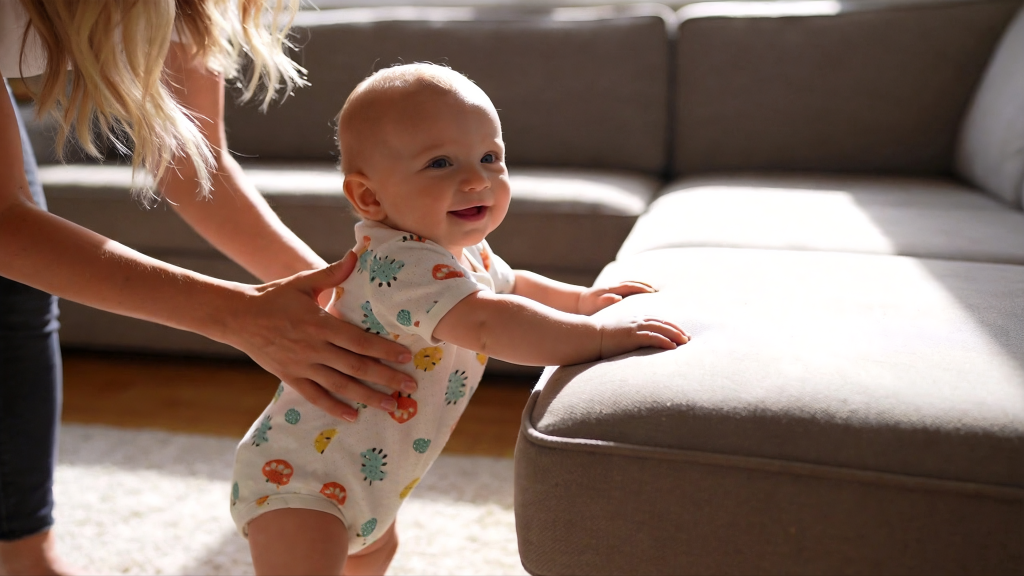
A little sweat is a good sign. A child who never sweats? That’s worth paying attention to.
Sleep: Where Growth and Immunity Are Built
Every parent knows the frustration of a baby waking up at night.
But sleep isn’t just about rest—it’s where the body grows, repairs, and strengthens.
Deep Sleep Is When Growth Happens
The peak release of growth hormone occurs during deep sleep, typically within the first 1–2 hours after falling asleep.
Miss that window, and the body misses its prime “repair time.”
Even if a child sleeps 10 hours, poor-quality sleep may mean they’re barely reaching deep sleep.
Poor Sleep Affects Everything
Chronic lack of quality sleep can:
- Lower immune activity
- Increase inflammation
- Raise the risk of infections
- Disrupt digestion
- Affect mood and attention
A tired child is often less active, more irritable, and eats poorly—creating a negative cycle.
Practical Tips
- Under 1 year: aim for sleep before 9 PM and establish a day-night rhythm
- Ages 1–3: keep consistent routines and regular naps
- Create a calm sleep environment with minimal light and noise
- Avoid heavy meals and overstimulation before bedtime
A well-rested child is like a body running its own nightly repair program.

Parent-Child Bond: The Hidden Power Behind Health
This is often overlooked—but it may be the most powerful factor of all.
The parent-child relationship isn’t just emotional—it directly impacts hormones, immunity, and brain development.
Emotional Security Protects the Body
When babies feel stressed, levels of cortisol rise.
Chronic high cortisol can suppress the immune system, disrupt sleep, and affect appetite and growth.
The best “stress relief”? A stable, warm, and responsive connection with parents.
In fact, a baby who is comforted while crying may actually be less likely to get sick than one who is told to “stop crying.”
Connection Builds Emotional Regulation
Daily moments of eye contact, touch, and emotional response help shape a child’s ability to self-regulate.
This internal emotional stability is far more powerful than any “discipline strategy” you’ll read about.

Practical Tips
- Set aside daily bonding time: talking, singing, reading, or gentle massage
- When your child is upset, don’t rush to correct—first, be present
- Create a bedtime ritual: the same book, song, or a long, warm hug
A child who feels understood becomes stronger—inside and out.
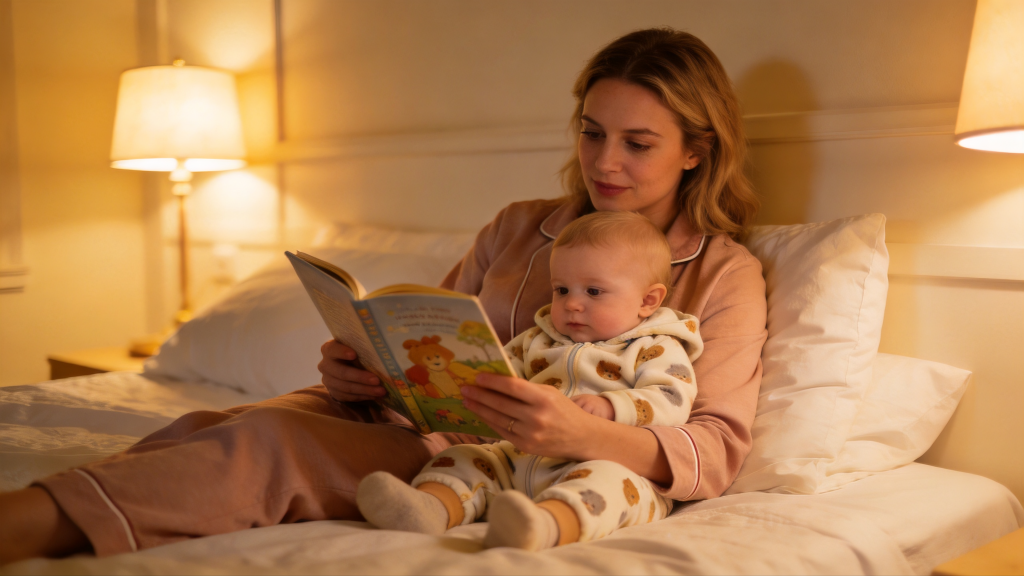
The Three Pillars Work Together
These three may seem simple—but they’re deeply interconnected.
Many parents focus on adding more—more nutrition, more supplements—while overlooking the basics.
But without movement, sleep, and emotional stability, the body struggles.
Here’s how they connect:
- More movement → better sleep → stable emotions → stronger immunity → more willingness to move
- Poor sleep → irritability → less movement → weaker immunity → more illness
One path creates a positive loop. The other leads to constant struggle.
Final Thoughts: Health Is Built in Everyday Moments
We all want the best for our children—premium formula, top education, the latest parenting advice.
But true health isn’t found in expensive solutions.
It lives in simple, daily moments:
- A sweaty crawling race across the floor
- A full night of deep, peaceful sleep
- A meltdown met with patience and warmth
These are the real building blocks of a strong body, resilient immunity, and emotional stability.
And together, they form the unshakable triangle of lifelong health.