





Discover how a clever investigation using tiny details led to the Child Rescue of a girl abused on the Dark Web for six years.The saying goes, “The devil is in the details,” and 50-year-old Greg Squire knows this better than anyone.
Squire, a special agent with the United States Department of Homeland Security, specializes in tracking child sexual abuse material on the Dark Web. His daily work revolves around uncovering tiny details that can lead to suspects.
The Case That Shook Him
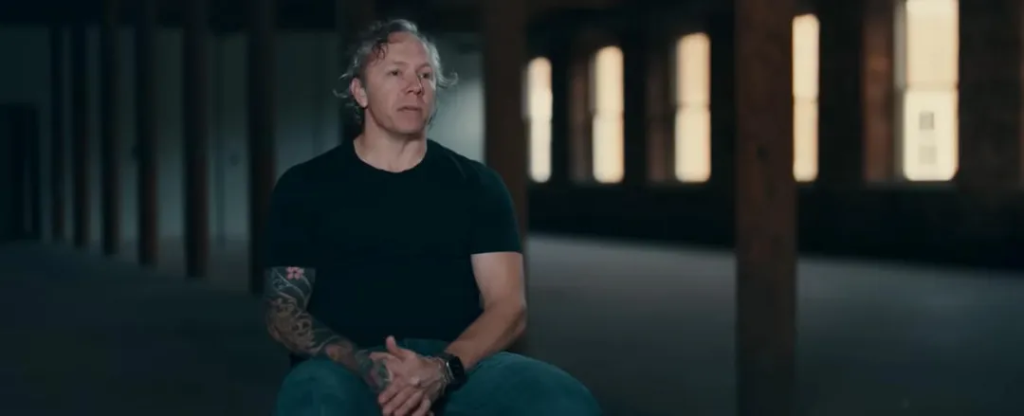
BBC spent seven years collaborating with Squire and investigative teams in Portugal, Brazil, and Russia to produce the documentary The Darkest Web. In it, Squire shares a case that redefines the meaning of “details.” 
In January 2014, Squire began investigating a child sexual abuse case—one of the first originating from the Dark Web. This case would have a lasting impact on how similar cases were approached in the future.
A Girl Lost in the Dark Web

The victim, referred to as “Lucy” by investigators, had images of her abuse circulating on pedophile forums in the Dark Web. Initially, she appeared to be around 12 years old in the photos. But further investigation revealed earlier images showing she had been abused since around age seven. This meant Lucy had endured at least five years of abuse.
The images were stripped of any identifying features—faces and markings were cropped carefully—making it impossible to know her identity or location. Squire and his team deduced she was in the United States based on the style of electrical outlets and light fixtures in the images.
Facebook Couldn’t Help

To quickly identify Lucy, Squire reached out to Facebook. In 2014, Facebook dominated social media and had advanced facial recognition tools that could have helped. However, Facebook responded: “We do not have the relevant tools.”
Years later, Facebook explained their lack of assistance: they must follow proper legal procedures to protect user privacy but aim to support law enforcement wherever possible.
The Breakthrough: A Sofa
Without facial recognition, Squire and his colleagues relied on careful observation. They analyzed Lucy’s bedroom for clues—bed sheets, toys, clothing. After seven or eight months, they spotted a lead: a sofa in her photos.
This particular sofa was not sold nationwide but only in select regions. Even though “limited” meant tens of thousands of potential buyers across 29 states, it narrowed the pool significantly.
Squire, emotionally affected by Lucy’s age being similar to his own daughter, endured constant anxiety as new images of abuse surfaced during the investigation. “The urgency of finding leads becomes your daily burden,” he said.
A Brick Wall Narrows the Search

Sometimes, solving such cases relies less on technology and more on subtle details. Squire’s team noticed a seemingly ordinary red brick wall in Lucy’s bedroom.
A Google search led him to the Brick Industry Association in the U.S. A representative contacted brick experts nationwide. One expert, John Harp, identified the brick as a “Flaming Alamo,” standard eight-inch bricks produced from the late 1960s to the mid-1980s.
While sales records were handwritten and scattered, Harp provided a critical clue: the bricks were heavy and not shipped far. This allowed Squire to estimate a 100-mile radius around the brick factory, dramatically narrowing the search from thousands to just 40–50 potential homes.
Pinpointing Lucy’s Location

By cross-referencing the sofa buyers with the brick radius and checking social media, Squire discovered a photo of Lucy with an adult woman who seemed close—a possible relative. Further investigation of her addresses revealed all the people she had lived with.
Using this information carefully, they avoided tipping off the suspect. They then revisited the brick expert, sending photos of house exteriors to identify whether they used “Flaming Alamo” bricks. One house matched the criteria and had purchased the sofa.
Rescue and Justice

Within hours, local Department of Homeland Security agents arrived to apprehend the perpetrator before Lucy returned from school. The man, who had abused Lucy for six years, was sentenced to 70 years in prison.
John Harp and his wife, longtime foster caregivers who have cared for over 150 children, were relieved at Lucy’s rescue. Harp described the investigation team’s emotional burden as “hundreds of times worse than anything I’ve seen.”
The Human Cost of Justice
Squire, who previously served in the military and later worked as a postal worker, joined Homeland Security and was assigned to an elite cyber unit handling child abuse cases. Early in his career, he encountered shocking videos that made him feel helpless. “I wanted to kill the man on screen,” he recalled.
Squire described his work as “drinking poison every day,” confronting humanity’s darkest crimes while knowing the impact of inaction. Years of exposure contributed to alcoholism and suicidal thoughts, which were later mitigated thanks to his partner Pete Manning, who helped him seek therapy.
Now sober for two years, Squire finds peace in daily routines: walking his dog in the woods, woodworking, and avoiding social media. Filming the documentary became a form of emotional therapy, allowing him to discuss the trauma he endured.
Raising Awareness
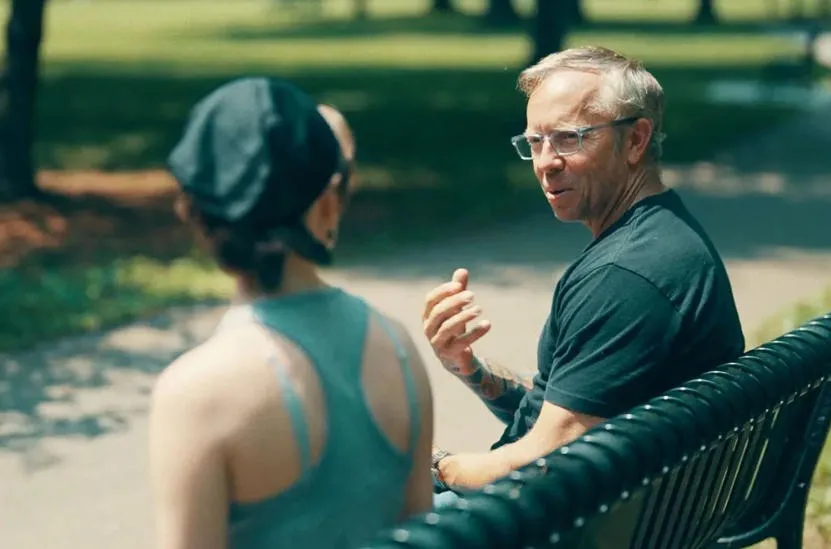
Squire’s ultimate goal with The Darkest Web is to open eyes, provoke outrage, and encourage resources for investigating these crimes. He emphasizes that vigilante actions online, though well-intentioned, can compromise investigations.
Meeting Lucy as a young adult brought him relief. She told him she had prayed for the ordeal to end, and seeing her safe and resilient was a profound reward. “She’s an incredible young woman,” Squire said. “Her intelligence and composure are a source of great encouragement.”