





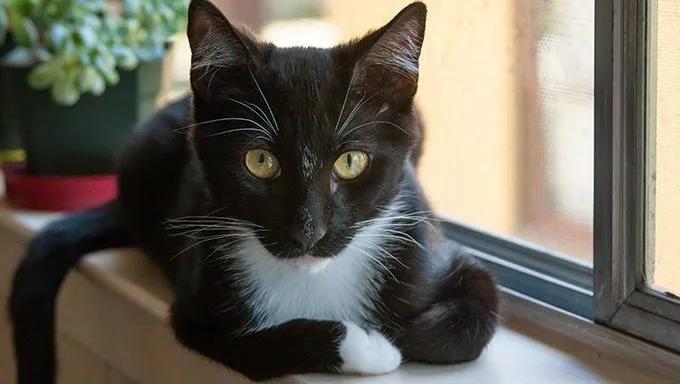
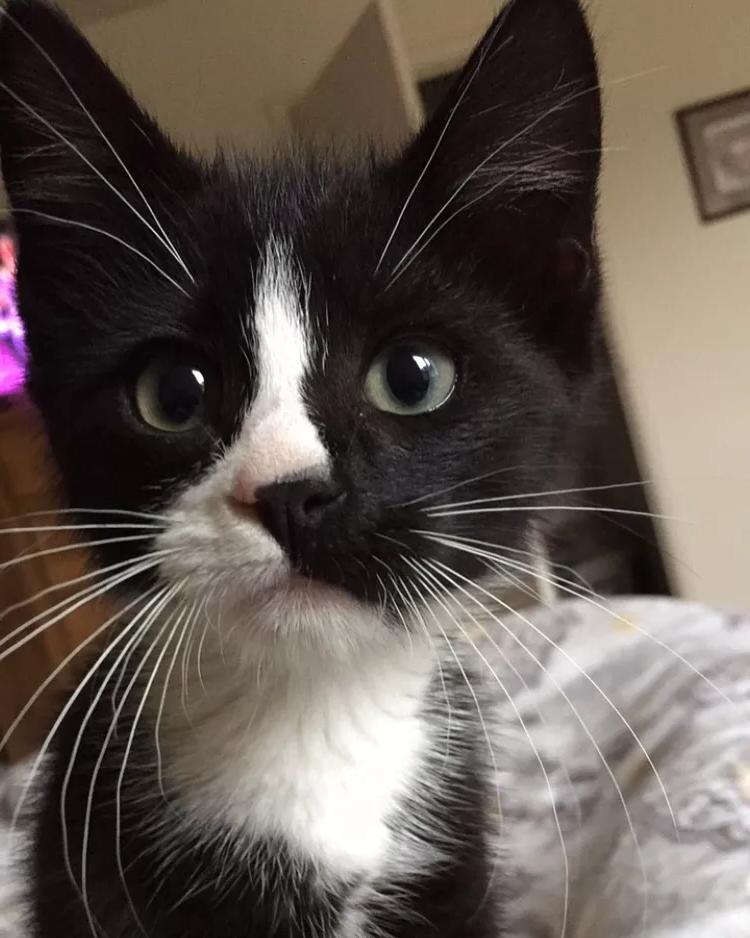
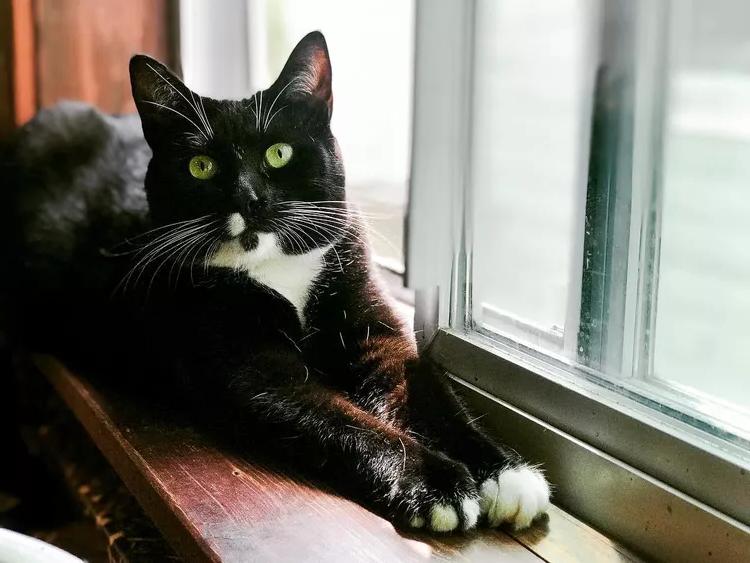
Tuxedo cats are instantly recognizable thanks to their striking two-tone coats that look like tiny formal suits. Most people picture them in classic black and white, but tuxedo cats can actually appear in several color combinations. Their fur may include shades of gray, silver, orange, or even tortoiseshell patterns paired with white.
But their appeal goes far beyond their elegant appearance. These stylish felines have a surprising history, intriguing science behind their coats, and even a few myths attached to them.
Curious to learn more about these well-dressed cats? Here are six fascinating facts about nature’s most sophisticated kitties. 
1. Tuxedo Cats Aren’t a Breed — They’re Piebald
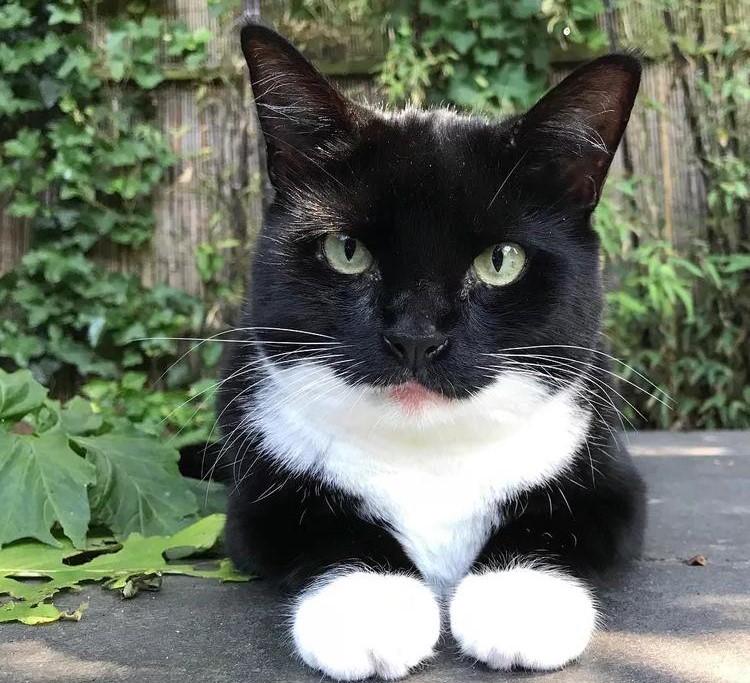
Despite their distinctive appearance, tuxedo cats are not a specific breed. The name simply describes their unique two-colored coat pattern, known scientifically as piebald markings.
These markings create the familiar “tuxedo” look — darker fur covering most of the body while white fur appears on the chest, paws, and sometimes the face.
Because the pattern isn’t tied to a single breed, tuxedo coats can appear in many different cats. Some breeds that commonly display this pattern include the
Maine Coon,
Turkish Angora,
American Shorthair, and
British Shorthair.
Their fur textures vary as well. Some tuxedo cats have short sleek coats, while others have long, silky, or shaggy fur depending on their breed.
So what actually causes this stylish two-tone coat? The answer lies in early development.
2. Their Coat Patterns Aren’t Actually Inherited
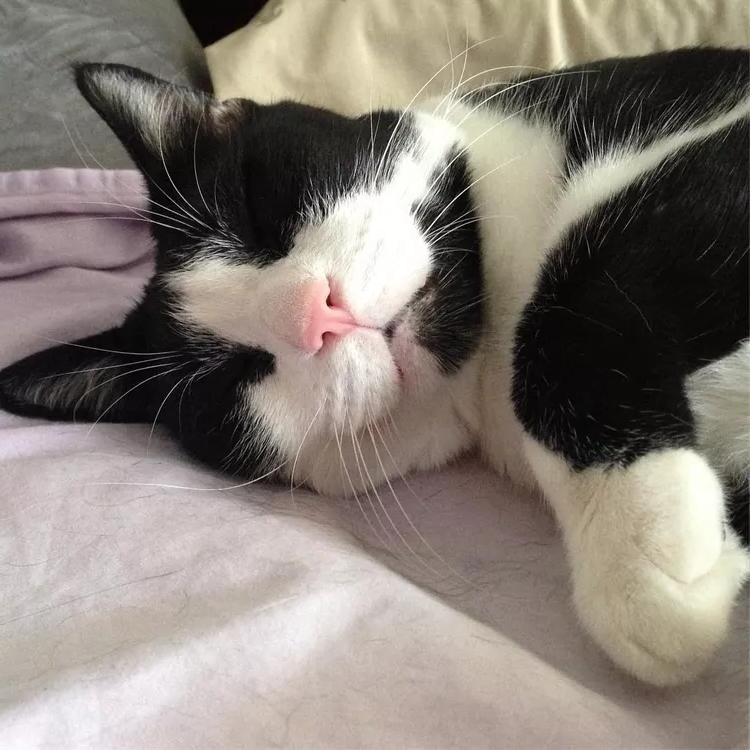
Just like
calico cats and
tortoiseshell cats, tuxedo cats develop their patterns while still embryos. But interestingly, the pattern itself isn’t directly inherited through genes.
For many years, scientists believed tuxedo markings happened because pigment cells moved too slowly during development. According to this theory, these cells couldn’t reach all parts of the embryo in time, leaving certain areas uncolored — which resulted in the white patches we see.
However, more recent research suggests something different.
During embryonic development, pigment cells actually move and multiply randomly. They don’t follow a strict genetic blueprint that dictates exactly where colors should appear.
The result? A completely unique coat.
Because of this randomness, no two tuxedo cats have identical markings. Even if two cats were genetically identical — such as clones — their coat patterns would still be different.
There’s also an interesting difference compared with calico and tortoiseshell cats. Those patterns are strongly linked to genetics related to sex, which is why most calico and tortoiseshell cats are female. Tuxedo cats, on the other hand, appear equally among males and females.
3. Tuxedo Cats Have Left Their Mark on History
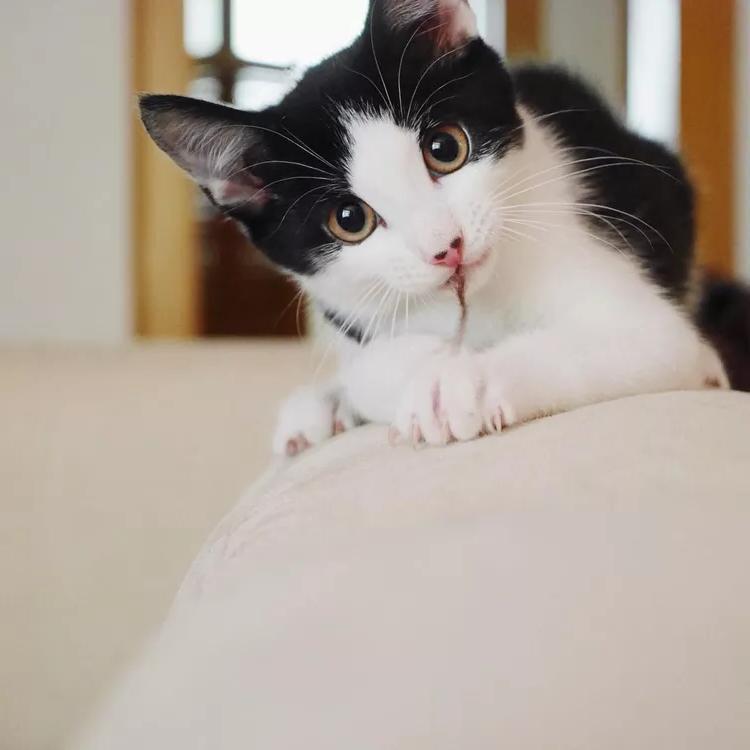
Tuxedo cats have appeared in some surprising places throughout history and pop culture.
Several famous historical figures reportedly owned tuxedo cats, including:
While we may never know exactly how much inspiration these cats provided, it’s fun to imagine these elegant felines quietly observing history in the making.
Tuxedo cats have also become iconic characters in popular culture. Famous examples include:
- Sylvester from Looney Tunes
- The Cat in the Hat from Dr. Seuss
- Mr. Mistoffelees from the musical Cats (musical)
One particularly memorable tuxedo cat even ventured into politics. In 2012, a cat named Tuxedo Stan ran for mayor of Halifax in Canada. Although he didn’t win, he attracted international attention and raised awareness about stray cats.
4. The World’s Richest Cat Was a Tuxedo
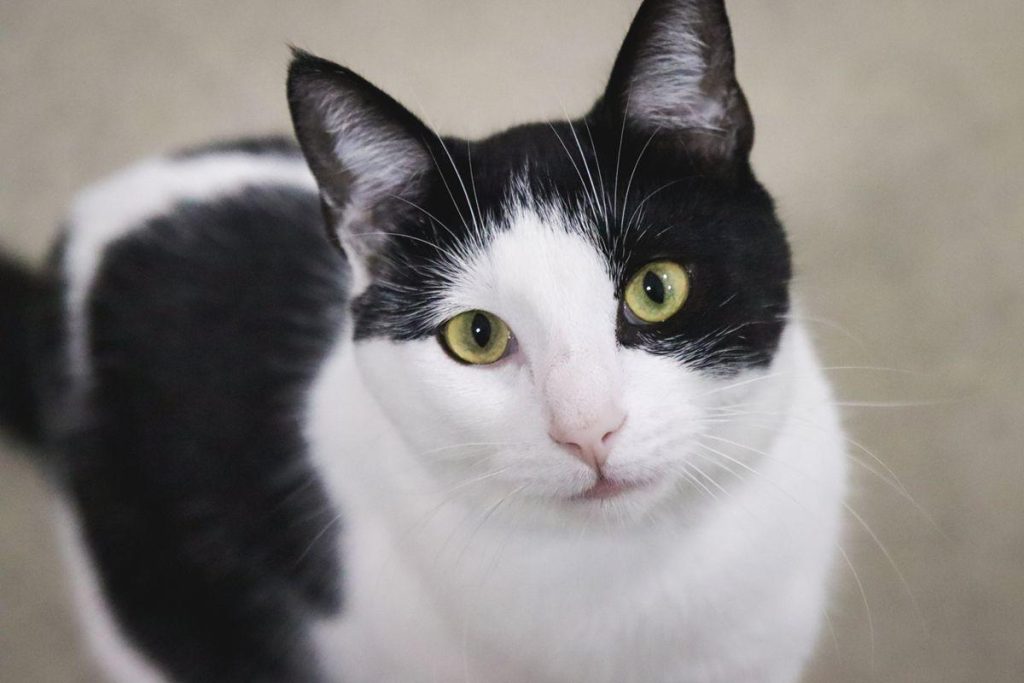
Believe it or not, one tuxedo cat once became incredibly wealthy.
In 1998, a tuxedo cat named Sparky inherited 6.3 million dollars from his owner after her passing. This unexpected fortune made Sparky the richest cat in the world at the time.
Compared with most pets — and even many humans — Sparky lived an extraordinarily luxurious life.
5. Tuxedo Cats Have Traveled to Incredible Places
These well-dressed cats have shown up in some truly remarkable locations.
One tuxedo cat reportedly reached the summit of Mount Everest. Of course, the cat didn’t climb the mountain alone — his owner carried him during the expedition. Still, that’s a pretty impressive destination for any feline.
Another tuxedo cat named Simon gained fame during World War II. Serving aboard a British naval ship, Simon helped protect food supplies by catching rats and pests. His efforts were so valuable that he was awarded a medal for his service.
Tuxedo cats have even reached the highest levels of government. During his presidency, Bill Clinton kept a tuxedo cat named Socks at the White House, where the feline quickly became a beloved public figure.
6. Many Myths Surround Tuxedo Cats
Because tuxedo cats look so distinctive, several myths have grown around them over time.
Myth: Tuxedo cats have special personalities
Some people believe tuxedo cats are naturally smarter, friendlier, or more affectionate than other cats. While many tuxies do have wonderful personalities, their behavior isn’t linked to coat pattern. A cat’s personality is shaped by genetics, environment, and experiences.
Myth: They were worshipped in ancient Egypt
Cats were indeed revered in ancient Egypt and even associated with deities such as Bastet. However, there’s no historical evidence showing that tuxedo cats specifically existed or were depicted during that period.
Myth: Tuxedo cats have magical powers
One quirky legend claims that tuxedo cats become invisible during the equinox because their black-and-white coats blend perfectly with light and shadow. While it’s a fun idea, it obviously ignores the basic physics of light.
If your tuxedo cat suddenly disappears, the explanation is probably much simpler — they’re hiding somewhere in the house.
Myth: They can attend the Metropolitan Opera
Another amusing rumor suggests tuxedo cats are welcome at the Metropolitan Opera because they’re already “dressed appropriately.” While that would be adorable, the venue only allows service animals unless the animal is part of the performance.
From their mysterious coat patterns to their surprising roles in history, tuxedo cats are far more fascinating than their formal appearance might suggest. Whether lounging on a couch or accidentally becoming a millionaire, these stylish felines always seem to stand out from the crowd.