







A Joyful Expectation Shadowed by Risk
For Matt Gray, the weeks leading up to his child’s birth were filled with mixed emotions.
On one hand, he and his wife were preparing to welcome their fourth child. They saw the baby as a blessing, something deeply cherished. On the other hand, there were serious concerns.
Mrs. Gray suffered from multiple health conditions, making this a high risk pregnancy. Doctors also warned that, since this was her fourth child, the labor could progress very quickly. There might not be enough time to react. 
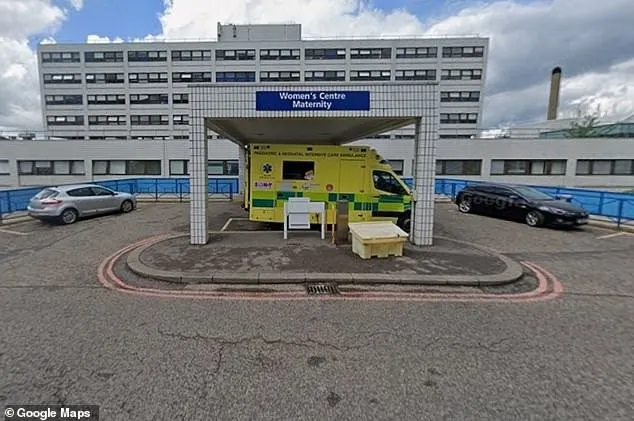
To stay safe, the couple decided to go to the hospital two weeks early. They checked into the women’s center at the John Radcliffe Hospital, hoping for a controlled and secure delivery.
A Promising Start That Quickly Fell Apart
At first, everything seemed reassuring.
A kind and experienced midwife took charge of their care. She spoke gently and created a calm atmosphere. But not long after, she had to leave.
In her place came a new midwife. Her lack of experience was immediately noticeable.
“Things went downhill from that moment,” Mrs. Gray later said.
The new midwife barely communicated. She offered no reassurance. She did not explain what was happening. Instead, she kept moving Mrs. Gray around without clear purpose.
Panic in the Delivery Room
As labor progressed, the baby’s heart rate began to fluctuate.
This can be normal during contractions. However, the midwife appeared confused. She showed visible panic instead of confidence.
Her reaction alarmed the parents.
Soon, her expression changed even more. She said the baby’s heart rate was dropping and that the situation was dangerous.
Then, shockingly, she left the room.
Left Alone at the Most Critical Moment
Time passed, and the situation became more urgent.
Mrs. Gray’s contractions intensified. The baby was about to arrive. Matt rushed out to find help.
The midwife returned briefly, stayed for less than a minute, and left again. This time, she disappeared for around fifteen minutes.
There was no one else in the room.
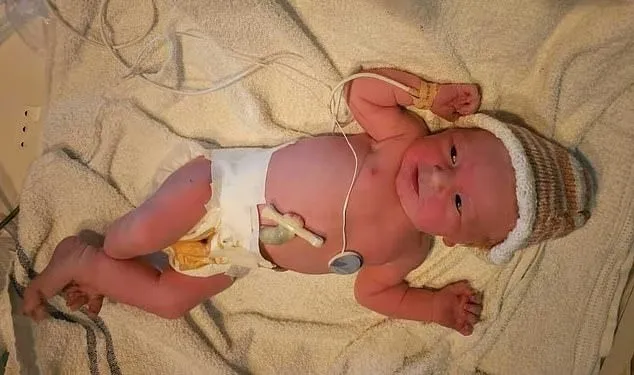
Moments later, their daughter was born.
A Life Saved by a Father’s Experience

The situation took a frightening turn.
The baby had the umbilical cord wrapped tightly around her neck, a condition known as nuchal cord. It can be dangerous if not handled quickly.
Fortunately, Matt had previously worked as an ambulance technician. He remained calm under pressure.
He quickly put on gloves and carefully removed the cord from around his daughter’s neck.
By the time the midwife returned, the crisis was already over. The baby had been cleaned, and Mrs. Gray was holding her safely.
No Immediate Accountability
What followed surprised the family.
Instead of a clear apology, the hospital responded by saying the situation had been dangerous but ended well.
For Mrs. Gray, this response was unacceptable.
She strongly criticized the staff. She said that without her husband’s presence and experience, the outcome could have been tragic.
Matt filed formal complaints with the Oxford University Hospitals NHS Foundation Trust and the Care Quality Commission.
Public Reaction: Outrage and Concern
After the story became public, many people expressed anger.
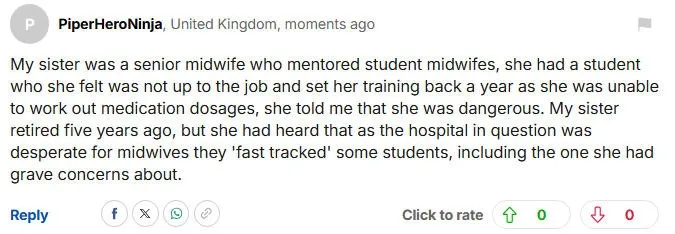
Some questioned how such a midwife had been trained. Others argued that panic during childbirth could make an already stressful situation far worse.
There were also calls for stricter accountability. Some believed the midwife should lose her professional license.
Others shared similar experiences, suggesting that declining standards might be a wider issue.
A Deeper Problem in the Healthcare System
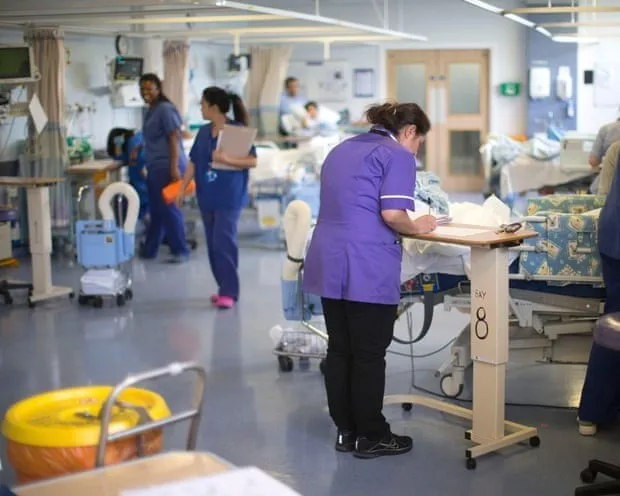
This incident reflects a broader challenge within the UK healthcare system.
The National Health Service is facing a severe staffing shortage. By 2026, the gap is expected to exceed 100,000 healthcare workers.
At the same time, immigration policies have tightened.
According to data from the Home Office, the number of overseas nurses entering the UK has dropped dramatically. In just three years, approvals fell by over 90 percent.
Fewer domestic workers and fewer international recruits have created a difficult situation. Hospitals are understaffed. In some cases, less experienced personnel are pushed into critical roles.
A System Under Pressure
The shortage is not limited to healthcare.
Other sectors, including education and skilled trades, are also struggling with workforce gaps. Meanwhile, public concerns about immigration make policy changes more complicated.
This creates a cycle that is hard to break.
A Personal Trauma That Should Not Have Happened
Despite these systemic issues, the Gray family believes their experience was unacceptable.
No shortage or policy challenge should result in a patient being left alone during such a critical moment.
The hospital later issued an apology and promised a full investigation. They stated that the care described did not meet their standards.
For the family, however, the emotional impact remains.
In the end, this story is not just about one delivery gone wrong. It is about trust, responsibility, and the thin line between safety and disaster.
And in this case, that line was held together by a father who refused to panic.