





Most people think looking younger comes down to skincare or genetics. But what if one simple movement could improve your posture, strengthen your body, and make you look noticeably more youthful?
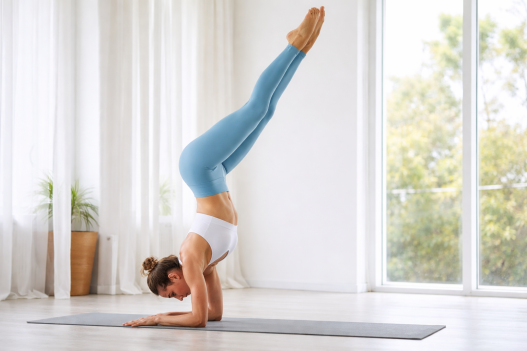
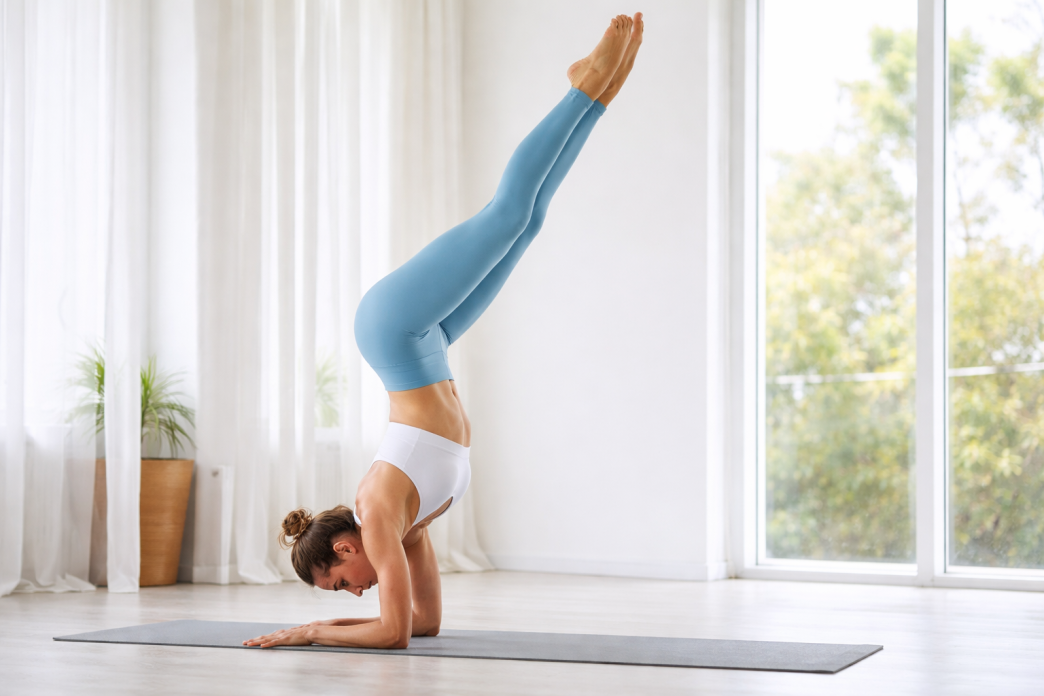
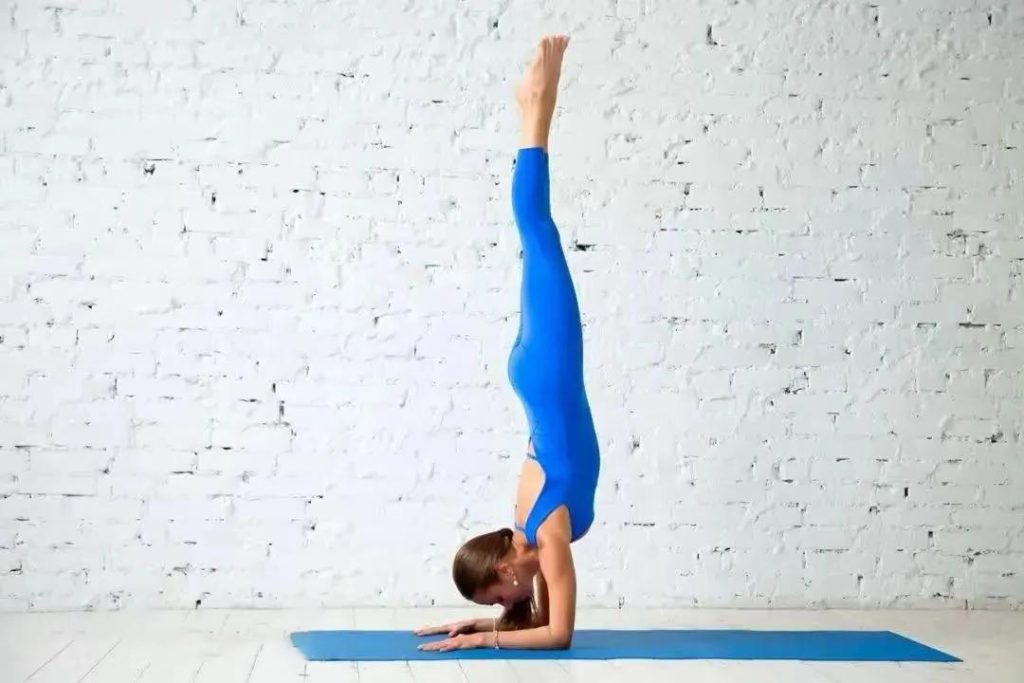
The answer lies in mastering the Forearm Stand.
This powerful inversion challenges your entire body. It builds strength, sharpens balance, and trains you to move with control. Over time, it can even change how your body carries itself—making you appear more energetic and confident. 
Why It Feels Harder Than a Handstand
At first glance, this pose might seem similar to a Handstand. But once you try it, the difference is obvious.
Because your elbows are bent and placed on the ground, your shoulders can’t move as freely. This restriction often creates a feeling of tightness and instability.
When your shoulders lack flexibility, your body tries to compensate. Most people end up over-arching their lower back, which puts unnecessary pressure on the spine and reduces control.
So instead of only training your core, the real focus should be improving shoulder mobility.
The Key to Progress: Open Your Shoulders
To move better and feel stronger in this pose, you need to release tension in several important muscle groups:
Triceps and Latissimus dorsi
Tightness here limits your ability to lift your arms overhead smoothly.
Rhomboid muscles
These muscles affect your upper back mobility and overall posture.
Chest and Front Shoulders
Stretching the Pectoralis major and front deltoids helps your shoulders open and align properly.

Not Ready Yet? Build Strength Step by Step
If you can’t do a full forearm stand yet, that’s completely normal. The key is to build strength gradually.
Start with foundational exercises:
- Practice the Dolphin Pose to strengthen your shoulders
- Use a wall to build confidence and balance
- Train your core with the Plank
These simple steps create a strong base for more advanced movements.
Smart Progressions to Get You There
You don’t need to rush. Instead, move through these exercises one step at a time:
- Shoulder-opening drills
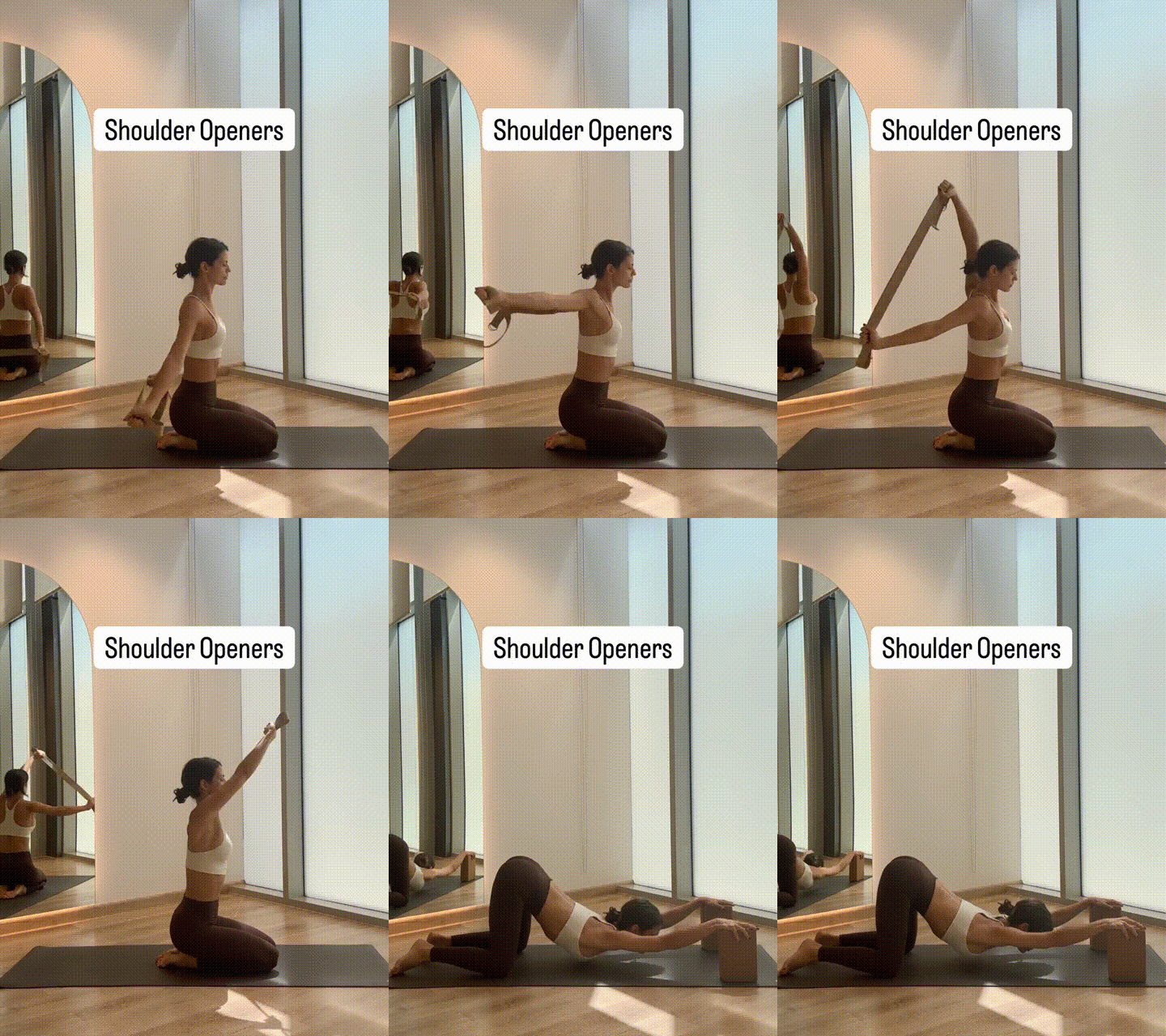
- Dynamic Dolphin Pose

- Transition between Downward Dog and Dolphin

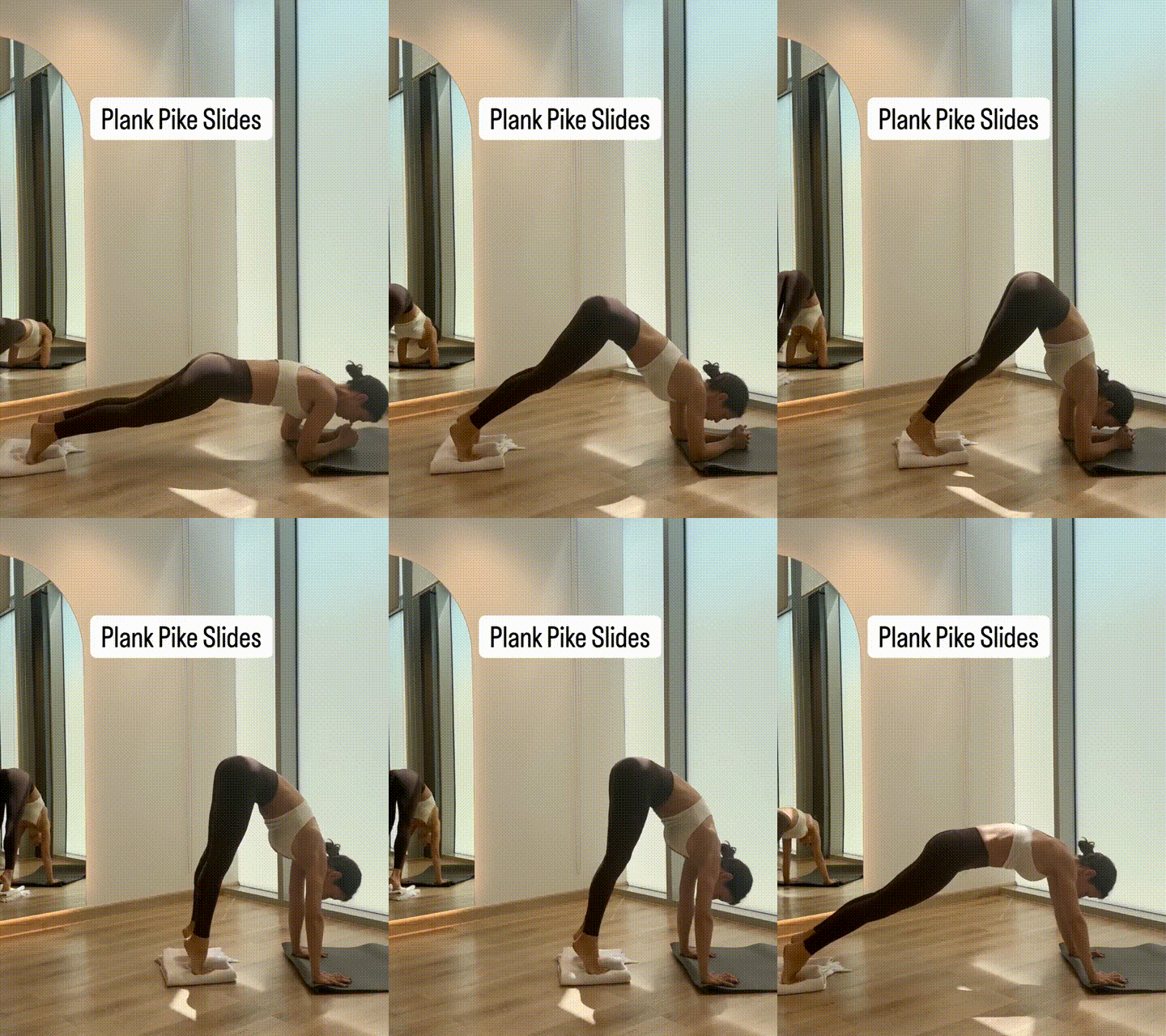
- Plank slides
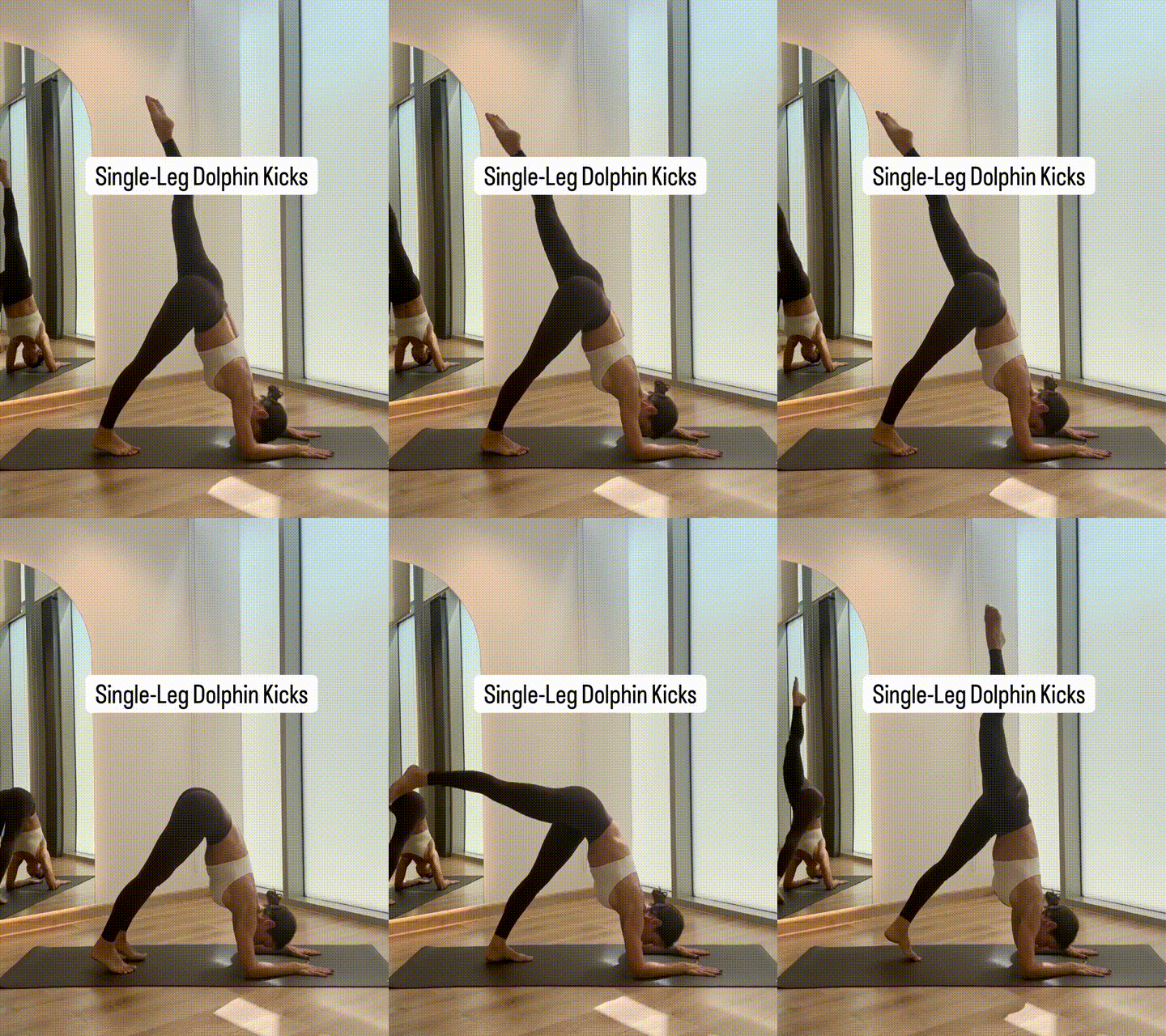
- Single-leg Dolphin Pose
- Dolphin Pose with yoga blocks
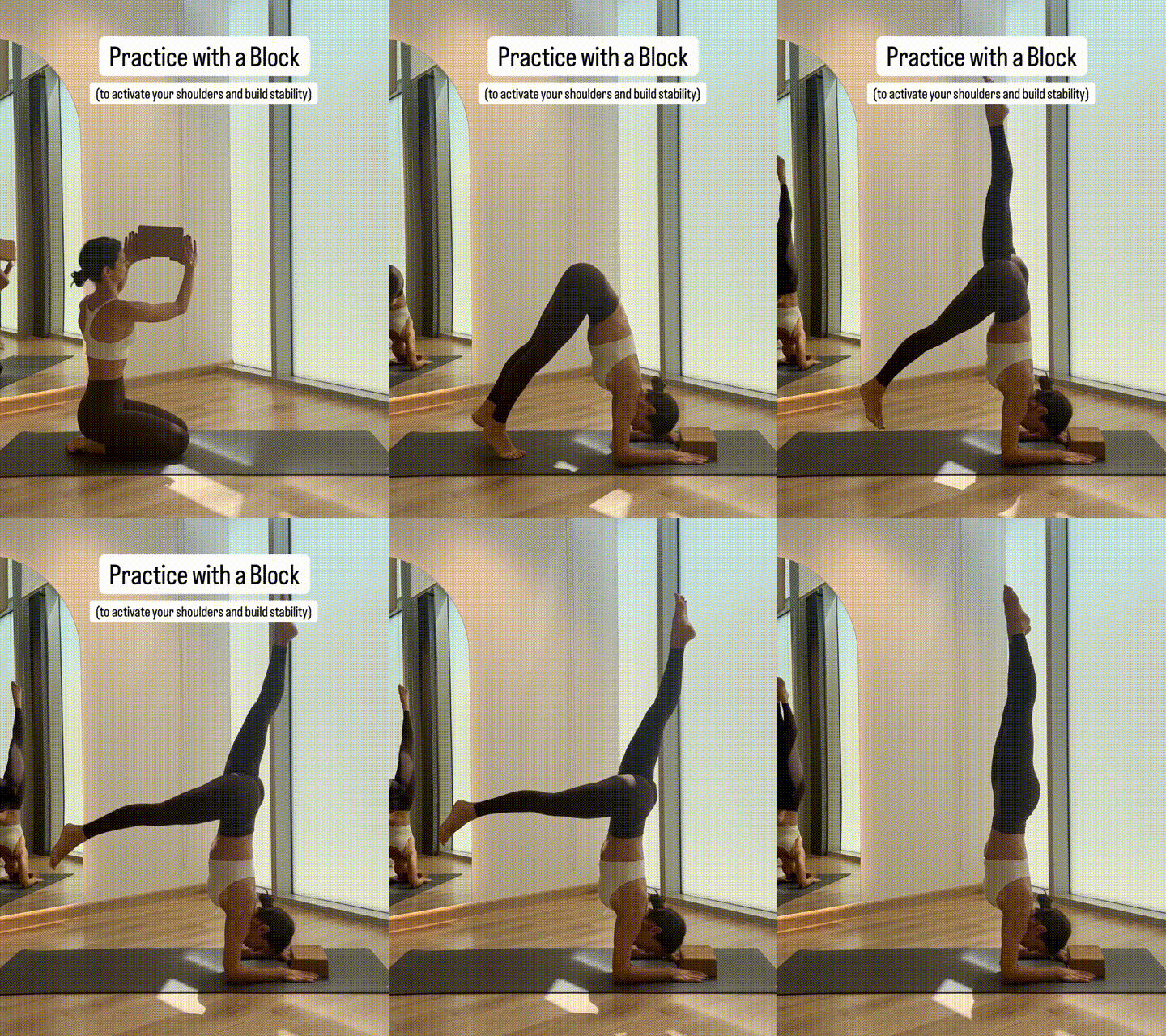
Each stage builds strength, flexibility, and confidence.
How Beginners Can Safely Practice
Using a wall is one of the safest and most effective ways to learn this pose.
- Place your forearms on the ground, shoulder-width apart
- Keep your arms parallel and your palms pressing firmly down
- Walk your feet closer until your hips stack above your shoulders
- Keep your gaze on the floor and breathe slowly
When you’re ready to kick up:
- Bend one knee and gently push off the ground
- Swing your back leg upward
- Engage your core by pulling your belly inward
With enough momentum, your hips will rise above your shoulders, and your leg will reach the wall. Then bring the second leg up and hold briefly.
Take your time—this is where confidence is built.
What Muscles Are You Really Training?
This pose works your entire body in a very balanced way.
Legs
All leg muscles stay active, especially the Adductor muscles. Your Quadriceps keep your knees straight, while your Hamstring help maintain hip extension.
Core
Your core stabilizes everything. The Iliopsoas keeps your legs aligned, while the Transversus abdominis prevents your lower back from collapsing.
Spine
The Erector spinae help maintain a stable and upright position.
Shoulders and Arms
Your upper body does most of the work:
- The Rotator cuff keeps your shoulders stable
- The Deltoid muscle supports arm positioning
- Your Biceps and Triceps hold your body weight
Final Thoughts: The Real Reason You’ll Look Younger
The Forearm Stand is more than just a yoga pose.
It improves posture, builds strength, and trains your body to move with control and confidence. Over time, this creates a more upright, balanced, and youthful appearance.
And that’s the real secret—no shortcuts, just smart movement.