





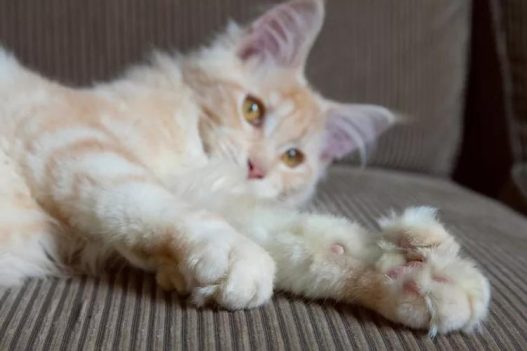
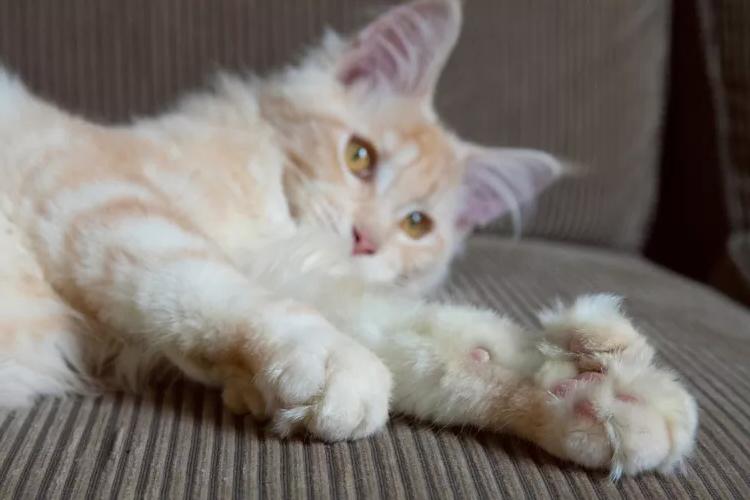
Polydactyl cats are truly one of nature’s quirkiest creations. Unlike typical cats—which have five toes on their front paws and four on their back—these unique felines often sport six or even more toes on each paw.
This unusual feature comes from a genetic condition known as polydactyly, and while it may look unusual, it’s surprisingly common in certain parts of the world. Even better? It can appear in any breed, regardless of size, gender, or coat type.
Let’s dive into what makes these multi-toed cats so fascinating. 
01 A Genetic Mutation Is Behind It All

At the core of polydactyl cats is a simple genetic twist—a mutation in a dominant gene. This mutation typically results in cats having anywhere from four to seven toes per paw.
Most often, the extra toes appear on the front paws, but in rare cases, all four paws can be affected.
Types of Polydactyl Paws
- Postaxial: Extra toes grow on the outer side of the paw
- Preaxial: Extra toes appear on the inner side (near the “thumb”)
- Mesoaxial: Extra toes spread across the paw, creating a mixed appearance
In general, polydactyly is harmless. It doesn’t impact a cat’s health—though it does make nail trimming a bit more of a challenge.
However, it’s important not to confuse this condition with feline radial hypoplasia, a far more serious disorder. While both conditions may involve extra toes, radial hypoplasia can cause severe limb deformities and mobility issues, especially if bred irresponsibly.
02 Some Cats Have “Mitten Paws”
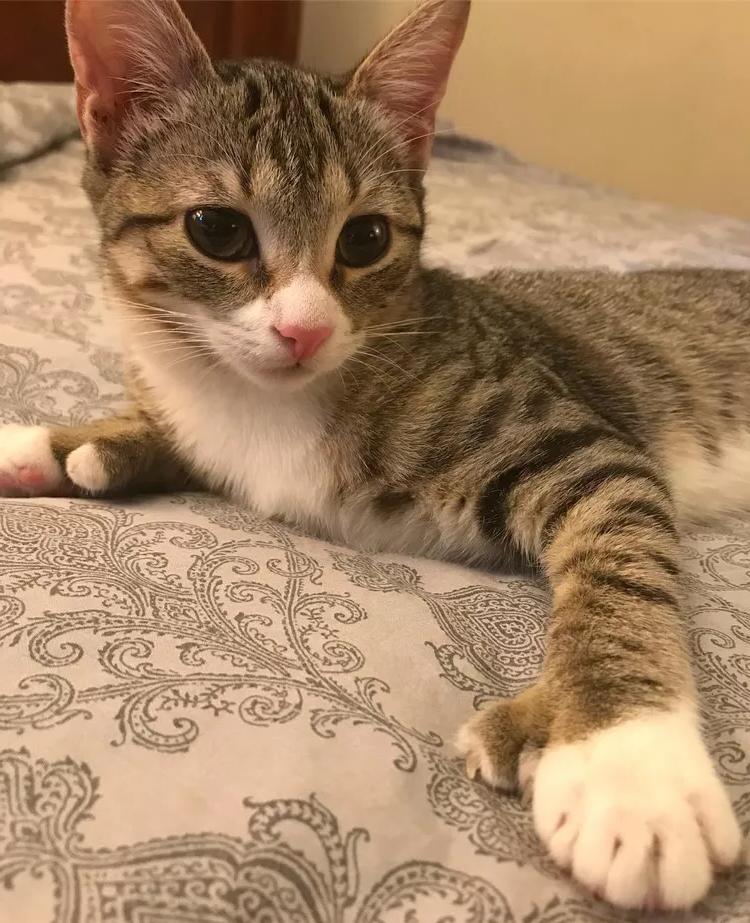
Certain polydactyl cats—especially those with preaxial traits—develop what’s often called “mitten paws.”
These paws look like they have tiny thumbs sticking out, giving them an adorable mitten-like appearance. While they resemble human thumbs, they are not opposable, meaning cats can’t actually grasp objects like we do.
Still, it’s one of the most charming features of these cats.
03 Extra Toes Can Be Surprisingly Useful
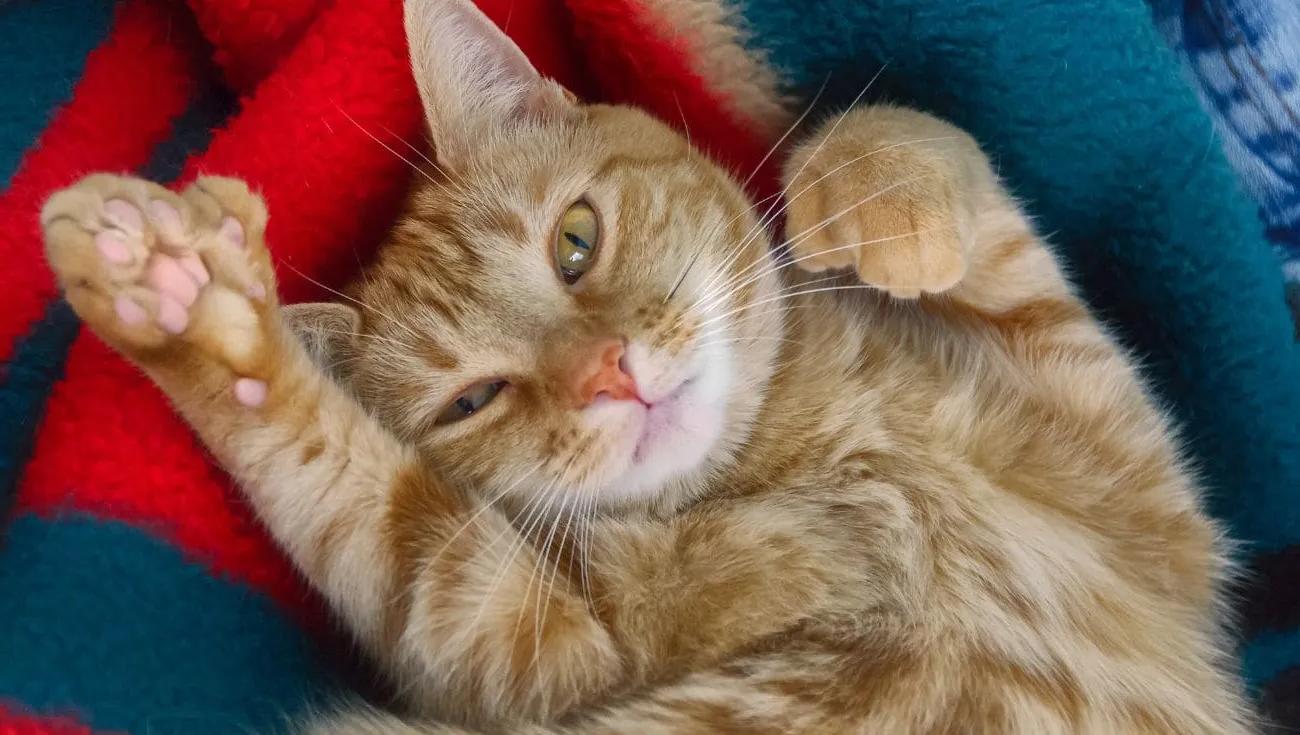
Those extra toes aren’t just for show—they can actually give cats an advantage.
With wider, more stable paws, polydactyl cats often excel at:
- Balancing on uneven surfaces
- Climbing more efficiently
- Hunting and catching prey
Their enhanced grip and stability make them surprisingly agile.
If you own one, though, don’t forget: every toe has a claw. Regular grooming and scratching posts are essential to protect your furniture.
04 Sailors Once Considered Them Good Luck
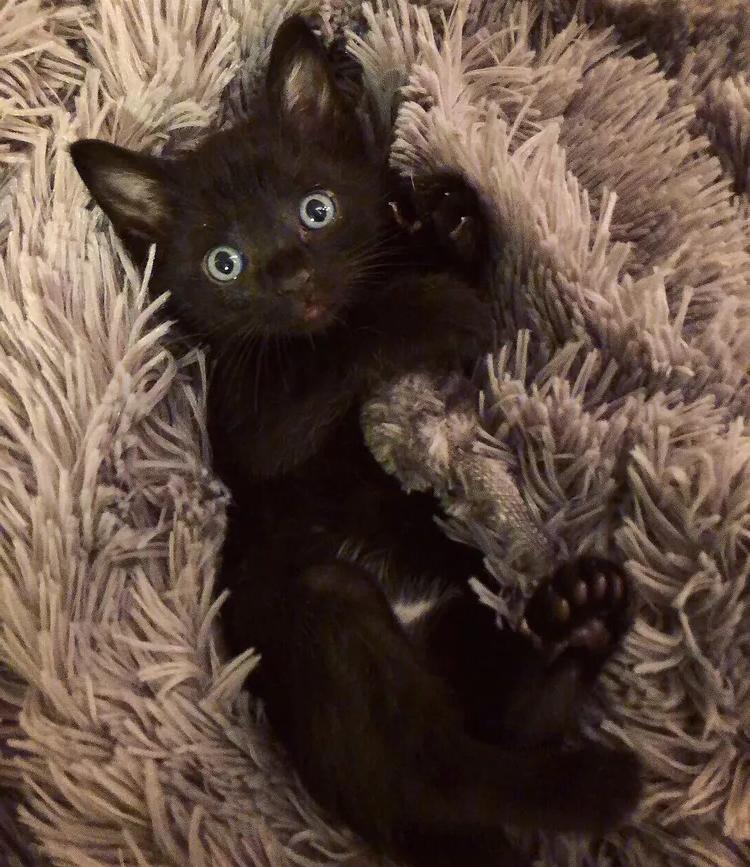
Historically, polydactyl cats were prized companions on ships. Much like black cats and calico cats, they were believed to bring good fortune.
Their wide paws made them excellent at:
- Maintaining balance during rough seas
- Hunting rodents onboard ships
Because of this, they became especially common in regions like Western England, Wales, Canada, and the eastern United States.
Many believe their spread across these areas is directly linked to transatlantic shipping routes.
05 Ernest Hemingway Made Them Famous
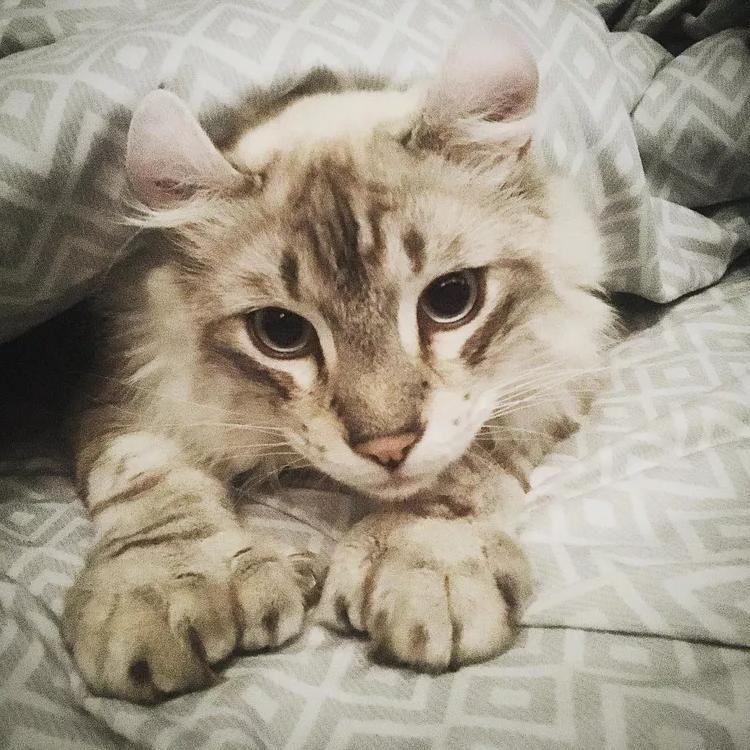
Polydactyl cats are often nicknamed “Hemingway cats”—and for good reason.
The legendary writer Ernest Hemingway once received a white polydactyl cat named Snow Ball as a gift from a ship captain. He quickly became fascinated by these unique felines.
Today, his former home in Key West, Florida—now the Ernest Hemingway Home and Museum—houses around 50 of his cats’ descendants. Remarkably, about half of them still carry the polydactyl trait.
06 Maine Coon Cats Once Had It Frequently
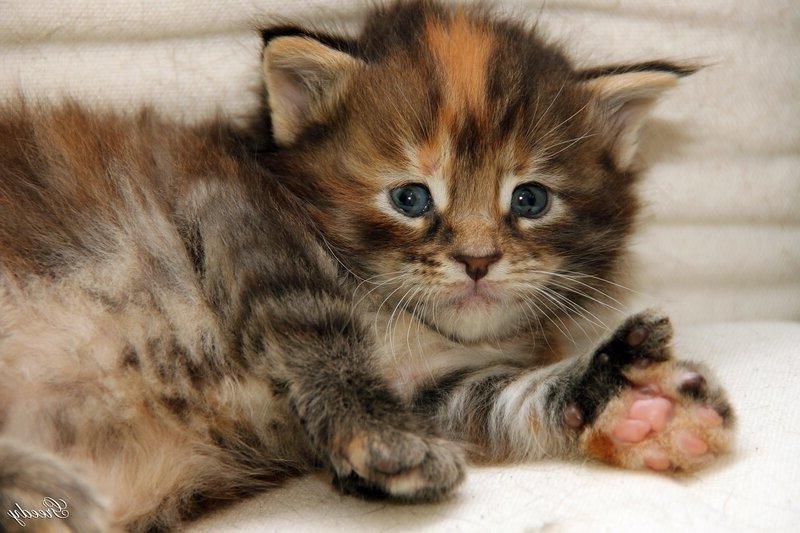
The iconic Maine Coon breed once had a strong connection to polydactyly.
Originating in harsh, snowy climates, Maine Coons evolved large, insulated paws that functioned like natural snowshoes. Having extra toes only enhanced this ability, providing better traction and warmth.
At one point, nearly 40% of Maine Coons were polydactyl.
Although modern breeding has reduced the trait’s frequency, polydactyl Maine Coons are still recognized and admired by some cat enthusiasts today.
07 One Cat Holds a World Record for Toes
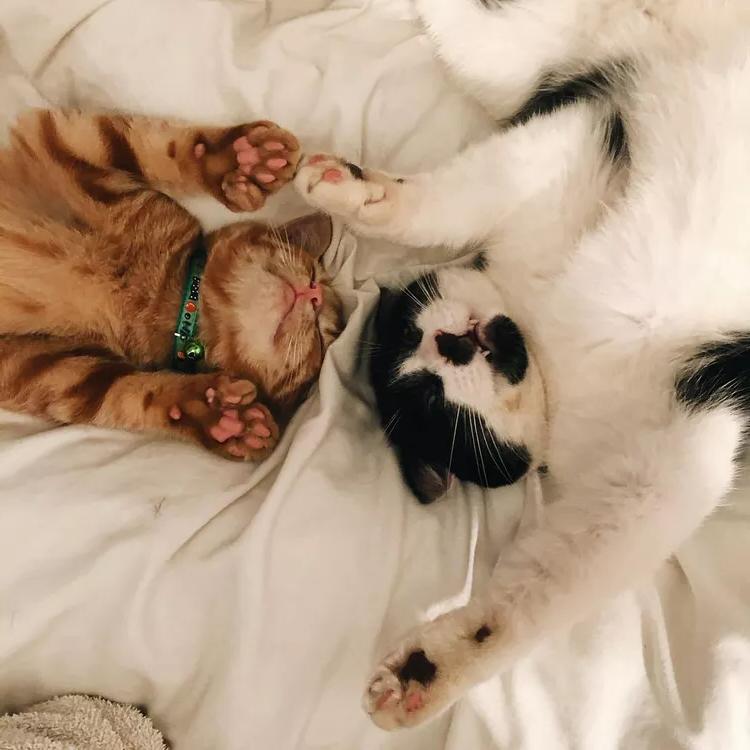
If you think six or seven toes is impressive, wait until you hear this.
According to the Guinness World Records, a ginger tabby named Jake holds the record for the most toes on a cat.
He had an incredible 28 toes—that’s seven on each paw. Even more fascinating? Each toe had its own claw, pad, and bone structure.
Final Thoughts
Polydactyl cats are more than just a visual curiosity—they’re a perfect example of how genetics can create something both unusual and functional.
From their maritime history to their enhanced agility, these cats continue to capture the hearts of animal lovers around the world.
And let’s be honest—extra toes just make them even harder to resist. 🐾