




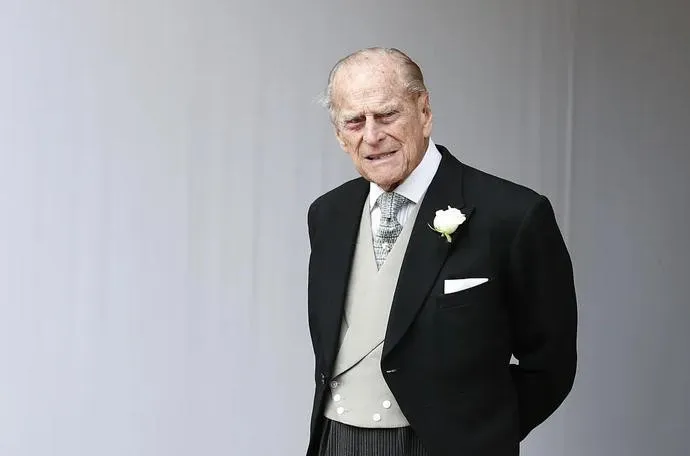
A Quiet Final Night at Windsor
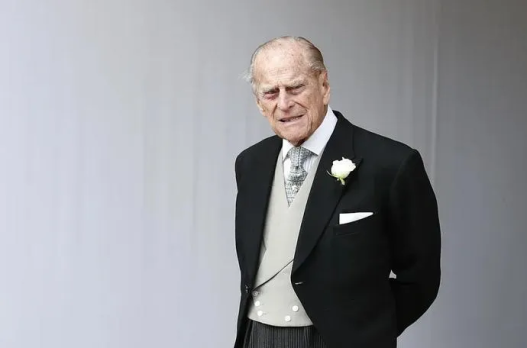
On the evening of April 8, 2021, inside Windsor Castle, 99-year-old Prince Philip made a quiet, deliberate move. He slipped away from his nurses, leaned on his walking frame, and slowly made his way down the corridor.
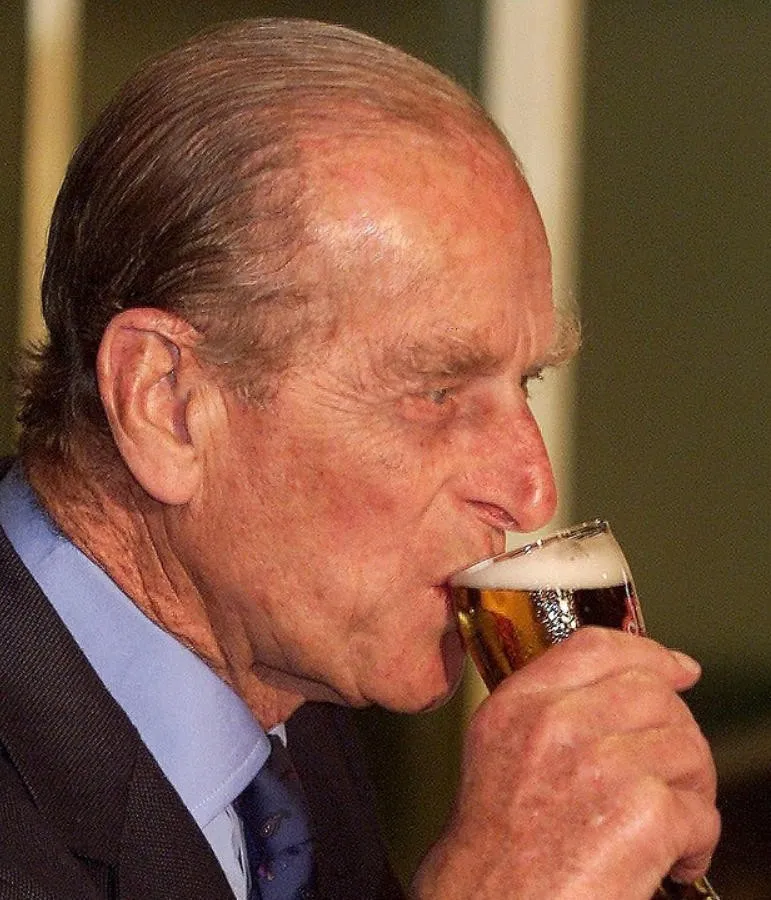
He reached the Oak Room, poured himself a glass of beer, and drank it alone. It was a simple act, but in hindsight, it carried a sense of finality.
The next morning, he woke up, took a bath, and mentioned that he was not feeling well. Shortly after, he passed away peacefully. 
His death certificate listed the cause as “old age.” At the time, no one questioned it. After all, he was just two months shy of his 100th birthday.
A Secret That Lasted Eight Years
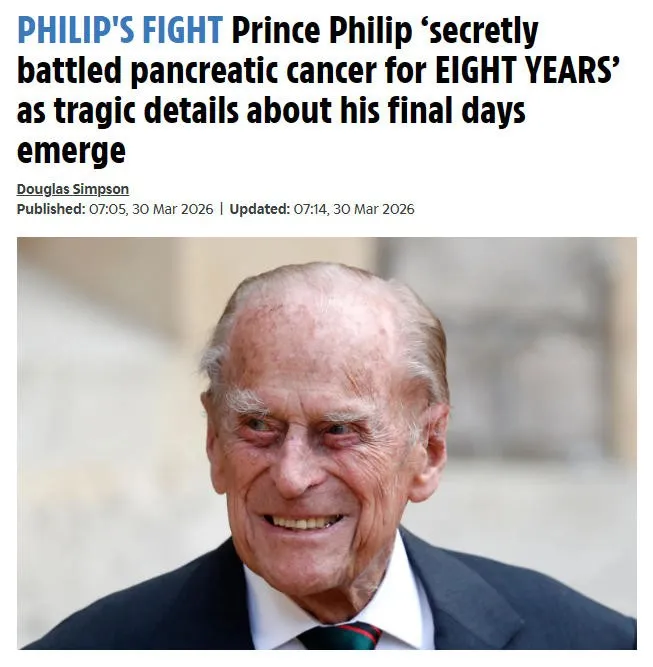
Five years later, in March 2026, royal historian Hugo Vickers revealed a startling claim. In his book, he stated that Prince Philip had been living with inoperable pancreatic cancer for the final eight years of his life.
According to Vickers, this diagnosis was never made public by the royal family.
The Diagnosis That Changed Everything
The story traces back to June 2013. Prince Philip attended a garden party at Buckingham Palace. Later that same day, he was admitted to a private clinic, where he stayed for 11 days.
At the time, the palace described it only as an exploratory abdominal procedure. No further details were shared.
Vickers claims that doctors discovered a suspicious shadow on his pancreas. After opening the abdomen, they determined the tumor could not be removed. The final diagnosis was pancreatic cancer. Philip was 91 years old.
This form of cancer is known for its low survival rate. Many patients do not live long after diagnosis, especially at such an advanced age.
Defying Expectations
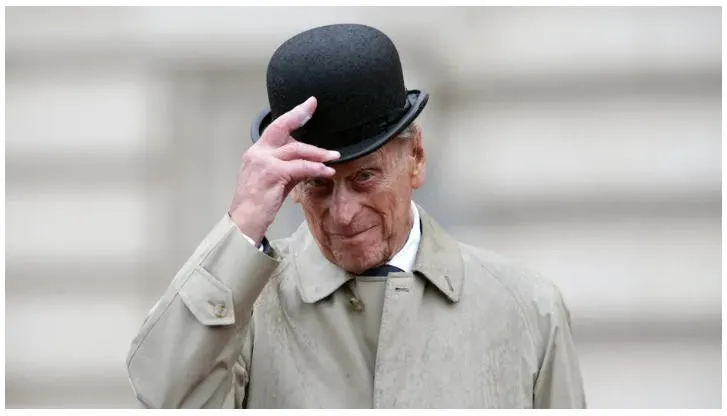
Some believed he would never appear in public again. Even Vickers noted that this was a widely held assumption at the time.
But Prince Philip refused to disappear.
After a period of recovery at Windsor, he spent time at Wood Farm on the Sandringham Estate. His condition fluctuated. Some days were better than others. He would sit quietly in the sun, conserving his strength.
By August 2013, he had resumed public duties.
For the next four years, he continued attending royal engagements. The public remained unaware of his condition. When he missed events, official explanations referred to age, fatigue, or routine check-ups.
A Remarkable Final Chapter of Service
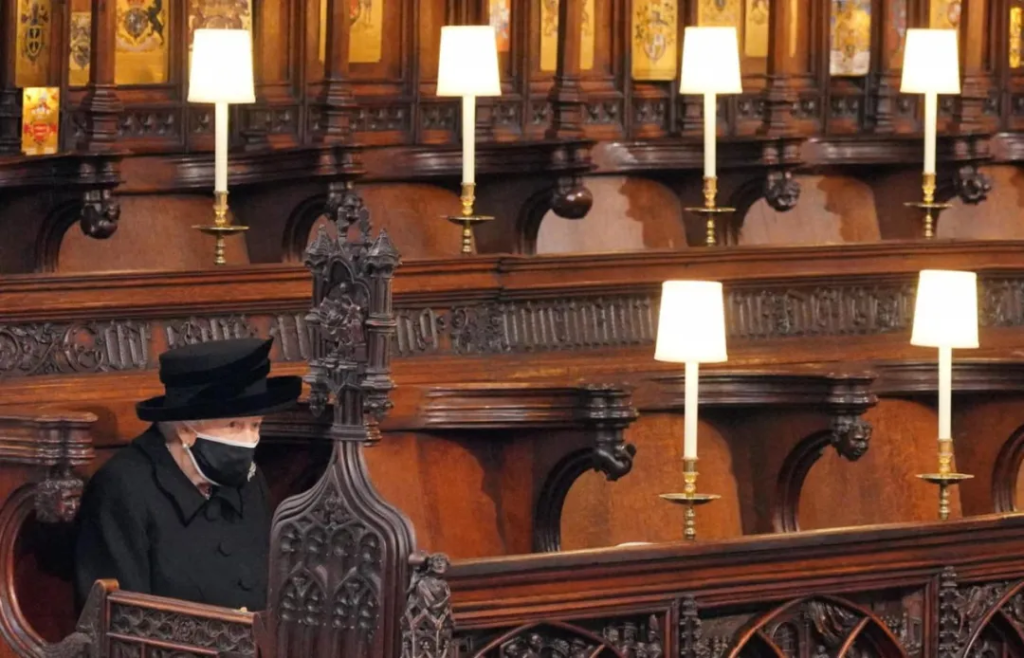
On August 2, 2017, at the age of 96, Prince Philip officially retired from royal duties.
That day, under steady rain, he stood through a full military parade. Wearing a raincoat and a bowler hat, he spoke with soldiers one by one. He did not use a cane.
It marked the end of a lifetime of service that included more than 22,000 public engagements.
Life After Retirement
After stepping back from public life, he spent most of his time at Wood Farm. By 2019, rumors about his health had begun circulating widely.
Some even speculated about political implications if he were to pass away during a sensitive period, such as a general election. Yet once again, he endured.
There were even suggestions that he held on out of a sense of civic duty, determined not to disrupt national events.
A Man Who Refused the Spotlight
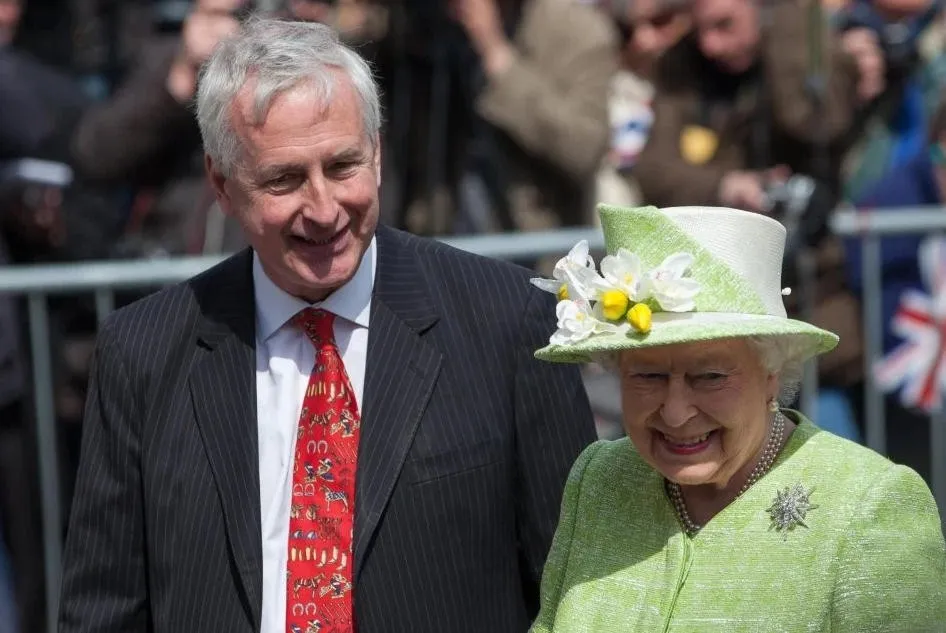
According to Vickers, Prince Philip had no desire to reach 100. He disliked the attention that came with such milestones.
On April 9, 2021, he died at Windsor Castle. He was just two months short of that centennial mark.
In total, he lived nearly eight years after his diagnosis. That far exceeded typical expectations for someone in his condition.
A Farewell Without Goodbye
When Prince Philip passed away, Queen Elizabeth II was not by his side.
Vickers noted that this had happened before. Throughout their 73-year marriage, there were similar moments. The Queen would instruct staff to inform her when Philip was close to death. Each time, she was told he had already gone.
Her reported reaction was one of deep frustration. Once again, he had left without saying goodbye.
A Funeral Marked by Isolation
Due to restrictions from the COVID-19 pandemic, his funeral was limited to just 30 attendees.
The Queen sat alone inside St George’s Chapel, separated from others. An image of her sitting in solitude quickly spread around the world, symbolizing both personal loss and a moment in history.
A Family Facing Cancer in Different Ways
Seventeen months later, in September 2022, the Queen passed away at Balmoral Castle at the age of 96.
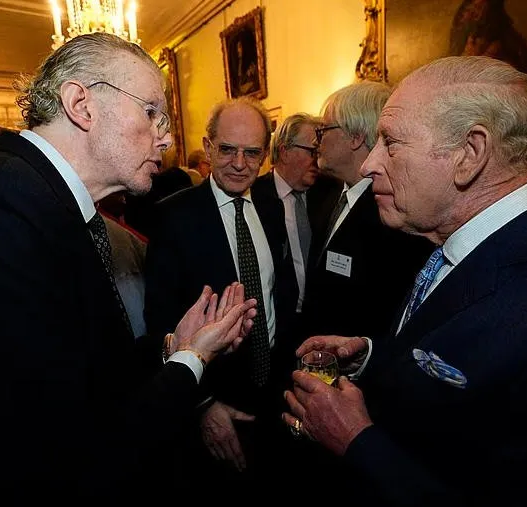
The timing of Philip’s revealed secret has drawn attention. In 2024, King Charles III publicly announced his own cancer diagnosis. That same year, Catherine, Princess of Wales also shared news of her illness.
Within the same family, different generations chose different paths. Prince Philip kept his condition private. Later members chose transparency.
Questions That Remain
To this day, Buckingham Palace has never officially confirmed the pancreatic cancer diagnosis. All claims come from Vickers himself.
However, Vickers is not an outsider. He has spent over five decades studying and commenting on the royal family. He has written more than 20 books, including a biography of Philip’s mother, reportedly with the family’s approval.
His long-standing connection lends weight to his account, though it remains unverified.
A Final Act of Quiet Strength
One fact remains certain. In June 2013, Prince Philip underwent abdominal surgery and stayed in a clinic for 11 days.
What followed over the next eight years remains partly hidden.
If Vickers is correct, then Prince Philip carried his illness in silence, facing it alone, right up until that final quiet night when he poured himself one last drink.