






A Strange Courtroom Speech in Nairobi
On May 7, 2025, inside a courtroom at Jomo Kenyatta International Airport in Nairobi, a judge paused mid-sentence and asked the audience to imagine something disturbing.
He described a creature being violently taken from its home, crammed into a container with others, and forced to survive on sugar water in a confined space.
It sounded like a description of slavery. 
But the judge clarified that this was not human trafficking. It was illegal wildlife trade.
Four Defendants and 5,000 Ant Queens

Seated before the court were two Belgian teenagers, a young Vietnamese man, and a Kenyan national.
Their crime was unusual. They were accused of smuggling 5,000 live queen ants.
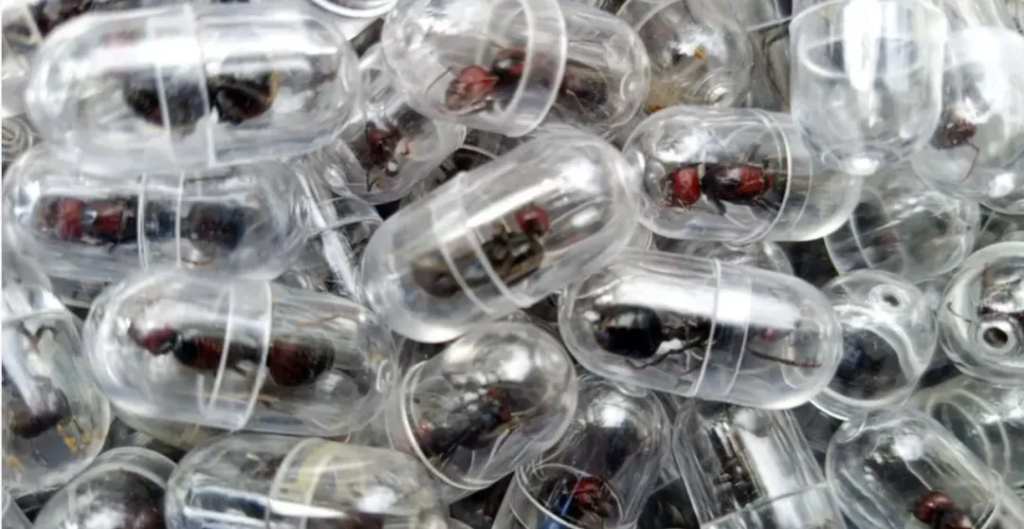
The arrests took place on April 5, 2025, in Nakuru County. Authorities discovered the ants packed into 2,244 small tubes.
One of the suspects, 19 year old Lornoy David, was an enthusiastic ant keeper back home in Belgium. He maintained several colonies and actively participated in online communities.
Another 19 year old, Seppe Lodewijckx, had come to Kenya to watch the Safari Rally. Through local contacts, he became entangled in the smuggling operation.
One was a true hobbyist. The other simply got involved along the way.
Also arrested were 23 year old Vietnamese IT student Duh Hung Nguyen and a Kenyan accomplice.
A Breakdown in Court
During the trial, Nguyen broke down emotionally. He explained that he had dropped out of university to care for his father, who was suffering from cancer.
He claimed he had been hired as a courier and had no idea the activity was illegal.
The Belgian teenagers insisted they were driven by passion rather than profit. That claim was not entirely false.
The Rise of Ant Keeping as a Global Subculture
Over the past decade, ant keeping has evolved into a global niche hobby.
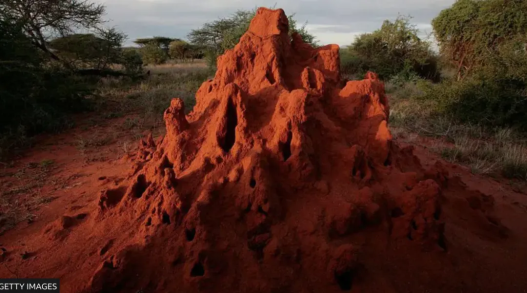
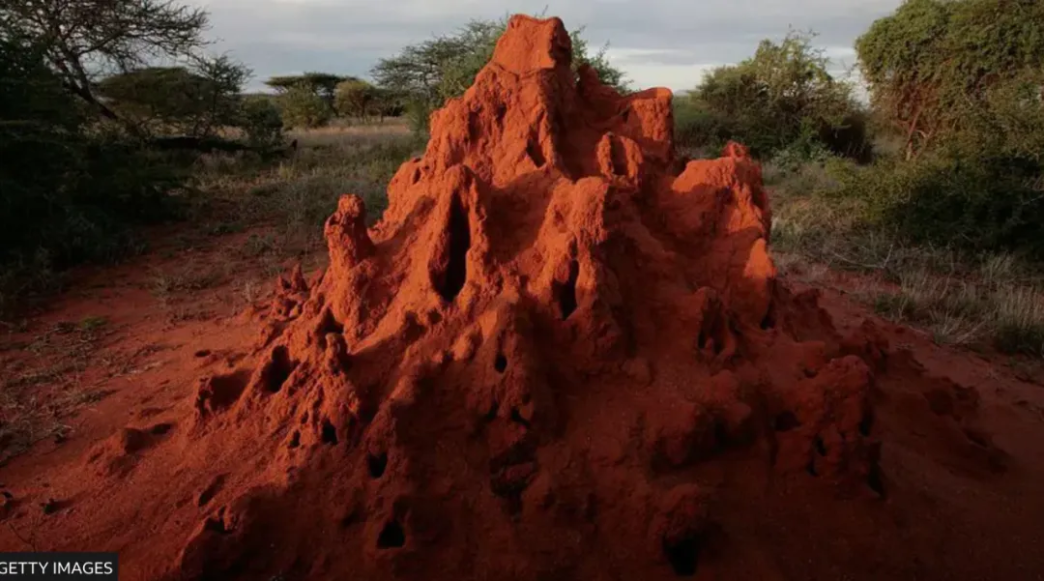
In places like Gilgil, a quiet agricultural town in Kenya’s Rift Valley, something extraordinary happens every rainy season.
Thousands of ant colonies become active. Winged males emerge and mate with queens before dying. The queens then disperse to establish new colonies.
To locals, this is a routine natural cycle.
But for collectors worldwide, it is a once a year opportunity.
The Star Species: Messor cephalotes
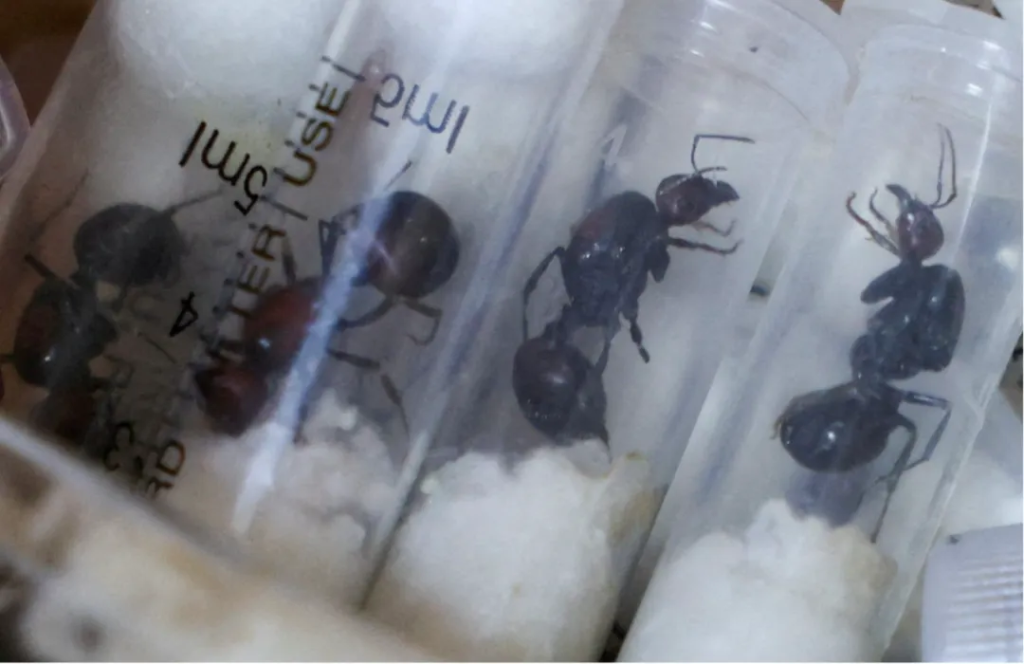
The most sought after species is Messor cephalotes, commonly known as the East African giant harvester ant.
These ants are large, red, and relatively easy to keep. Their colonies revolve around a single queen, who produces all offspring.
If the queen dies, the entire colony eventually collapses.
In the black market, a single queen can sell for up to 220 US dollars.
Yes, 220 dollars for one ant.
How the Smuggling Works
A former middleman described the process as surprisingly simple.
Collectors never go into the fields themselves. Instead, locals gather queens early in the morning near ant mounds.
The ants are then placed into tubes or syringes provided by buyers and delivered to waiting clients in town.
The scene feels surreal.
Under the early African sunrise, someone carefully searches the soil, packs ants into medical syringes, and delivers them like takeaway food.
Life Inside an Ant Farm
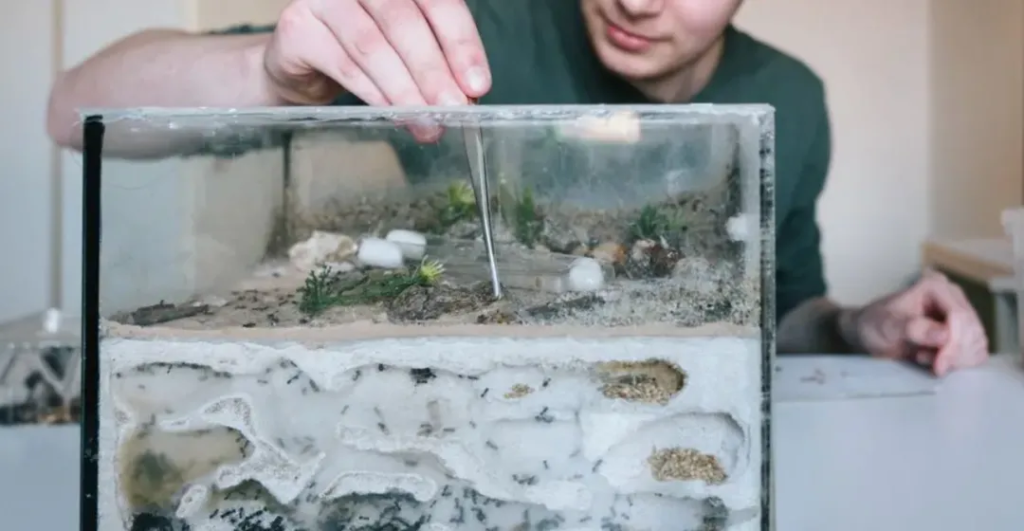
Collectors keep ants in transparent containers known as ant farms.
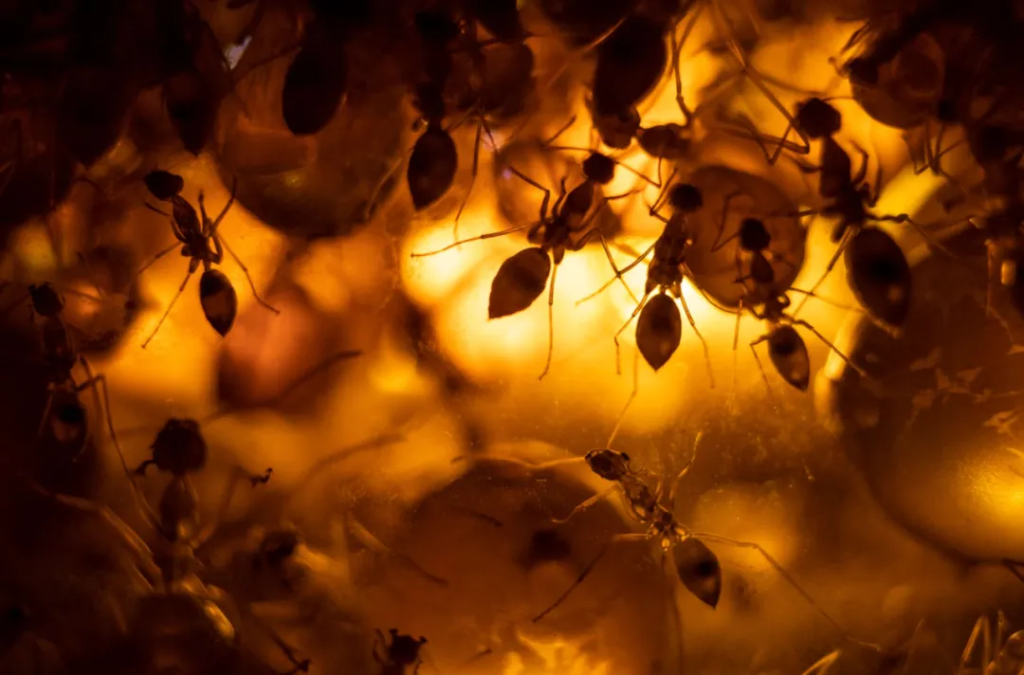
Inside these glass enclosures, ants build tunnels, transport food, and care for their larvae.
To enthusiasts, observing ants feels like watching a miniature civilization.
They communicate using antennae and chemical signals. They organize labor efficiently. They respond to threats collectively.
The hobby has exploded online. Forums are filled with discussions. YouTube channels dedicated to ants attract millions of followers.
One viral video about fire ants planning an escape has accumulated over 41 million views since 2016.
Demand Fuels Illegal Supply
Where demand exists, supply follows.
A study by a research team at Sichuan University tracked over 58,000 ant colony transactions on Chinese platforms within six months.
More than a quarter involved non native species, despite strict import restrictions.
A Legal Blind Spot
The Kenyan case shocked many observers, not just because of the price.
Researcher Sérgio Henriques pointed out a critical issue.
No ant species is currently listed under the CITES, the international treaty regulating endangered wildlife trade.
This means there is little oversight.
Customs officials are trained to detect ivory or rhino horn. Few are checking for insects hidden in luggage.
Easy to Hide, Easy to Transport
Ants are incredibly easy to smuggle.
The 5,000 queens in this case were packed into syringes filled with cotton. This allowed them to survive for weeks in sealed conditions.
No refrigeration is required. No special containers are needed.
On an X ray scanner, it simply looks like harmless medical supplies.
A Growing Trend in Wildlife Crime
According to the International Fund for Animal Welfare, this could signal a broader shift.
If ants can be smuggled successfully, other small species may follow.
In 2025, INTERPOL reported results from Operation Thunder.
Authorities across 134 countries seized around 30,000 live animals.
Among them were nearly 10,500 insects, spiders, and butterflies, a sharp increase compared to previous years.
Smugglers Are Adapting
As enforcement tightens around large animals like elephants and pangolins, smugglers are changing tactics.
A report by C4ADS highlighted that criminal networks are not retreating.
They are shifting toward smaller, less detectable species.
Meanwhile, social media platforms and messaging apps make transactions easier than ever.
Buyers post requests in Facebook groups. Sellers respond privately. Deals are completed quickly, often without any coded language.
It can feel as simple as buying sneakers online.
The Court’s Verdict
On May 7, 2025, the court delivered its decision.
All four defendants were fined 770,000 Kenyan shillings or sentenced to one year in prison.
This was the maximum penalty under current law.
The judge noted that the Belgian teenagers did not fit the typical profile of poachers. They seemed genuinely unaware of the legal implications.
However, the case reflects a long history of resource exploitation in Africa, now involving actors from both the West and the East.
The Kenya Wildlife Service classified the incident as biopiracy.
What Happened Next
After more than a month in detention, the Belgian suspects paid their fines and returned home.
Back in Europe, they may resume their hobby, watching ants build tunnels in glass containers.
The Kenyan courtroom experience will likely remain a strange story they tell for years.
But the 5,000 queen ants will never return to the soil of the Rift Valley.
A Billion Dollar Underground Market
The World Customs Organization estimates that the global wildlife black market is worth around 20 billion US dollars annually.
The true figure may be even higher.
No one knows how much of that comes from insects such as ants, spiders, beetles, or butterflies.
Opportunity or Risk for Kenya
Interestingly, Kenya is not entirely dismissing this trade.
Journalist Charles Onyango Obbo argues that the country may be missing a major economic opportunity.
Unlike gold or diamonds, ants are renewable. They can be bred and harvested sustainably.
In fact, Kenya’s cabinet has already approved policy guidelines to commercialize parts of the wildlife economy, including ant trade.
The goal is to create jobs, generate income, and support local communities.
A Controversial Future
If managed carefully, farmers in areas like Gilgil could one day cultivate ant colonies alongside crops.
Queen ants worth 220 dollars each could become an additional source of income.
However, the risks remain significant.
Without proper regulation, this emerging market could damage ecosystems and encourage further illegal activity.
The story of the 220 dollar ant may sound bizarre.
But it reveals a deeper shift in global wildlife crime.
And this new market is only just beginning to grow.