








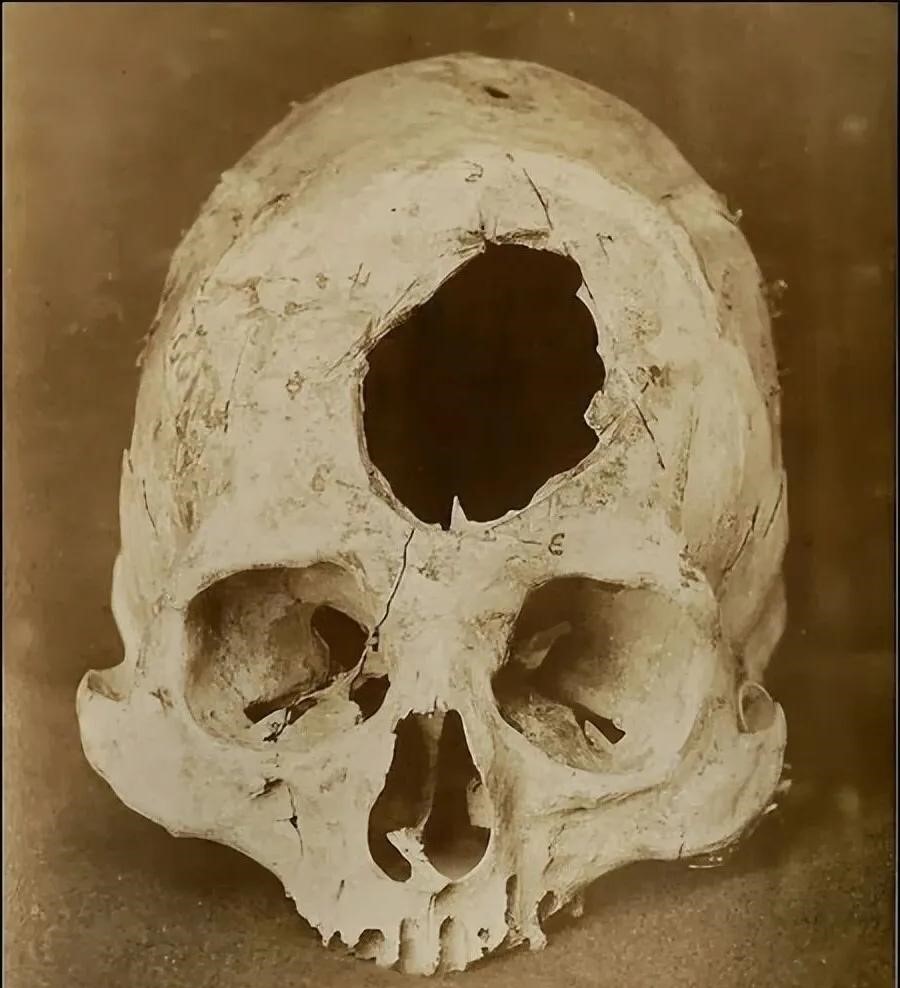
Our world is complex, and often, what we see is just a fraction of what exists. Have you ever heard of people drilling holes in their skulls to “unlock” their minds? The practice of trepanation involves drilling a hole in the skull, typically in the frontal area, and allowing it to heal naturally. Supporters claim this procedure can shift consciousness, boost self-awareness, and even spark a form of enlightenment.
The Ancient Roots of Trepanation
One of humanity’s oldest surgical practices, trepanation dates back over 10,000 years. Evidence of the procedure has been found across various ancient cultures, from South America to Europe. Interestingly, in Hinduism, the deity Shiva, associated with transformation, is sometimes linked to this “mind-opening” act, suggesting a historical connection between consciousness and skull drilling.
Amanda Feilding: A Modern Pioneer of Trepanation
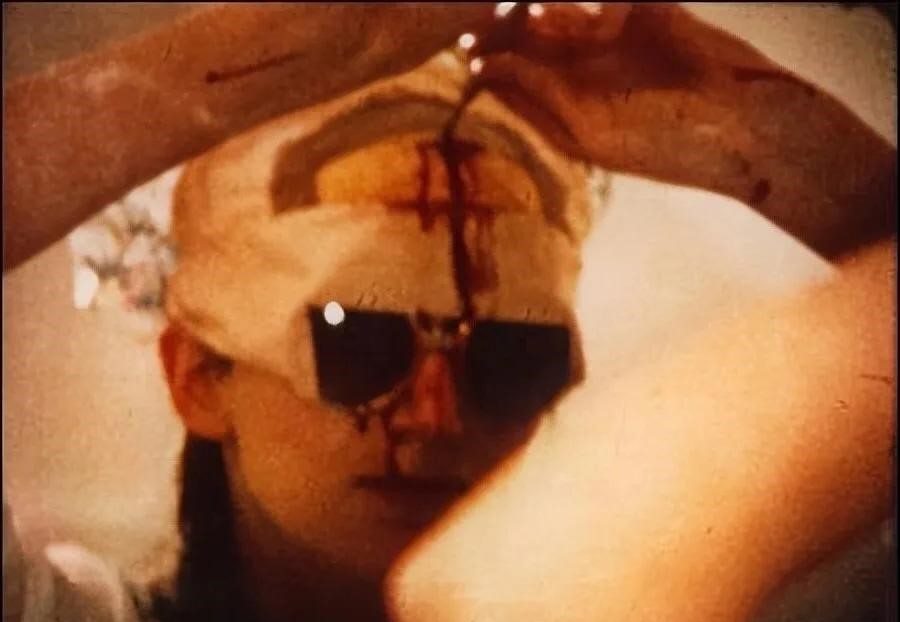
In the 1970s, Amanda Feilding, an unconventional British aristocrat, became a leading advocate of trepanation. She famously performed the procedure on herself without any medical supervision, drawing both admiration and skepticism. Since then, she has dedicated her life to studying and promoting the potential benefits of this controversial practice. 

The Medical Significance of Trepanation
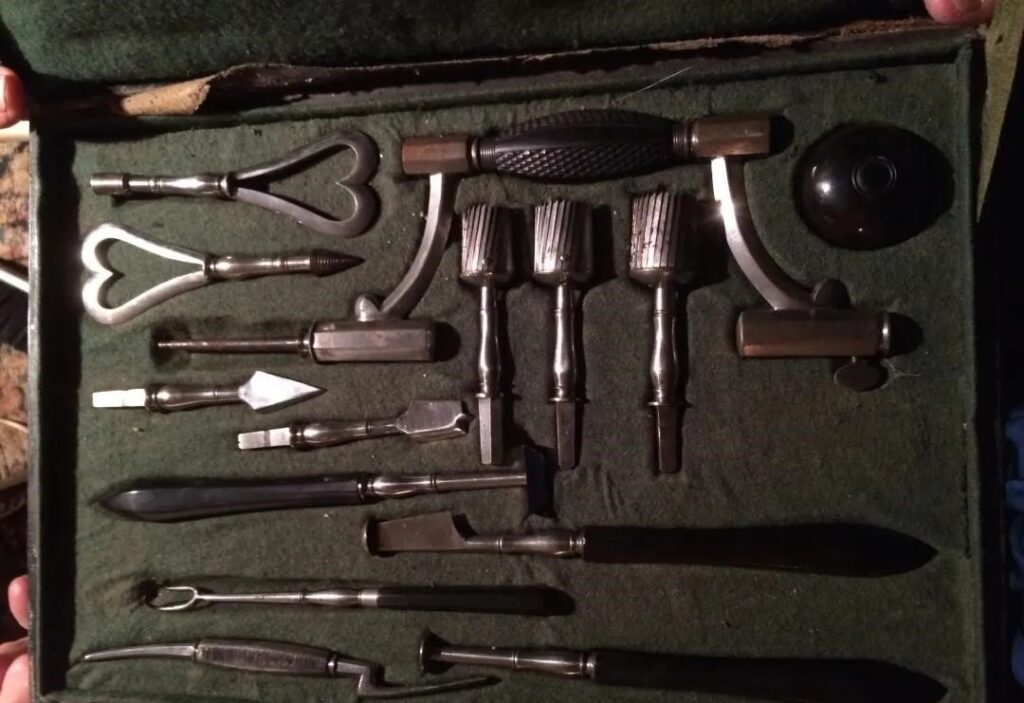
Feilding argues that trepanation is far from a mystical ritual. Instead, she believes it holds genuine medical potential. Ancient references to “letting light in” or “releasing demons” during the process were, according to Feilding, not supernatural but rather early attempts to explain a medical procedure. Historically, trepanation was used to treat ailments like chronic headaches, epilepsy, and migraines, with some successes documented. While the idea of drilling into the skull to cure such conditions may seem bizarre, Feilding sees it as part of humanity’s long-standing quest to understand and expand the mind.
The Science of Trepanation: The Role of Skull Development
Feilding offers a compelling theory for why trepanation might actually have physiological effects. She compares it to how an infant’s skull develops. At birth, a baby’s skull is soft, with flexible areas known as fontanelles, which allow free-flowing pulsations between the body and brain. As the child grows, these areas close, and the skull becomes rigid, restricting these pulsations. Feilding believes that trepanation reopens these natural “pulsations,” improving the balance of blood and cerebrospinal fluid, which might enhance mental clarity and awareness.
Trepanation as a Personal Experiment
For Feilding, the decision to undergo trepanation wasn’t merely for scientific curiosity—it was also about pushing the boundaries of human consciousness. She theorized that as we grow, the closure of fontanelles and the resulting rigidity of the skull reduces sensory sensitivity and cognitive function. By reopening the skull, she believed she could regain heightened perception. To her, this wasn’t just an act of rebellion, but a personal, philosophical experiment—a way to understand the mysteries of consciousness.
After the procedure, Feilding reported feeling clearer, more focused, and even experiencing relief from migraines. These subjective benefits motivated her to continue advocating for trepanation, despite its highly controversial nature.

The Ethical Debate: Is Trepanation Worth the Risk?
While Feilding’s experience has sparked much debate, most medical professionals view trepanation as risky and unsupported by scientific evidence. The procedure can lead to serious health complications, such as infection or brain damage, and has little to no proven benefit.
Feilding argues that the real “opening” required may not be of the skull, but of our closed minds—our resistance to exploring unconventional methods. She believes that, if approached thoughtfully and with caution, trepanation could unlock new insights into consciousness. However, these ideas remain contentious, with many questioning the procedure’s safety and efficacy.