





Tucked along the Adriatic coast, Montenegro is often overlooked—but that’s exactly what makes it special.
Despite its small size, Montenegro feels like a “mini Europe.” Within just a couple of hours, you can travel from dramatic bays to medieval towns, from monasteries to mountains, and even glacial lakes. It’s a place where landscapes change quickly, but beautifully.
Kotor: A Fjord-Like Bay in Southern Europe
A Rare Adriatic Landscape
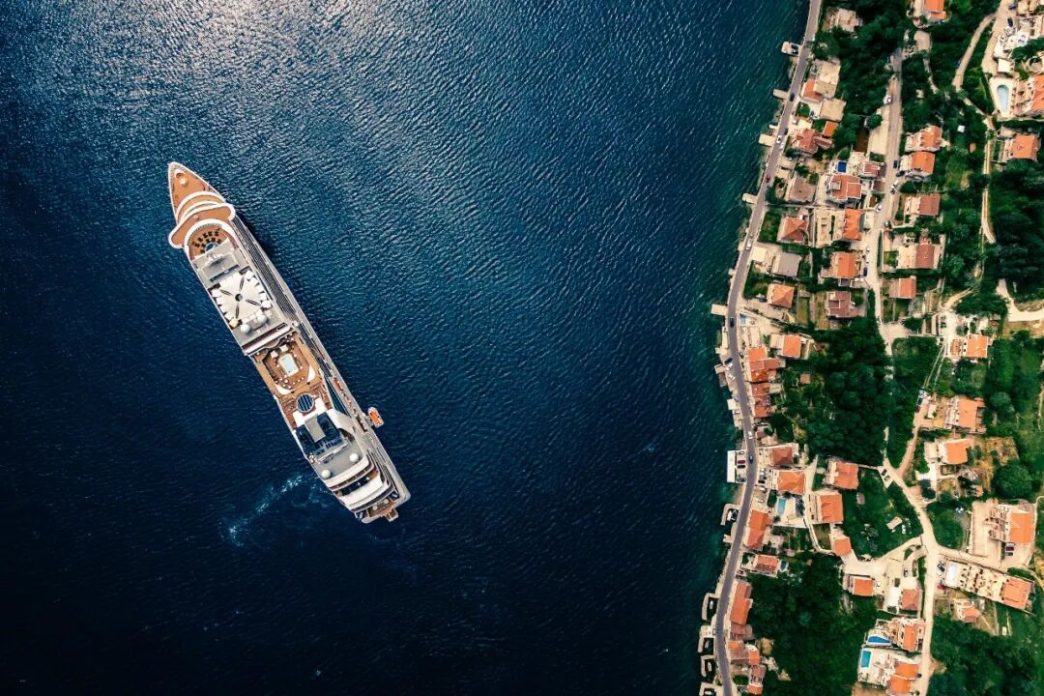
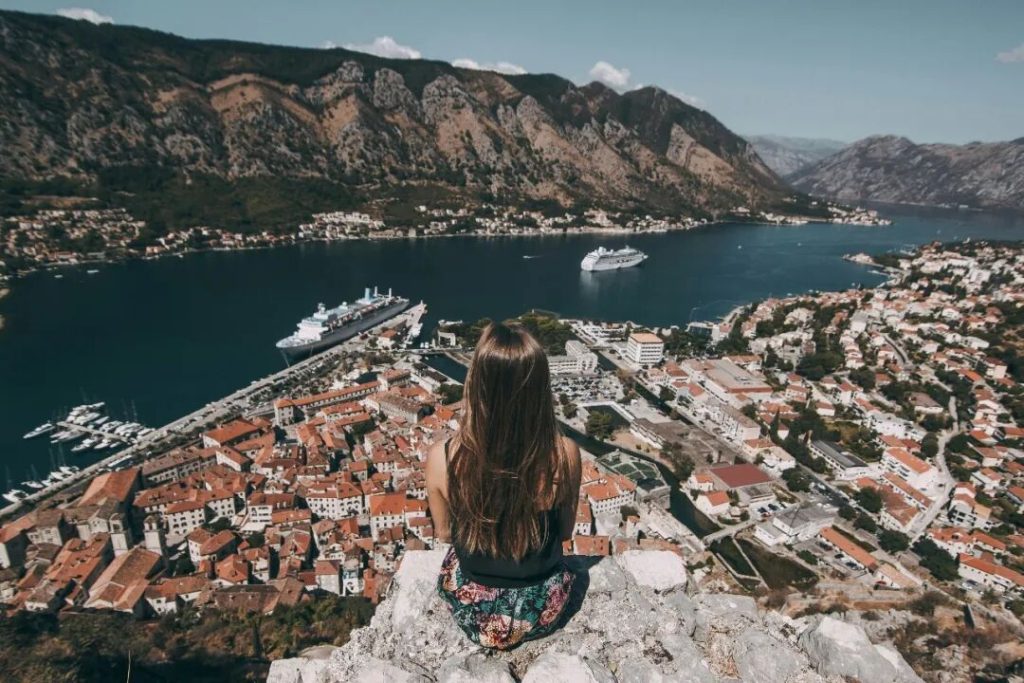
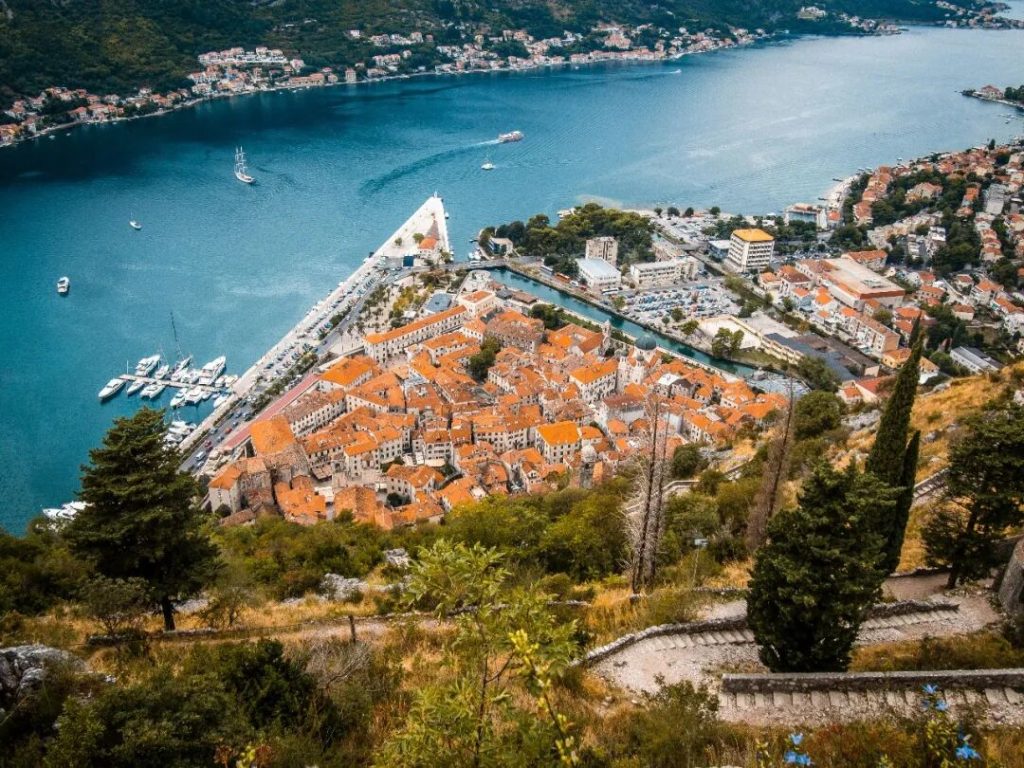
The stunning Bay of Kotor is Montenegro’s most iconic destination. Surrounded by steep mountains, this enclosed bay resembles a fjord—something rarely seen in Southern Europe. 
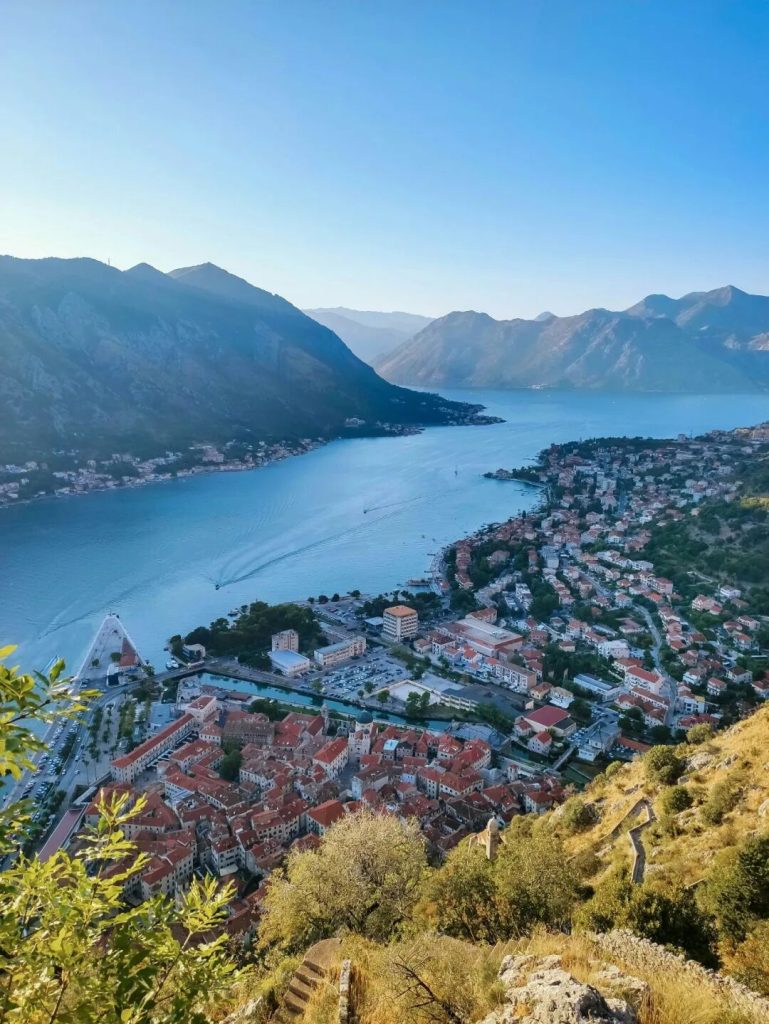
Unlike the cold tones of Nordic fjords, Kotor glows with Mediterranean warmth: deep blues, lush greens, and pale limestone under soft sunlight.
Kotor Old Town: A Walk Through Time
Inside the compact Kotor Old Town, history feels folded into every corner.
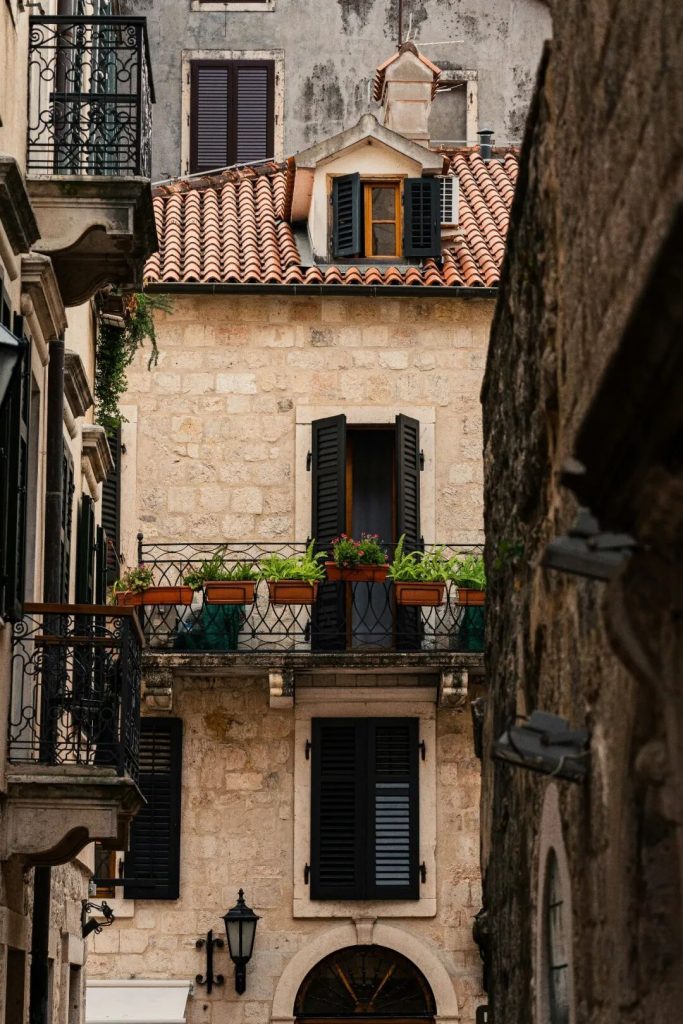
Enter through the Sea Gate, and you’ll notice traces of the Venetian Republic everywhere—from stone carvings to faded Latin inscriptions. The streets are narrow, winding, and full of quiet stories shaped by centuries of sea air and trade.
St. Tryphon Cathedral: Layers of History in Stone
Hidden among the maze of streets is St. Tryphon Cathedral, one of the town’s oldest landmarks.
Originally built in 809 and rebuilt in 1166 in Romanesque style, the cathedral carries visible marks of time. Earthquakes and restorations have left their imprint—rough medieval stone at the base, smoother additions higher up.
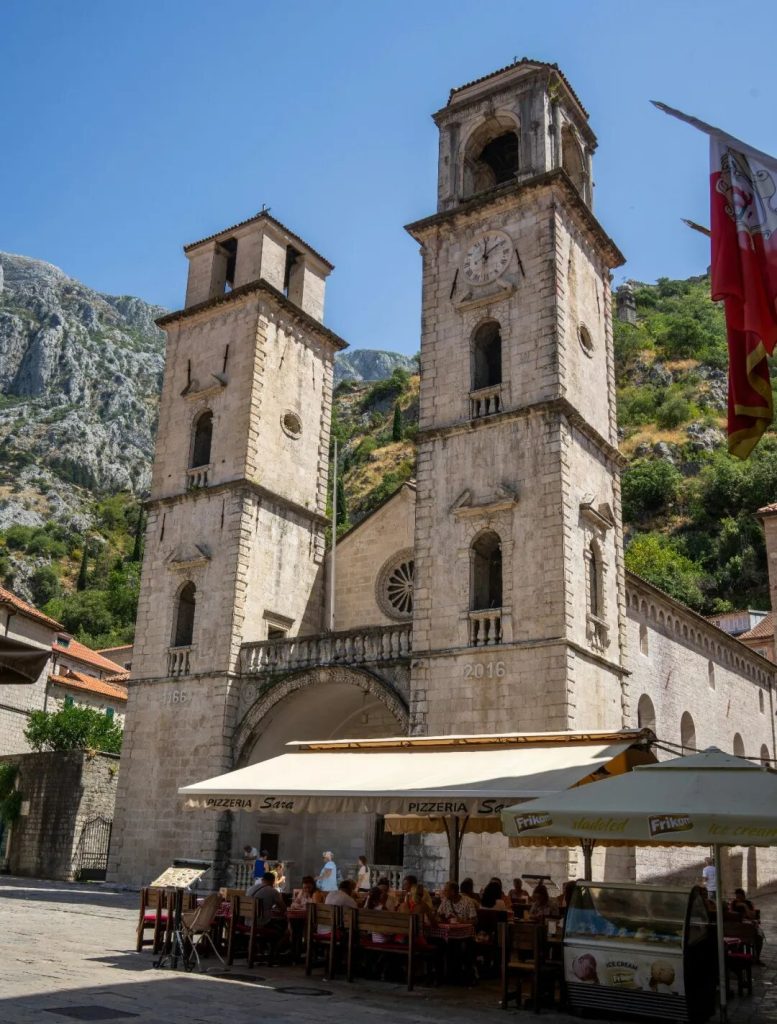
Inside, the upper arcades reveal subtle Venetian influences, where light filters through arches, creating a calm and almost timeless atmosphere.
San Giovanni Fortress: Climb Into History
Rising above the town, San Giovanni Fortress is far more than just a viewpoint—it’s a key part of Kotor’s defense system.
Dating back to the Byzantine Empire and later expanded during Venetian rule, the fortress is connected by a 4.5 km defensive wall winding up the mountain.
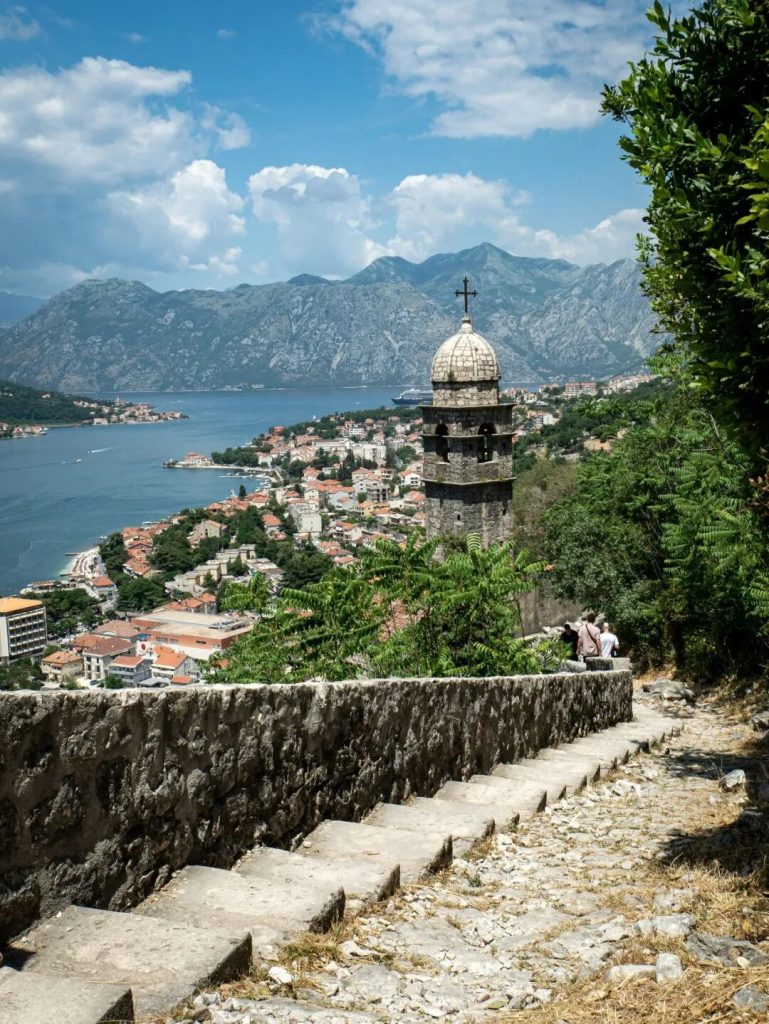
Climbing roughly 1,350 steps isn’t easy, but the reward is worth it. At sunset, the bay, rooftops, and mountains light up together, revealing Kotor as a living map of history.
Budva & Sveti Stefan: Classic Adriatic Coastlines
Budva Old Town: Where History Meets the Sea
The charming Budva Old Town dates back to the 4th century BC, though much of what you see today comes from the Venetian period.
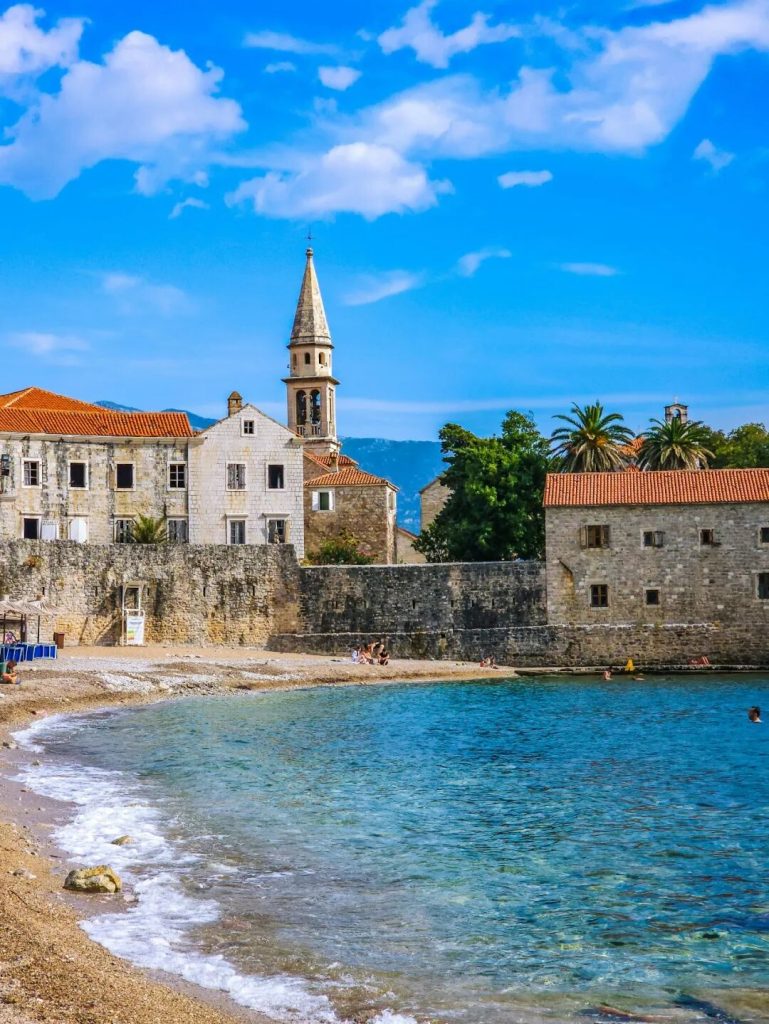
Stone houses, narrow alleys, and seaside walls create a classic Mediterranean feel. From the citadel, you’ll see orange rooftops on one side and the open Adriatic Sea on the other.
Mogren Beach: A Quiet Coastal Escape
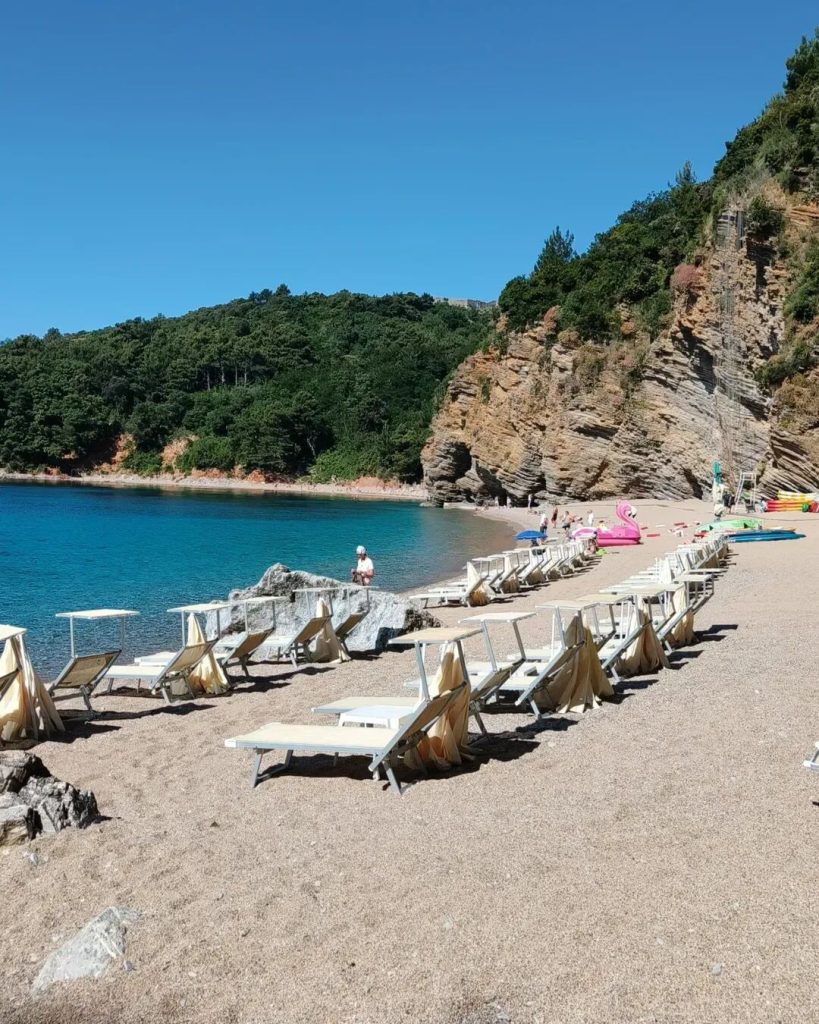
A short walk from Budva leads to Mogren Beach, a peaceful retreat split into two small coves connected by a rocky passage.
Compared to the main beaches, Mogren is calmer, cleaner, and closer to nature—perfect for slowing down and enjoying the sound of waves.
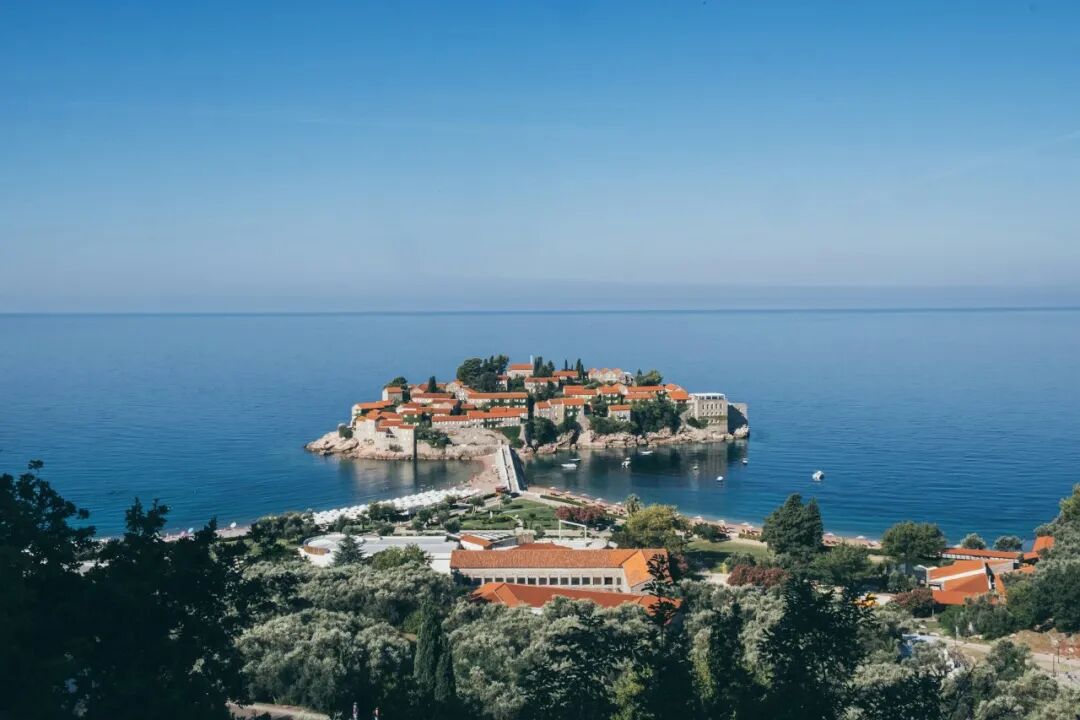
Sveti Stefan: Montenegro’s Most Iconic View
The postcard-perfect Sveti Stefan is connected to the mainland by a narrow sandbar, creating one of the most recognizable views in the country.
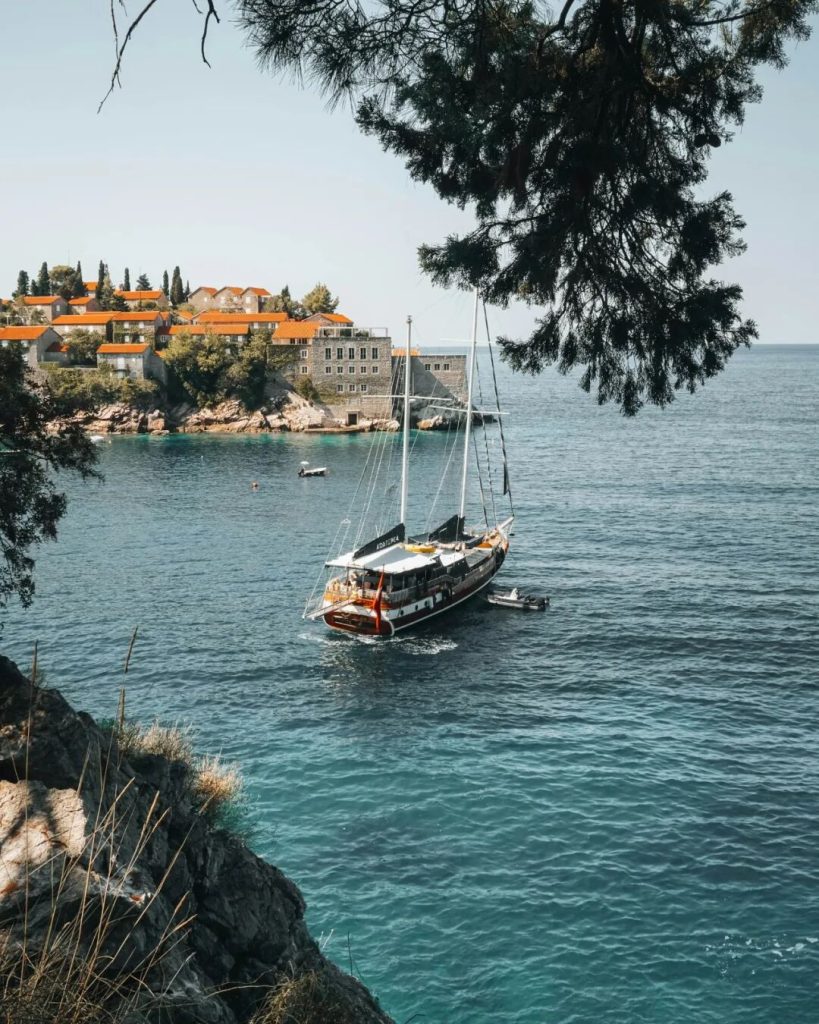
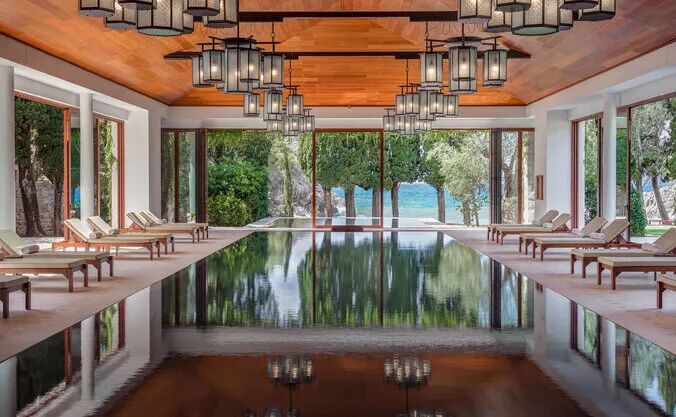
Once a 15th-century fishing village, it is now managed by Aman Resorts and not freely accessible. However, nearby viewpoints—especially around St. Sava Church—offer breathtaking panoramic views of the island and coastline.
Durmitor National Park: A Mini Alps Experience
Located in northern Montenegro, Durmitor National Park is a UNESCO-listed природный wonder known for its mountains, forests, and glacial landscapes.
Black Lake: Nature at Its Purest
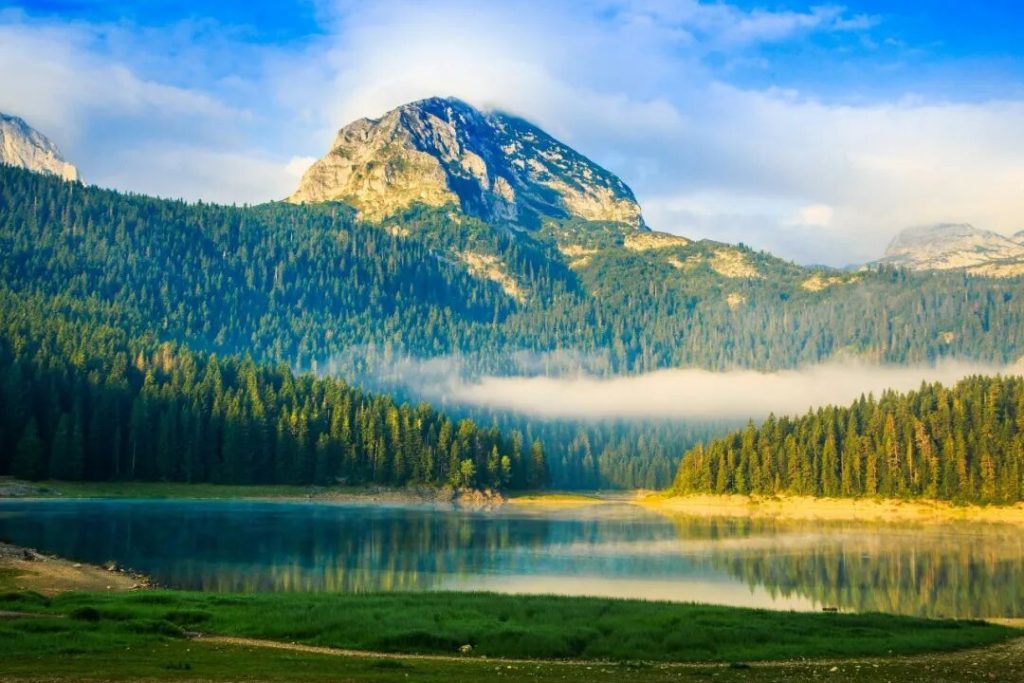
The beautiful Black Lake was formed by glaciers and consists of two connected lakes.
Surrounded by dense pine forests, its color shifts with the weather—deep blue on sunny days, dark and mysterious when clouds roll in. A walking trail circles the lake, making it an ideal starting point for exploring the park.
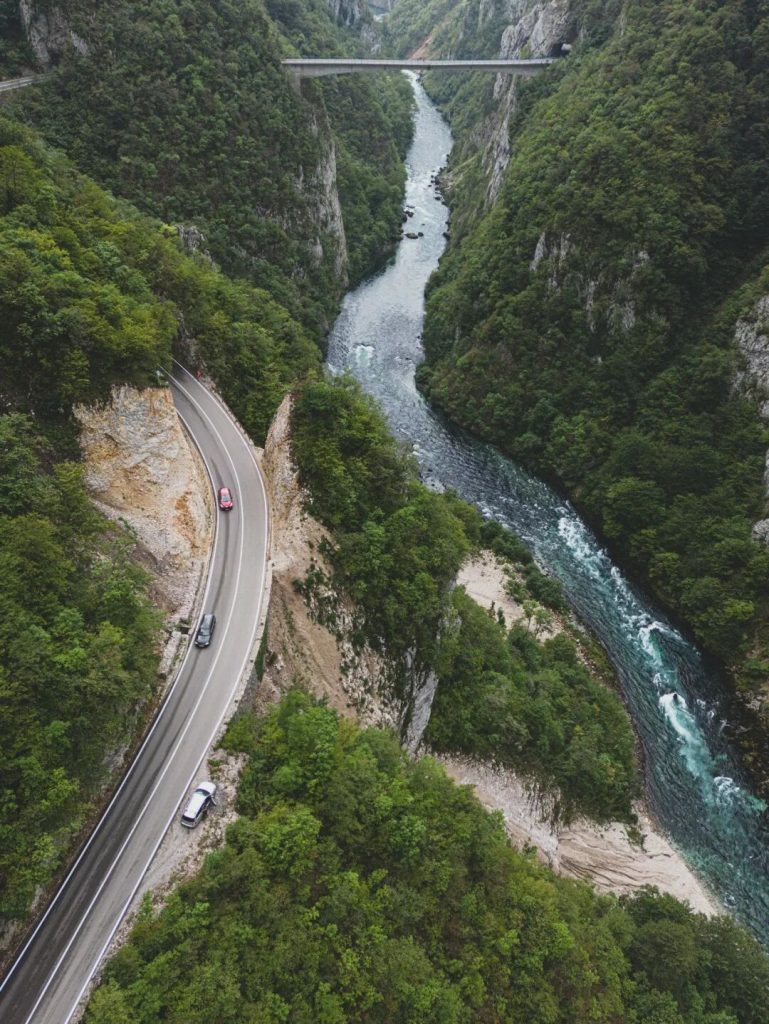
Tara River Canyon: Europe’s Deepest Gorge
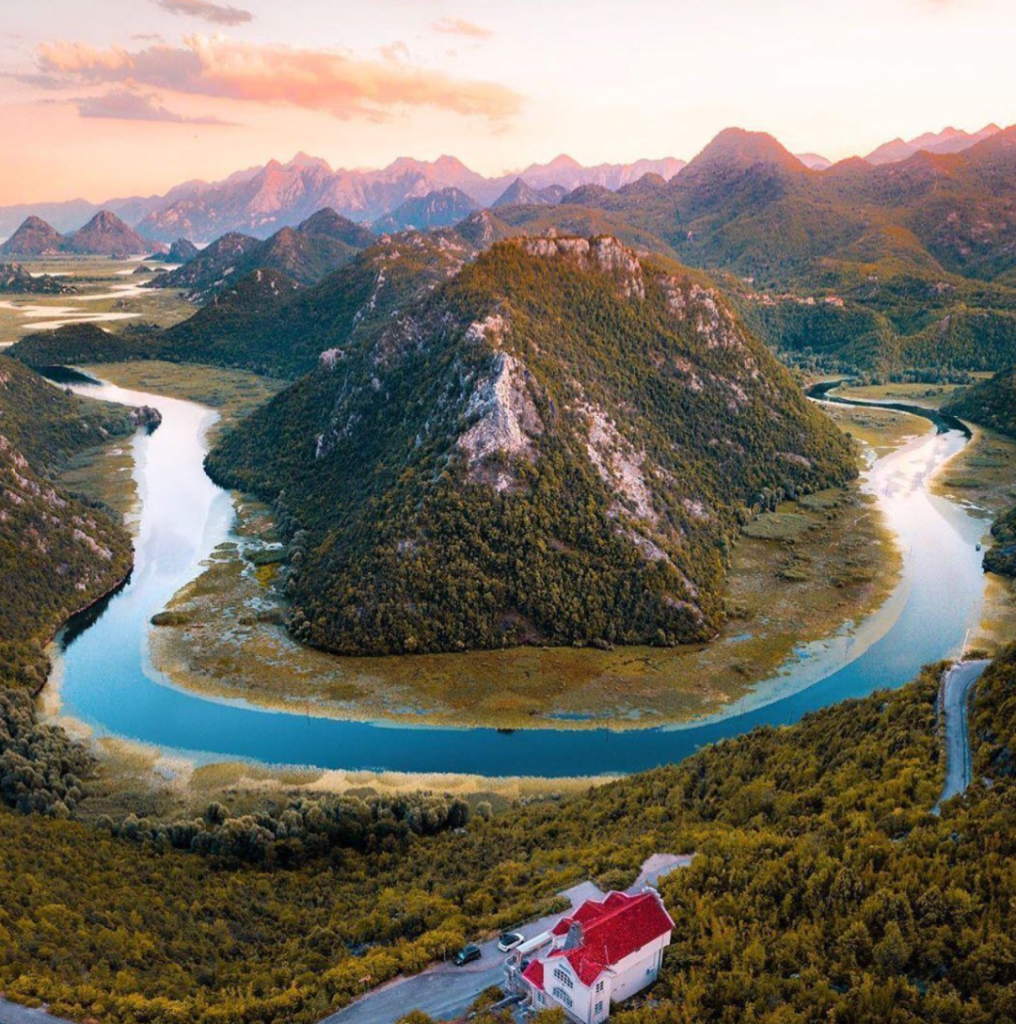
The dramatic Tara River Canyon plunges up to 1,300 meters, making it one of the deepest canyons in Europe—often called the “Grand Canyon of Europe.”
Spanning the canyon is the Đurđevića Tara Bridge, a landmark with both architectural and cultural significance. It’s also famous as the filming location for the classic Yugoslav war movie The Bridge.
A Compact Destination Full of Surprises
Montenegro may be small, but it delivers an incredible variety of experiences—from fjord-like bays and medieval towns to beaches and alpine landscapes.
If you’re looking for a destination that feels rich, diverse, and still relatively undiscovered, Montenegro might just be Europe’s best-kept secret.