





On October 2, in the city of Campinas, São Paulo, Brazil opened a new 1,300-square-meter factory.
At first glance, it looks like any ordinary building — but it’s actually the world’s largest mosquito factory.

And its purpose?
To fight back against the deadliest animal to humans — the mosquito itself.
But instead of spraying pesticides, scientists are turning mosquitoes into allies.
Their goal: breed harmless mosquitoes that can stop deadly viruses from spreading. 
Humanity’s Endless War Against Mosquitoes
For thousands of years, humans have battled mosquitoes — and mostly lost.
Even today, more than 400,000 people die each year from mosquito-borne diseases, according to the World Health Organization.
Ten years ago, science made a breakthrough.
Researchers discovered they could genetically modify male mosquitoes so that when they mated with wild females, their offspring would die before reaching adulthood.
This technology was even used during the 2016 Rio Olympics to help stop the spread of the Zika virus.
From Killing Mosquitoes to Controlling Disease
Brazil invested heavily in these genetic projects, hoping to wipe out mosquitoes altogether.
But over time, scientists realized that eliminating mosquitoes didn’t eliminate diseases.
Last year, Brazil faced another devastating dengue fever outbreak — with over 6.4 million cases and nearly 6,000 deaths.
It was a painful wake-up call.
So instead of trying to kill every mosquito, Brazil decided to rethink the strategy.
The Birth of the World’s Largest Mosquito Factory
This new facility in Campinas marks a turning point.
It was built with the help of the UK-based Oxitec, the same biotech company behind earlier mosquito control projects.
But the technology has evolved dramatically.
From Genetic Editing to Bacterial Protection
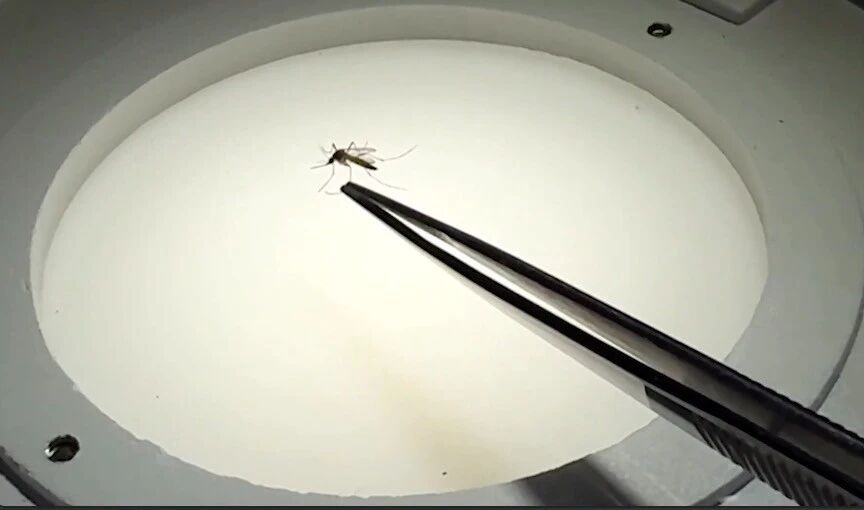
Instead of killing mosquitoes, scientists now infect them with a special bacterium called Wolbachia.
When Aedes aegypti mosquito eggs are injected with Wolbachia, the hatched insects can no longer transmit dengue, Zika, or other viruses.
When these lab-grown mosquitoes are released and mate with wild ones, their offspring inherit the Wolbachia infection — creating new generations of virus-resistant mosquitoes.
It’s like turning the mosquito population into a natural shield against disease.

Inside the Factory: How Mosquitoes Are Raised
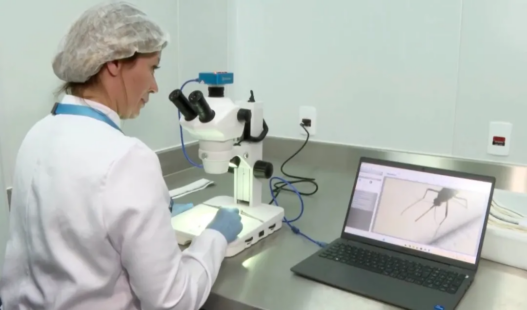
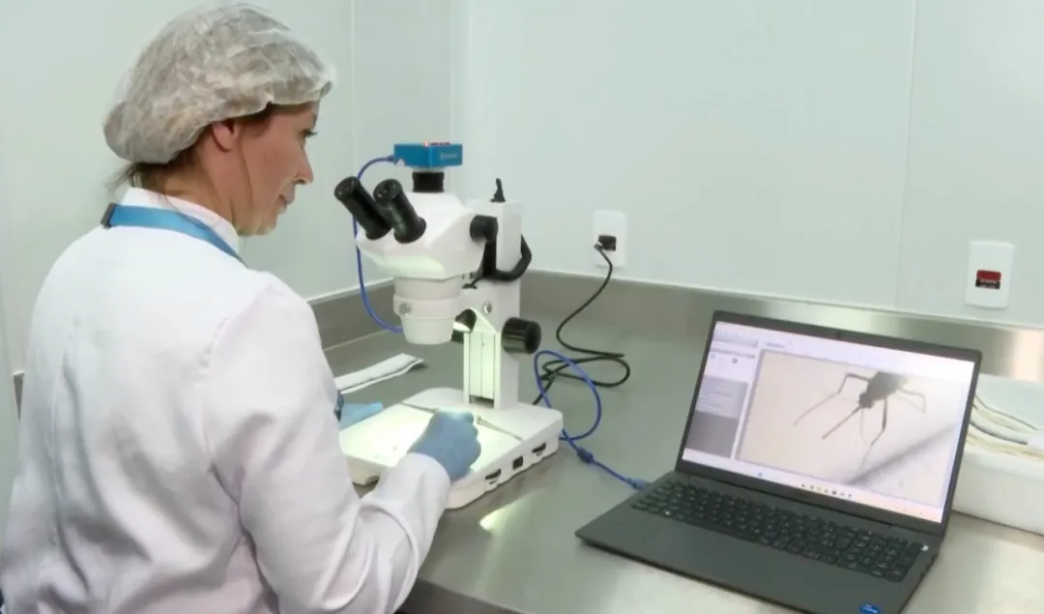
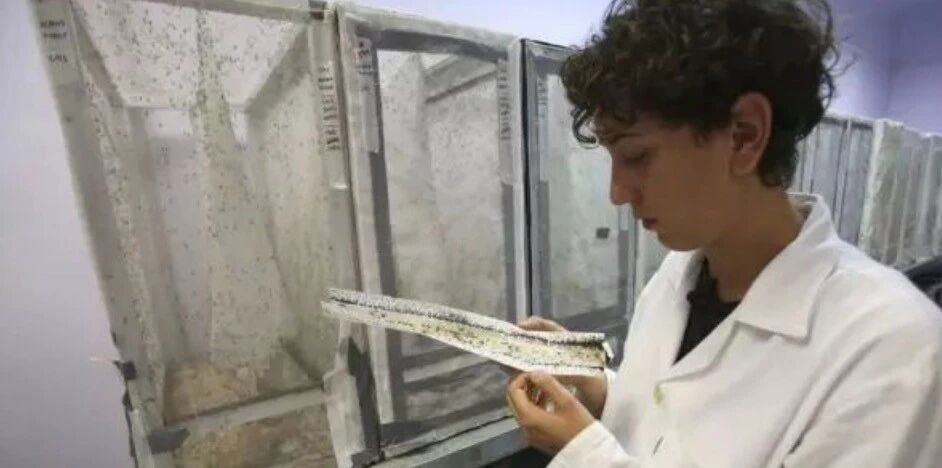
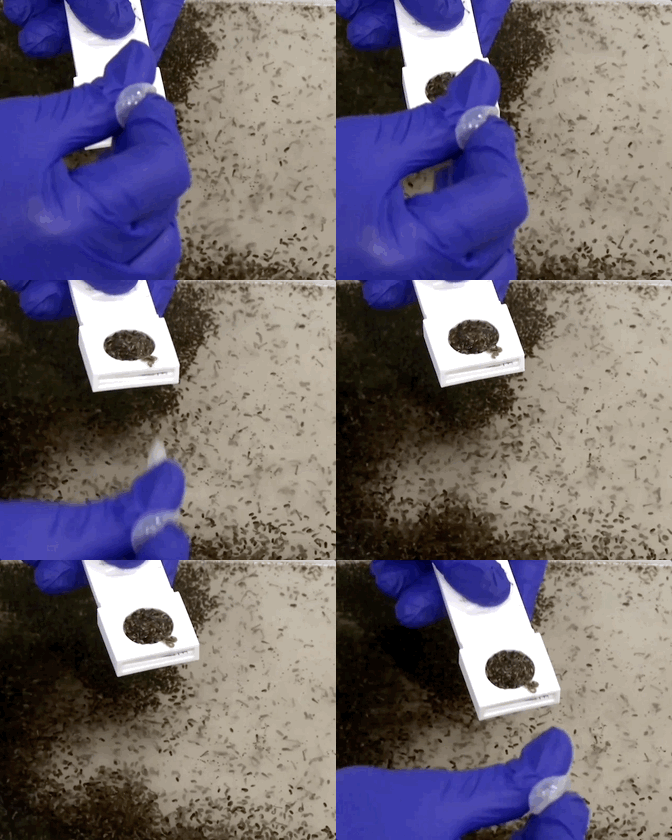
Inside this high-tech factory, millions of mosquito larvae grow in water trays under strict temperature and humidity control.
As they mature, workers move them into sealed cages for feeding and breeding.
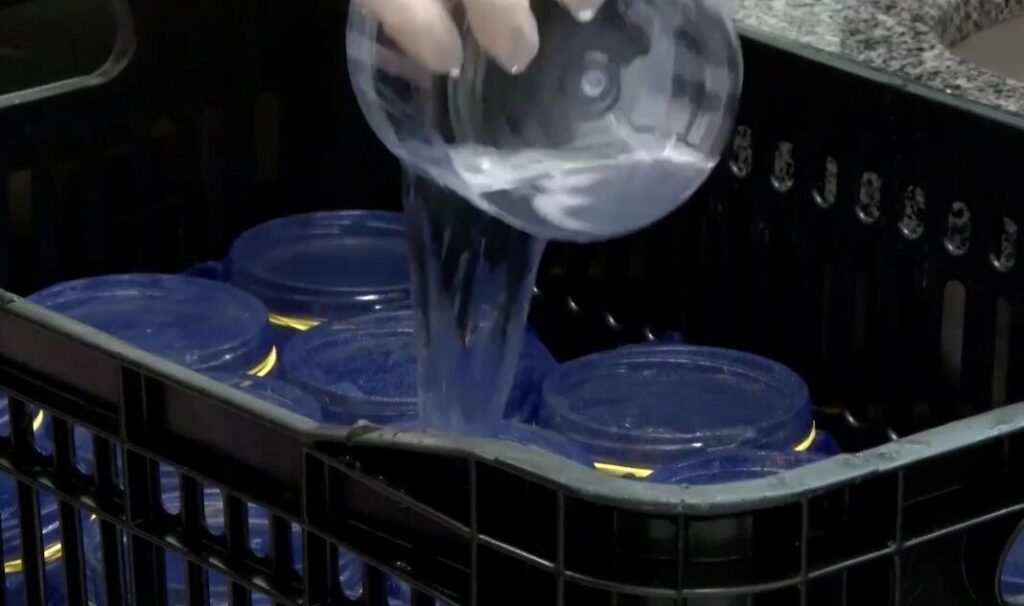
Male mosquitoes sip on sweet solutions, while females feed on animal blood spread over artificial “skin” membranes — simulating human skin for nourishment.
After about four weeks, the adult mosquitoes are ready to be released into the wild.

Releasing Millions of Modified Mosquitoes
Every week, the factory produces a staggering 190 million Wolbachia-infected mosquitoes.
Technicians release them across Campinas and surrounding areas.
Each tiny insect becomes part of a grand biological mission — stopping dengue by outnumbering and neutralizing infected mosquitoes.
In total, the project aims to protect over 100 million Brazilians from mosquito-borne diseases.
Launched in early October, this factory now stands as the world’s largest biological mosquito control center.
A Clever Strategy in an Ancient Battle
After centuries of losing the fight against mosquitoes, humanity might finally have a winning strategy.
If we can’t eliminate them, we can change their nature.
By turning mosquitoes into virus-blocking creatures, Brazil’s approach could redefine how the world fights infectious diseases.