




A viral dispute in the United States has sparked a fierce national debate about discrimination, personal responsibility, and the limits of ride sharing services.
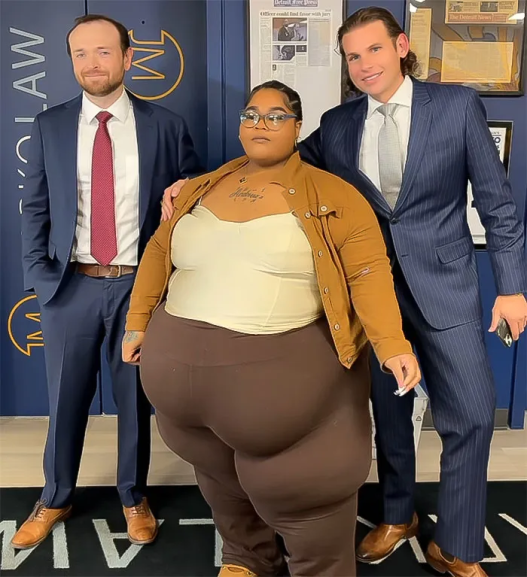
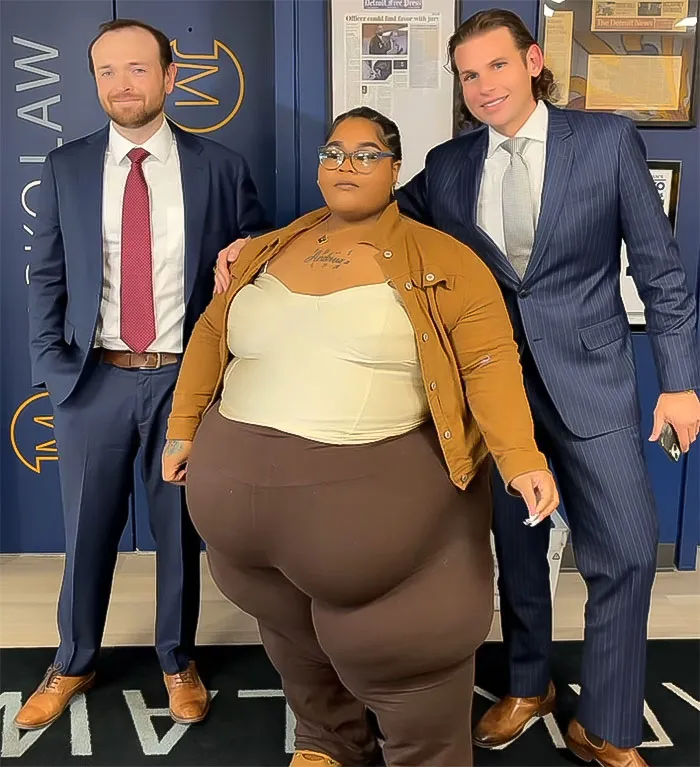
The woman at the center of the controversy is Dajua Blanding, a thirty six year old rapper from Michigan. She performs under the stage name Dank Demoss. According to her own statements, her weight is close to four hundred eighty nine pounds.
Recently, she posted a video on social media that quickly spread across the country and ignited heated arguments online. 
The Refused Ride in Michigan

The incident took place in the US state of Michigan. Blanding had ordered a ride through Lyft because she planned to attend a basketball game.
When the driver arrived in a white Mercedes-Benz sedan, things went wrong almost immediately. According to Blanding, the driver looked at her, locked the doors, and refused to let her enter the car.
In the video, her voice can be heard asking in disbelief what the driver meant. The driver repeatedly apologized. He explained that he believed she would not fit safely in the vehicle.
Blanding insisted she could sit in the car. She demanded to know why the driver assumed otherwise. The driver responded calmly and said he had experienced similar situations before.
The Driver’s Explanation

The driver told her that her weight could damage the tires and suspension of his vehicle. He suggested that she book a larger ride, such as Uber XL, which is designed for bigger passengers and heavier loads.
Blanding reacted angrily. She questioned how her weight had anything to do with the tires. The driver continued to apologize and then canceled the ride, assuring her she would not be charged.
Social Media Backlash
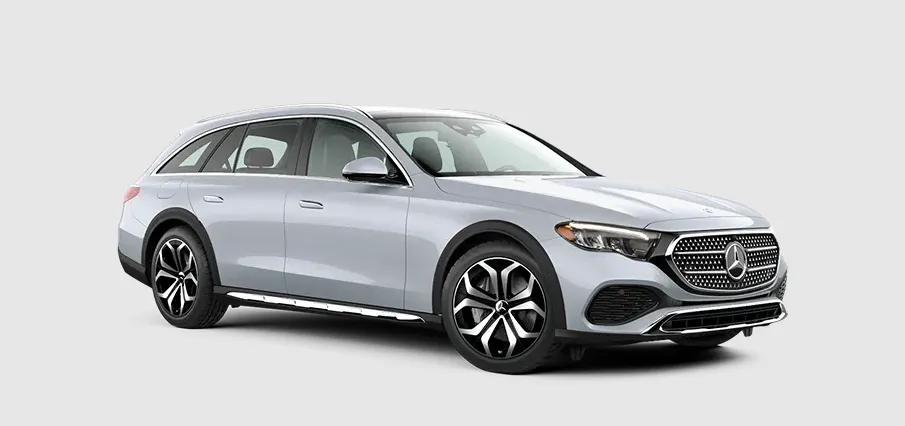
After being refused the ride, Blanding shared the video online and tagged Lyft directly. She asked whether she was wrong and accused the company of allowing discrimination against overweight people.
She wrote that plus size individuals were treated as if they did not belong. The post quickly went viral and drew massive attention from both media outlets and internet users.
Lyft later responded publicly. The company stated that the driver’s behavior was unacceptable and expressed a desire to contact Blanding privately.
Legal Action and Civil Rights Claims
Soon after, Blanding filed a lawsuit against Lyft and the driver. She accused them of violating Michigan civil rights laws that prohibit discrimination based on weight.
Michigan is one of the few places in the United States where weight discrimination is explicitly classified as illegal. The state allows complaints based on height and weight alongside factors such as race, sex, age, disability, and marital status.
Blanding said the incident caused her emotional distress. She described feelings of humiliation, anger, fear, and anxiety.
Lyft’s Official Statement
As the controversy grew, Lyft released a formal statement condemning all forms of discrimination. The company emphasized that its community guidelines require respect, fairness, and kindness toward every passenger.
Lyft also stated that harassment or discriminatory behavior is strictly prohibited under its terms of service.
Public Opinion Splits Sharply
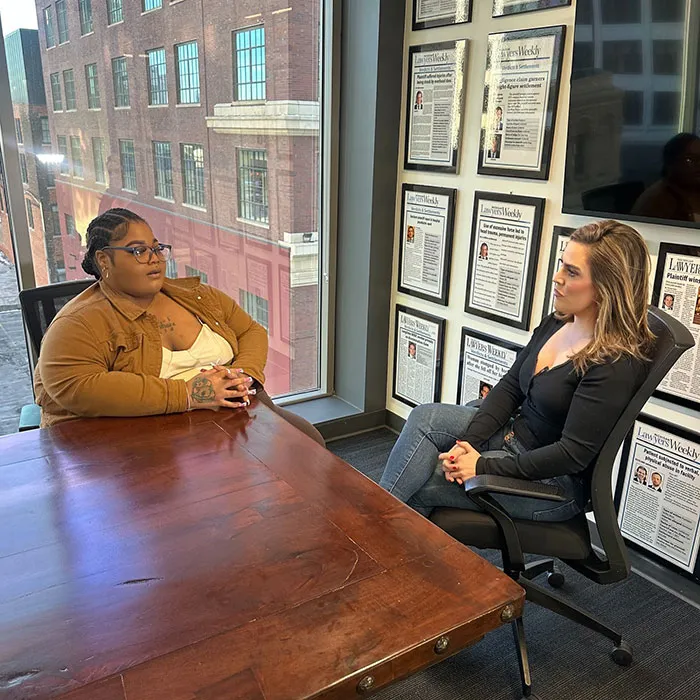
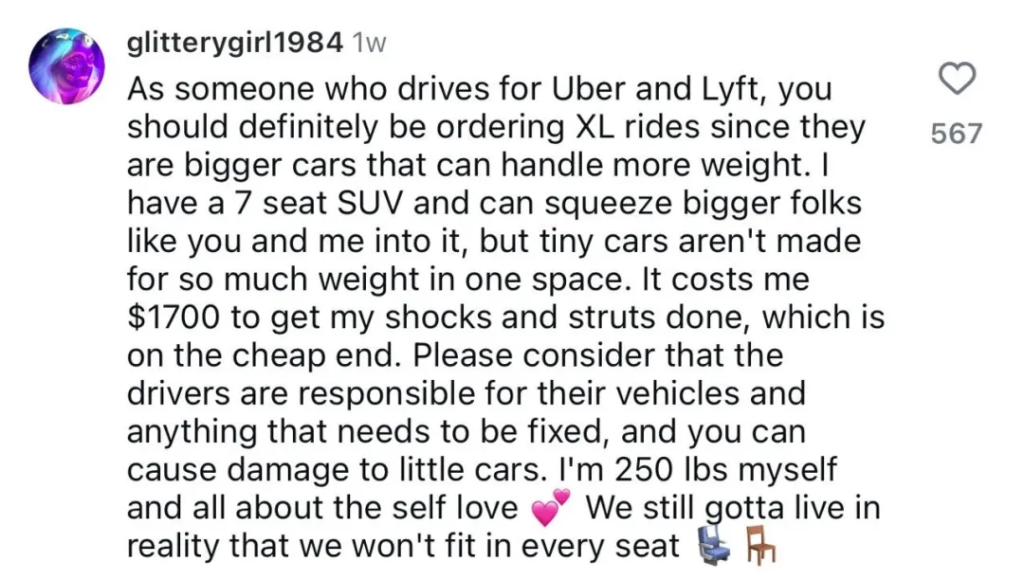
Online reactions were deeply divided. However, many of the most liked comments under the original video supported the driver rather than Blanding.
Numerous users argued that the driver was honest and respectful. They said he did not insult her or mock her appearance. Instead, he gave what they viewed as a practical recommendation.
Some commenters pointed out that ride share drivers are independent contractors. They must pay for their own vehicle repairs. Several drivers shared personal stories about expensive suspension and tire damage caused by overloaded cars.
Others accused Blanding of using her online platform to punish the driver after her pride was hurt. Some said she turned to accusations of discrimination because she could not accept an uncomfortable reality.
Voices Supporting Blanding
Not everyone sided with the driver. A smaller group of commenters criticized him for mentioning tire capacity. They believed that remark crossed a line and embarrassed the passenger.
These supporters argued that Lyft should do more to protect passengers from situations that feel degrading or exclusionary.
Despite this support, critical comments dominated the discussion. Eventually, Blanding disabled comments on her social media account.
A Debate With No Easy Answers
The case raises difficult questions about personal dignity, vehicle safety, and legal responsibility. It also highlights the tension between civil rights protections and the realities faced by independent drivers.
For some, this was a clear case of discrimination. For others, it was an example of uncomfortable honesty in a system built on personal vehicles.
As the lawsuit moves forward, one thing is certain. This argument goes far beyond a single canceled ride. It touches on how society balances empathy, safety, and responsibility in everyday interactions.
And for now, the debate shows no sign of slowing down.