





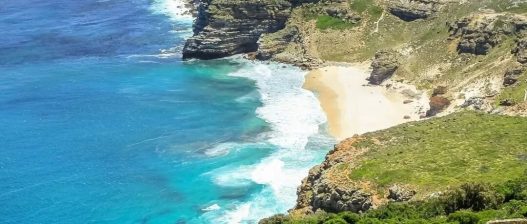
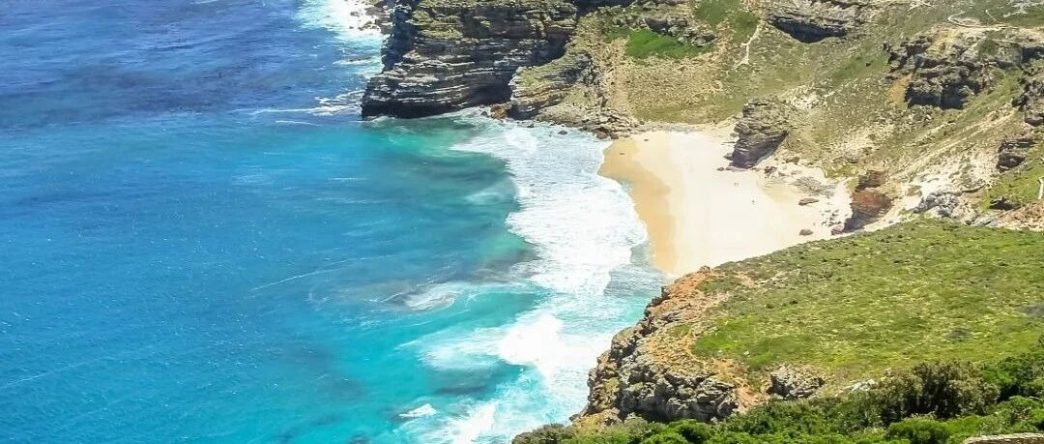
Few places on Earth capture the imagination quite like the Cape of Good Hope. Known from geography textbooks and travel documentaries alike, this iconic landmark in southern Africa has long inspired adventurers, dreamers, and explorers. Standing here, where roaring oceans meet rugged cliffs, feels like stepping directly into the pages of maritime history.
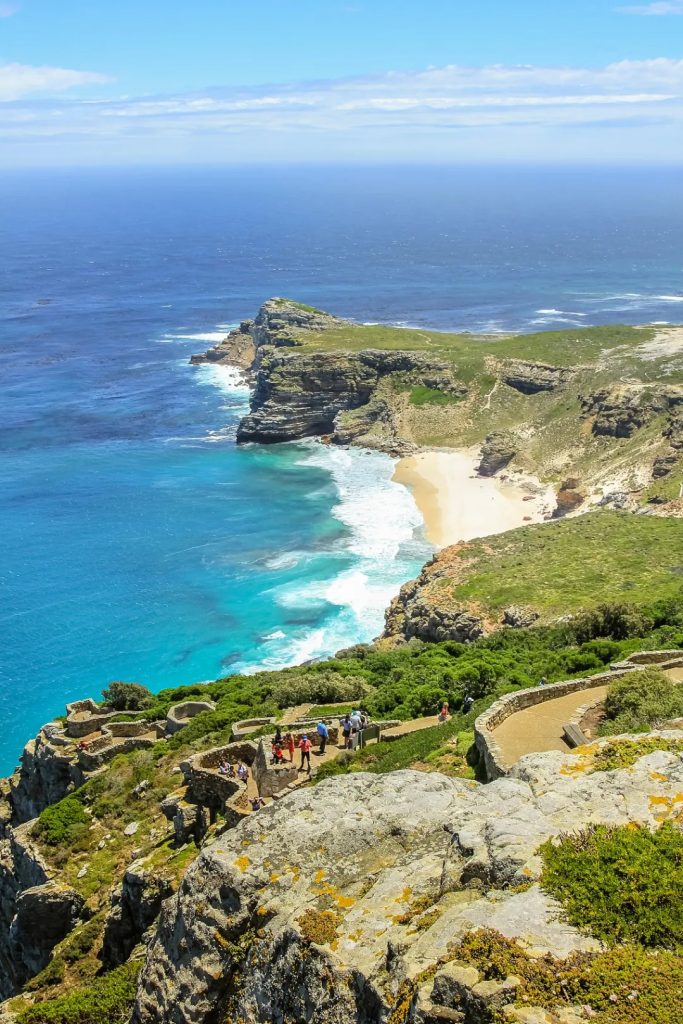
A Geographic Legend Where History Converges
Located near the southwestern tip of Africa, the Cape of Good Hope is one of the world’s most famous headlands. Many people mistakenly believe it marks the southernmost point of the continent. In reality, that title belongs to Cape Agulhas, about 150 kilometers to the southeast.
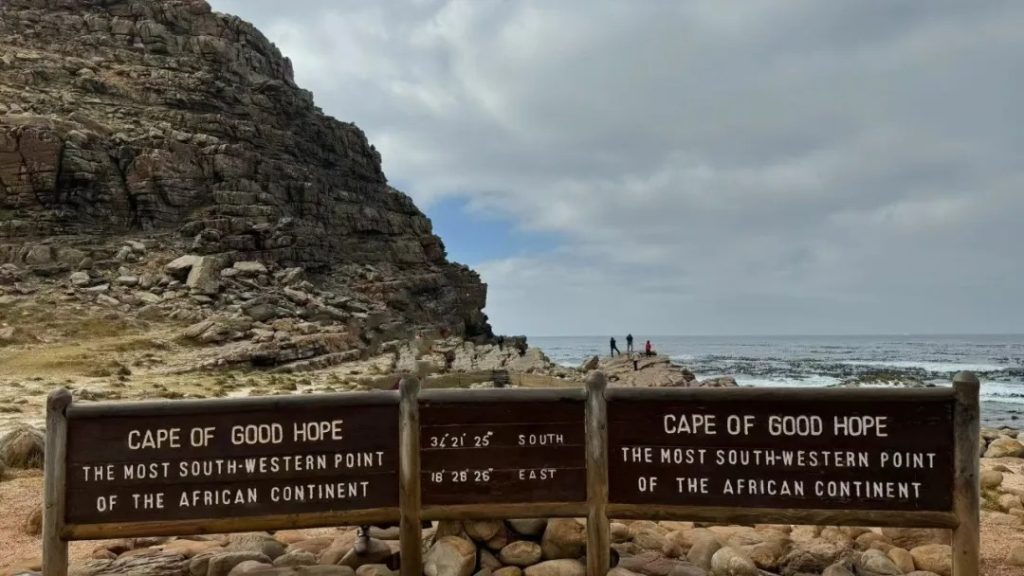
The story behind the cape’s name traces back to the Portuguese explorer Bartolomeu Dias. In 1487, he set sail from Lisbon under orders from King John II of Portugal, determined to find a sea route to India by sailing around Africa. 
During the voyage, Dias and his crew encountered fierce storms that pushed their ships off course. Believing they had reached the southern end of Africa, Dias named the headland the “Cape of Storms.” The name reflected the dangerous winds and violent seas that nearly ended their expedition.
When Dias returned to Portugal and reported his discovery, the king saw it differently. He believed the new route offered great promise for trade with the East. To reflect that optimism, he renamed it the Cape of Good Hope, symbolizing hope for prosperity and new maritime connections.
Standing on these cliffs today, you can almost feel the pulse of the Age of Discovery. Every crashing wave seems to echo the courage of sailors who once ventured into the unknown.
Spectacular Landscapes Shaped by Nature
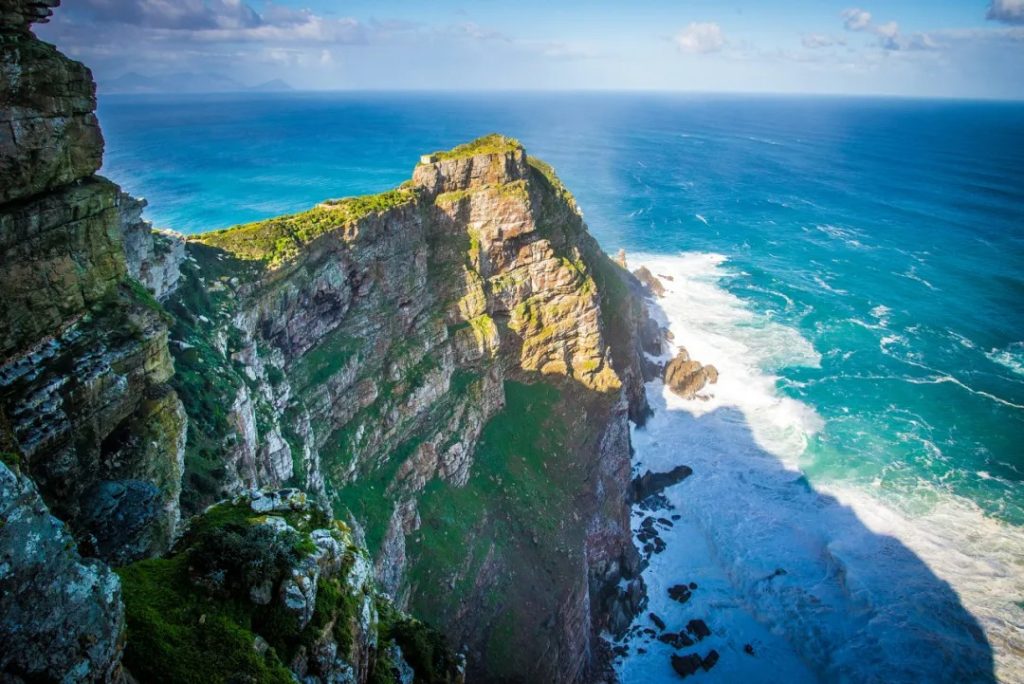
The Cape of Good Hope lies within the breathtaking Table Mountain National Park, a protected coastal area stretching along nearly 200 kilometers of shoreline.
Here, the ocean is rarely calm. Powerful currents from the Atlantic Ocean and strong coastal winds generate enormous waves that crash against the cliffs. The relentless force of the sea has sculpted dramatic rock formations over thousands of years, giving the coastline its rugged and majestic appearance.
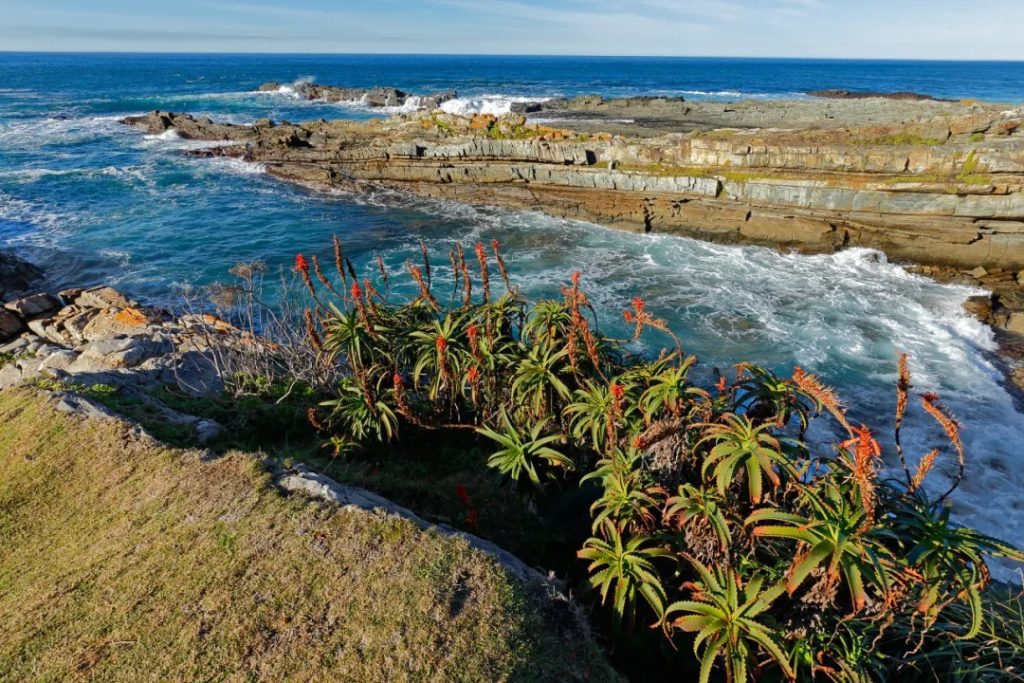
The reserve is also a biodiversity hotspot. Unique vegetation from the fynbos ecosystem grows here, including many rare plant species found nowhere else on Earth.
Wildlife thrives in this protected environment. Visitors might encounter baboons, ostriches, seals, and sea lions along the coast. For birdwatchers, the area is a paradise, with countless seabirds soaring above the cliffs and nesting along the shore.
A Scenic Landmark of Romance and Hope
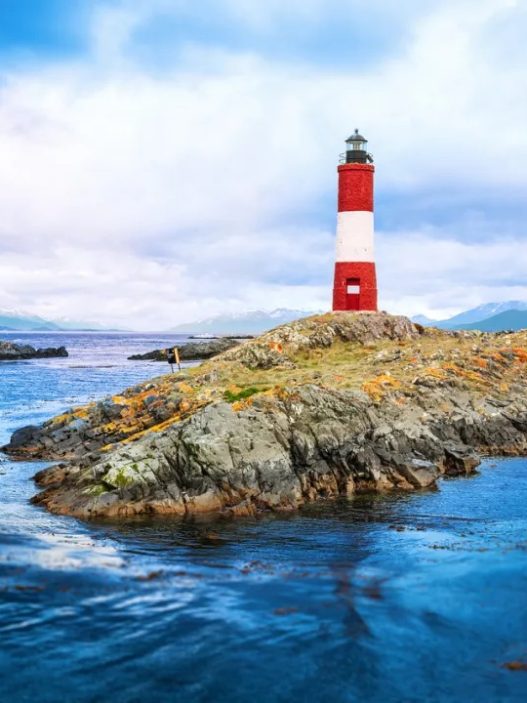
One of the most recognizable features of the cape is its historic lighthouse. Built in the early 19th century to help guide ships through these treacherous waters, the Cape Point Lighthouse remains an iconic viewpoint today.
Climbing up to the lighthouse rewards visitors with sweeping views of endless ocean and dramatic cliffs. From this vantage point, the sky feels wider, the sea seems deeper, and the horizon stretches infinitely into the distance.
Beyond its natural beauty, the Cape of Good Hope has become a symbol of romance and possibility. The name itself carries a powerful message—hope for the future. Many couples visit this remarkable headland to celebrate love, make promises, and capture unforgettable memories with the ocean as their witness.
A Destination That Lives Up to Its Legend
The Cape of Good Hope is far more than a geographic landmark. It is a place where history, nature, and human dreams intersect. From the daring voyages of early explorers to the breathtaking scenery that surrounds it today, the cape continues to inspire travelers from around the world.
If there is a destination that truly lives up to its legendary reputation, this is it. Pack your bags, follow the call of the sea, and set out on a journey to one of the most storied places on Earth.