





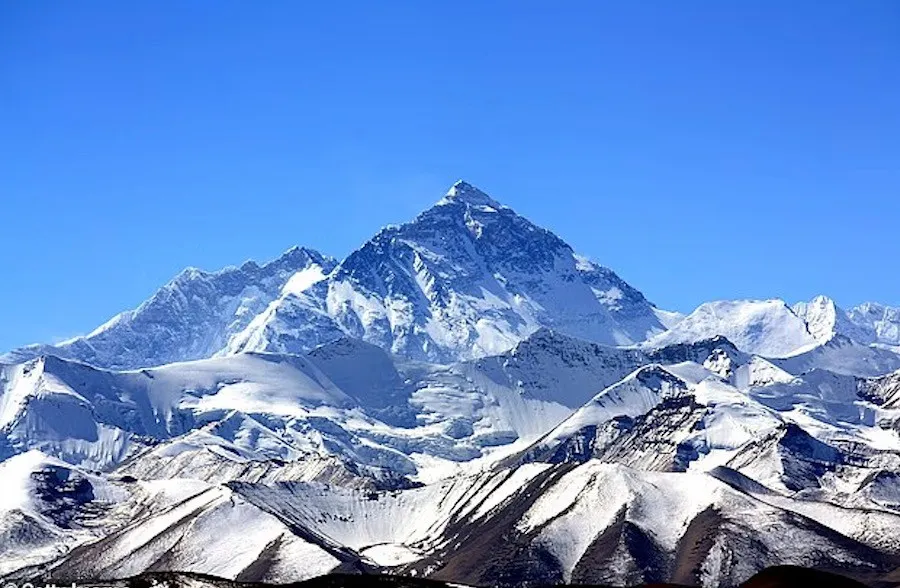
A Dangerous Climb on the World’s Highest Peak
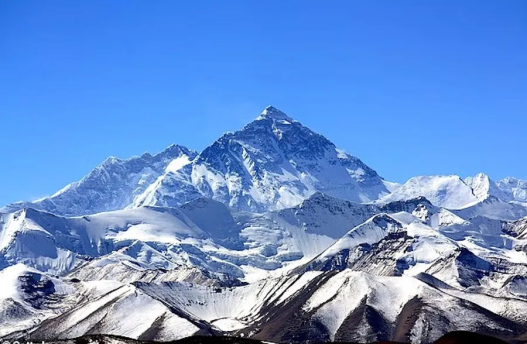
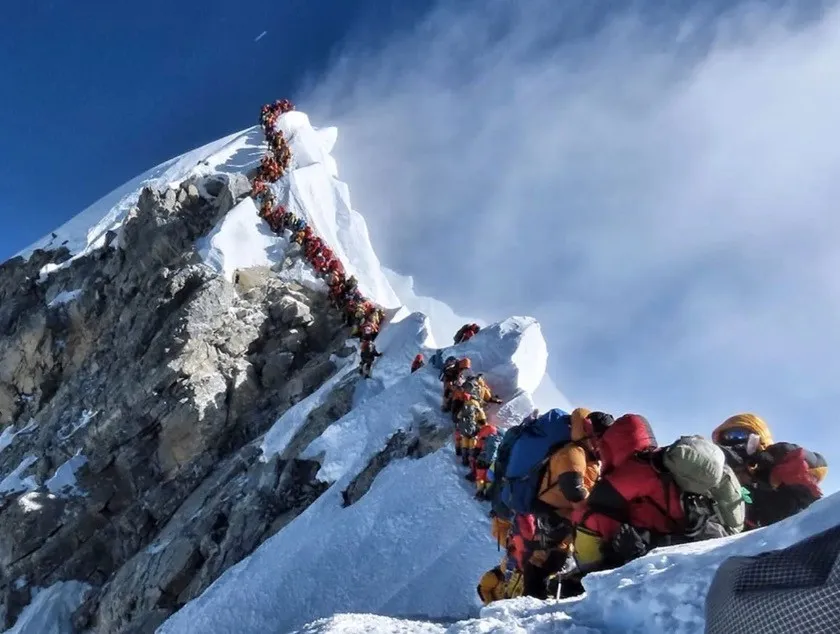
Everest scam reveals fake rescues where climbers are drugged to trigger costly evacuations and insurance fraud schemes.On the southern slope of Mount Everest in Nepal, a foreign climber pushed forward toward the summit with the help of a local Sherpa guide.
They had already reached the infamous death zone, an altitude above 8000 meters where oxygen levels are dangerously low. Despite the harsh conditions, the climber still felt strong. His energy remained high, and he showed no obvious signs of weakness.
A “Helpful” Gesture That Changed Everything
At that critical moment, the guide kindly offered him some food. It seemed like a thoughtful act during a brutal ascent. 
Soon after eating, the climber began to feel unwell. A severe headache hit him. His limbs felt weak, and his breathing grew difficult. These symptoms closely resembled altitude sickness.
He had no choice but to lie down, gasping for air.
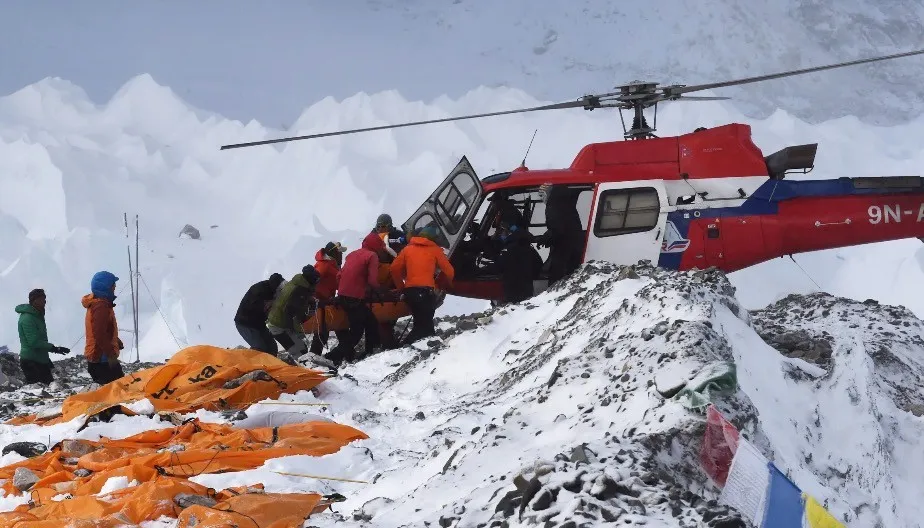
Seeing his condition worsen, the guide quickly took action. He used a satellite phone to call for emergency evacuation.
Within a short time, a rescue helicopter arrived and airlifted the climber away.
The Hidden Truth Behind the Rescue
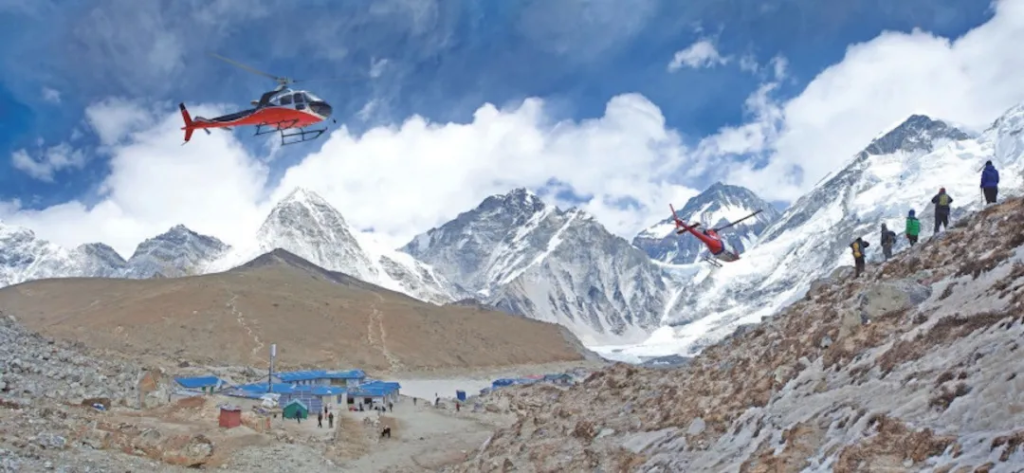
At first glance, it looked like a successful emergency operation.
However, each helicopter rescue can cost around 4000 dollars. In most cases, climbers rely on insurance to cover this expense.
What appeared to be a life-saving mission often concealed a darker reality. The climber may not have been sick at all. Instead, the symptoms could have been deliberately triggered.
Some guides allegedly added substances like sodium bicarbonate to food. This would not kill the climber, but it could cause discomfort and mimic altitude sickness.
The goal was simple. Create a medical emergency, call an expensive helicopter, send the tourist to a hospital, and later file a large insurance claim.
A Growing Pattern of Fraud
This scheme has become known as the fake rescue insurance scam on Everest’s southern route.
Between 2022 and 2025, authorities confirmed more than 300 such cases. The total amount of fraudulent claims reached 20 million dollars.
The process followed a clear pattern. A false emergency would be created. A helicopter would be called. The climber would be transported to a hospital. Then an exaggerated insurance claim would be submitted.
The Industry Around Everest
Over the years, climbing Everest has become increasingly accessible.
Modern technology has changed everything. Climbers now use satellite communication. Helicopters provide rapid evacuation. Base camps even have doctors ready for emergencies.
Local communities have also expanded their services. Many now run restaurants, cafes, and gear rental shops. The region has developed a complete industry around mountaineering.
The Rise of a Criminal Network
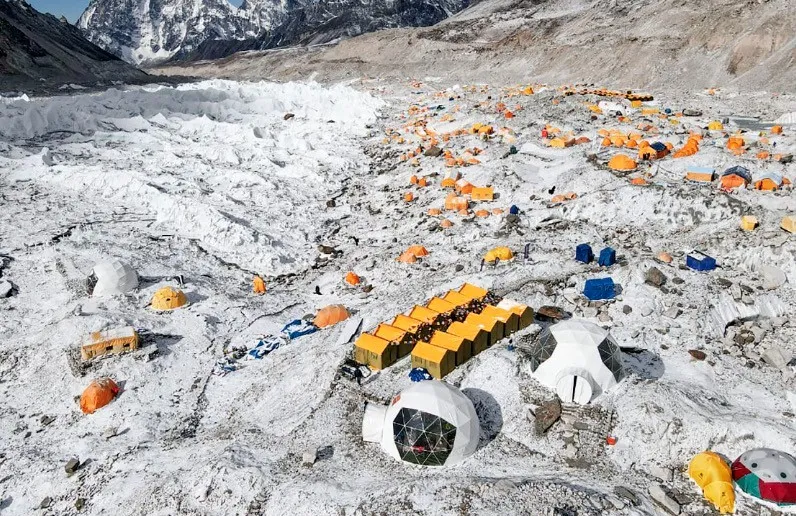
But where there is money, there is often exploitation.
More than a decade ago, early cases of fake rescues began to appear on Everest’s southern slope. These scams required coordination between multiple parties.
Helicopter companies, hospitals, trekking agencies, and insurance intermediaries sometimes worked together. Over time, this formed a complex network resembling organized crime.
In 2018, police uncovered initial evidence. Investigations involved 10 helicopter companies, 6 hospitals, and 36 trekking agencies.
However, penalties at the time were too weak. The lack of serious consequences allowed the problem to continue.
In recent years, the scam has resurfaced and grown even more widespread.
How the Scam Works in Detail
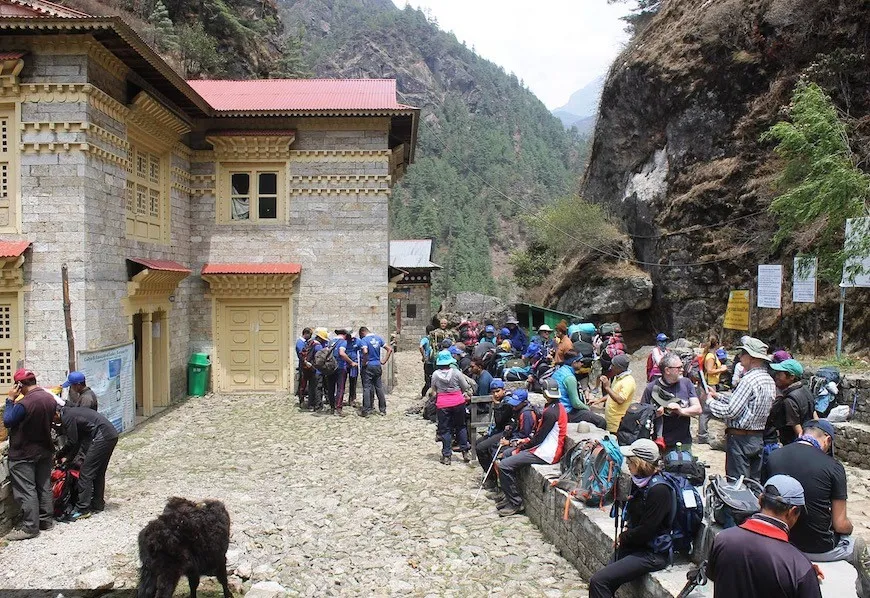
The method has barely changed over time.
At high altitude, guides may tell climbers they are too weak to continue. They insist the situation is dangerous and demand immediate evacuation.
In reality, many climbers could recover with rest. But guides may exaggerate the risk and push for a helicopter rescue.
When Persuasion Fails
If the climber refuses, the guide may take further steps.
Substances are sometimes added to food to induce symptoms. Soon, the climber begins to feel sick. Headaches, weakness, and breathing problems appear.
At this point, evacuation becomes unavoidable.
Inflated Costs and False Billing
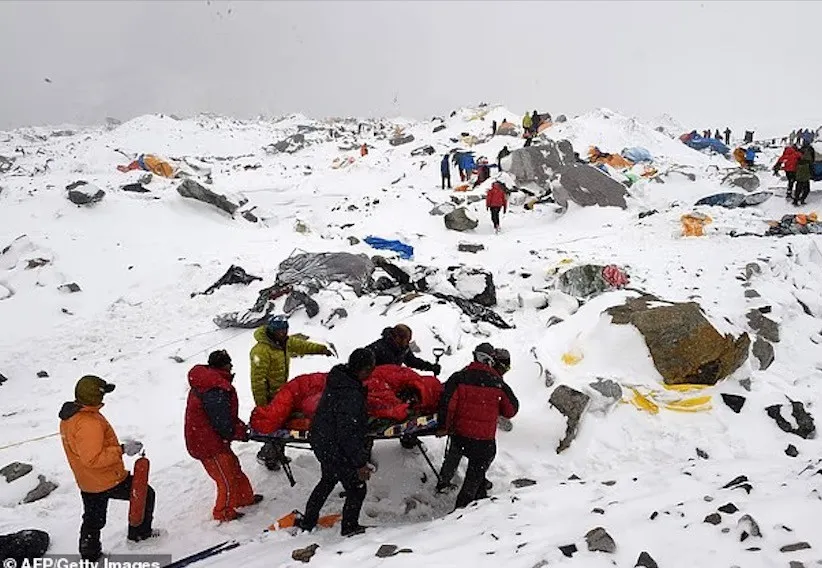
Even after the rescue, the manipulation continues.
Several climbers might share one helicopter flight. Later, invoices are altered to show that each person used a separate charter.
A single 4000 dollar flight can suddenly become tens of thousands in claimed expenses.
The Role of Hospitals and Insurance
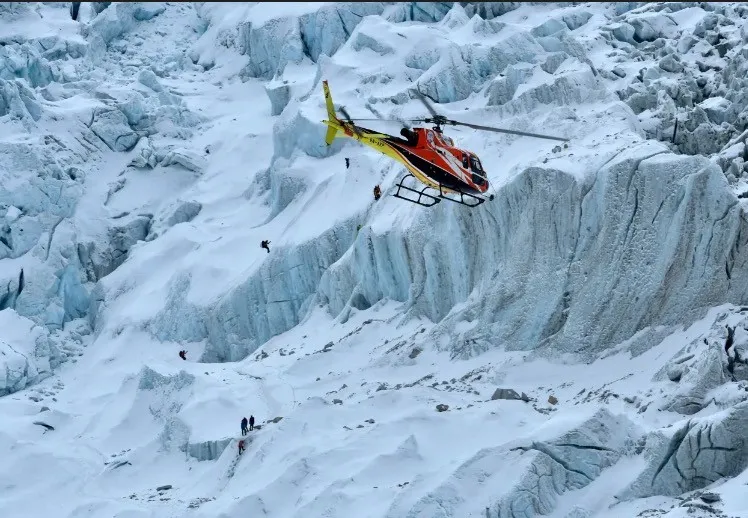
Once the climber reaches a hospital, the system keeps moving.
Hospitals involved in the scheme may issue false medical reports. These documents claim that the emergency was real and required immediate rescue.
Treatment costs are also inflated.
Finally, the report is sent to the insurance company. Payments are then made to service providers, including helicopter operators and hospitals.
The money is later divided among those involved.
In some cases, climbers who understand the scheme may even participate. They pretend to be ill and share in the payout.
A Crackdown Begins
Recently, authorities have taken stronger action.
Nepal’s Central Investigation Bureau launched a major probe. Nine suspects were arrested, and charges were filed against 32 individuals. The case involved multiple helicopter companies and hospitals.
The investigation report exceeded 1000 pages.
Officials admitted that weak enforcement in the past allowed the scam to grow. When crimes go unpunished, they tend to spread. Insurance fraud became increasingly common as a result.
They also emphasized the damage to Nepal’s reputation. As a country proud of its mountaineering heritage, such crimes are deeply embarrassing.
A Hope for Change
Authorities now promise stricter penalties and better oversight.
Many hope this effort will finally break the cycle. Everest should represent challenge, courage, and human endurance. It should not become a stage for deception.
If enforcement improves, the southern slope may once again offer a safer and more honest climbing experience.