




The fascinating hot dog history begins not in America, but in European sausage traditions. Today’s beloved street food evolved through centuries of culinary innovation, immigration, and urban culture. Understanding hot dog history means tracing how a simple sausage became a global icon.
Part One: First Came the Sausage
The German Foundation
The hot dog’s soul isn’t the bun – it’s the sausage. Today’s familiar hot dog links trace back to Frankfurter and Wiener sausages. While we may never know exactly who made the first one, one thing is clear: hot dogs exist because Europe had a mature sausage culture first.
In German cuisine, sausages were never accidental. They represented: 
- Meat preservation at its finest
- A stable daily food with perfected flavor
- Portable nutrition easy to store and heat
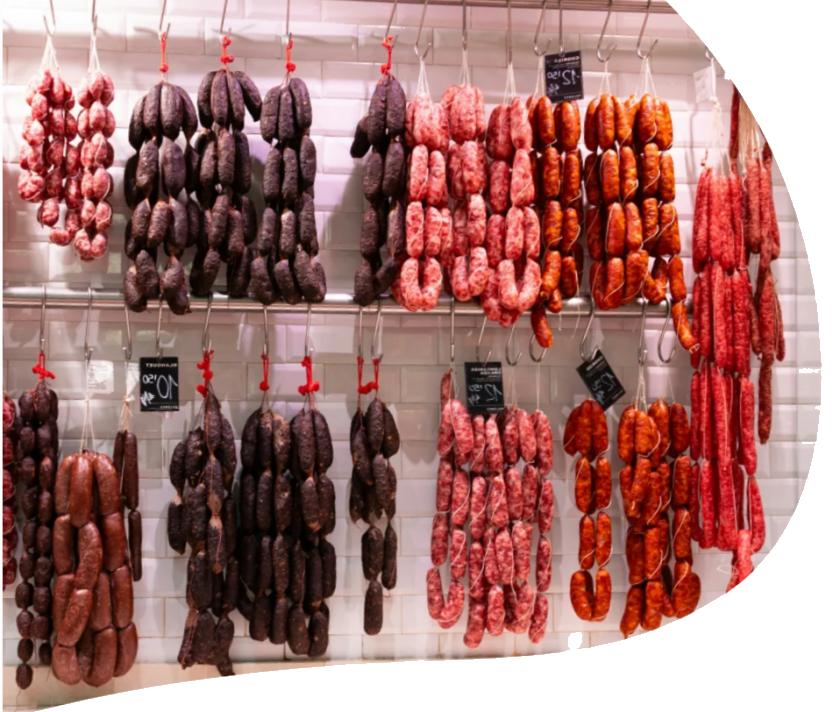
The “Dachshund” Connection
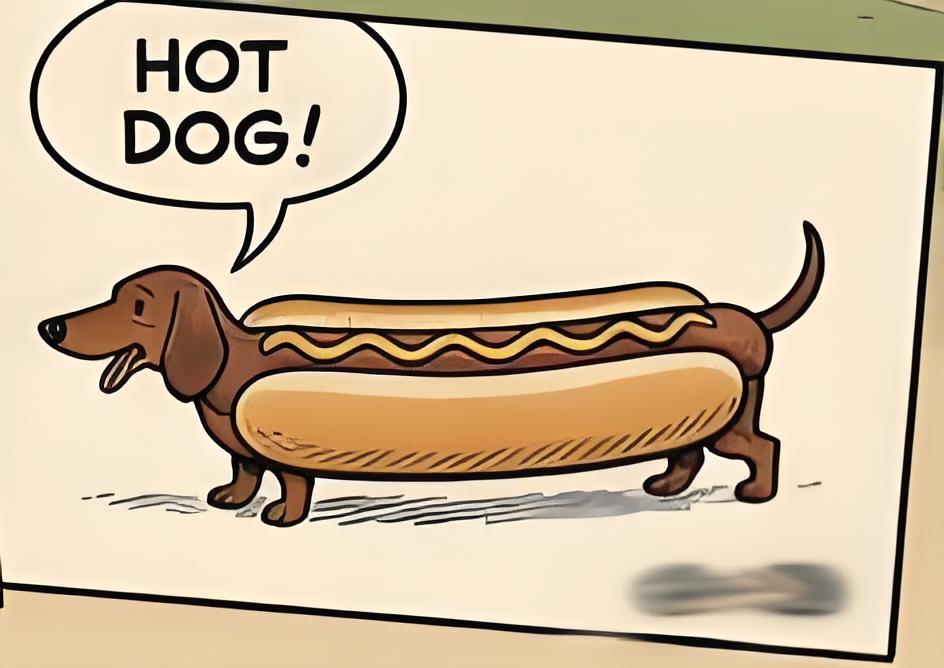
Germans sometimes jokingly called these thin sausages “dachshund sausages” – they resembled the long-bodied, short-legged dogs. This playful nickname would later plant a seed for the “hot dog” name.
Part Two: Then Came the Bun
America’s Urban Innovation
If sausage gave hot dogs their soul, the bun gave them their body. The transformation from “sausage” to “hot dog” happened not in Europe, but in late 19th-century American cities.
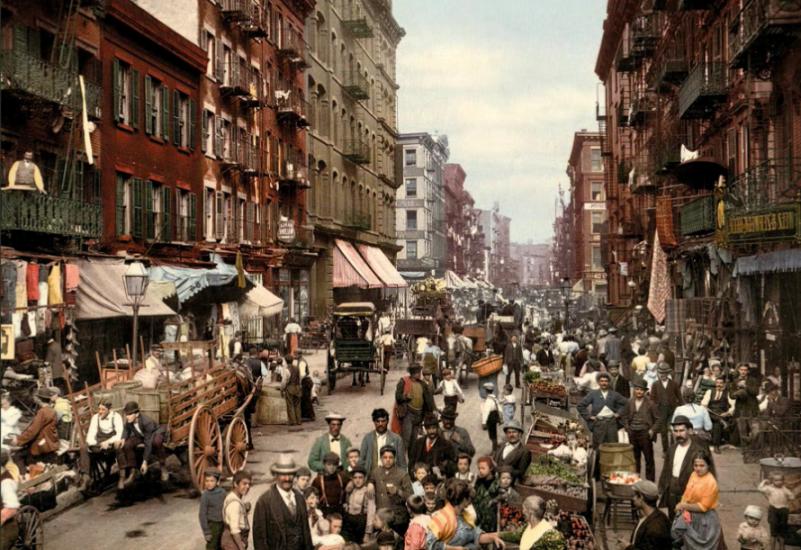
When German immigrants brought their sausage traditions to America, they entered a new world:
- Denser populations with faster rhythms
- More eating outside the home at ballparks, piers, and fairs
- Need for handheld, walkable food that could be served quickly
The Coney Island Legend
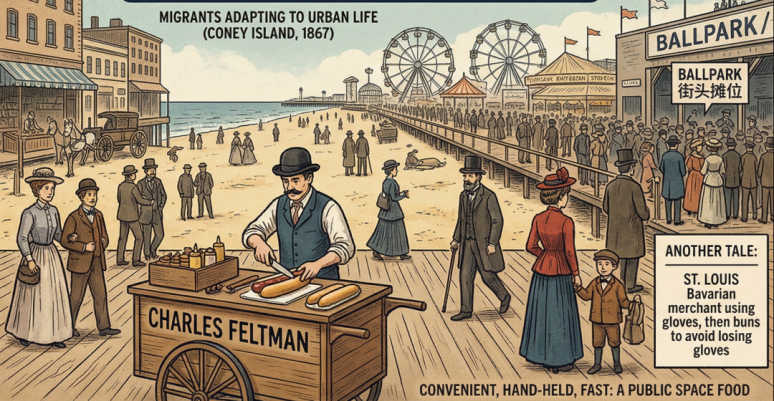
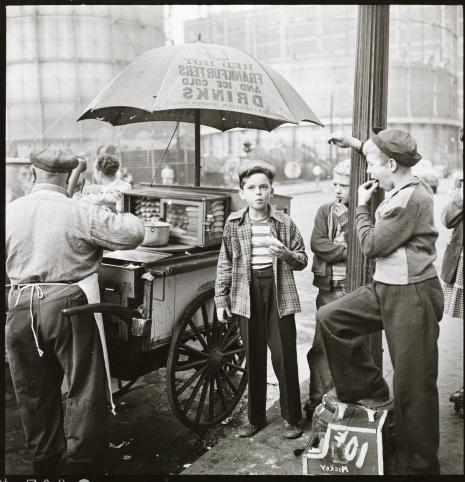
The most famous story belongs to Charles Feltman , a German immigrant. In 1867 on New York’s Coney Island, he sold hot sausages. To let customers walk the beach without burning their hands, he tucked sausages into long rolls.
This simple act was revolutionary: the sausage became a complete, portable, fast-food meal.
Another tale involves a Bavarian merchant who loaned gloves to customers handling hot sausages – but the gloves kept disappearing. He asked his baker relative to make long buns instead. Whether true or not, the story reveals something essential: the hot dog was born from real urban needs, not restaurant kitchens.
Part Three: Finally, the “Hot Dog” Name
A Cartoonist’s Legacy
By this point, the hot dog’s structure was complete: sausage, bun, street setting. The name “Hot Dog” spread after this structure became popular.
The most famous origin story involves cartoonist Tad Dorgan . On a cold day in 1901 outside a New York Giants game, vendors sold sausages from hot water tanks, shouting something like “Get your dachshund sausages here!”
Dorgan, unsure how to spell “Dachshund,” allegedly sketched a cartoon simply labeling them “Hot Dog!” The cartoon spread, and the name stuck.
Whether completely true or not, the story fits the hot dog perfectly: direct, playful, streetwise, and memorable.
Part Four: Why It Endures Today
The Beauty of Simplicity
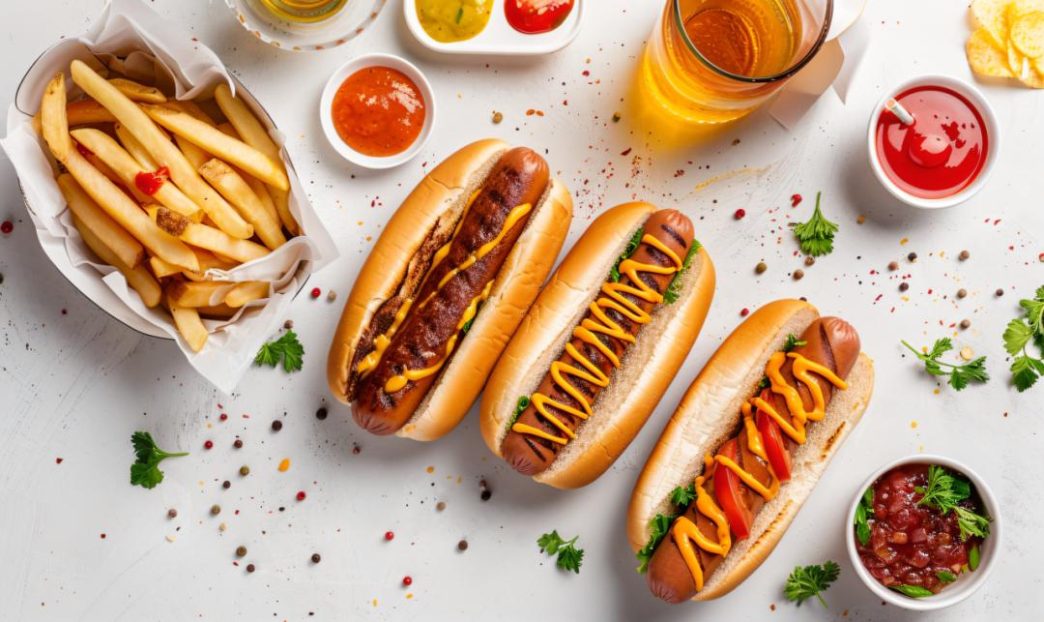
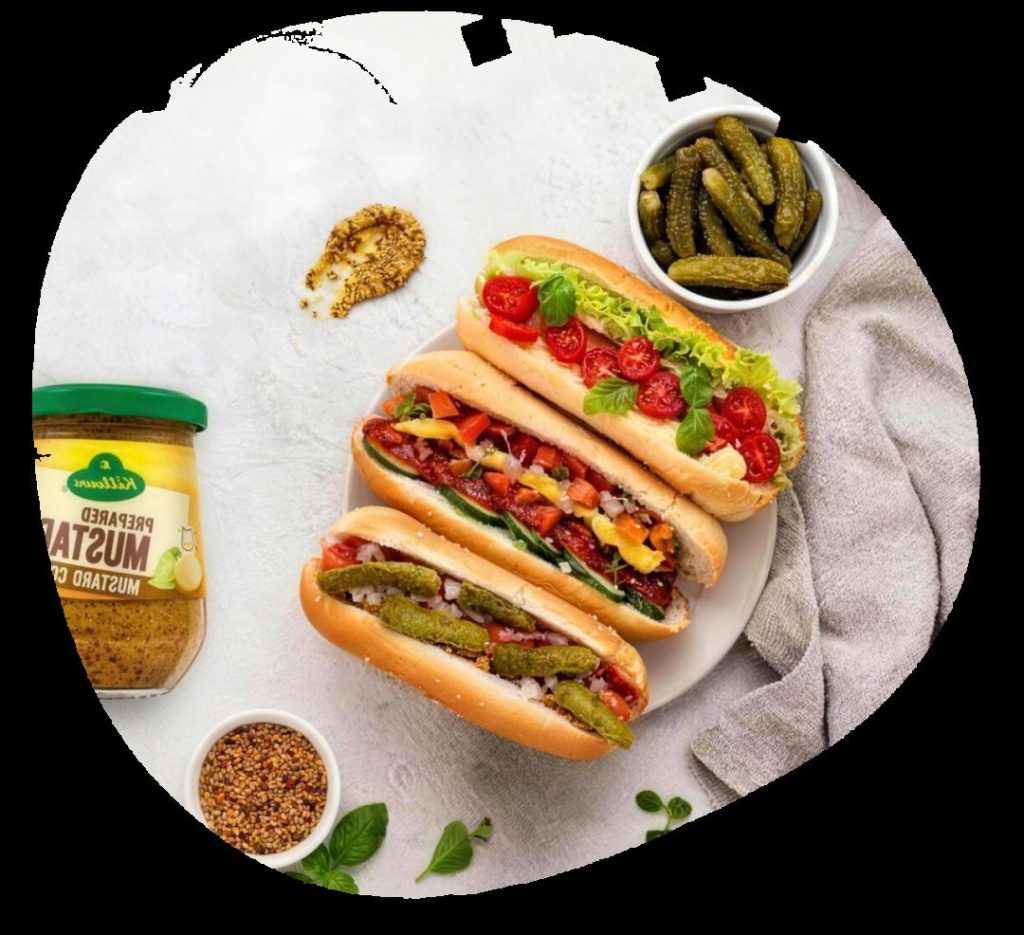
The hot dog endures not because it’s complex, but because it’s brilliantly simple:
- The bun: Provides structure and support
- The sausage: Delivers the main flavor
- Condiments: Define the direction
- Toppings: Create balance
The Chicago Rule
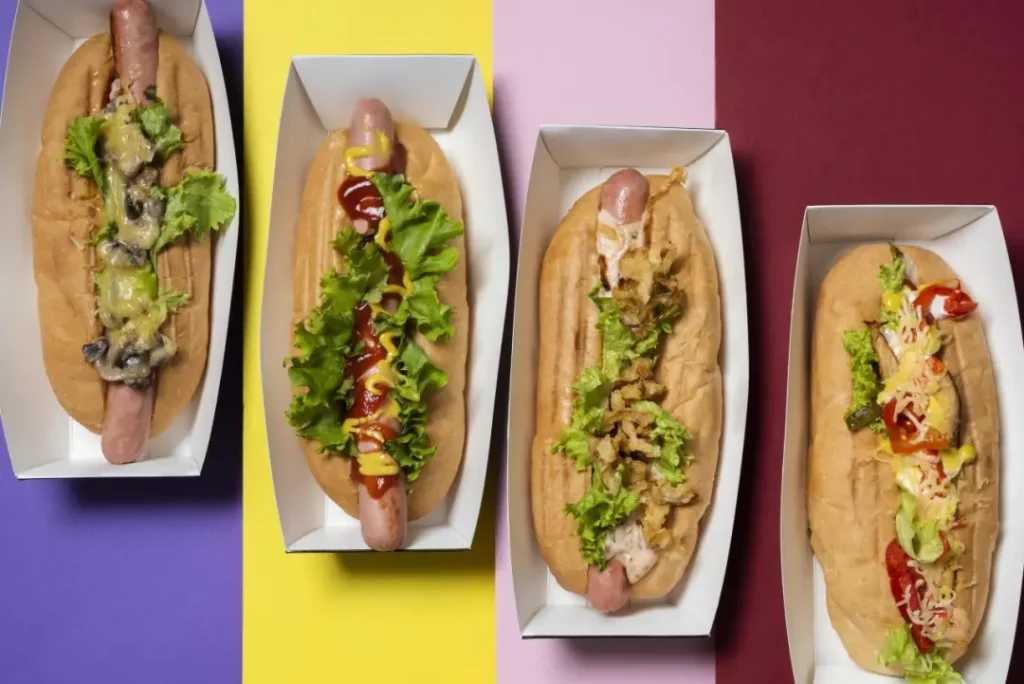
This structure is so stable that it can be endlessly replicated and adapted. But simplicity doesn’t mean chaos. In Chicago, there’s a famous rule: no ketchup. Locals believe ketchup masks the sausage’s natural flavor and disrupts the hot dog’s intended balance.
This nearly “sacred” rule proves the hot dog has its own clear flavor logic – it’s not random assembly.
From Immigrant Food to American Icon
From German sausage tradition to American street culture, the hot dog’s history shows how food evolves:
- Born from necessity in European kitchens
- Transformed by immigrant ingenuity in American cities
- Named through street-level storytelling
- Perfected through cultural rules like Chicago’s no-ketchup stance
This simple yet brilliant structure has traveled worldwide, adapting to local tastes while keeping its essential character. In our next installment, we’ll explore how different countries and cities have made the hot dog their own.