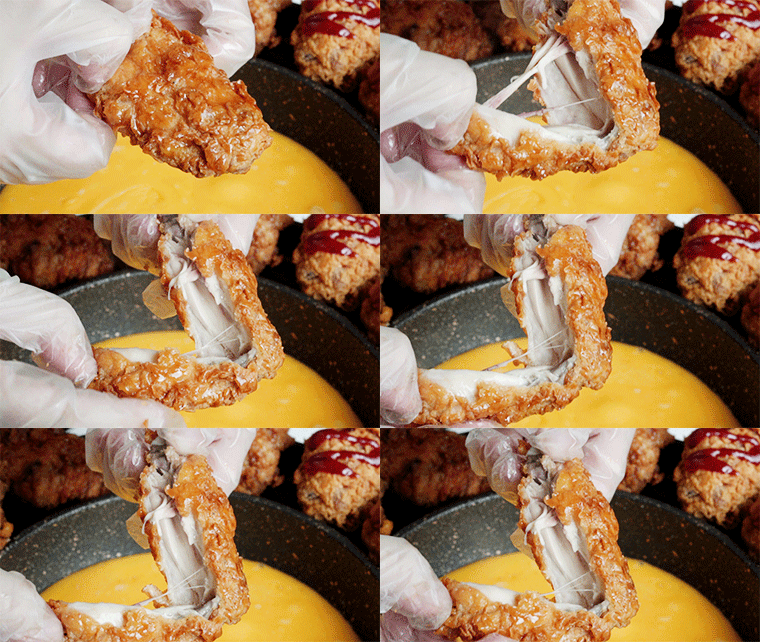








The truth about British Street Food isn’t found in glossy travel brochures. A nation’s pride usually lives in its palaces, cathedrals, museums—or at least in upscale restaurants with elegant lighting and tiny portions on large plates. But not Britain.
Britain has a peculiar honesty about food. It doesn’t excel at turning meals into poetry. But it knows how to serve them directly into the cold wind. What truly reveals this country’s appetite and character isn’t plated “new British cuisine.” It’s the steaming stalls on street corners. It’s the chips rattling in cardboard boxes outside train stations. It’s the fragrant sausages near football grounds. It’s the crowds standing in the dark, eating pies and drinking beer.
British Street Food isn’t responsible for elegance. It’s responsible for comfort. When the sky darkens, the wind blows, and the rain falls, people instinctively understand: calories matter more than aesthetics. If you insist on light, restrained, low-fat, delicate options at that moment, you probably haven’t yet experienced the educational power of British weather. 
A country’s food preferences are often trained by its climate. Sun-drenched places naturally produce colorful, floral, Mediterranean-style delicacies. But in Britain—with its low clouds, strong winds, long winters, and unreliable summers—food doesn’t beat around the bush. It goes straight to the point: heat, salt, fat, sugar. The courage to survive in such a climate.
So if you truly want to understand Britain, stop staring at afternoon tea towers. Scones are respectable. The rough, honest British flavors often hit you first from a street stall.
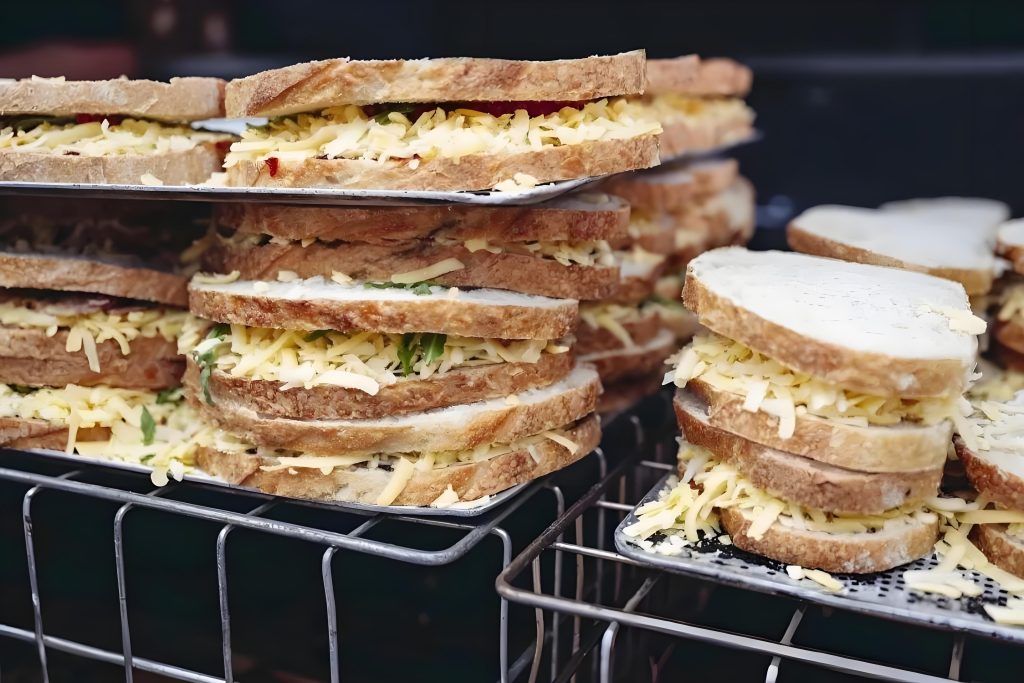
Sausages: The First Punch of Aroma
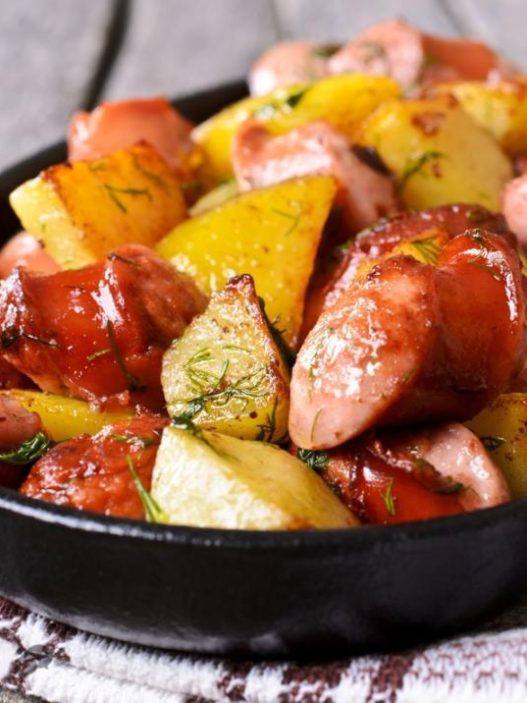
The first thing that hits you is usually the smell of sausages. It’s not a refined aroma. Not floral. Not fruity. Not some civilized game of “top notes, middle notes, base notes.” It’s simply the scent of fat—direct, intense, unapologetic.
Sausages sizzle on the hot plate, as if all the emotions Brits usually suppress have finally found a legal place to boil over. You stand at the stall. The wind whips past your ears. But your nose is caught by that aroma, pulling you back to reality. Ideals, taste, health consciousness—wait a moment. Have a sausage first.
British sausages are like the country itself. The exterior may not be stunning, even a bit too plain. But bite into one, and inside there’s a genuine warmth. They don’t aim for delicacy. They just stuff meat, fat, salt, and satisfaction into the casing, let bread hold it, and give it to you to eat while walking in the cold.
That eating style is very British. No grand ceremony. No table manners. You don’t even need to sit. Life is already complicated enough. Some joys are best enjoyed standing up.
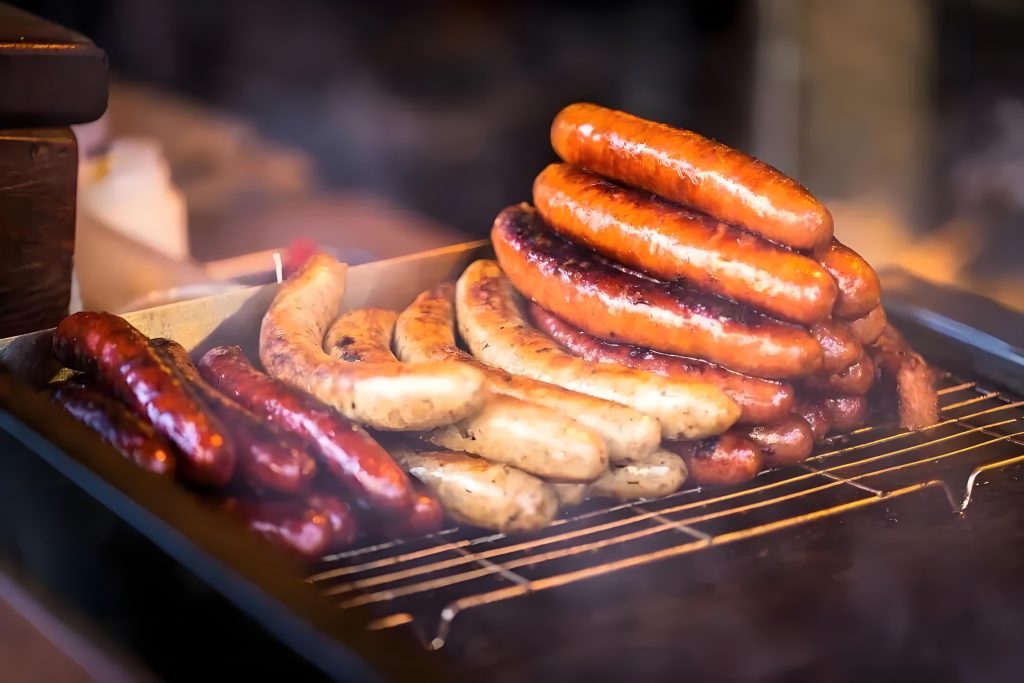
Meat Pies: The Salty Comfort
After the fat comes the salt of meat pies. Outsiders rarely understand the British affection for pies. At first glance, pies aren’t magical—even clumsy. A pastry crust wrapped around savory, gravy-soaked filling. It looks less like food and more like construction. Yet Brits love them, unapologetically and undeniably.
In this country, a pie isn’t just food. It’s edible security. You pick up a hot pie from a stall. First you feel the heat. Then you taste the salt. Not subtle salt—the kind with opinions, even stubbornness. It doesn’t follow French cuisine’s delicate layers or Asian cooking’s sweet aftertastes. It’s linear. It tells you directly: yes, I’m here to fill you up, keep you warm, and help you endure this gloomy weather.
Inside that salty pie lies a British philosophy: the world doesn’t have to be stunning, but it should be reliable. Life doesn’t need to be legendary, but it’s best served hot. Brits don’t expect a meal to deliver spiritual ecstasy. They trust a pie to feed them and warm them. That expectation isn’t romantic. But it’s mature.
In youth, we think life should be thrilling at every turn. As we age, we realize what’s truly precious: something that can steadily comfort your stomach and soul on a dark evening.

Deep-Fried Mars Bar: Absurd Sweetness
If sausages and pies fall within reasonable expectations, the most puzzling—and memorable—British Street Food is surely the deep-fried Mars Bar. First-timers usually hesitate, briefly questioning the boundaries of human civilization. Mars Bars are already sweet enough. Yet Brits aren’t satisfied. They batter it, drop it in hot oil, and push that sweetness toward even higher, stickier, more intense territory.
You can’t decide whether this is cooking or collective emotional management. It’s as if the country decided: since sunshine can’t be guaranteed, let blood sugar take responsibility.
A fried chocolate bar leaves almost no room for negotiation. Sweetness comes straight at you. Richness arrives immediately. It’s not dessert. It’s a flavor assault. Yet strangely, you don’t entirely hate it. Because it’s so frankly absurd. So openly excessive. Like British deadpan humor materialized as food: I know this isn’t healthy. I know it’s not refined. But the weather is what it is. Life is what it is. Today, let’s just be ridiculously sweet.
Sometimes, we don’t need education. We need indulgence. The deep-fried Mars Bar is that indulgence, deep-fried and glistening.
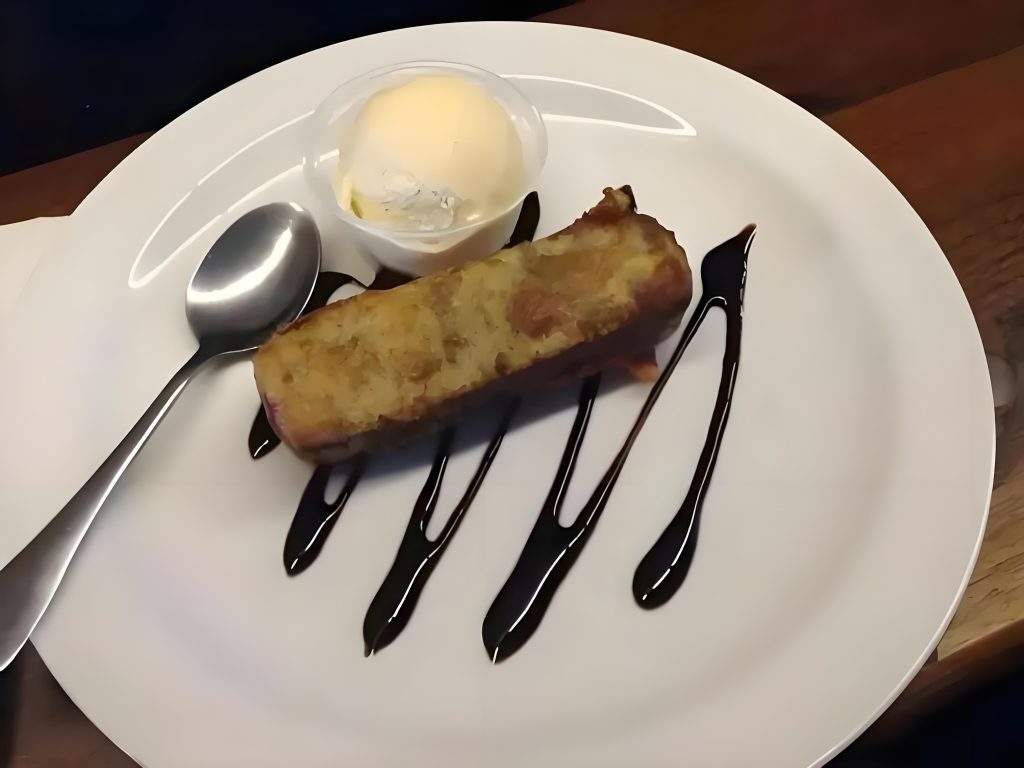
Chips: The Unspoken Companion
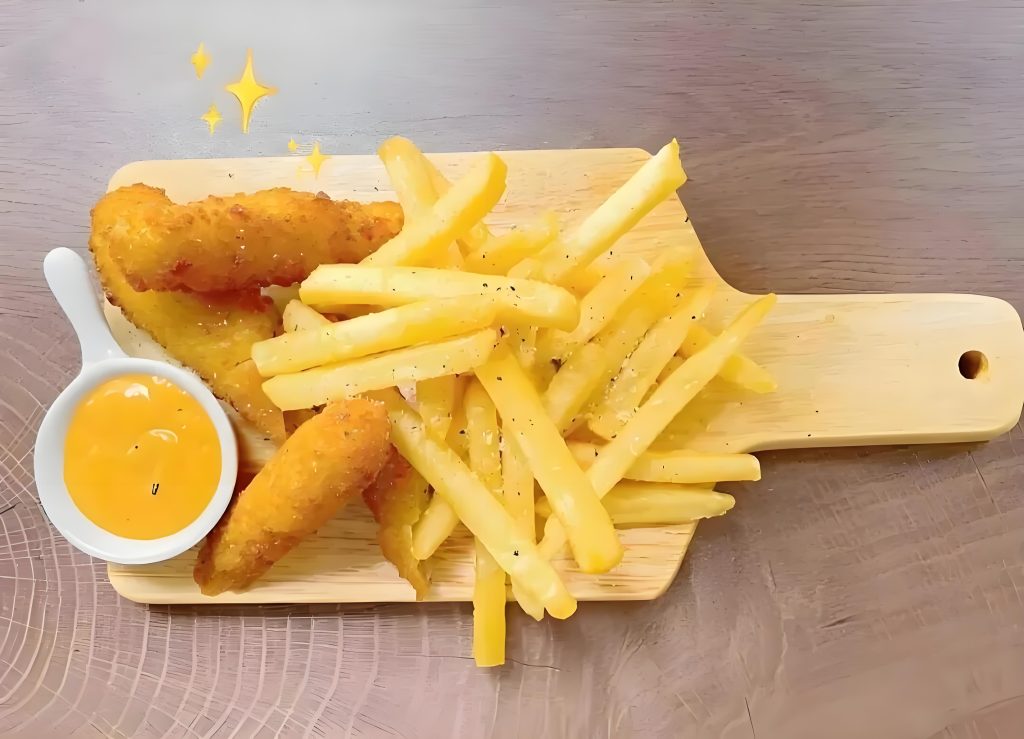
Throughout British Street Food, chips are everywhere. Not supporting actors. Almost a social language. Beside fish, beside burgers, in cardboard boxes, with plastic forks, in the hands of young people walking under streetlights late at night.
Their value isn’t complexity. It’s loyalty. They’re there when the weather’s good. They’re even more present when it’s bad. You can eat them in love or after heartbreak. They sustain you through delayed trains and lift your spirits after lost matches.
The most moving moment of British chips is that first salty crunch right out of the fryer. Your teeth meet crispness, then heat, then the soft potato interior slowly catching up. A sprinkle of salt. Sometimes vinegar. The flavor stands up immediately. That salty crunch isn’t refined taste. But it has a very direct human persuasion. It teaches you that comfort doesn’t always need words.
Many Brits may not be good at expressing care. But they’re very good at handing you a box of hot chips. As if to say: I don’t know how to comfort you, but at least this is hot.
Beer: The Bitter Finish
After the fat, the salt, the sweetness have each had their say, what often stays to settle things is the bitter note of beer. British Street Food without beer feels like a jacket missing its last button. After football matches, by riverside evening breezes, when office workers finally escape on Wednesday or Friday nights—if there’s no beer in hand, something feels missing.
Beer isn’t immediately welcoming, especially the bitters that Brits love. They’re like adulthood itself: the first sip isn’t stunning, even a little sharp. But a few more sips, and you begin to understand. Beer helps people relax. It gives words that couldn’t be said during daylight an exit, through mild intoxication.
Bitterness is often unwelcome in youth. Young people prefer sweet, spicy, fresh, exciting—as if life must react immediately to be worthwhile. Later, we learn that bitterness is also a deep flavor. It doesn’t shout or compete. But it gently settles the previous fat, salt, and sweetness. It closes the street food meal and gives the day’s fatigue a place to rest.
Brits don’t just love drinking beer. More often, they love this quiet reconciliation: no matter how rigid the day, evening lets you stand in the wind with a bitter brew, temporarily forgiving the world.

The Honest Taste of Britain
Ultimately, what’s truly captivating about British Street Food isn’t how delicious it is. In terms of stunning flavors, it may not impress. In terms of refinement, it’s far from delicate. It’s often coarse, heavy, and indifferent to nutritionists. Yet it’s remarkably honest. It doesn’t pretend to be cultural heritage. It simply tells you how people live in this climate, how they unwind after work, what they reach for in exhaustion—a bit of heat, salt, sweetness, bitterness.
The sausage’s fat is the country’s rare outward warmth. The pie’s salt is the stubborn reliability of ordinary days. The fried Mars Bar’s sweetness is indulgence in a life. The chip’s salty crunch is comfort that needs. The beer’s bitterness is the unspoken understanding among adults: some flavors don’t need to be loved, but we learn to swallow them.
So if you ever want to know what Britain really tastes like, don’t rush into restaurants wrapped in reservation systems and star ratings. Stand on the street. In the wind. Hold a box of hot food. Let a little rain touch your collar. Let the mix of grease and malt fill your nose. Watch streetlights turn the night a bit yellow. Watch strangers exhale steam and bite into warm life.
You’ll suddenly understand: a country’s most honest flavors aren’t found on silverware. They’re in cardboard boxes. Not in menu, but in the smoke and fire of the street.
British flavor is mixed and ordinary. And that ordinariness might be the most genuine thing about it.