




A Quiet Announcement That Shook the World
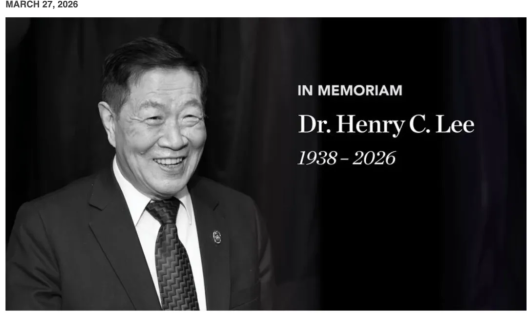
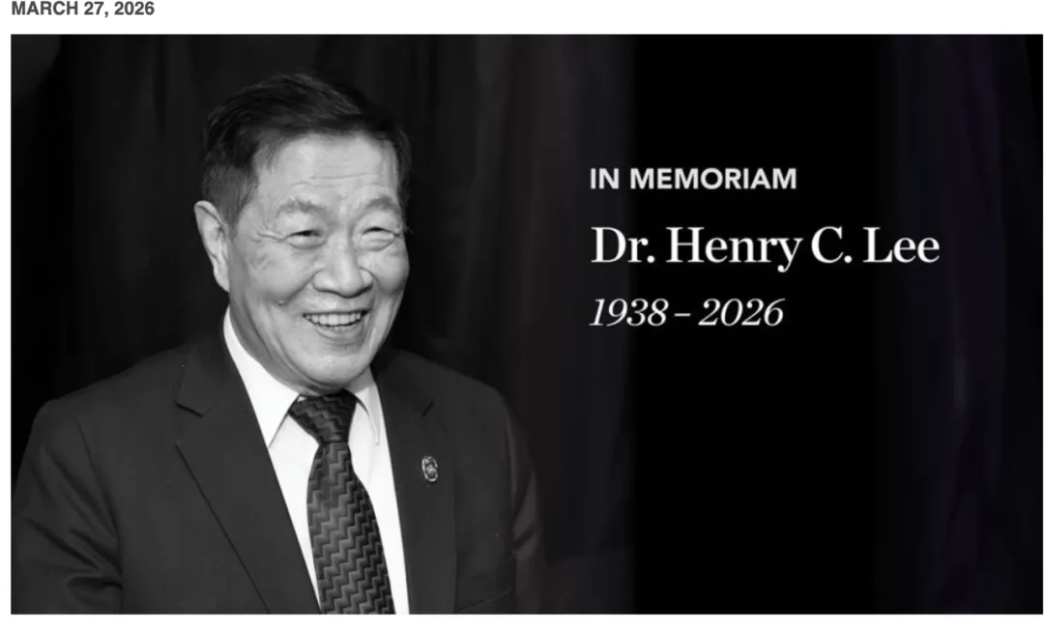
On March 27, 2026, the University of New Haven released a brief statement.
Dr. Henry Lee, the renowned Chinese American forensic scientist, had passed away at his home in Nevada at the age of 87.
The university president praised his extraordinary contributions to forensic science and his influence on generations of students and law enforcement professionals. 
The words were accurate, but for those who truly knew his story, they barely scratched the surface.
He was a key witness in the O. J. Simpson case. He re examined evidence from the assassination of John F. Kennedy. He worked among the ruins of the September 11 attacks.
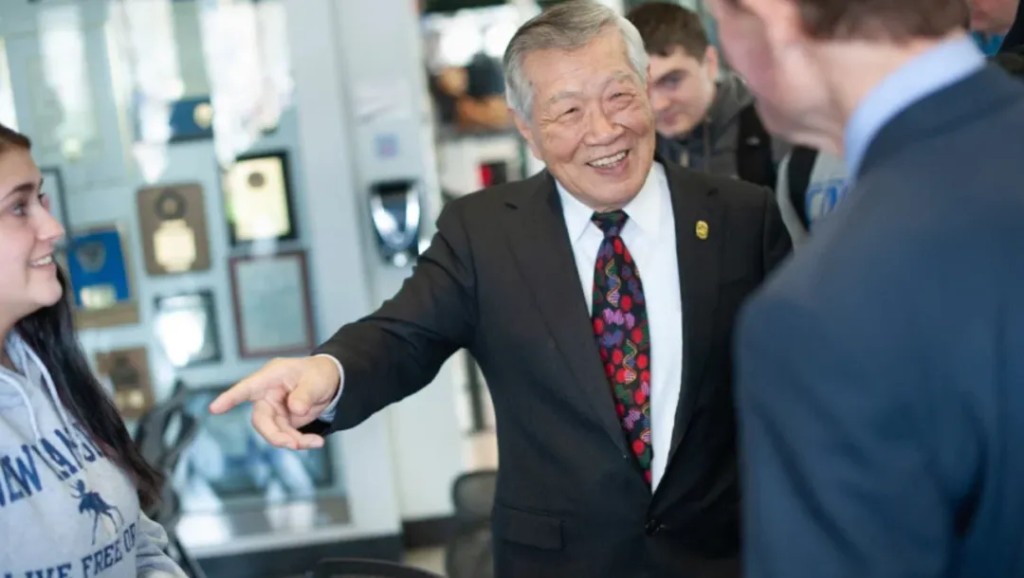
Over his lifetime, he was involved in more than 8000 cases across all 50 US states and dozens of countries.
But to understand Henry Lee, one must begin with a tragedy.
The Sinking That Changed Everything
Henry Lee was born on November 22, 1938, in Rugao, Jiangsu, into a wealthy salt merchant family.
His childhood was comfortable despite the chaos of war.
That changed in 1949.
Just days before the Lunar New Year, his father boarded the Taiping ship in Shanghai, heading to Taiwan.
The ship was overcrowded. To meet curfew, it sailed at night without lights.
Near Zhoushan, it collided with a coal freighter.
The explosion that followed sank the ship.
Out of nearly a thousand passengers, fewer than fifty survived.
His father was not among them.
At eleven years old, Henry Lee’s life was split in two.
A Mother’s Strength
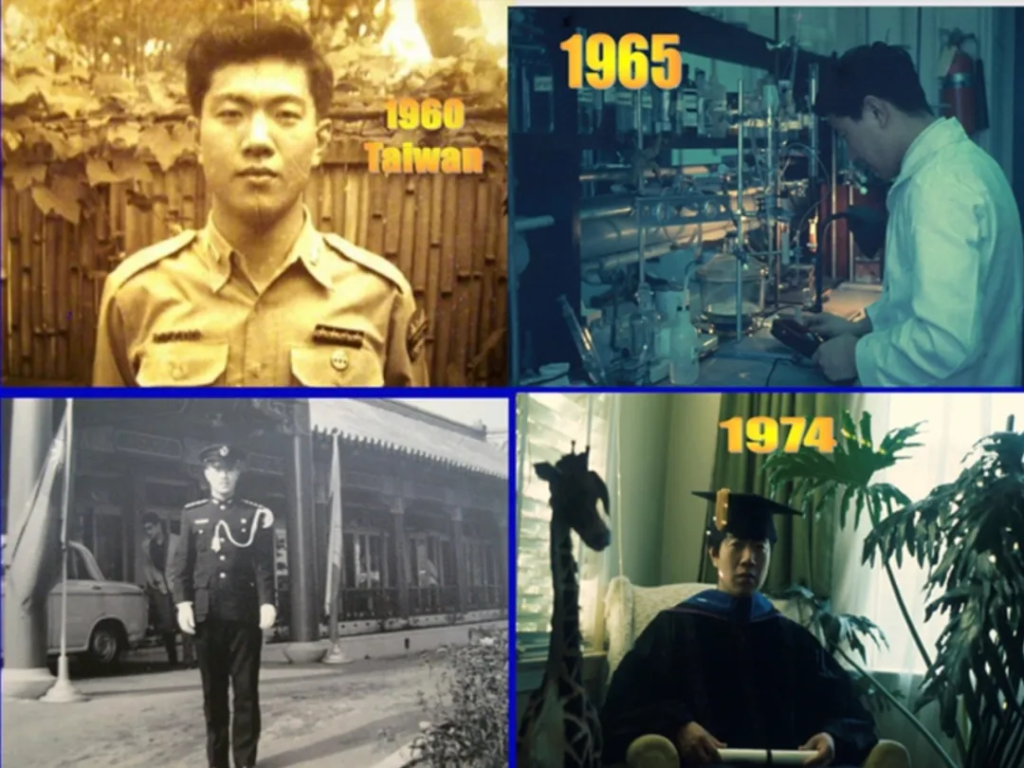
After the tragedy, his mother was left to raise thirteen children alone.
She sold jewelry, artwork, and property to repay debts.
Eventually, nothing remained.
The family moved into a rented house. Life became harsh.
Yet she insisted on one thing. Every child would receive an education.
Her advice was simple and constant.
Treat others well. Focus on your work. Speak less and do more.
Her determination shaped Henry Lee’s character.
From Curiosity to Calling
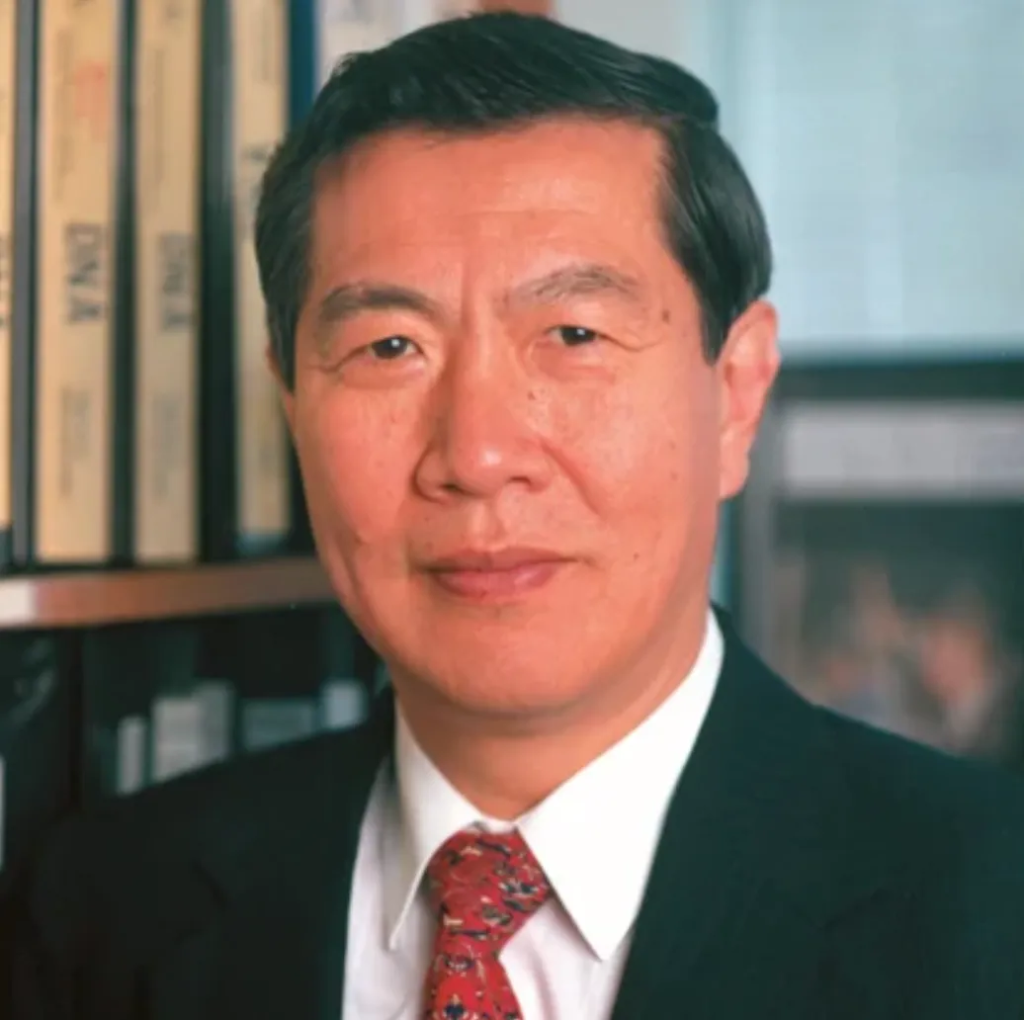
As a child, Lee was endlessly curious.
He examined insects, explored drains, and constantly asked questions.
After graduating from the Central Police College in Taiwan, he became a police officer.
For many, that would have been enough.
But his mother urged him to continue studying.
That decision changed his life.
Fifty Dollars and a Dream
In 1964, Lee made a bold choice.
He left his stable job and moved to the United States with his wife, carrying just fifty dollars.
Life in New York was extremely difficult.
He worked during the day and studied at night. His wife did the same.
This routine lasted for nearly a decade.
He earned degrees from John Jay College, New York University, and eventually completed his doctorate.
Soon after, he joined the University of New Haven as a professor.
Within a few years, he rose rapidly through the academic ranks.
The Case That Made Him Famous
In the late 1970s, Lee became chief of the Connecticut State Forensic Laboratory.
But his breakthrough came in 1986.
A woman named Helle Crafts disappeared in Connecticut. Her husband was suspected, but there was no body.
Investigators believed he had used a wood chipper to destroy the remains.
Lee took on the case.
His team conducted a meticulous search. They recovered tiny fragments including hair, bone, and teeth.
The evidence was incredibly small, yet it told a powerful story.
Through forensic analysis, Lee proved the fragments belonged to the victim.
The husband was convicted.
It became the first murder conviction in Connecticut without a complete body.
The case shocked the nation and earned Lee widespread recognition.
A Career Defined by Landmark Cases
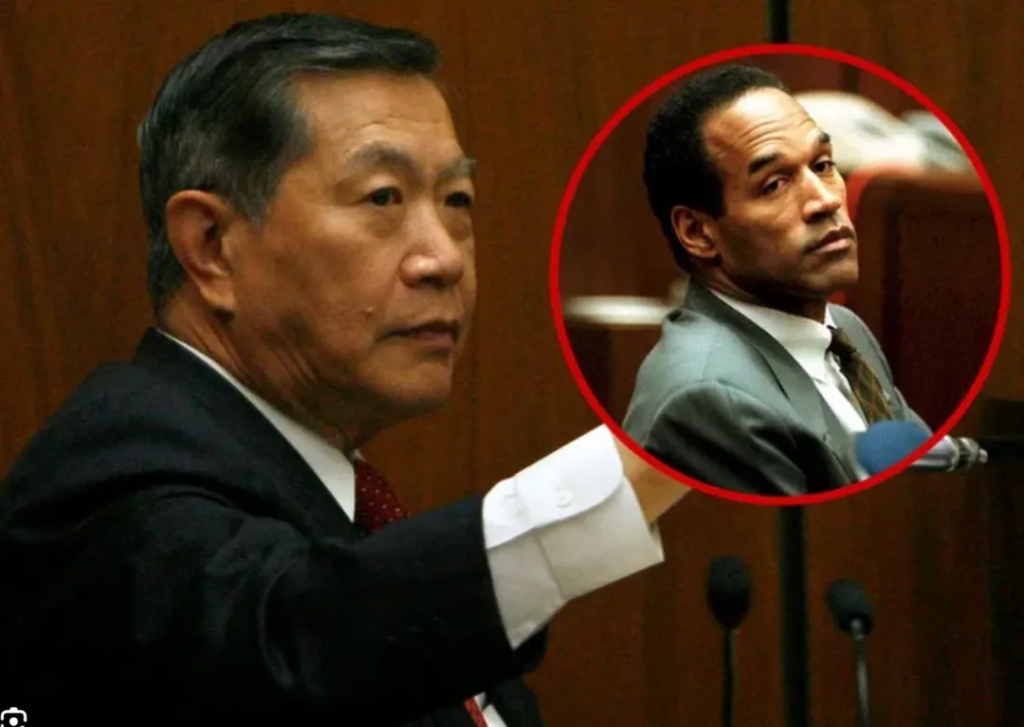
After that case, Lee became a central figure in major investigations.
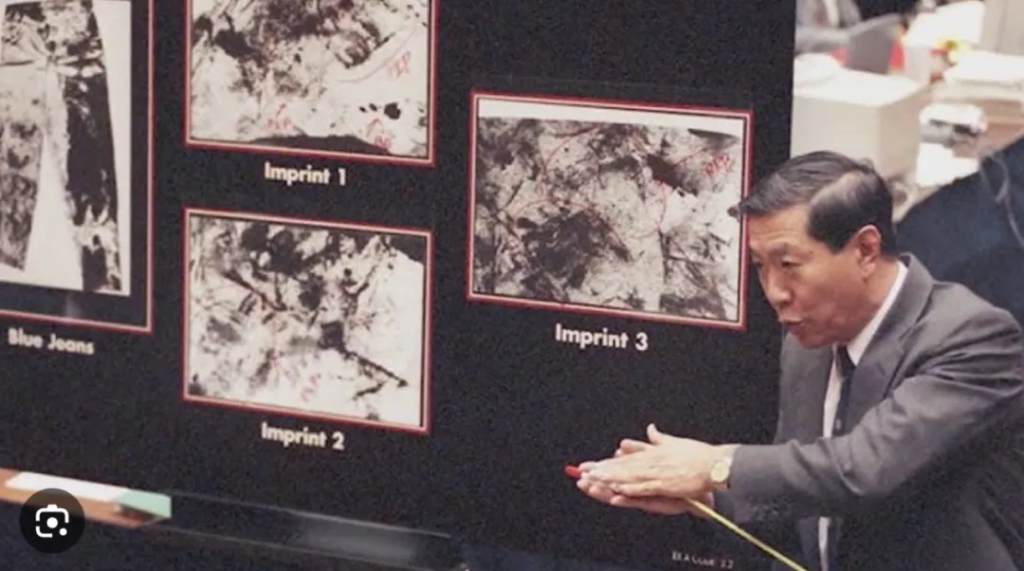
He worked on the O. J. Simpson trial, questioning the integrity of blood evidence.
He contributed to the re investigation of President Kennedy’s assassination.
He also assisted in identifying victims of war crimes in the former Yugoslavia.
His expertise was sought worldwide.
Over decades, he testified in court more than a thousand times and advised hundreds of law enforcement agencies.
In 1998, he became the first Asian American to serve as a state police commissioner in Connecticut.
The Philosophy Behind the Science
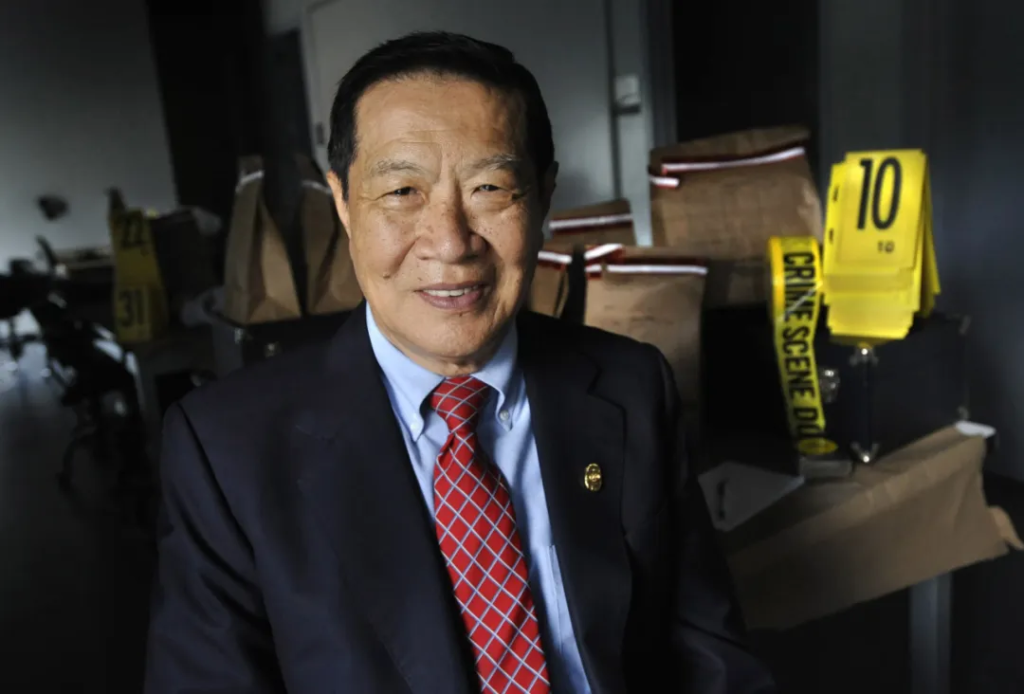
Lee often described investigations using his “table leg theory.”
A case stands on four legs. Physical evidence, witnesses, the scene, and a bit of luck.
Remove one, and the case may collapse.
Above all, he believed in letting evidence speak.
People may lie or make mistakes.
But physical evidence tells the truth.
This belief guided his entire career.
A Life Between Two Worlds
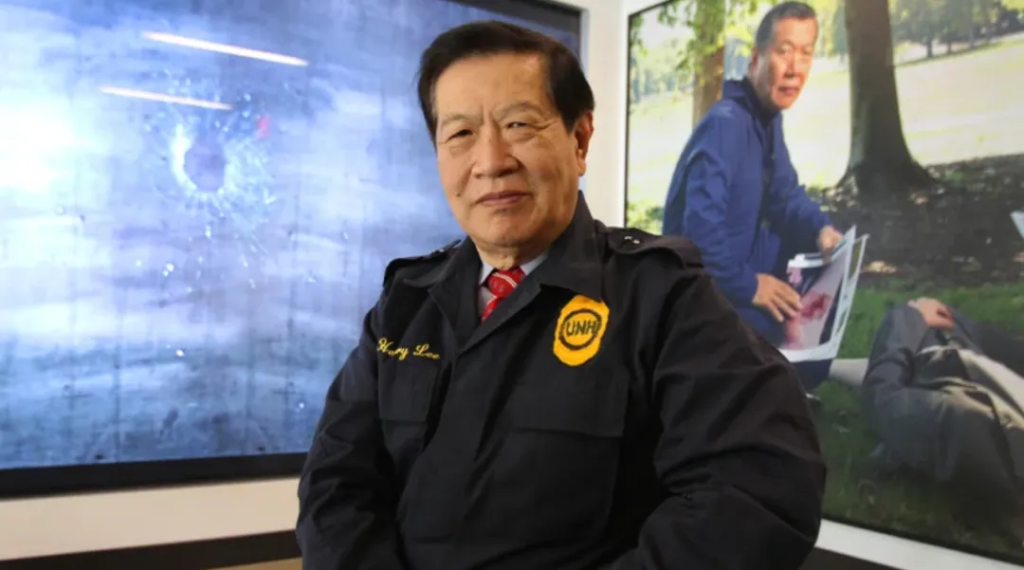
Despite his success in the United States, Lee never forgot his roots.
He returned to China many times to teach and mentor students.
He worked with institutions such as the Supreme People’s Procuratorate.
He helped train a new generation of forensic experts.
Love, Loss, and Renewal
Lee’s first wife, Margaret Lee, stood by him through his hardest years.
They built their life together from nothing.
She passed away in 2017 after a stroke.
At nearly eighty, Lee faced profound loss.
In 2018, he remarried and found companionship again in his later years.
Even in his eighties, he remained active, giving lectures and writing.
Before his death, he was working on a book about missing persons investigations.
A Legacy That Lives On
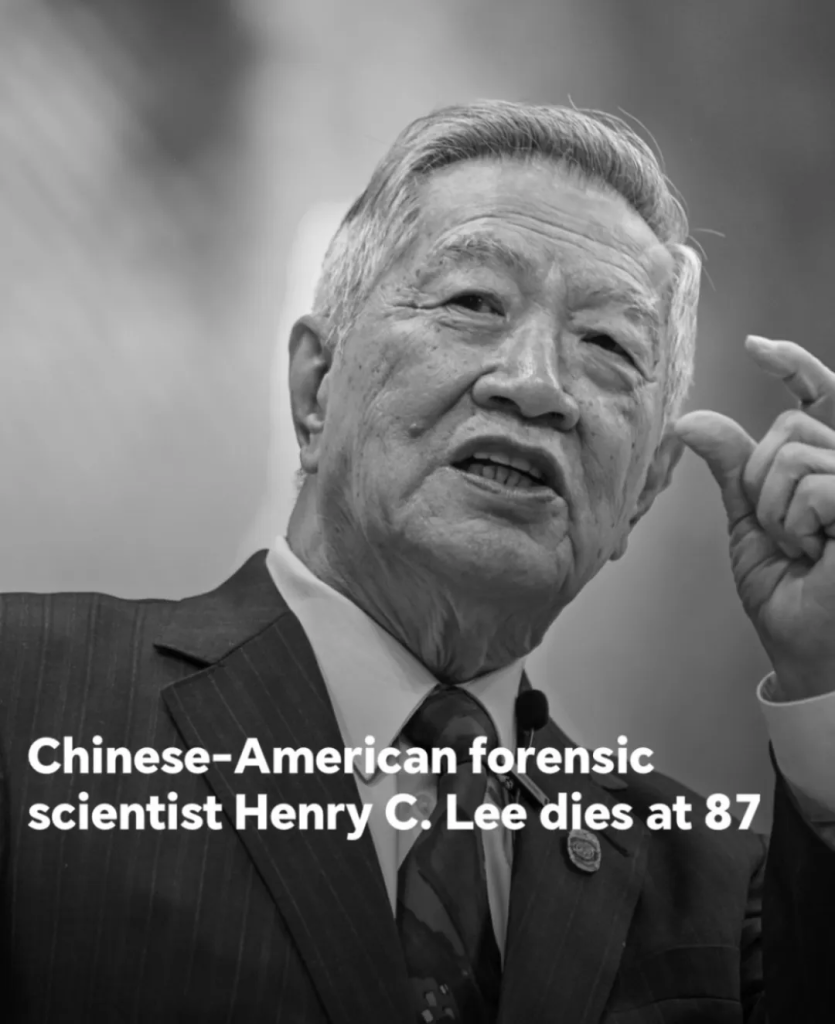
Henry Lee received over 800 awards throughout his life.
Yet he remained humble.
He often said he was not a detective, only a scientist.
From a boy in war torn China to a global forensic icon, his journey was extraordinary.
He gave a voice to the silent and clarity to the most complex cases.
His methods and ideas will continue to shape forensic science for generations.
Henry Lee, 1938 to 2026.
He made the impossible possible.