





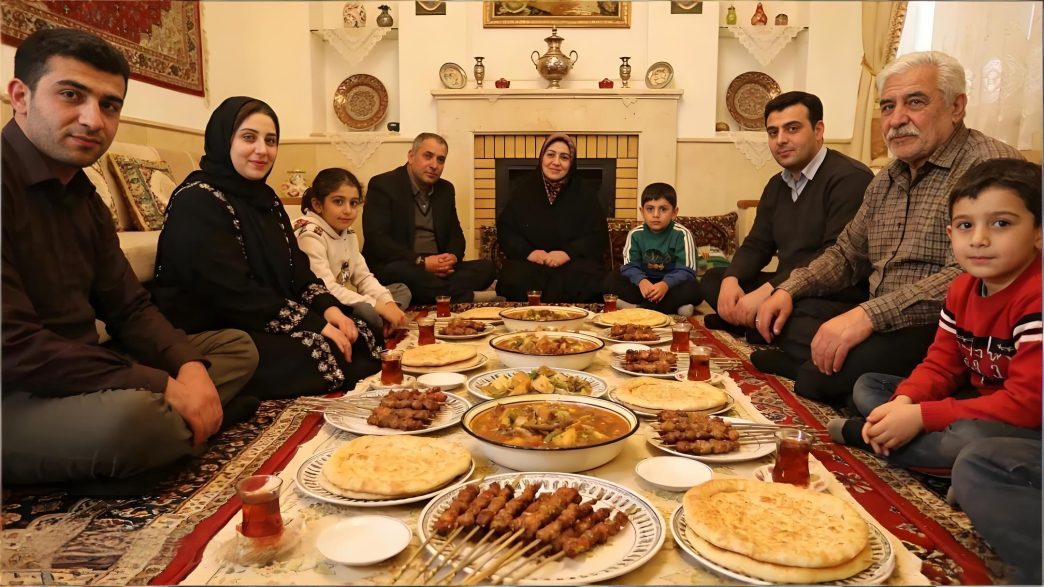
Before I came to Iran, my understanding of Persian Food was vague: kebabs, flatbread, rice, and nuts. But stepping into daily life here—sitting at local tables, inside family homes—taught me that Persian Food is never just about eating. Behind every simple meal lie world-famous ingredients, deep traditions, and a warmth that makes you feel like family.
Let me take you through the real Persian Food experience.
Breakfast: Bread, Tea, and Morning Rituals
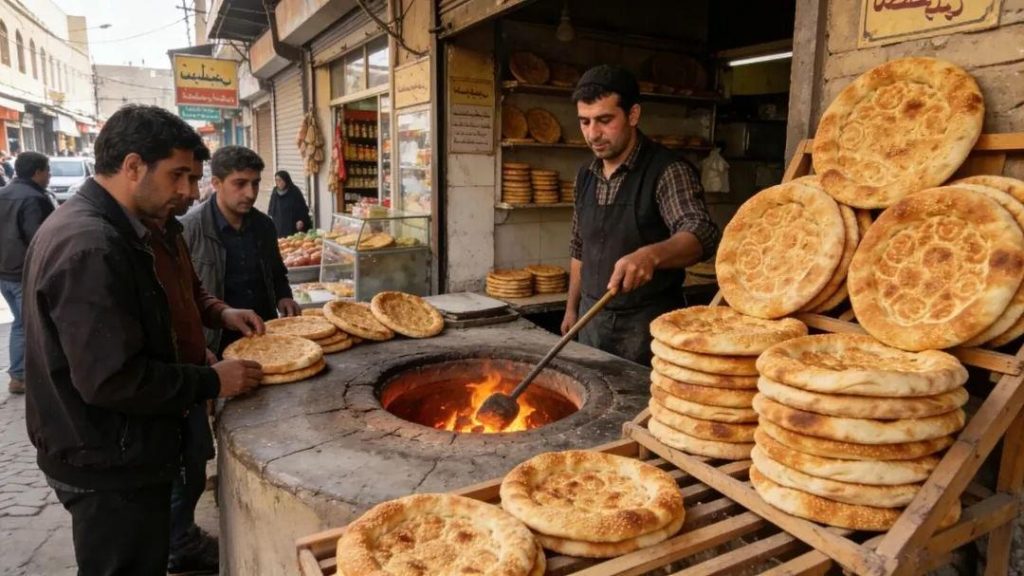
In Iran, mornings often begin with the smell of fresh bread. Walk through Tehran before sunrise, and you’ll see queues outside bakeries. The baker stretches the dough, slaps it against the oven wall, and minutes later pulls out golden Barbari bread—crisp on the outside, pillowy within. 
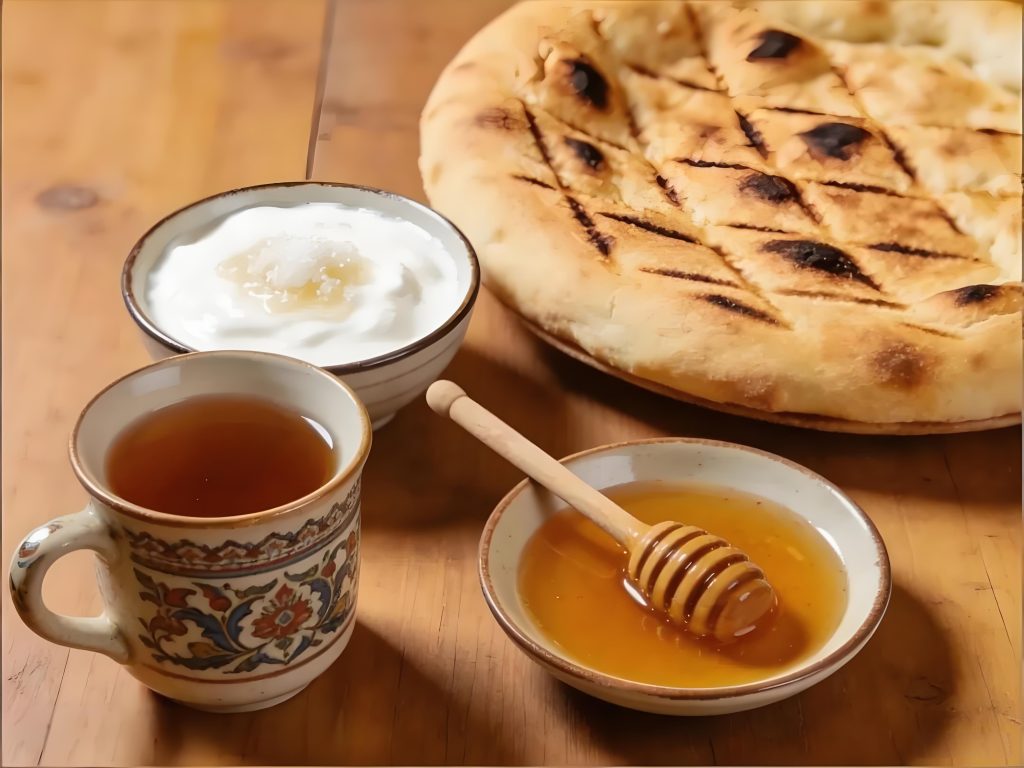
Tear off a piece. Roll it with feta cheese and a drizzle of honey. Bite. The salty cheese and sweet honey meet the warm, earthy bread. Then sip black tea—slightly bitter, pulling all the flavors together. That’s the quiet magic of an Iranian morning.
The bread variety is vast: Sangak (baked on hot pebbles, chewy and crisp), Lavash (paper-thin, used by ancient Persian traders crossing deserts), and Barbari (the everyday favorite). Bread is life here.
Lunch: Saffron Rice and the Art of Kebab
Lunch is Iran’s main event. And the soul of every serious lunch is rice.
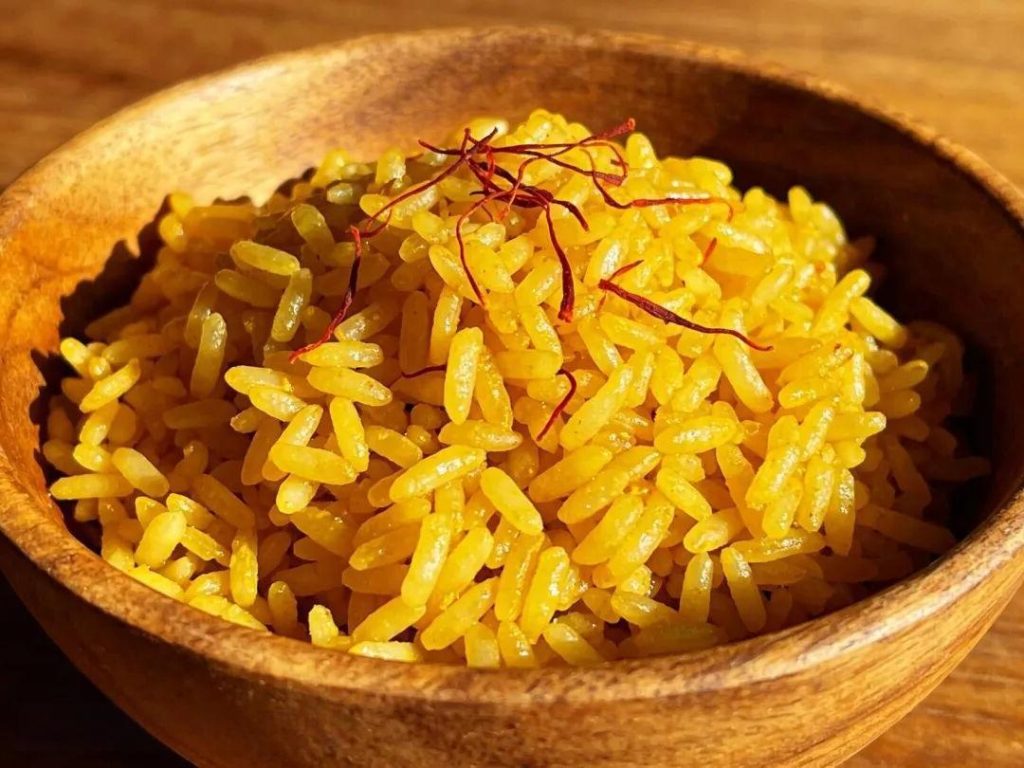
Iranian rice is cooked to fluffy perfection, each grain separate and fragrant. The secret? A pinch of saffron. The rice arrives at the table with scattered golden grains, their aroma delicate and floral. Locals add butter, letting it melt into the steaming pile. I found it beautiful to look at, even if my foreign palate preferred the kebabs.
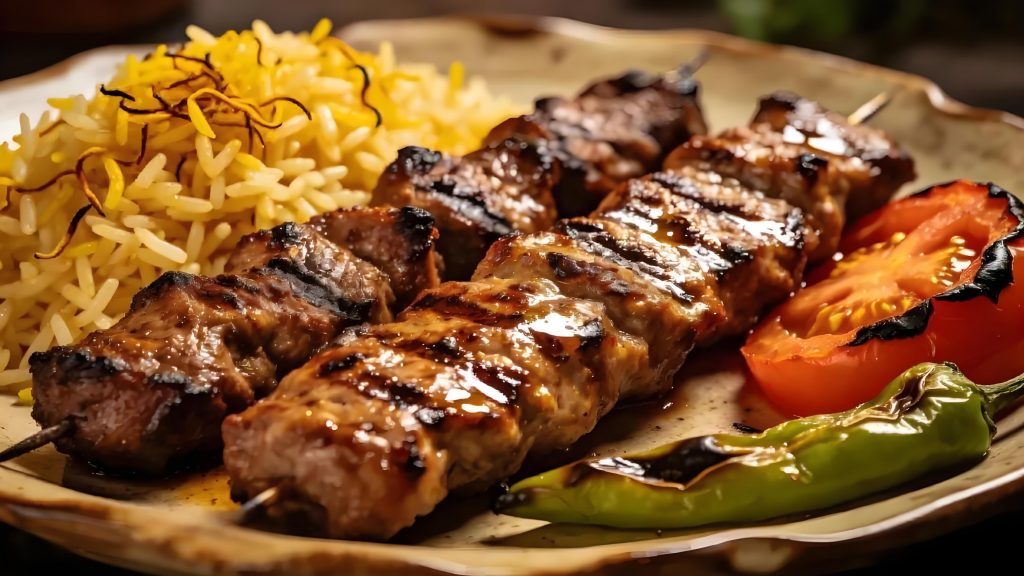
And kebabs—Kebab (literally “to fry” in Persian) is the undisputed king. There are several types:
- Koobideh: Minced lamb or beef mixed with onions and spices, pressed onto flat skewers and grilled. Cheap, satisfying, and found everywhere. But many Iranians won’t eat it outside—they trust only homemade versions.
- Joojeh Kebab: Saffron-marinated chicken, tender and fragrant.
- Barg: Sliced beef or lamb, thin and juicy.
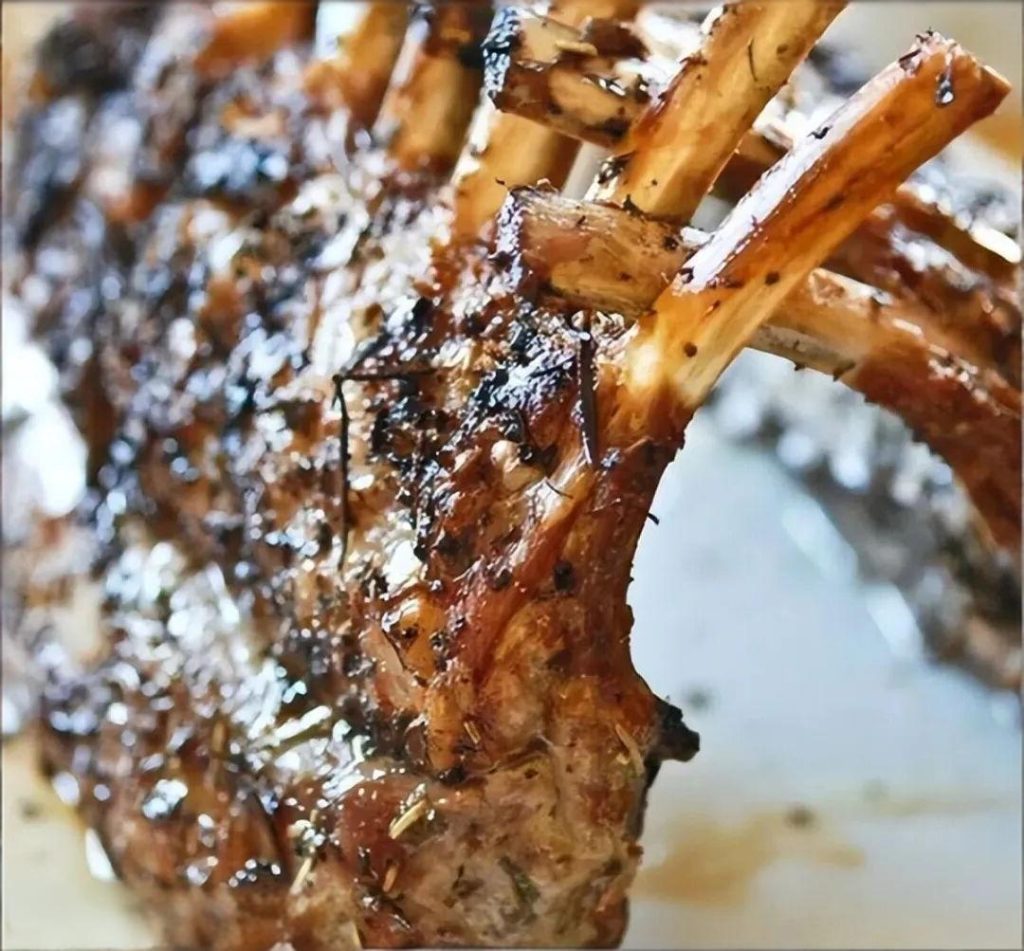
- Shishlik: Rack of lamb chops—the true luxury. The name comes from “shish” (six) and “lik” (lamb chops). Served bone-in, slightly charred outside, impossibly tender inside. This was my favorite Persian Food, no contest. It’s reserved for special guests or celebrations.
Your kebab comes with grilled tomato, raw onion, and your choice of rice or more bread.
Dinner: Quiet and Gentle
Unlike the elaborate lunch, dinner in Iran is quiet. Families eat after 7 PM, and unless there are guests, the meal is simple: lentil soup, yogurt with bread, sliced cucumbers and tomatoes, maybe a sandwich. No fanfare. A soft end to the day.
Khoresht: The Real Home Cooking
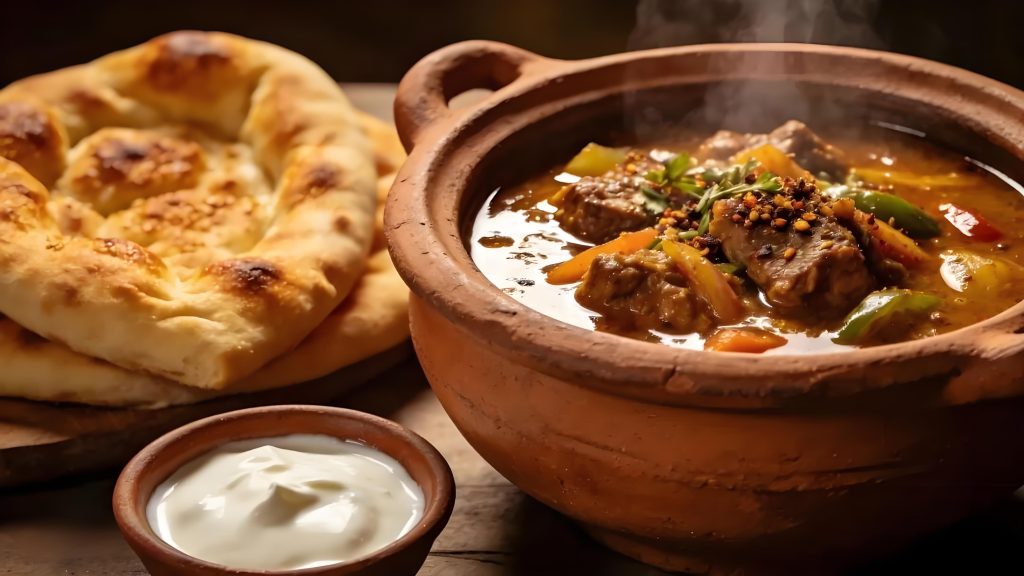
If kebabs are restaurant Persian Food, Khoresht (stew) is what Iranians eat at home. Gormeh Sabzi (herb stew with lamb), Fesenjan (chicken in pomegranate and walnut sauce), Gheymeh (split pea stew with lamb)—these names appear on every menu. Locals speak of them with glowing eyes.
I tried them. Honestly, I couldn’t get used to them. The meat is slow-cooked until nearly dissolved, mixing with herbs and beans into a deep green or brown mass. To me, it lacked the direct punch of grilled meat. But I understood: every country’s “home flavor” is something you grow up loving.
The Art of Hospitality: A Persian Feast
The first time I was invited to an Iranian home, I had no idea what I was walking into.
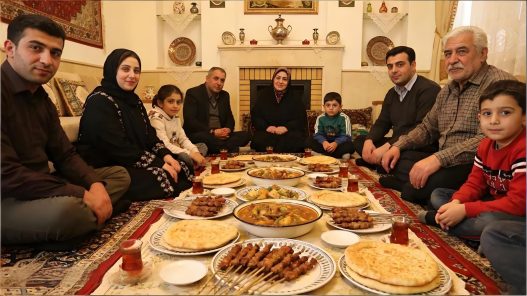
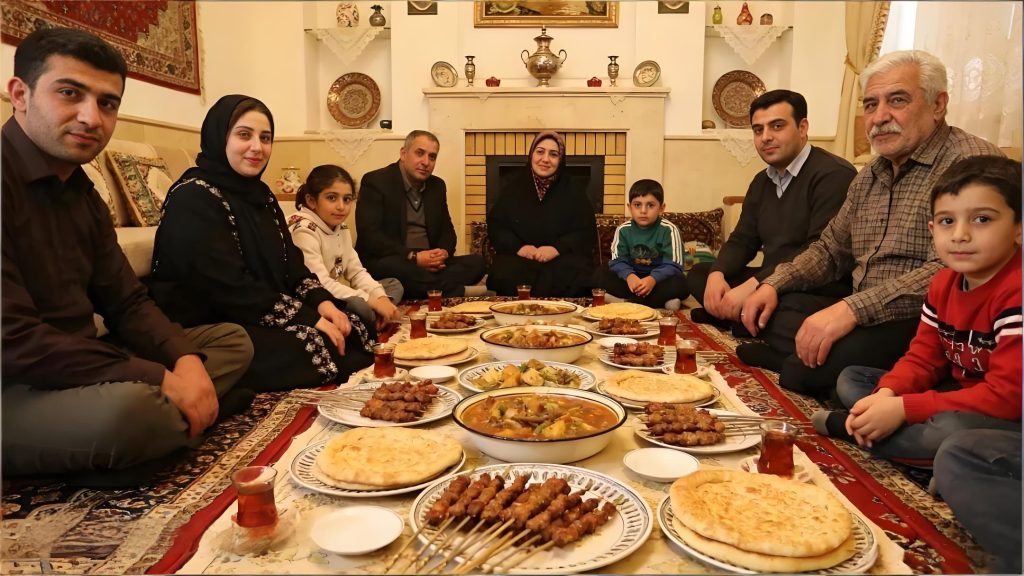
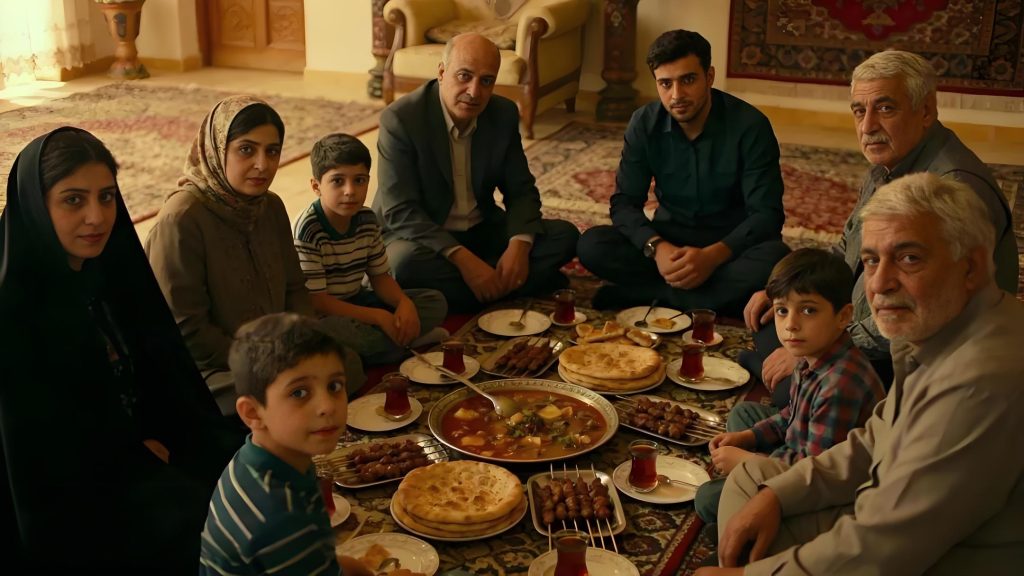
We sat on a large Persian carpet—no table. I fumbled to cross my legs, but the closeness felt intimate, immediate. Then came tea. Then dried fruits and nuts. We drank, snacked, chatted. The meal hadn’t even started.
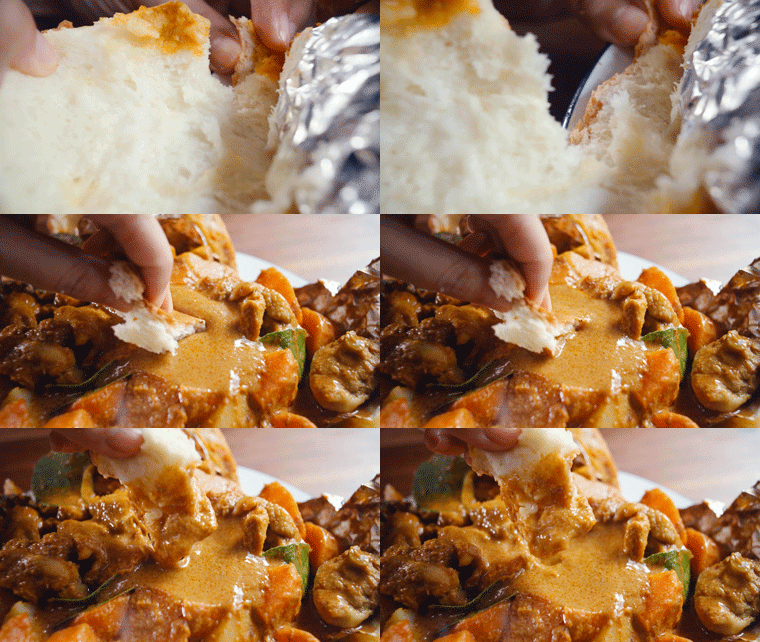
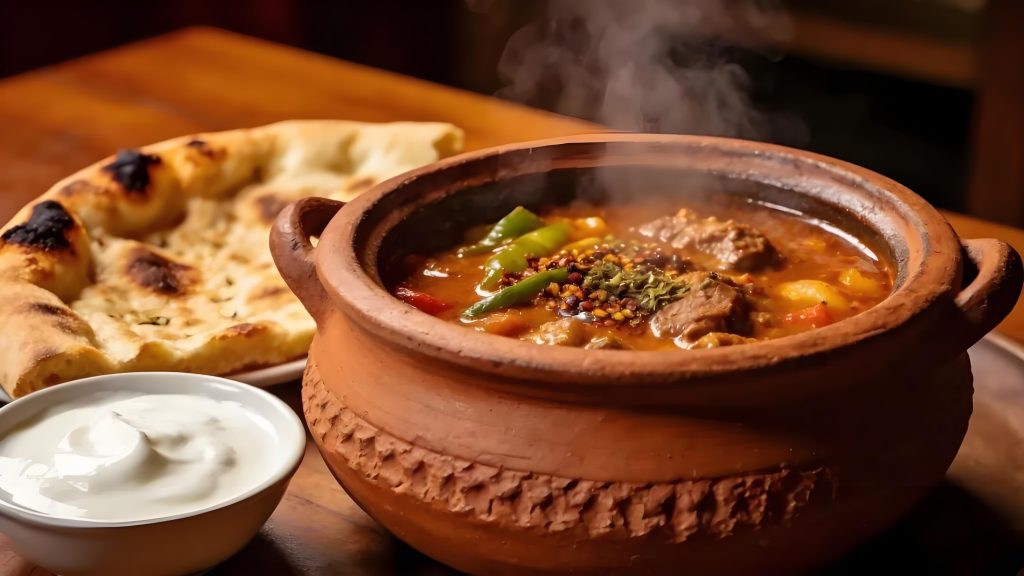
Slowly, the main dishes arrived: a mountain of saffron rice, several platters of kebabs, a bowl of khoresht, grilled tomatoes, fresh mint leaves, and a large bottle of Doogh (yogurt drink with mint and salt—an acquired taste).
Iranian hospitality is legendary. The host kept piling food onto my plate. “Eat, eat!” they urged. To them, feeding a guest is not kindness. It’s an honor.
After the meal, I thought we were done. Then came fruit. Then nuts again. More tea. More chatting. A proper Persian meal takes four or five hours. No one rushes. No one leaves early.
Tea: The Social Soul of Iran
In Iran, tea is everywhere. Enter any home, office, or shop, and the first thing offered is a glass of black tea.
They brew it differently: a kettle of water boils on the stove, and a smaller pot of loose tea sits on top, gently heated by steam. The result is a deep, smooth concentrate, poured into slender glasses and diluted to a rich amber.
But the true surprise is how they drink it.
Iranians do not stir sugar into their tea. Instead, they place a sugar cube—ghand—between their teeth, then sip the tea through it. The sweetness meets the tea directly on the tongue. Sometimes they use nabat, a crystallized saffron sugar stick, which they twirl in the glass like a wand, dissolving just the right amount of sweetness.
This way, tea remains tea. Sugar remains sugar. You control how they meet.
In Iran, tea is not a drink. It’s life. Once the tea is poured and the sugar chosen, conversation flows and hearts open.
What Persian Food Tastes Like
Now, looking back, Persian Food tastes like this:
- Morning bread, warm from the oven
- Saffron rice, golden and fragrant
- A chop of shishlik, charred and juicy
- Tea, sipped through a sugar cube
- And above all, the weight of kindness—endless dishes, hours at the table, a host who won’t let you leave hungry.
Persian Food is not fancy recipes. It’s not fine plating. It’s the most honest, human, everyday cooking—where a meal is never just a meal, but a moment of connection.
That’s the real taste of Iran. In every loaf of bread, every glass of tea, every hand that keeps filling your plate. That’s Persian Food.