





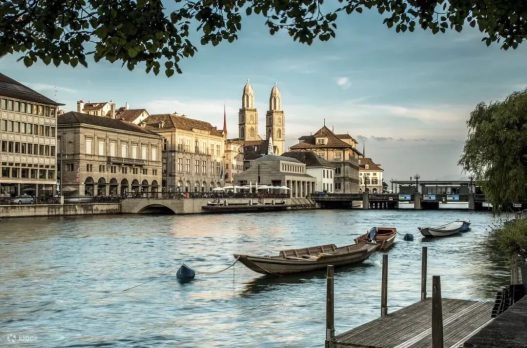
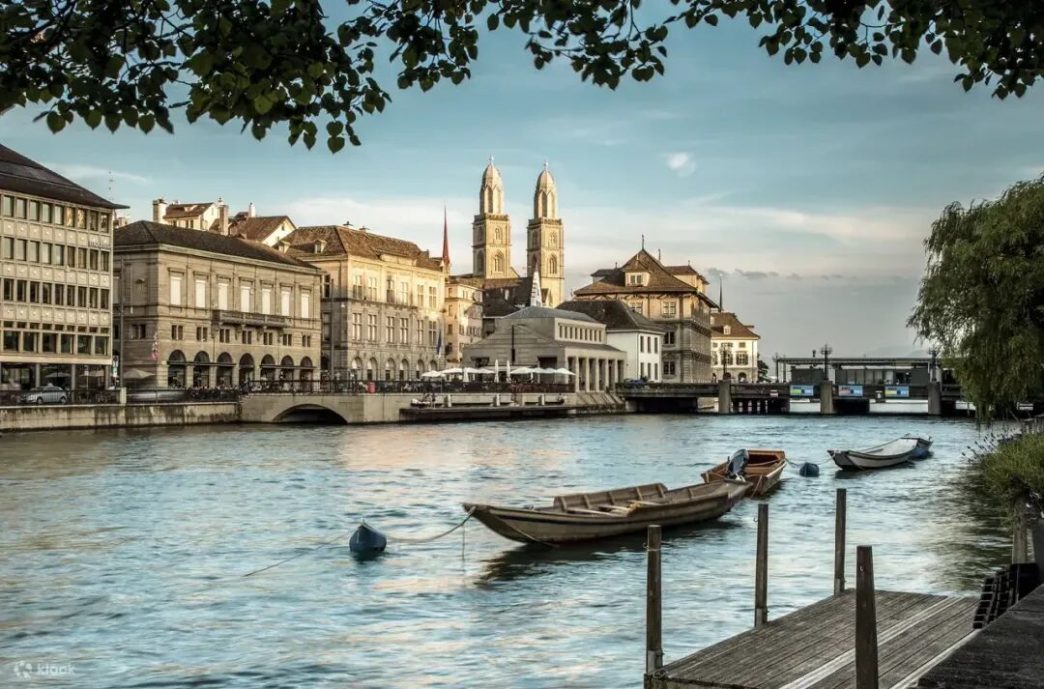
Often labeled as one of the priciest cities in the world, Zurich is full of surprises. According to The New York Times, it’s also one of Europe’s most underrated destinations.
What makes Zurich special is its balance. It’s a city where precision meets calm, where business and leisure exist side by side without conflict.
A City of Two Rhythms
In the morning, Zurich feels sharp and efficient. As Switzerland’s financial hub, institutions like UBS and Credit Suisse keep the city moving with clockwork precision. 
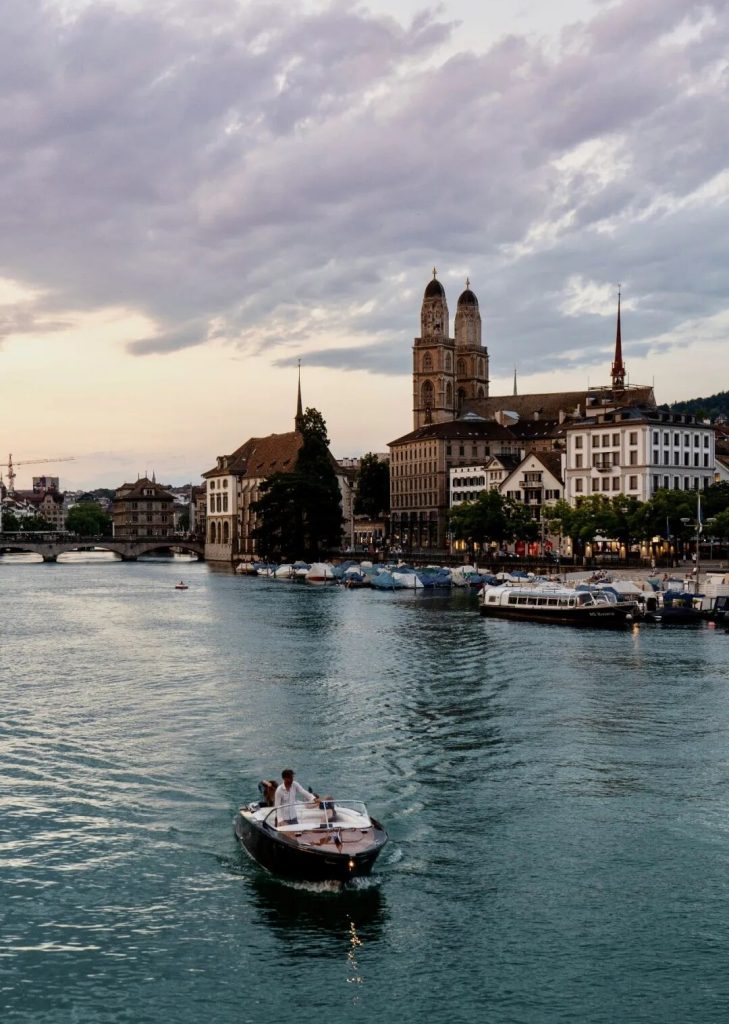
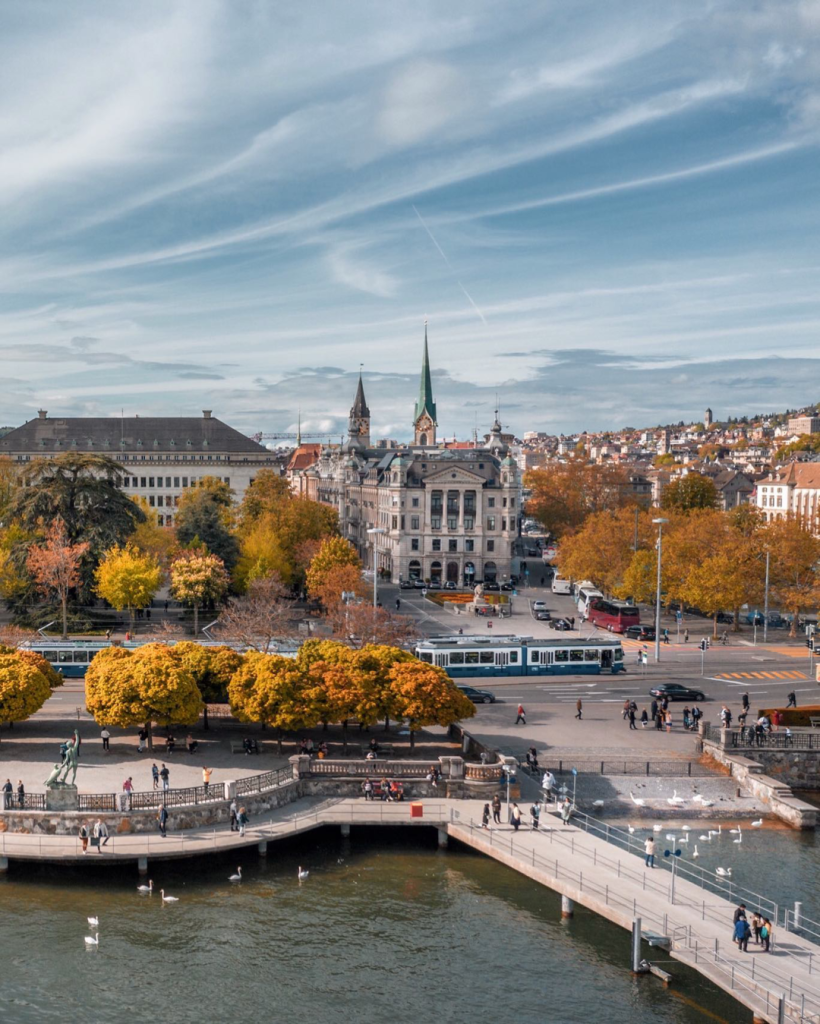
But just a short walk away, everything softens. Along Lake Zurich, swans glide across the water while locals stroll, relax, and soak up the sun. The contrast is seamless—and that’s exactly the charm.
Exploring Zurich’s Historic Old Town
Walking Through Centuries of History
The Zurich Old Town is the perfect place to begin. Built around the Limmat River, the old city is divided into two distinct sides.
On one side, you’ll find the elevated Lindenhof, offering open views and a quiet atmosphere. On the other, the lively Niederdorf district unfolds with narrow alleys, cobblestone streets, and medieval charm.
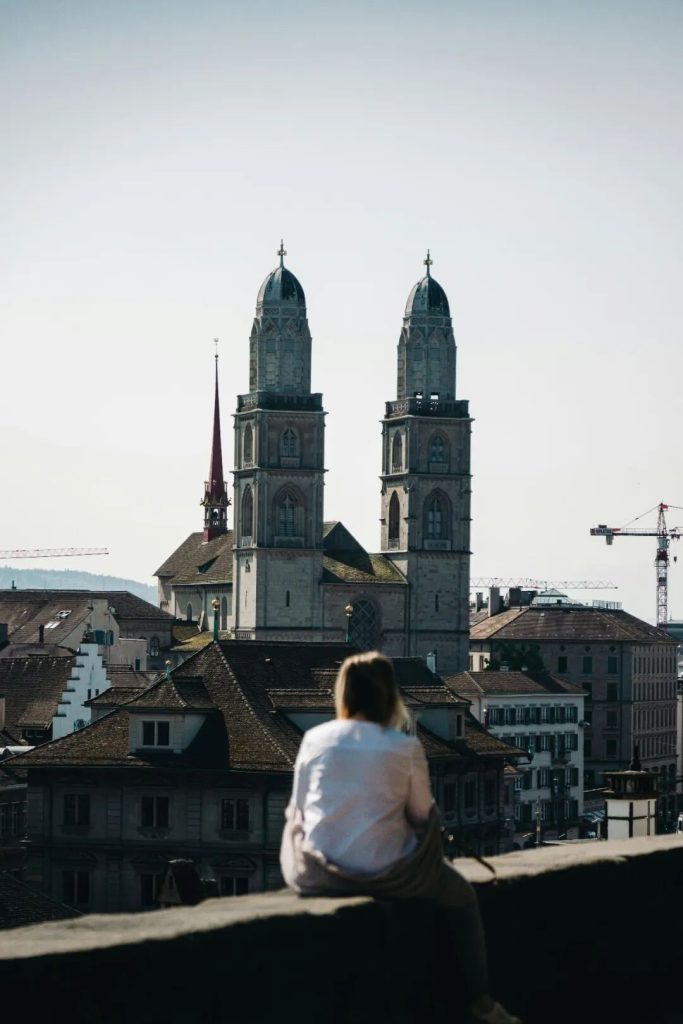
As you wander, landmarks like Grossmünster and Fraumünster define the skyline, telling stories that stretch from Roman times to the Middle Ages.
Art, Architecture, and a Living City
Zurich is not just about history—it’s also a cultural hub. The Kunsthaus Zürich houses works ranging from classical masterpieces to modern art.
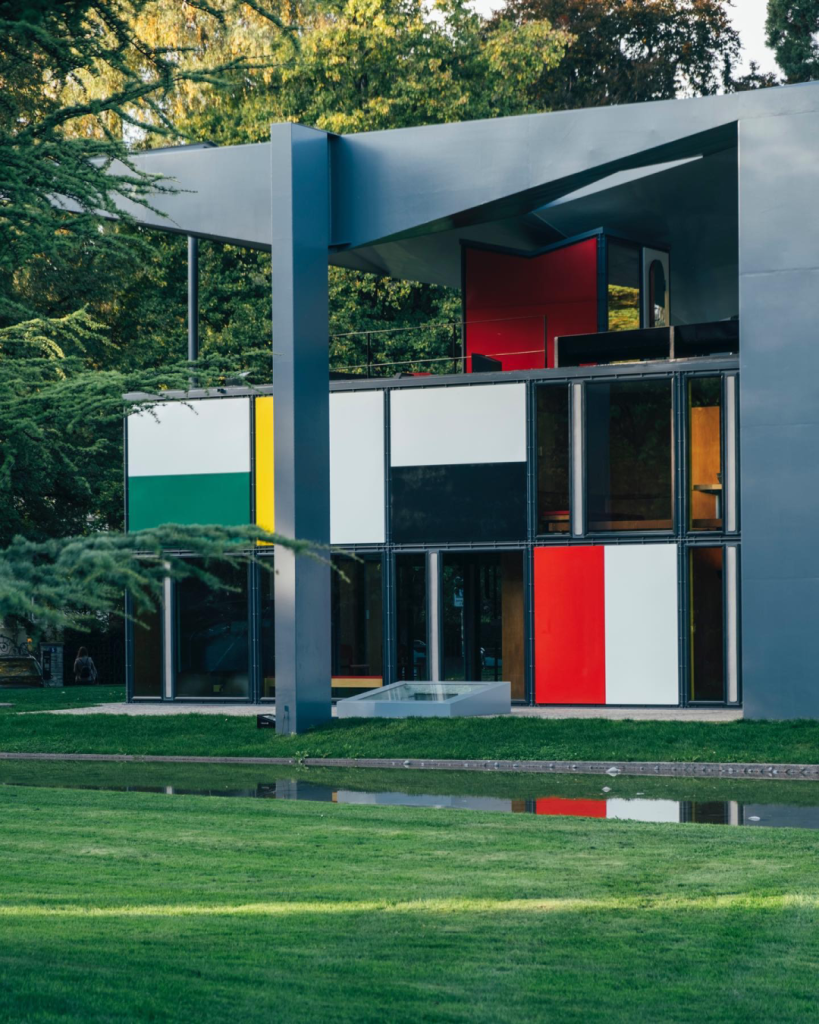
A standout architectural gem is the Pavillon Le Corbusier, designed by the legendary Le Corbusier. This lakeside structure, made entirely of steel and glass, is his final work and feels more like a walkable sculpture than a traditional museum.
Lindenhof: A Quiet Viewpoint with a Deep Past
Though modest in height, Lindenhof offers one of the best panoramic views of the city.
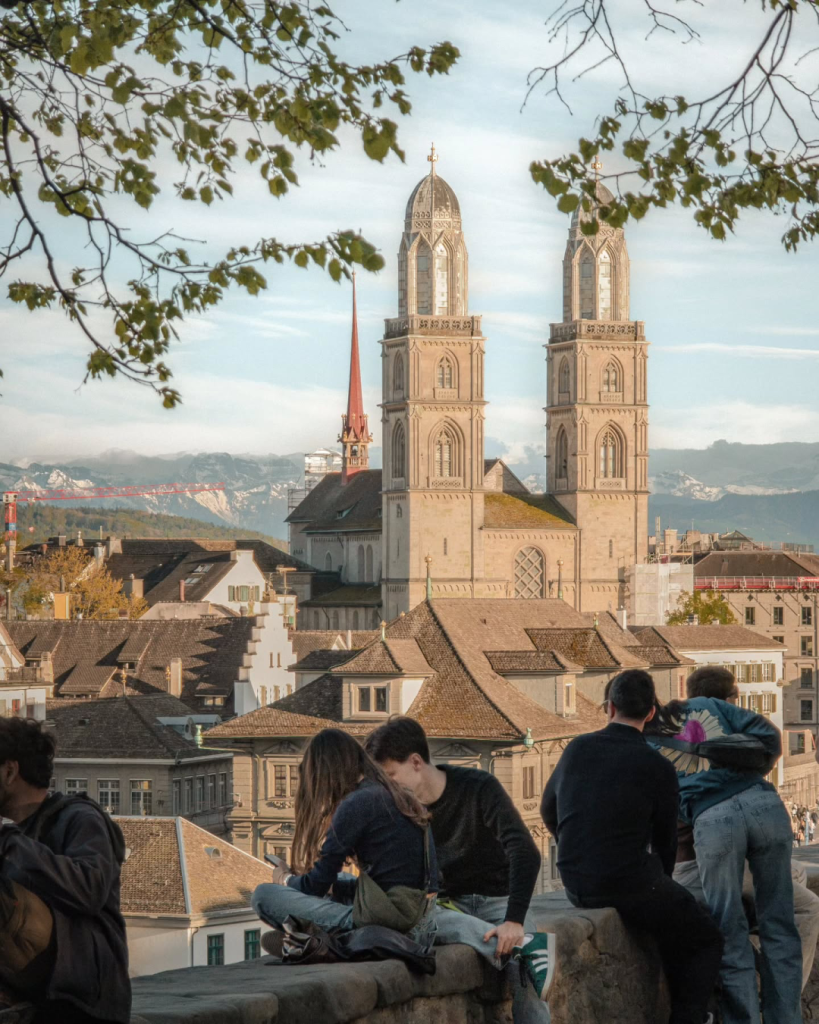
Historically, this site was used by the Celts and later became part of the Roman settlement known as Turicum. During the medieval period, it even served as a royal residence.
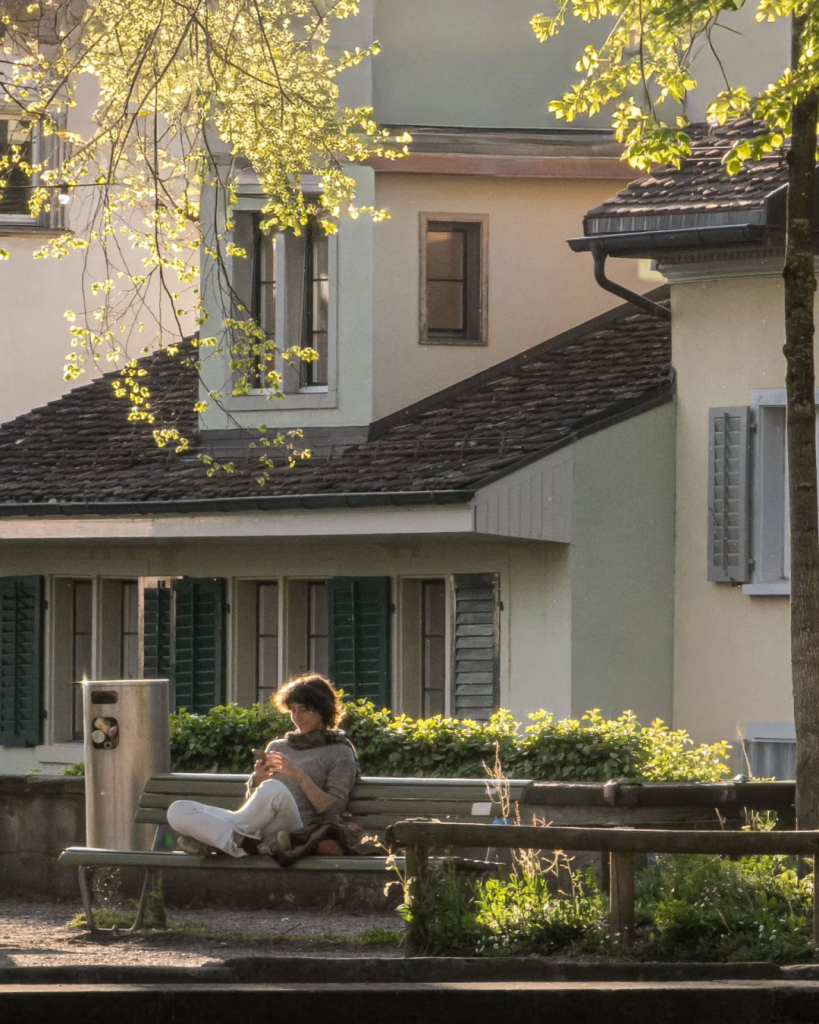
Today, it’s a peaceful public space—perfect for slowing down and watching the sunset over Zurich.
Fraumünster: Where Power and Art Meet
The elegant Fraumünster, with its striking blue spire, dates back to the 9th century.
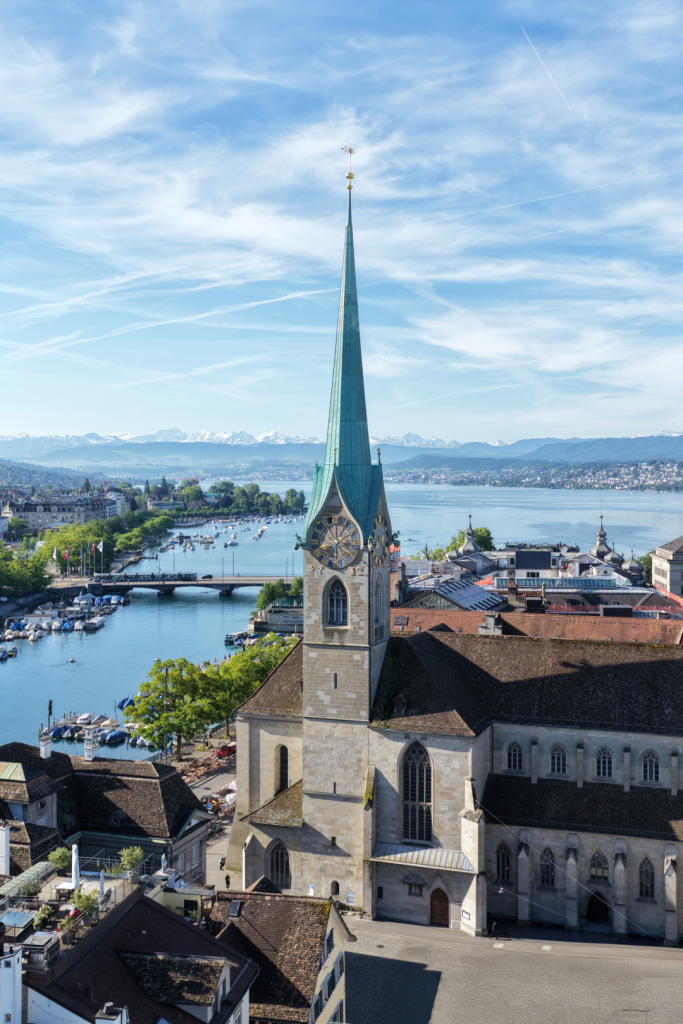
Once a powerful abbey that controlled much of Zurich’s economy and governance, it later lost its influence during the Protestant Reformation led by Huldrych Zwingli.
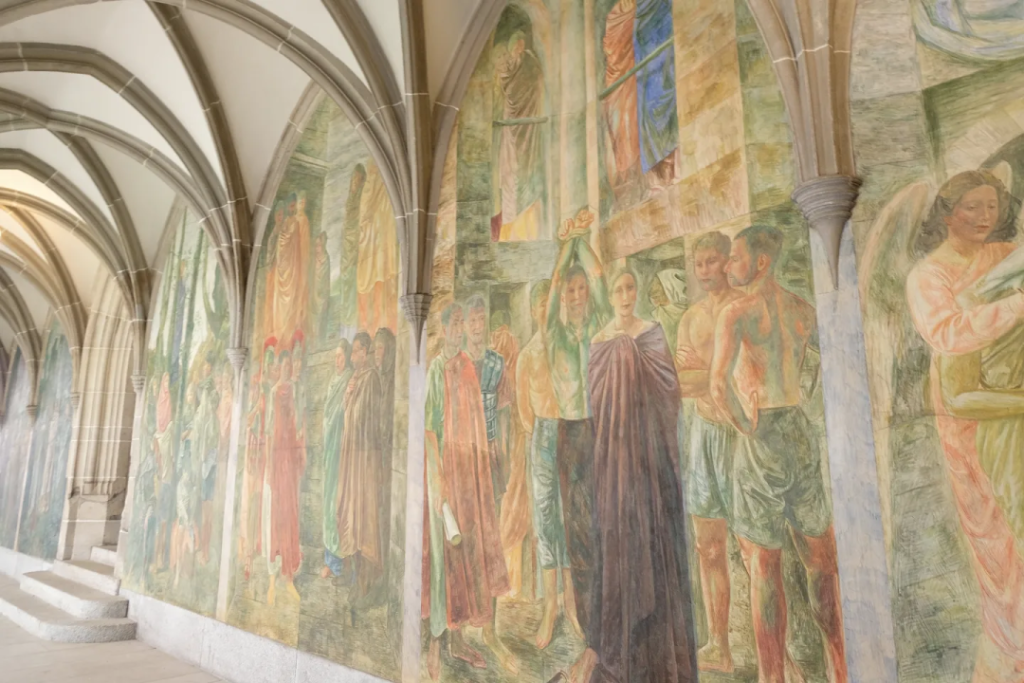
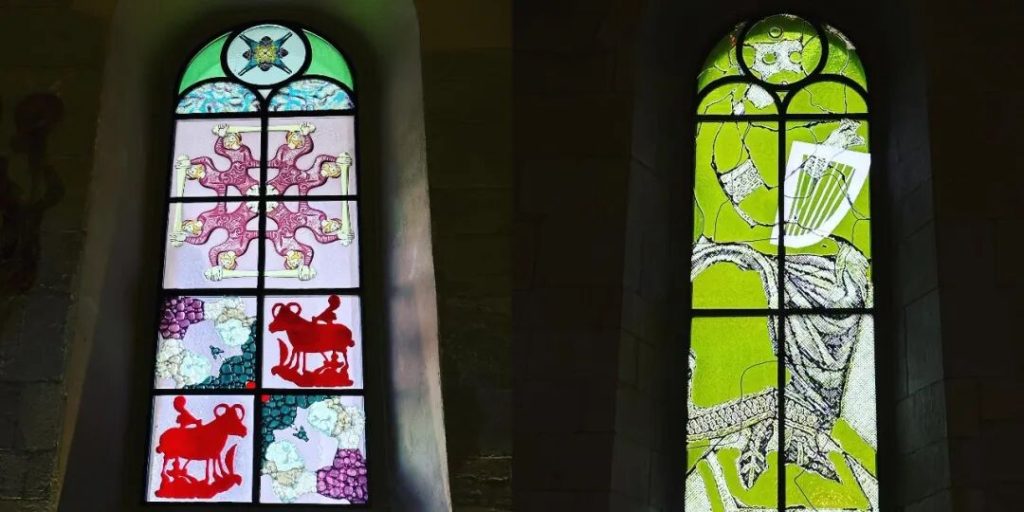
Today, the church is best known for its stunning stained glass windows created by Marc Chagall, which fill the interior with shifting colors and light.
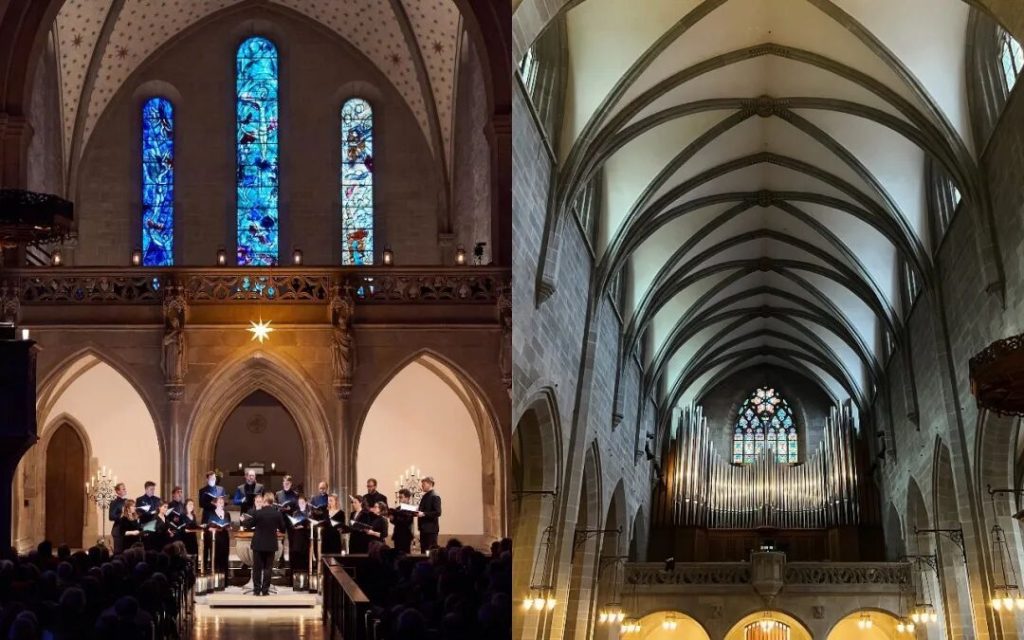
Grossmünster: The Symbol of Reform
Across the river stands the iconic Grossmünster, easily recognized by its twin towers.
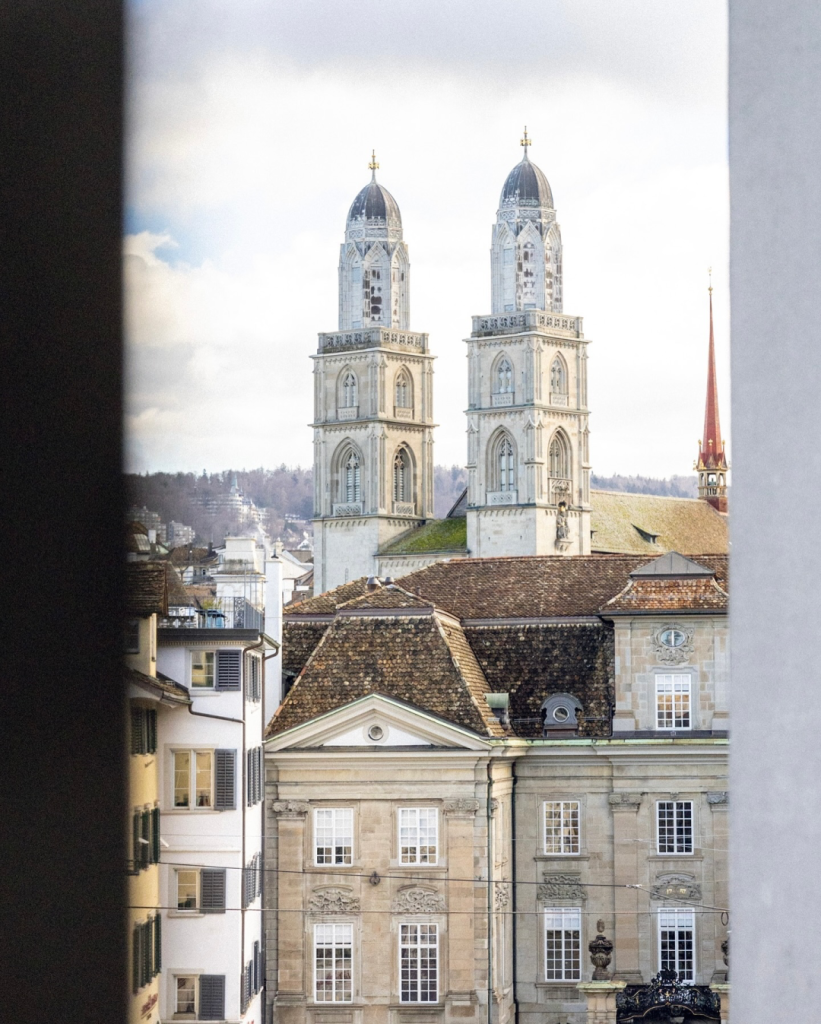
Legend says it was founded by Charlemagne, though its true historical importance comes from its role in the Reformation. It was here that Zwingli preached, shaping religious change across German-speaking Switzerland.
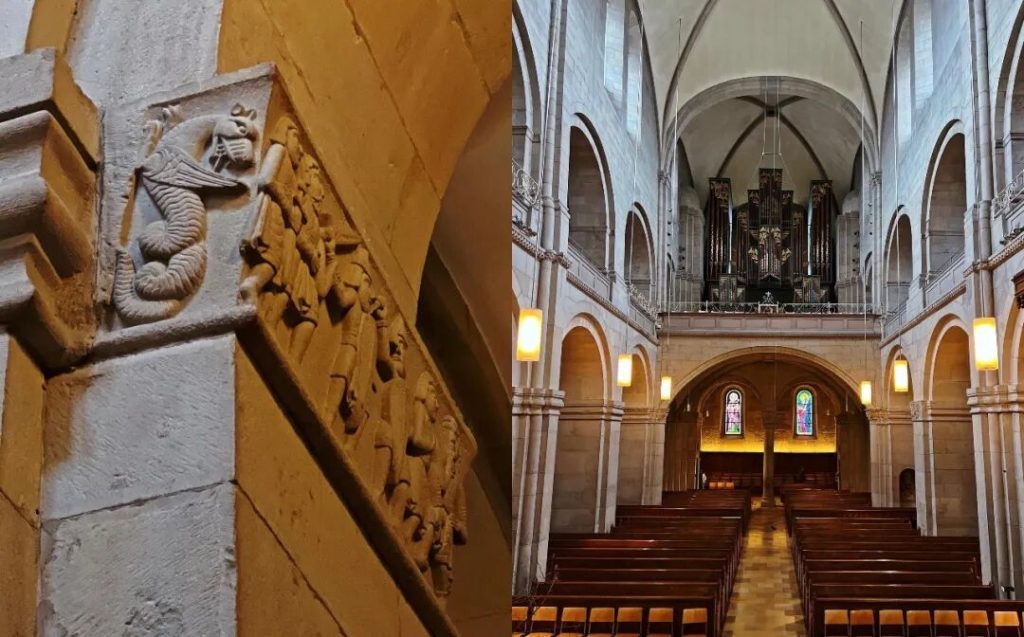
Inside, the church is simple and unadorned—a reflection of Protestant values that prioritize thought over decoration.
From Luxury Shopping to Nightlife
As evening falls, Zurich transforms once again. A walk down Bahnhofstrasse takes you from high-end boutiques to lakeside bars.
At night, the city comes alive with a mix of elegant lounges and laid-back clubs. Whether you prefer refined cocktails or a casual drink by the water, Zurich offers a nightlife scene that matches its dual personality.
A City Worth Slowing Down For
Zurich may have a reputation for being expensive, but what it truly offers is balance—a rare mix of efficiency, beauty, culture, and calm.
It’s not just a place to visit. It’s a city to experience, slowly and fully.