





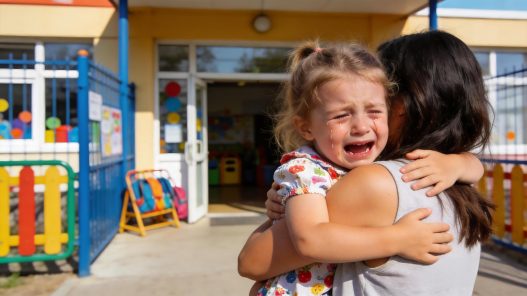
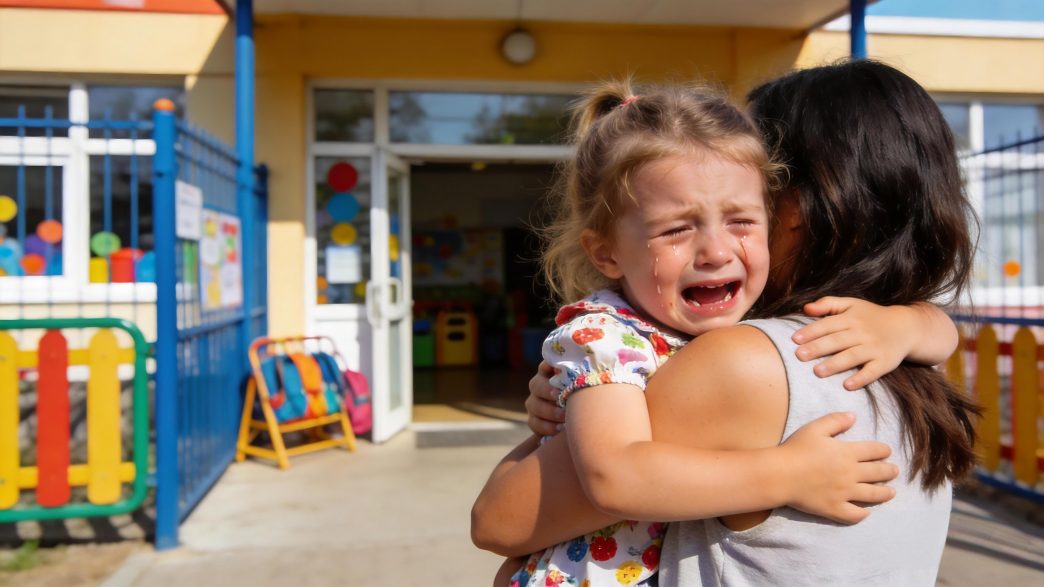
Every year, when the new school term begins, preschool entrances all start to look the same:
children crying, parents comforting, and emotions running high.
Some kids walk straight into the classroom, spot a toy, and casually say,
“Mom, you can go now!”
Others cling tightly to their parents, tears and runny noses everywhere, crying,
“I don’t want to go to school!” 
It’s in moments like these that many parents suddenly realize something important:
social skills are the real “entry pass” to preschool.
In this article, we’ll explore:
- What social skills really are
- Why they directly affect how well a child adapts to preschool
- And how you can start building these skills at home
What Are Social Skills? It’s Not Just About Being Talkative
When people hear “social skills,” they often assume it simply means a child who talks a lot or loves attention.
But that’s actually a misunderstanding.
True social skills are made up of three core abilities:
- Initiating communication: being willing and able to express thoughts and needs confidently
- Understanding others: recognizing emotions in others, like happiness, frustration, or anger
- Cooperating and coexisting: knowing how to take turns, share, and follow basic rules
Behind all of these abilities lies what psychology refers to as Social Development.
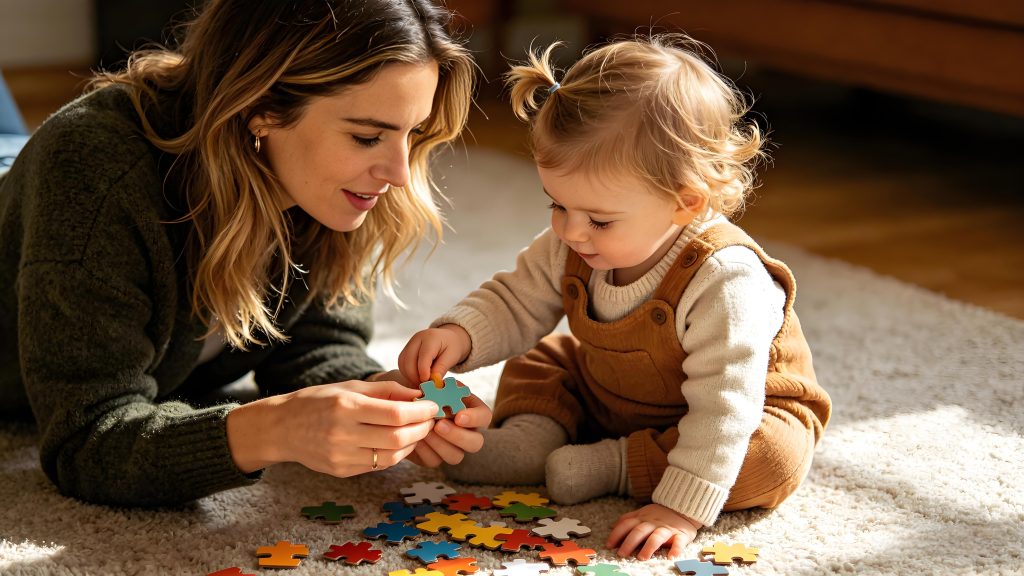
The Critical Window: Ages 1 to 3
Between the ages of 1 and 3, children go through a crucial stage of development.
During this time, areas of the brain responsible for emotion, self-control, and understanding others develop rapidly.
In simple terms:
social skills are a child’s “super pass” to stepping out of the home and into the world.
Do Socially Skilled Kids Really Adapt to Preschool Faster?
The answer is simple: yes, they do.
Let’s look at how children with strong social skills typically behave in preschool:
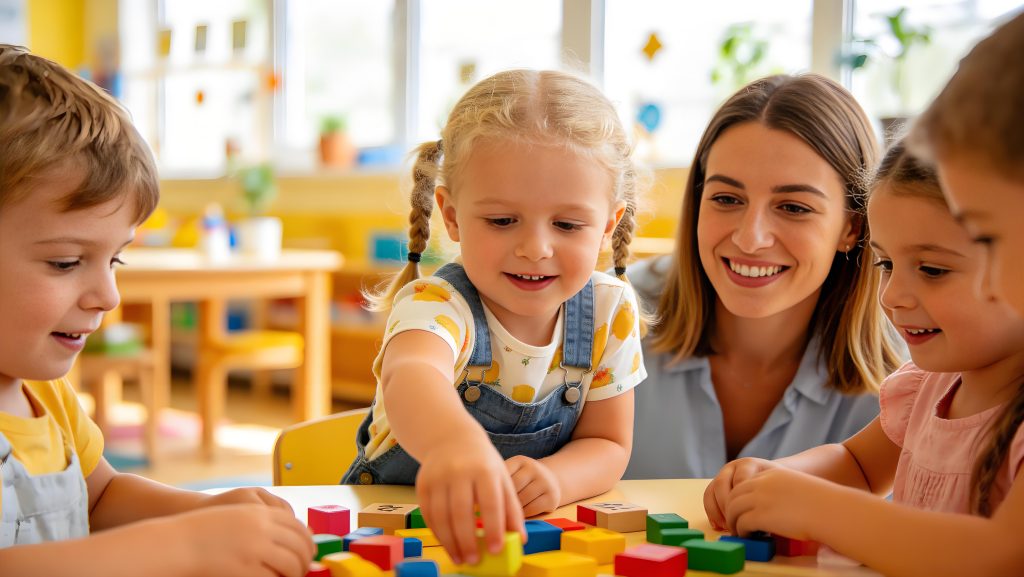
- They adjust quickly: even if slightly shy at first, they’re soon drawn in by a teacher’s smile or other kids playing
- They handle change better: new classrooms, teachers, or group activities don’t overwhelm them
- They experience fewer conflicts: instead of grabbing toys, they’ll say things like “Can I have a turn?”
- They integrate into groups easily: they join pretend play, line up in group games, and begin to understand rules
- They’re favored by teachers: they respond, cooperate, and are easier to guide and encourage
What Happens When Social Skills Are Weak?
On the other hand, children with underdeveloped social skills may:
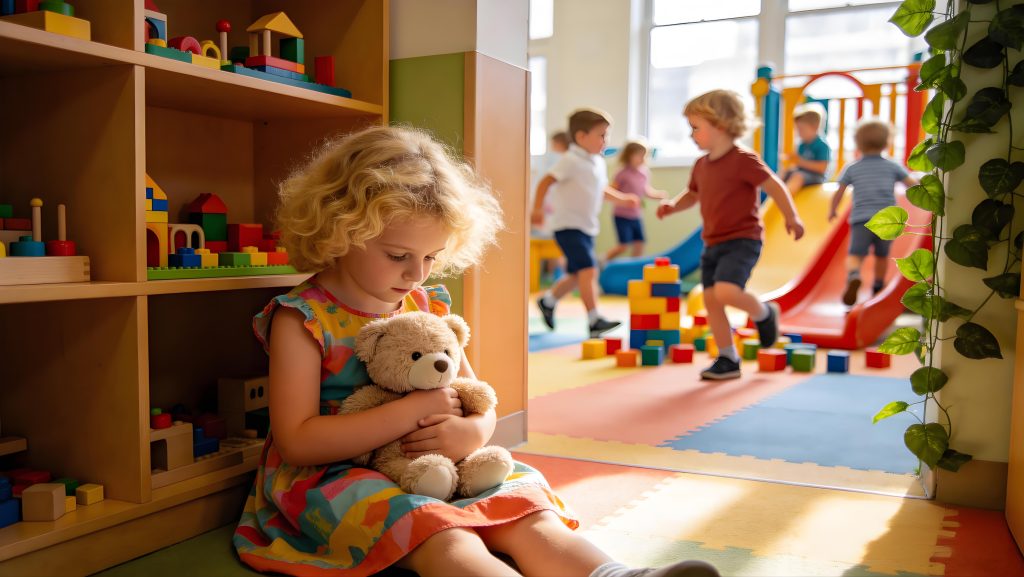
- withdraw into themselves as soon as they enter the classroom
- avoid speaking or interacting with others
- refuse to participate in group play
- experience frequent emotional outbursts
This doesn’t just make things harder for teachers—it also makes the child’s experience more stressful and less enjoyable.
Are Social Skills Inborn? Not at All—They’re Shaped at Home
Here’s a common myth worth breaking:
social skills are not something children are simply born with—they are developed over time.
Those confident, friendly kids you see?
It’s not just natural talent.
Their abilities are quietly shaped by their daily environment:
- Do parents respond when the child tries to communicate?
- Does the child have opportunities to express themselves?
- Do they spend time with other children and learn they’re not the center of everything?
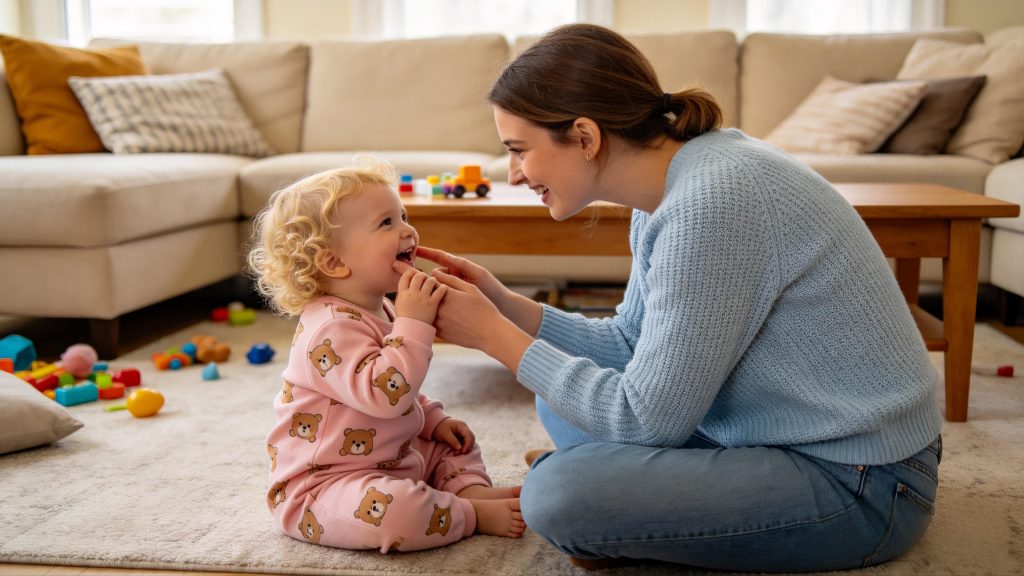
All these small, everyday interactions form the foundation of social ability.
How to Build Social Skills at Home: 5 Practical Strategies
1. Replace Commands With Conversations
Instead of constantly saying:
“Don’t touch that!”
“Sit still!”
“Finish your food!”
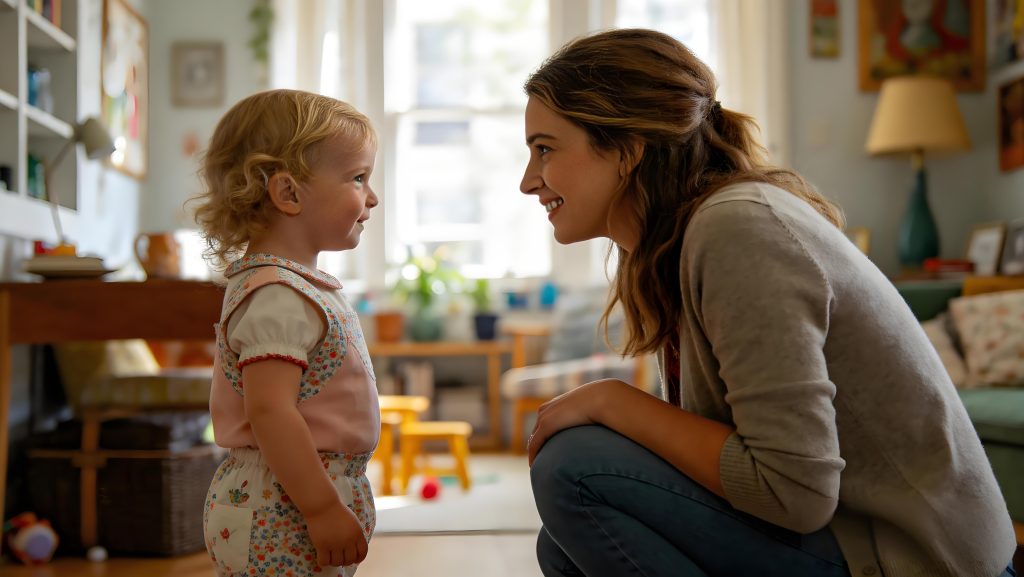
Try guiding your child like this:
“You want to play with that? You can say, ‘I’d like to play with this, okay?’”
Helping children express themselves is far more valuable than simply teaching obedience.
Keyword: expressive communication
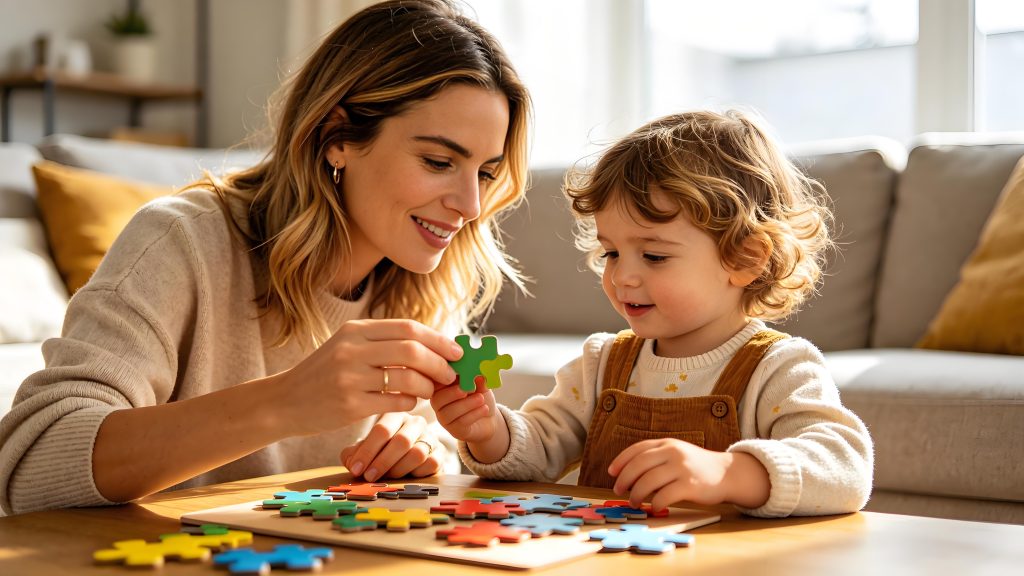
2. Practice Taking Turns and Waiting
During games like ball play or reading together, gently introduce turn-taking:
“Mommy goes first, then it’s your turn!”
There’s no need to enforce rules strictly—keep it playful and natural.
This helps children develop patience and awareness of others.
Keyword: rules + cooperation
3. Use Pretend Play to Build Empathy
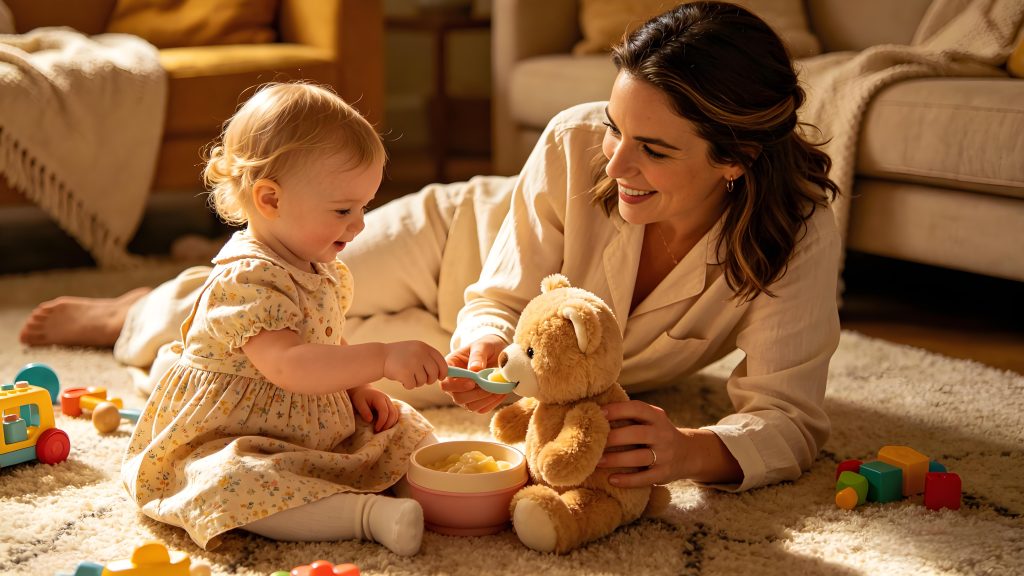
Play games like feeding dolls, visiting a doctor, or playing house.
You can guide your child with questions:
“Is the teddy bear hungry?”
“What if he doesn’t want to eat?”
These types of activities strengthen what psychologists call Empathy and improve emotional understanding.
Keyword: empathy + emotional recognition
4. Encourage Interaction With Other Kids—But Don’t Over-Intervene
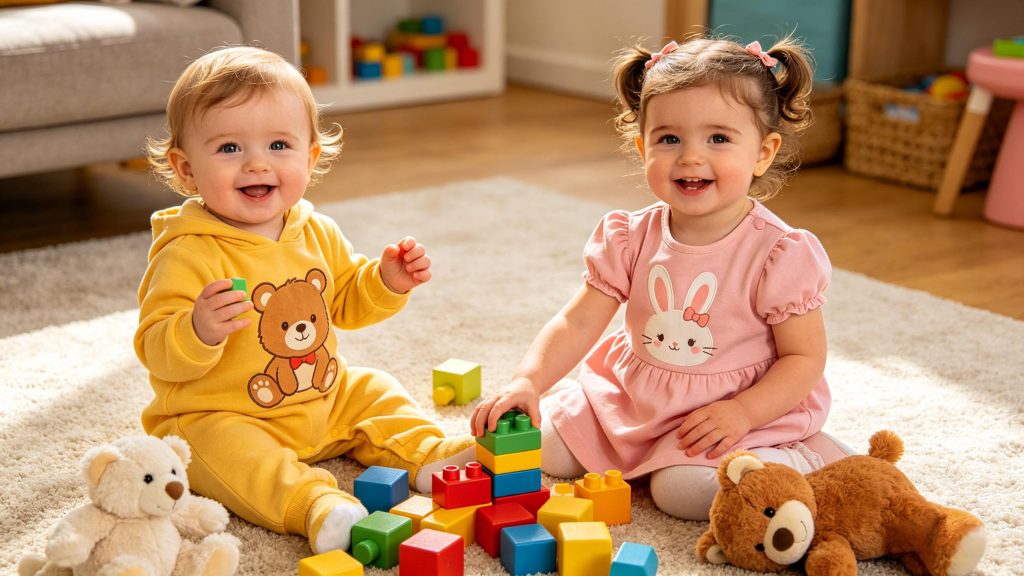
Many parents rush in when they see kids fighting over toys:
“Give it back right now!”
But sometimes, it’s better to observe first.
Let your child attempt to resolve the situation on their own, and step in only when necessary.
Over time, they’ll learn how to:
- express their needs
- handle conflict
- understand others’ reactions
Keyword: real social experience
5. Be Your Child’s Social Role Model
Children are natural imitators.
Every time you:
- greet someone politely
- smile at others
- say “thank you”
…your child is learning.
If parents avoid social interaction, children won’t have a model to follow.
The way you treat others becomes the way your child learns to interact with the world.
Keyword: modeling + environment

Final Thoughts: Social Skills Matter More Than You Think
Your child isn’t just preparing for preschool—they’re preparing for life.
In the future—whether it’s school, work, or relationships—
the ability to express themselves, cooperate with others, and regulate emotions will always matter.
All of this is rooted in early childhood, supported by skills closely tied to Developmental Psychology.
So instead of focusing only on early reading or memorization, ask yourself:
- Did I give my child space to express themselves today?
- Did they have a chance to interact with others?
- Did I support them through their emotions?
Because in the long run,
strong social skills will take your child much further than early academic achievements.