




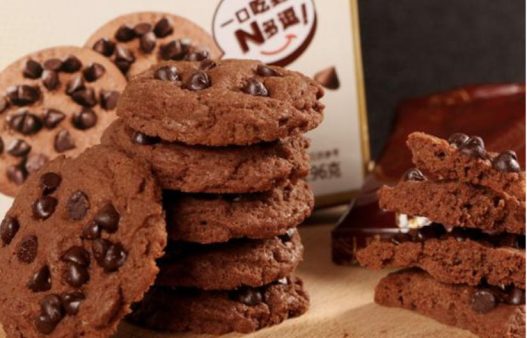
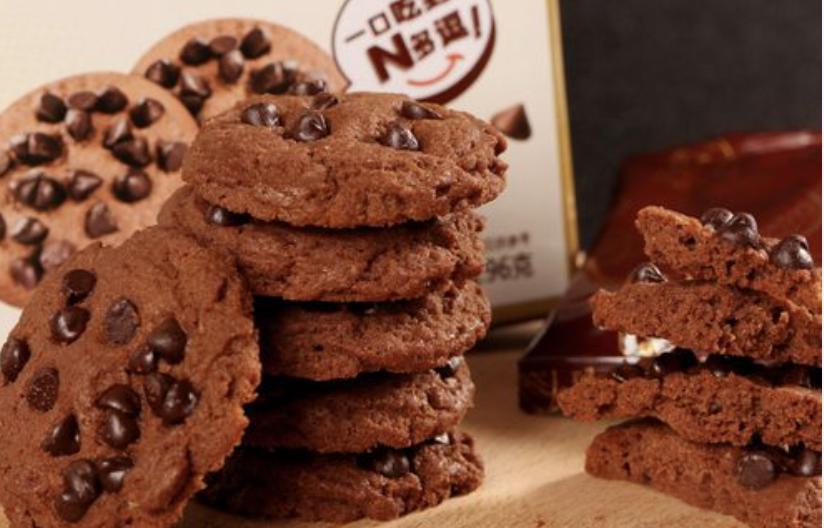
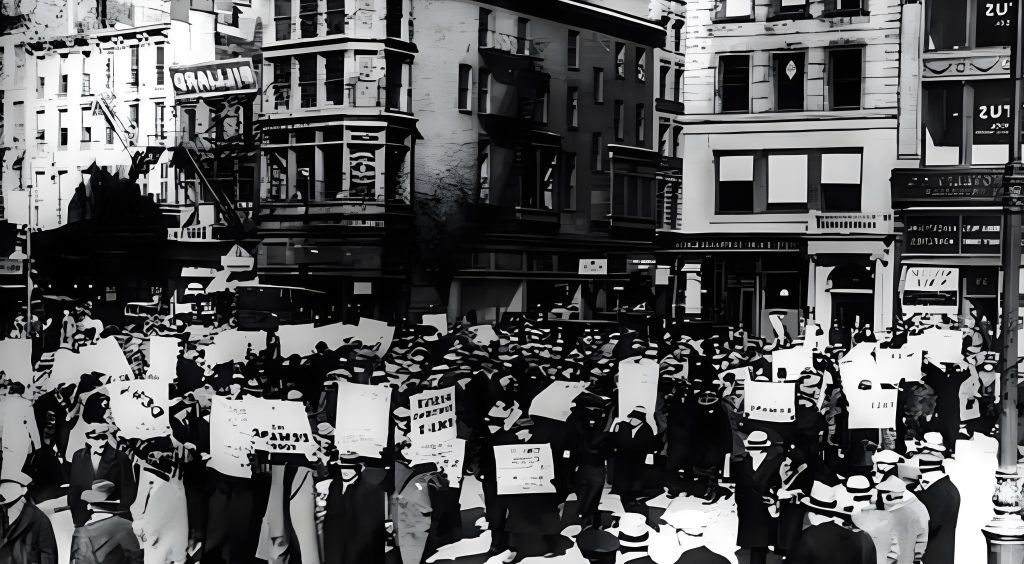
How were Chocolate Chip Cookies invented? The year was 1930. Times were hard in America. The Great Depression had wiped out savings and shattered dreams. Common sense said: keep your job, hold your money, avoid risk. But Ruth Wakefield ignored common sense. She and her husband left their jobs and opened a restaurant in Whitman, Massachusetts. Little did she know that her story would become intertwined with the invention of Chocolate Chip Cookies.
Betting Everything on a Dream
Their grand opening flopped. Customers didn’t come. Revenues barely covered expenses. At the end of their first month, they had only $10 left.
But Ruth was no ordinary home cook. She held a degree in household arts. She had worked as a professional dietitian and taught high school home economics. This wasn’t a side project. This was her professional calling. 
The Toll House Inn’s food was excellent. Ruth’s expertise ensured that. Slowly, locals discovered the place. Word spread. The restaurant survived.
But good food alone wasn’t enough. To thrive, they needed marketing.
A Master Marketer’s Playbook
Ruth and her husband didn’t just wait for customers. They actively built their brand.
First: Constant Menu Innovation
The Toll House Inn offered high-quality, home-style comfort food. Ruth introduced signature dishes using local specialties: lobster rolls, coffee cake, Indian pudding. Local communities grew loyal. Repeat customers returned again and again.
Second: Storytelling
Great products need great stories. The couple turned their 120-year-old building into a “historic toll house.” Tourists drawn by nostalgia flocked in. Word spread. The inn became a destination for middle-class road trippers from Boston.
Their fabricated history gave the restaurant soul.
Third: Leveraging Media
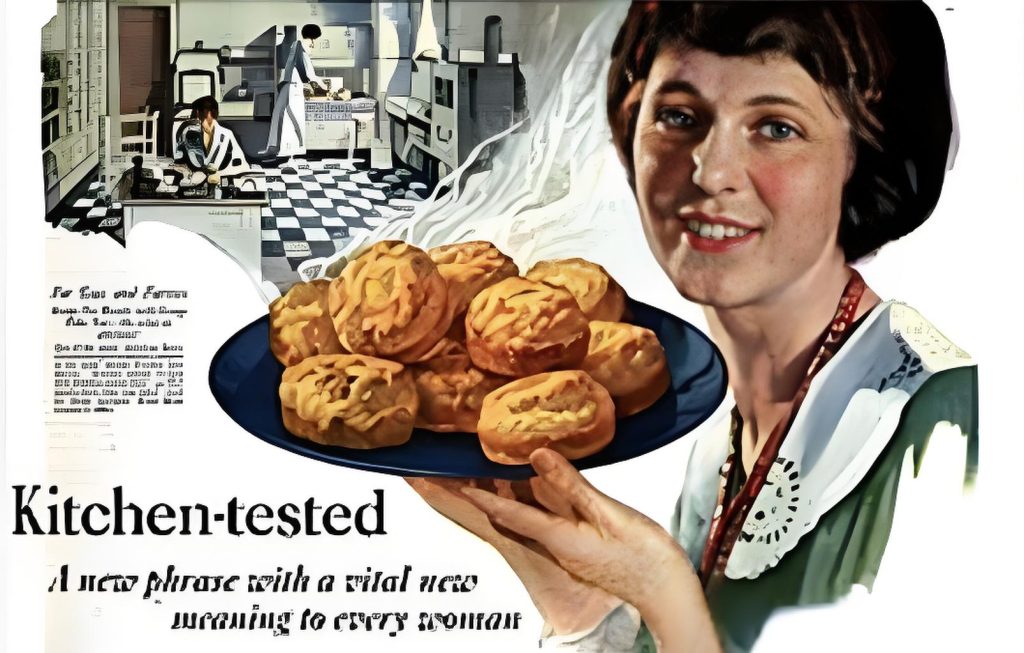
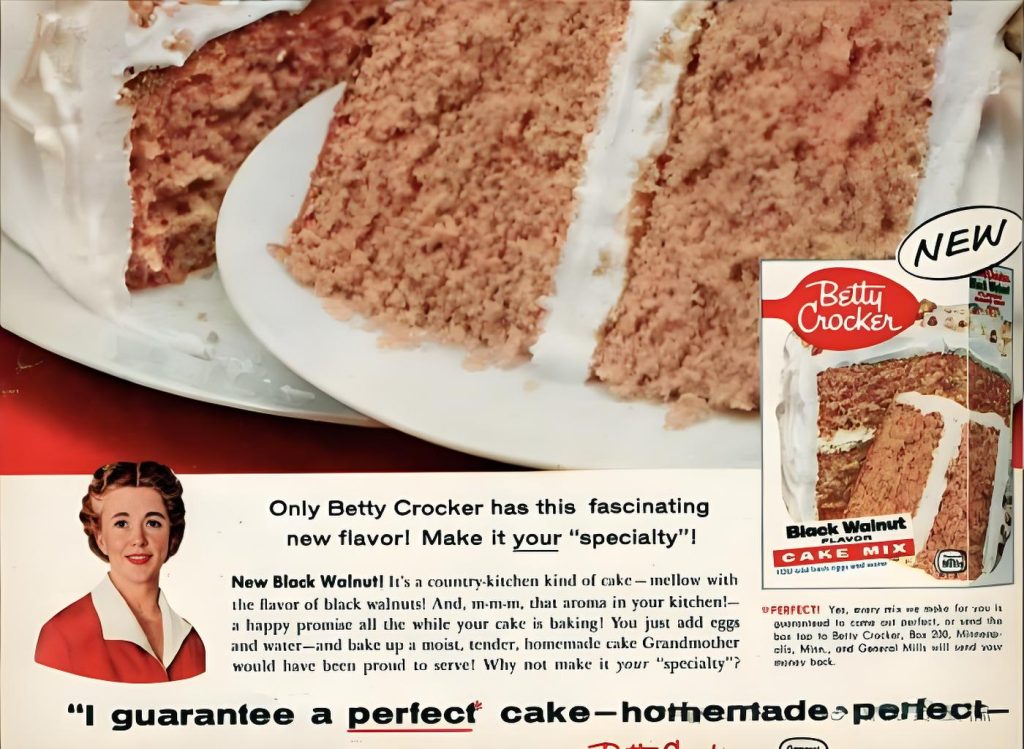
As a dietitian, Ruth wrote cooking columns for local newspapers and appeared on radio shows like Betty Crocker. In interviews, she emphasized “traditional values” and “handmade craftsmanship.” This messaging resonated with elite audiences who cherished old American virtues.
Fourth: Celebrity Endorsements
The Toll House Inn paid obsessive attention to detail. Waitstaff used fine silverware and elegant napkins (even folded creatively). Table settings coordinated with plates and decorations. The atmosphere was impeccable.
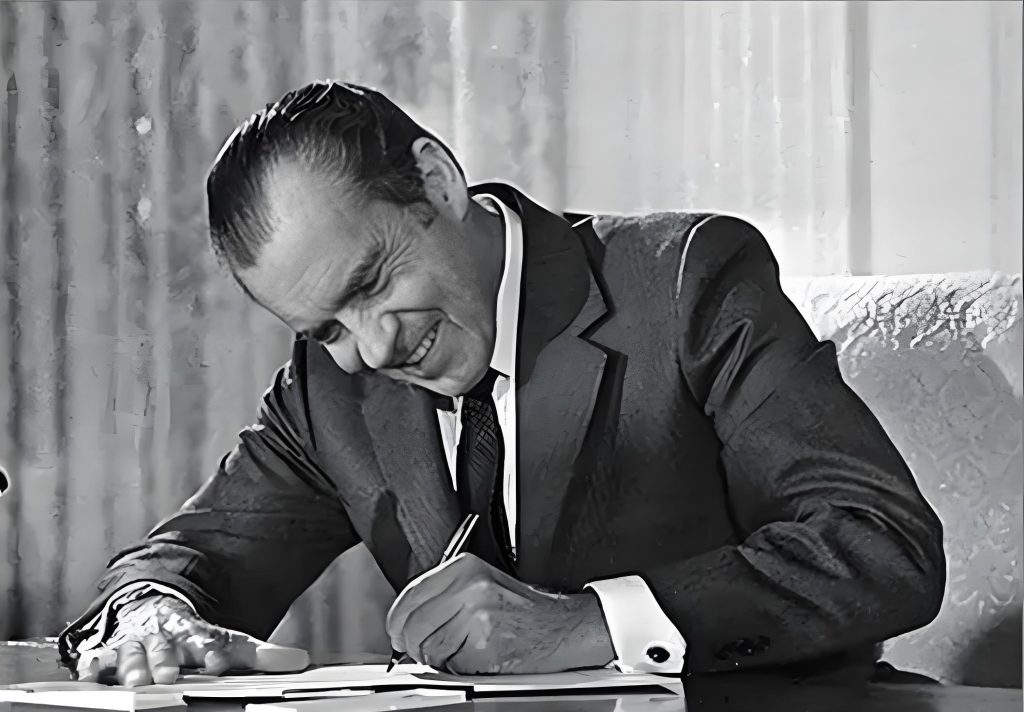
Government officials started using the inn for small meetings. In January 1932, the son of then-New York Governor Franklin D. Roosevelt held a meeting there.
The Kennedy family also loved the inn. Joseph Kennedy often stopped by on his way to their Cape Cod estate. During WWII, the inn partnered with him to send care packages to Kennedy children serving overseas.
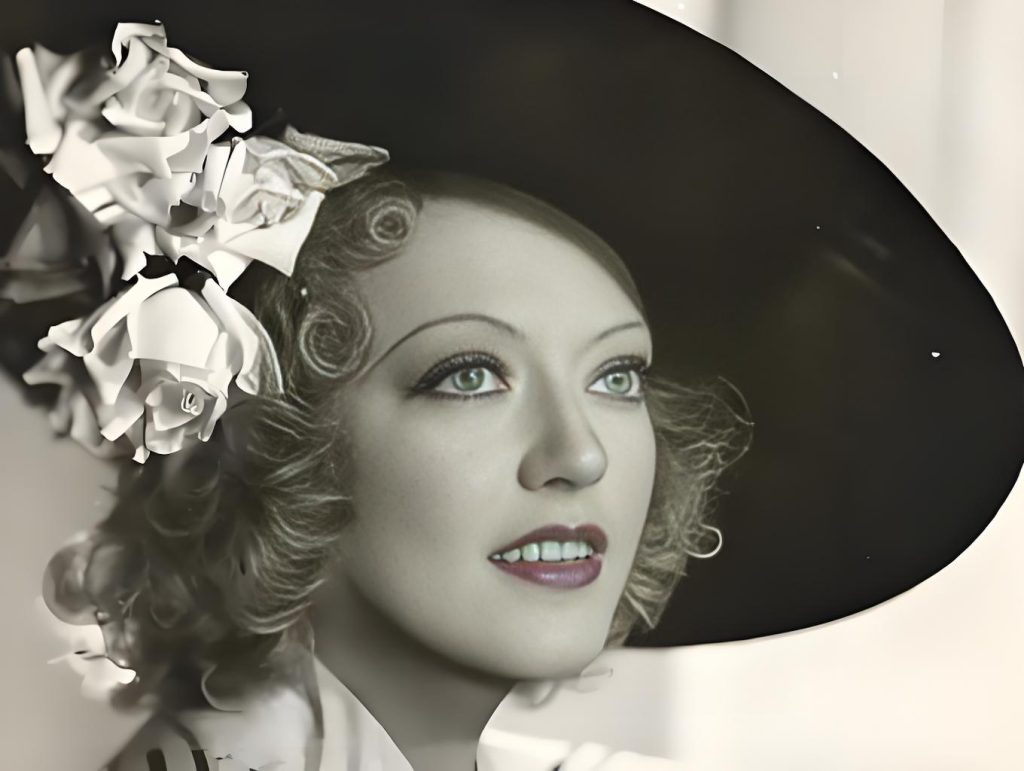
Hollywood stars visited too. Golden Age icons Bette Davis and Gloria Swanson stopped in while touring New England. Broadway legend Ethel Merman dropped in. Composer Cole Porter came.
Duncan Hines, famed food critic and cake-mix mogul, praised Ruth’s cooking—especially her “Indian pudding”—and became a regular.
Famous guests boosted the inn’s reputation. The inn’s reputation attracted more famous guests. An upward spiral.
Fifth: Publishing Recipes
Ruth’s professional training made her disciplined. She standardized every recipe, measuring ingredients precisely. This approach allowed her to compile consistent, repeatable formulas.
One year after opening, she began self-publishing cookbooks based on the inn’s menu. At first, she paid the costs herself. But as the inn’s fame grew, publishers took notice.
By 1937 (the fifth edition), a publisher handled production. By 1953, her cookbook had reached its 28th edition, featuring 888 recipes.
Giving away her recipes built goodwill and publicity. And it helped launch her most famous creation.
Sixth: The $1 Deal with Nestlé
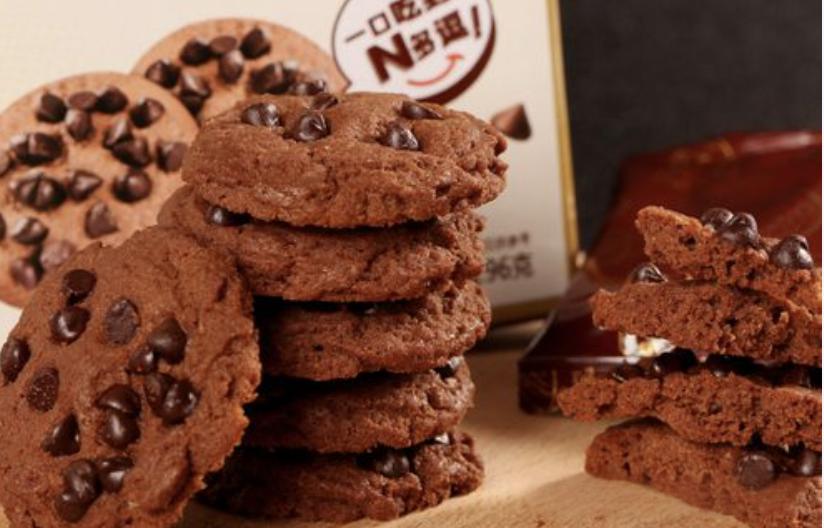
As Ruth’s cookbooks spread, one recipe in particular boosted sales of Nestlé’s semi-sweet chocolate: the chocolate chip cookie. Nestlé noticed.
The company offered Ruth a deal that seemed lopsided. For a symbolic $1, Nestlé could use the Toll House Inn name and print her cookie recipe on its chocolate packaging. In return, Ruth would serve as a consultant and receive a lifetime supply of Nestlé chocolate.
The partnership launched an empire. Nestlé’s vast national distribution turned the chocolate chip cookie into America’s most popular dessert.
The Legacy
Ruth Wakefield created many dishes: pecan rolls, Boston cream pie, Indian pudding. Chocolate Chip Cookies may not have been her personal favorite, but they became her most famous.
She didn’t invent shortcuts. She built her business with excellent products, constant marketing, and relentless improvement. No magic tricks. Just hard work, attention to detail, and doing right by customers.
Chocolate Chip Cookies started as a desperate gamble during the Great Depression. Today, billions are eaten every year. That’s the sweet taste of doing things right.
The Lesson
Ruth and her husband didn’t invent shortcuts. They built their business the hard way—excellent products, constant marketing, relentless improvement. No magic tricks. Just hard work, attention to detail, and doing right by customers.
Entrepreneurship isn’t about big talk. It’s about getting your hands dirty. Focusing on value. And maybe, creating something that outlasts you.
Like a cookie. Baked in 1938. Still eaten today. That’s staying power. That’s the sweet taste of doing things right.