





Surprising Sight of Polar Bears
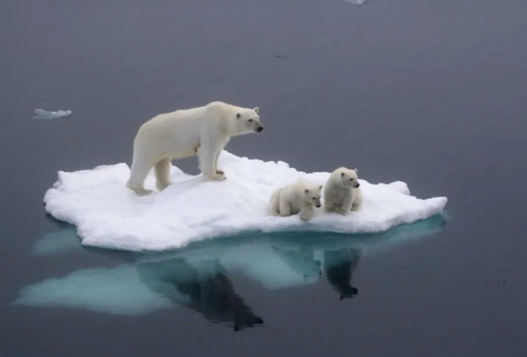
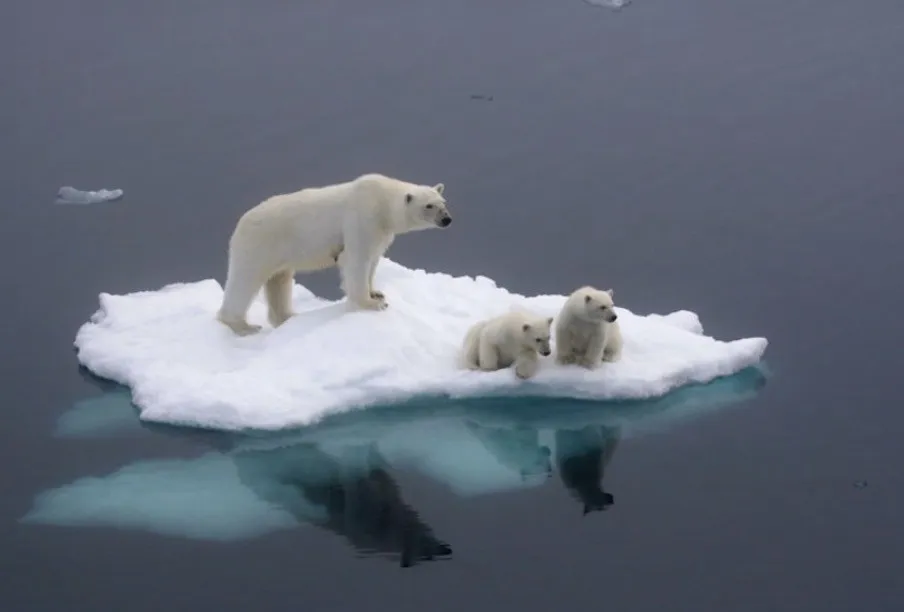
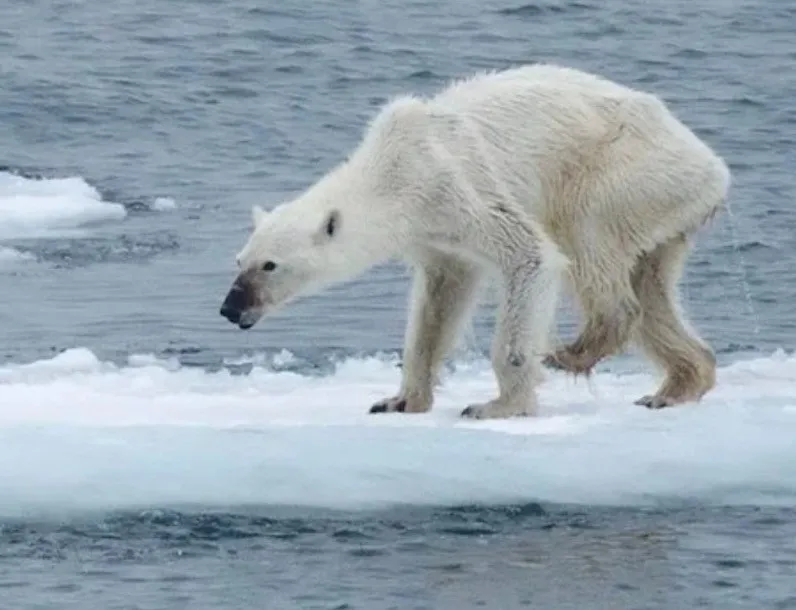
Many of us have seen these iconic images: a polar bear standing on a melting ice floe, looking out over the vast ocean with a forlorn expression.
Or a gaunt, starving polar bear on a shrinking ice patch, appearing skeletal and helpless.
For nearly two decades, these images have fueled a common narrative: global warming is driving polar bears toward extinction. 
Contradictory Findings from Norway
However, recent reports from Norwegian scientists suggest a different story.
In the Svalbard region, polar bears are not disappearing. In fact, populations are increasing, and many bears are visibly fatter than before.
This finding contradicts the widespread belief reinforced by organizations like the World Wide Fund for Nature (WWF) since 2005, which warned that climate change could wipe out polar bears within decades.
Why the Extinction Narrative Seemed Logical
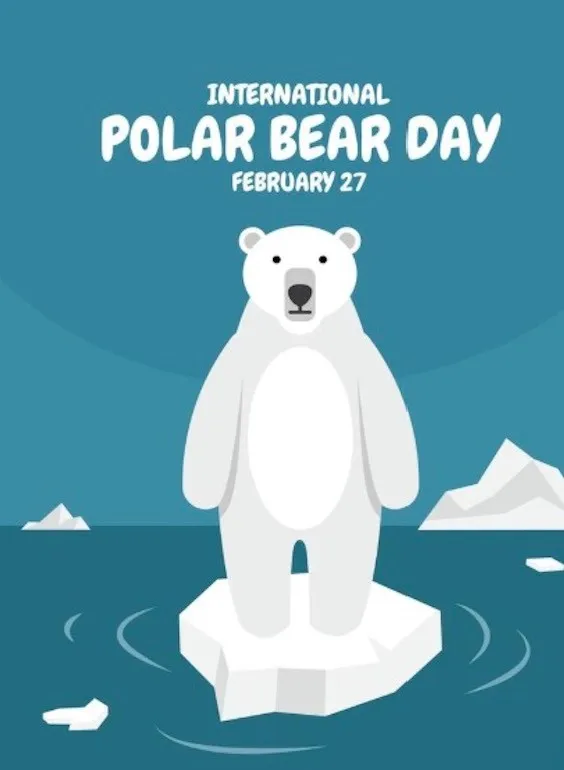
The logic behind the extinction narrative isn’t complicated. Polar bears primarily feed on ringed seals. To hunt seals, bears rely on large ice floes, locating seal breathing holes and ambushing them.
Global warming has reduced sea ice coverage in the Arctic Ocean, shrinking and fragmenting ice floes. This forces bears to fast longer or swim further distances, consuming more energy.
Some bears are driven to land to find alternative food, like bird eggs, berries, reindeer, or walrus carcasses. Yet these land-based sources cannot match the high-fat diet of seals.
Insufficient food impacts reproduction and cub survival. Many international studies predicted that polar bear populations could decline by two-thirds by mid-century.
Unexpected Adaptation in Svalbard
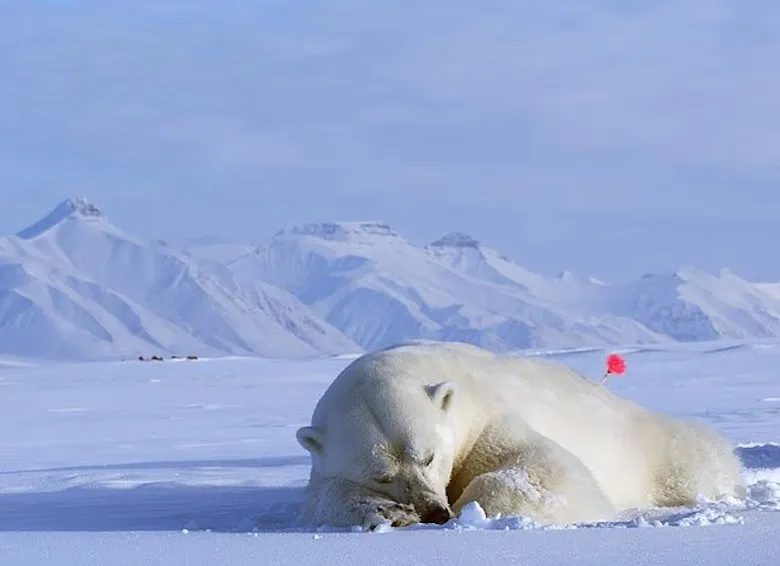
Norwegian scientists, however, found that Svalbard’s polar bears have not only survived but thrived.
Between 1995 and 2019, they measured the Body Condition Index (BCI) of 770 adult bears to estimate fat reserves. The BCI declined until 2000 but rose afterward—coinciding with rapid sea ice loss.
Svalbard’s sea ice has declined at twice the rate of other regions, yet its polar bears adapted early.
Shifting to Land Hunting
With less ice, ringed seals became harder to catch. Polar bears turned to large terrestrial animals like reindeer, walruses, and harbor seals.
Over time, they honed land-hunting skills, securing enough food to survive and even thrive.
Climate change also favored these terrestrial animals, boosting their populations. Reduced human overfishing further ensured a stable food supply.
Increased Efficiency at Sea
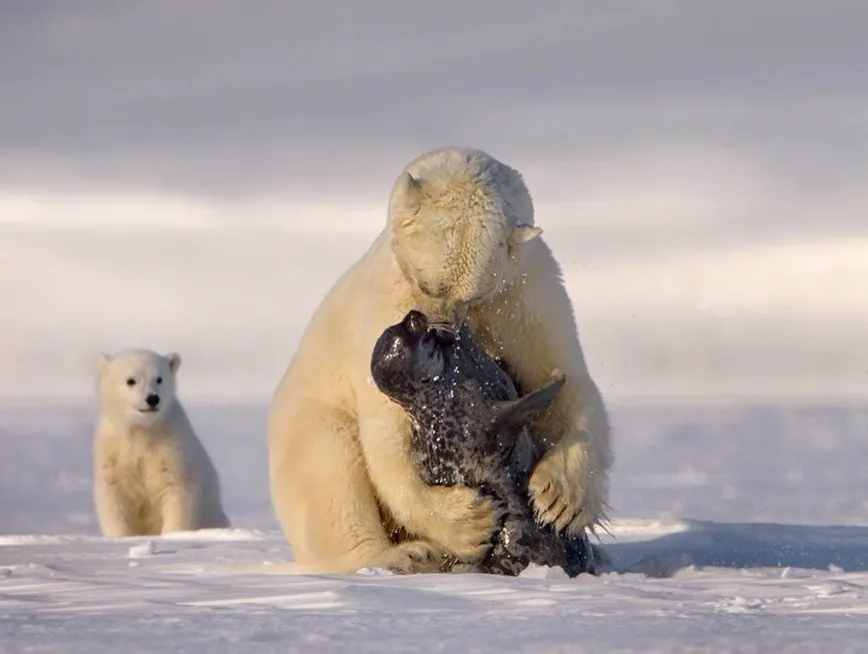
Interestingly, polar bears’ hunting efficiency at sea also improved. With less ice, ringed seals cluster on smaller ice patches, giving bears more opportunities to catch multiple prey at once.
As a result, Svalbard polar bears have ample food both on land and at sea, explaining why they appear healthier and heavier.
Regional Differences and Caution
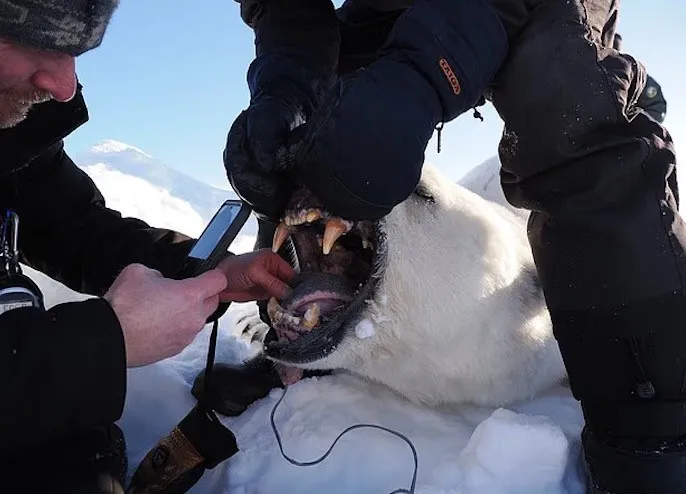
These observations are limited to Svalbard. Norwegian scientists caution that the region’s polar bear population is still below environmental carrying capacity, and land food competition is minimal.
Thus, climate change may still have negative effects in the future.
French environmental researchers expressed surprise at these findings, as they contrast sharply with other regions.
For example, a 2025 study by the United States Geological Survey found that polar bears in western Hudson Bay, Canada, declined by 50% due to reduced sea ice. Bears there struggle to obtain high-energy seal fat, and cub survival suffers.
Different Results Across Continents
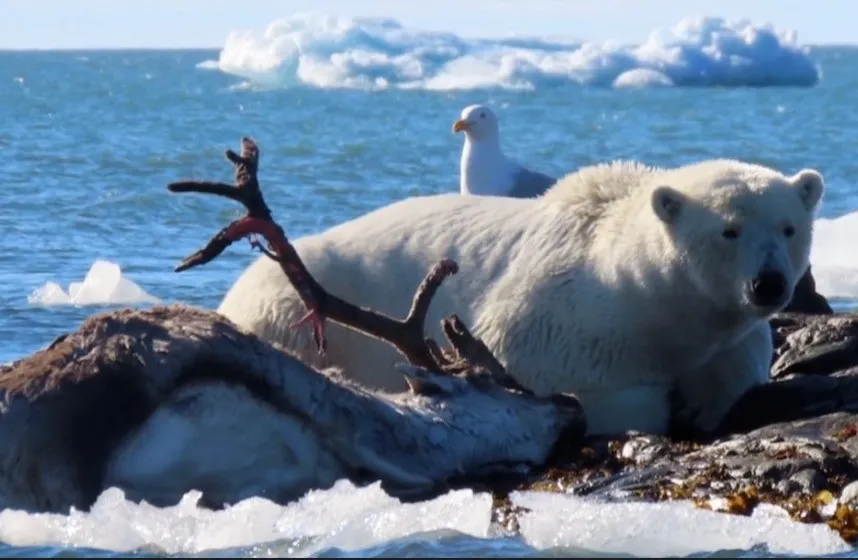
While Svalbard bears thrive on reindeer, North American bears struggle to get sufficient nutrition from land prey. Scientists now recognize the need for more comparative research.
Nevertheless, Svalbard’s success provides hope. These polar bears demonstrate a remarkable, though fortunate, adaptation to climate change—an unexpected survival story in a warming world.