





There’s a certain stereotype about European cooking—elaborate descriptions, long preparation lists, but when the plate arrives, it’s often… just fine. Fine, but forgettable. Then I traveled to Poland. And everything changed. Here was food that didn’t just feed you—it wrapped you in warmth, made you slow down, and reminded you that eating should feel like coming home. From steaming bowls of sour rye soup to platters of golden pierogi, Polish Food is honest, hearty, and surprisingly familiar to anyone who grew up with Eastern European or even Northern Chinese comfort cooking. Let’s take a bite into this underrated culinary treasure.
Sauerkraut: The Soul of Polish Cooking
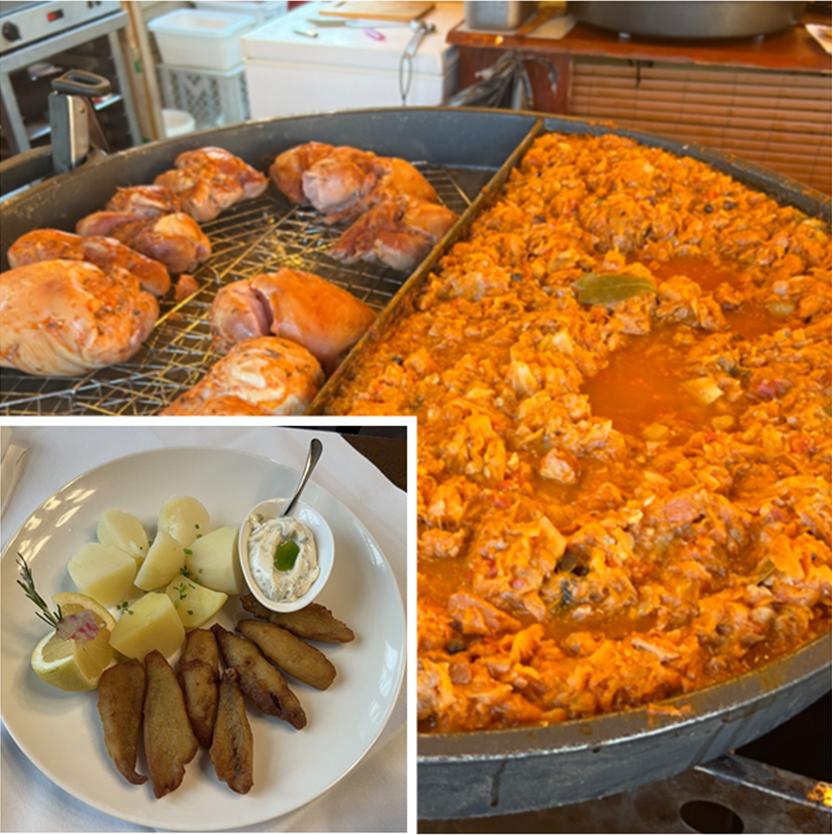
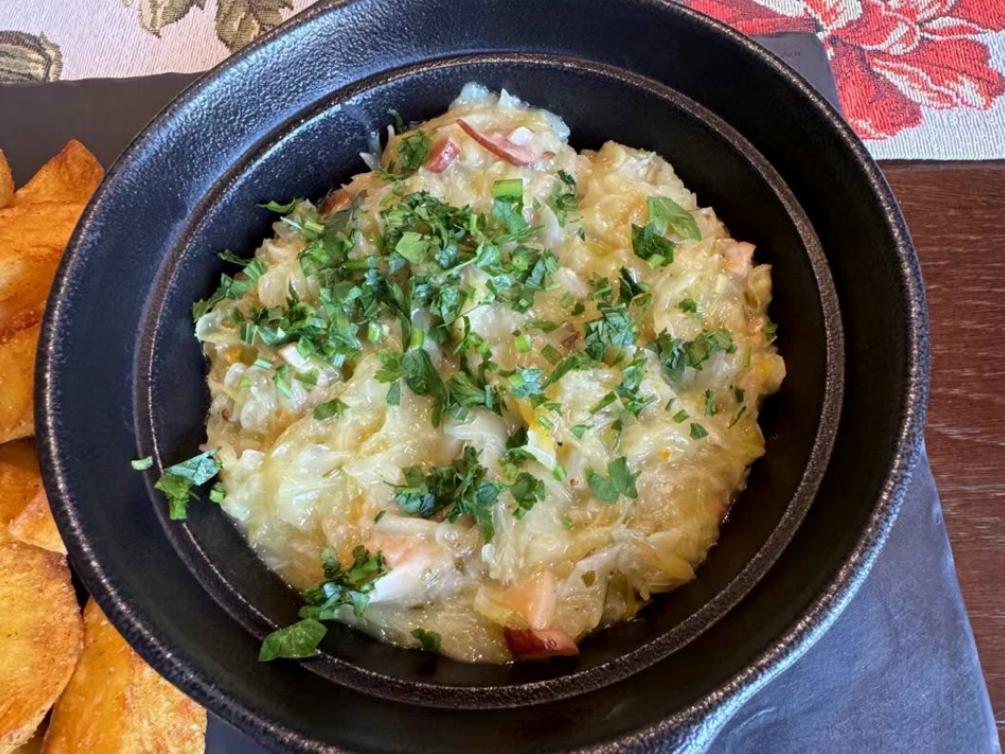
Walk into any Polish grocery store, and you’ll see it everywhere: finely shredded fermented cabbage, or sauerkraut. But unlike the German version, Polish sauerkraut often includes carrots and a distinctively tangy, deeply fermented flavor. They even bottle the juice—a tart, refreshing drink that cuts through summer heat like nothing else.
Sound familiar? It should. If you’ve tasted Northeast Chinese suan cai, you already understand the magic. Poles braise their sauerkraut with fatty pork until it’s tender, tangy, and utterly soul-warming. It’s not just a side dish—it’s an emotion. 
Pierogi: Poland’s Dumpling Obsession
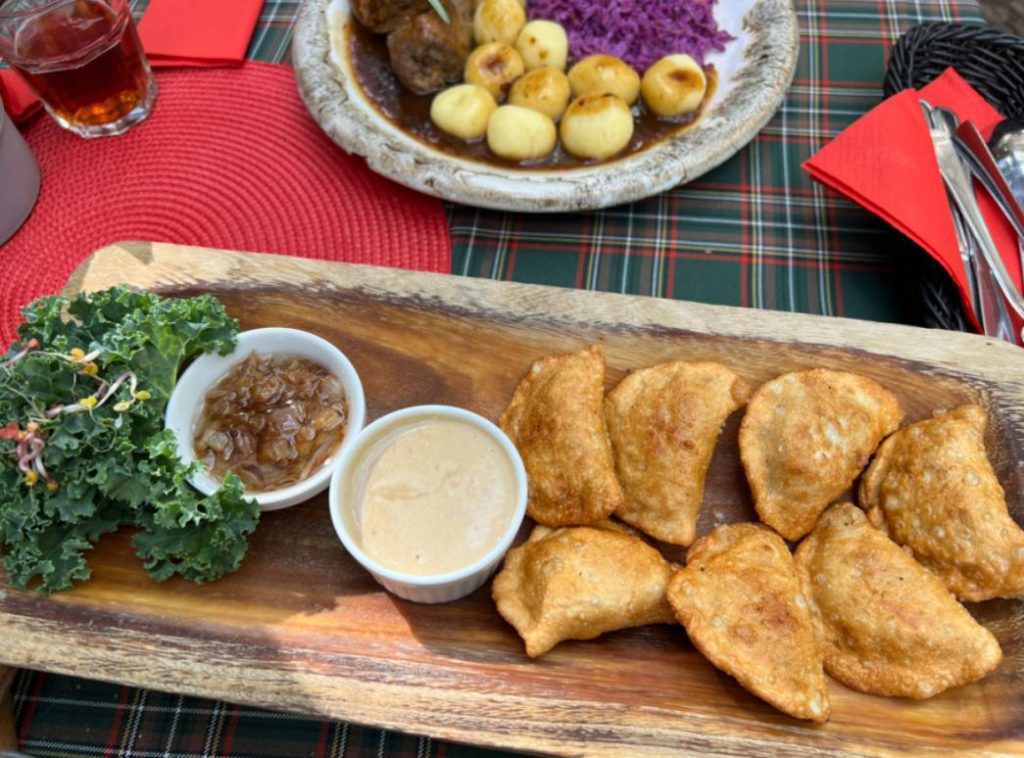
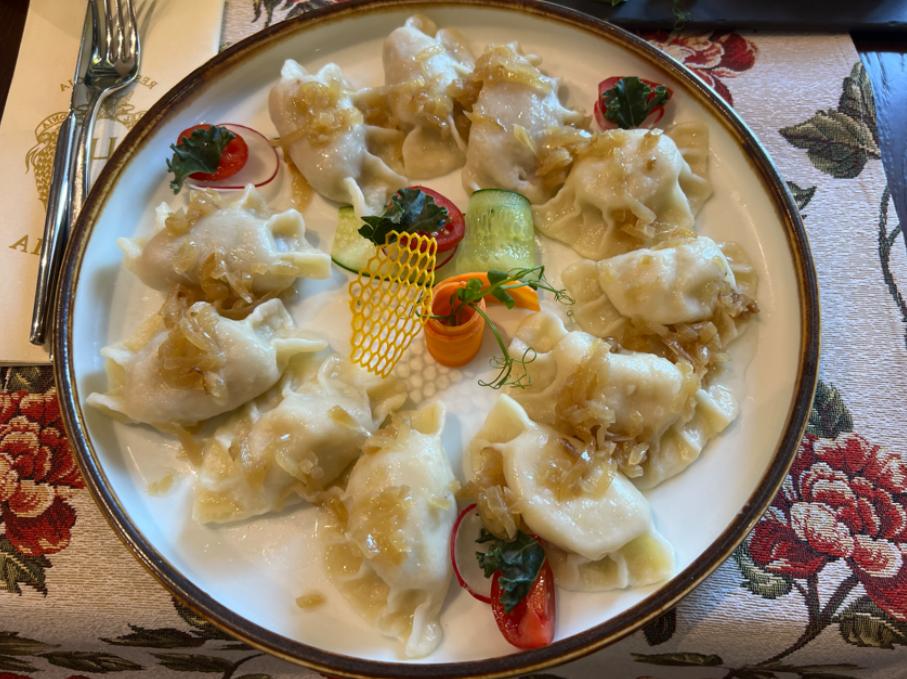
Yes, Poland has dumplings. And yes, they’re shaped like little crescents—slightly flatter than their Asian cousins, but equally satisfying.
What’s Inside? Anything.
This is where Polish Food gets truly playful. While Chinese dumpling fillings are carefully balanced (pork with cabbage, lamb with carrot), Polish pierogi embrace extremes. Potato filling? Pure potato, unapologetically. Mushroom? Just mushrooms. Meat? Only meat. Each flavor stands alone, proud and uncompromising. When served, they’re topped with crispy fried onions swimming in butter—a simple, perfect finish.
But pierogi also go sweet. Blueberry, strawberry, sweet cheese, even chocolate—boiled or baked, dusted with sugar and cream, they blur the line between dinner and dessert.
Dill: Poland’s Ubiquitous Green
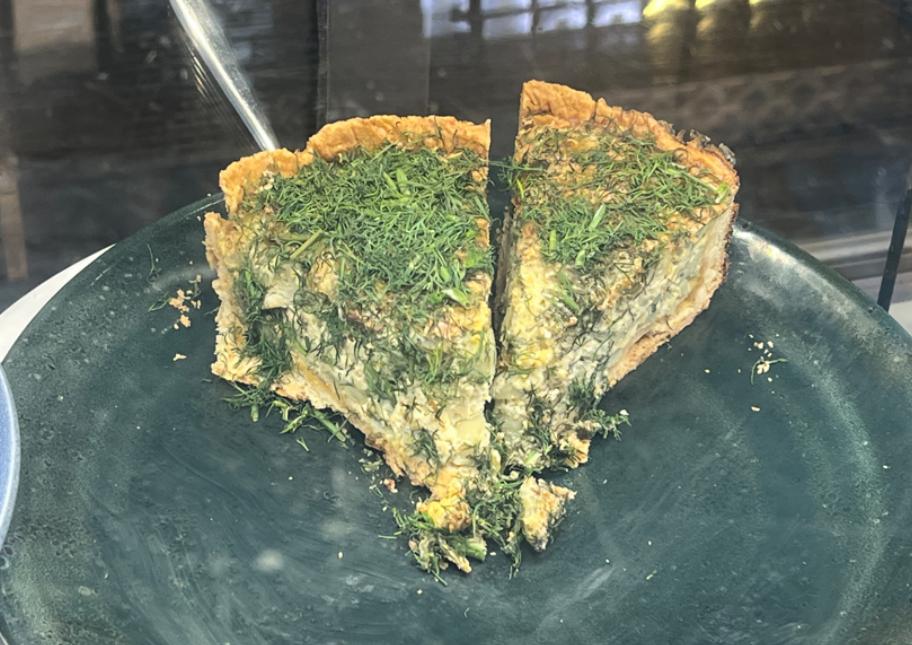
If Polish cuisine had a signature herb, it would be dill. It appears everywhere—floating in soups, tucked into fillings, sprinkled over potatoes, even decorating cakes. In a landscape of hearty beiges and browns, fresh dill provides a pop of green that feels like spring on a plate.
Poles add dill to chicken pies, scrambled eggs, creamy sauces, and sour cream. It brightens heavy dishes and pairs unexpectedly well with sweet things. Imagine a dill-infused custard tart—surprisingly, it works. It’s a reminder that cooking is about imagination, not rules.
Soup: A Meal in a Bowl
In Poland, soup isn’t a starter—it’s often the main event.
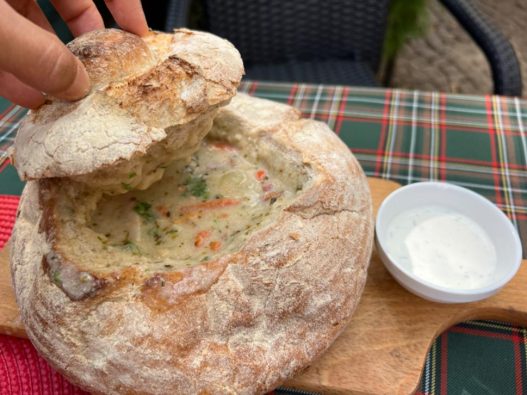
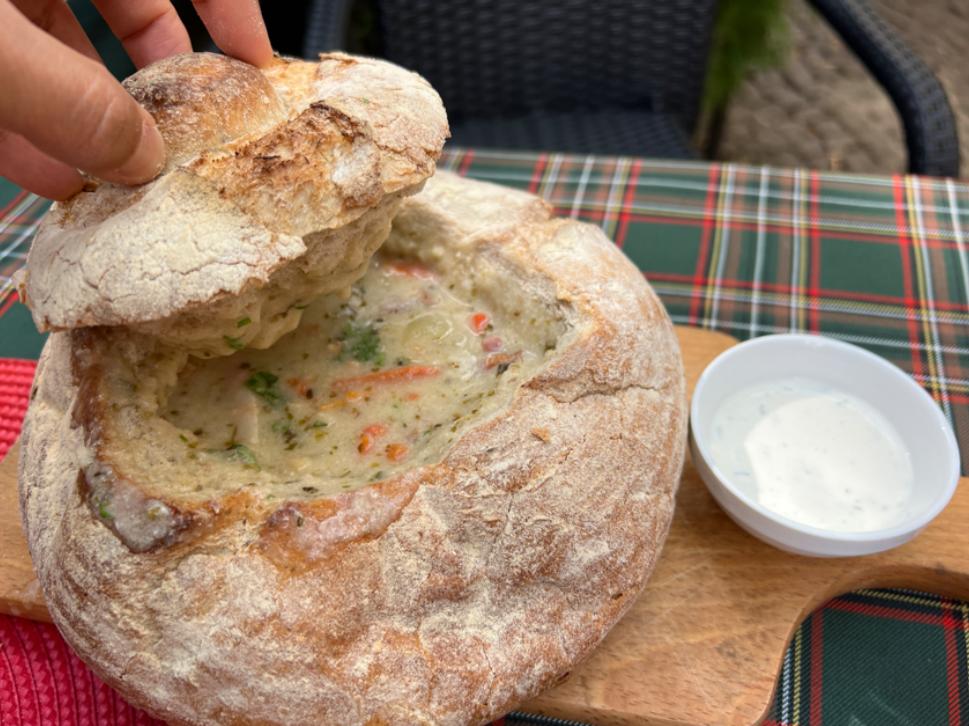
Zurek is the standout: a tangy, creamy soup made from fermented rye flour, served in a hollowed-out bread loaf with chunks of sausage and hard-boiled egg. It’s thick, hearty, and tastes like a warm hug.
Then there’s Barszcz—beetroot soup that can be served hot or cold. The cold version, mixed with kefir, is a shocking pink, refreshing summer staple. Flaki (tripe soup) is rich and savory. Rosół (chicken noodle soup) is the Polish penicillin. And Krupnik—barley soup with vegetables—is comfort in a bowl.
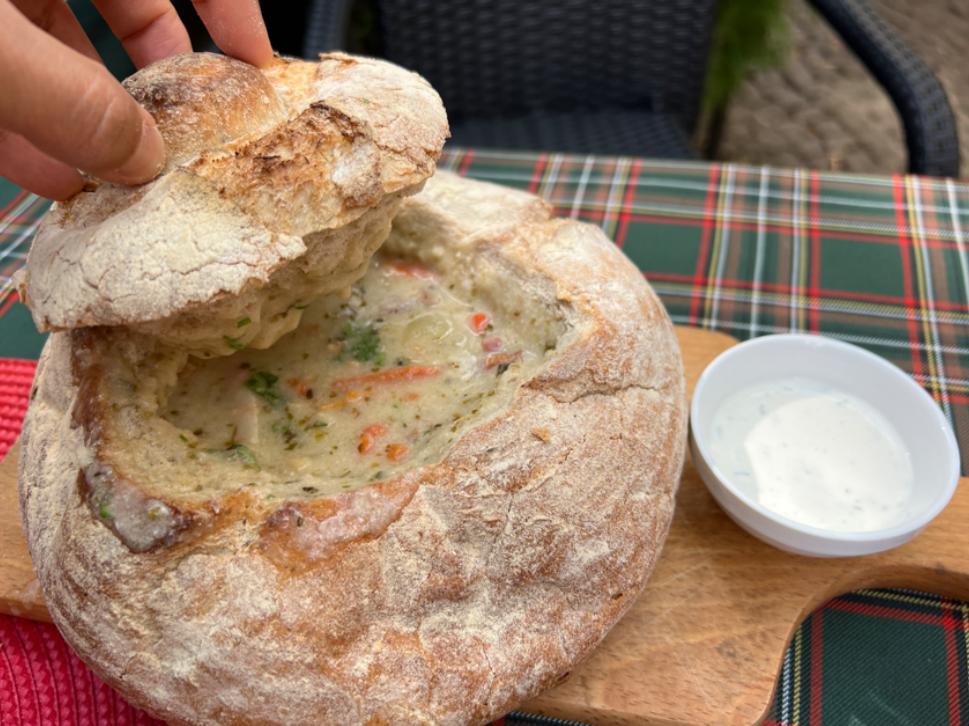
What surprised me most? Every soup is packed with solids. You think you’re ordering liquid; you get a meal. Meat, sausage, whole eggs, vegetables—your spoon will struggle to find the broth. In Poland, soup is just stew by another name.
Kaszanka & Other Offal Delights
In Kraków, I ordered something called “black pudding” (kaszanka). What arrived was essentially a buckwheat blood sausage—no casing, just savory, grainy richness, pan-fried with onions and sauerkraut. It tasted startlingly like Korean-style blood sausage (sundae), but with buckwheat instead of sticky rice. A delicious reminder that great ideas travel.
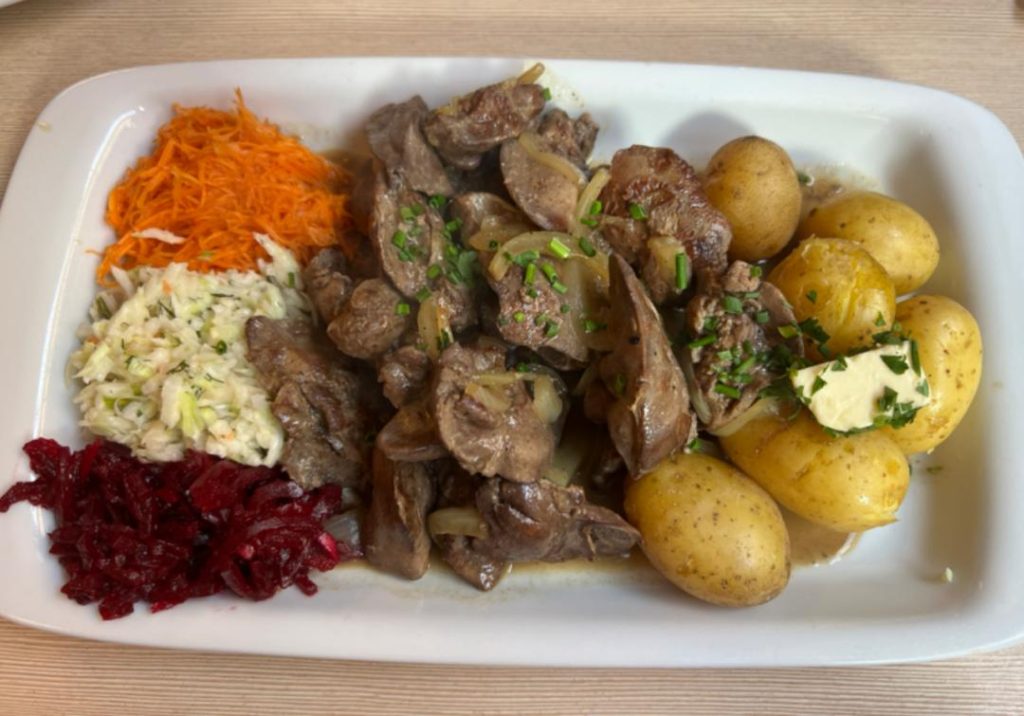
Chicken livers (wątróbka) were another revelation. Sautéed simply with onions until just tender, they arrived by the dozen—enough to feed a small army. Tender, rich, and unpretentious, they tasted like home cooking, no matter where home was.
The Flavors That Stay With You
What makes Polish Food special isn’t complexity—it’s sincerity. These are dishes born from long winters, fertile fields, and a deep appreciation for what the land provides. Fermented cabbage stretches through cold months. Dill brightens heavy meals. Dumplings celebrate simplicity. Soup warms the soul.
For anyone who grew up with hearty, rustic cooking—whether in Eastern Europe, Northeast China, or anywhere comfort food reigns—Poland’s table feels familiar. It’s food that doesn’t try to impress; it just wants to make you feel full, warm, and content.
So next time you crave something real, look for Polish Food. It might not be fancy, but it will feed you—body and soul. Smacznego! (Enjoy your meal!)