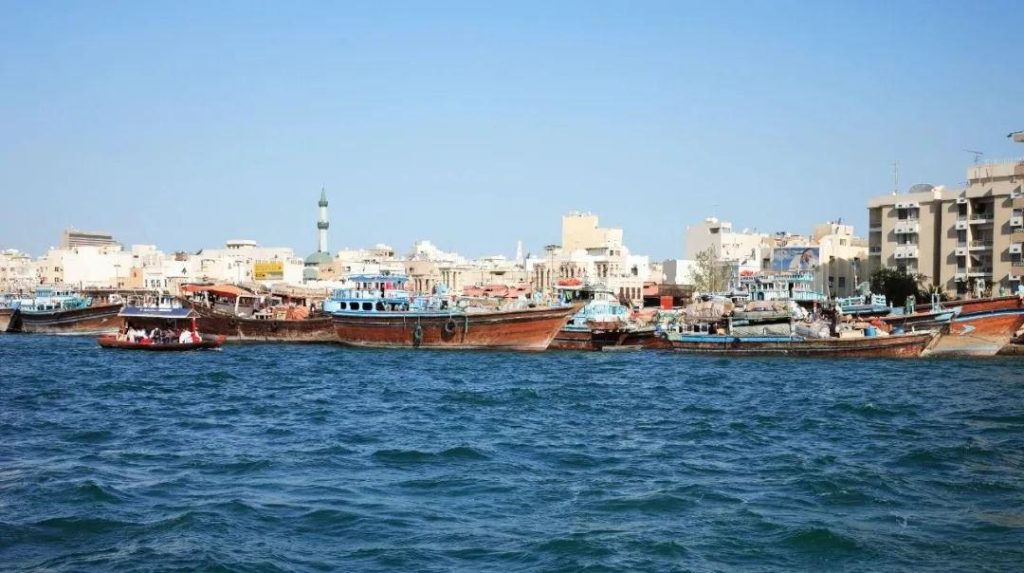






Dubai. The word alone conjures images of staggering opulence: the 828-meter Burj Khalifa piercing the clouds, palm-shaped islands visible from space, luxury cars lining every boulevard, and gold souks that dazzle the senses. In this glittering metropolis of excess, one might assume the local cuisine matches the extravagance—perhaps gold-leaf-dusted wagyu or caviar-topped everything.
The reality? It’s far more humble, far more fascinating, and tragically overlooked.
Welcome to the world of Emirati Food—a 5,000-year-old culinary tradition shaped not by oil wealth, but by the harsh realities of desert survival, the bounty of the sea, and the fragrant whispers of ancient trade routes. It’s a cuisine hiding in plain sight, waiting to be discovered by anyone willing to look beyond the skyscrapers. 
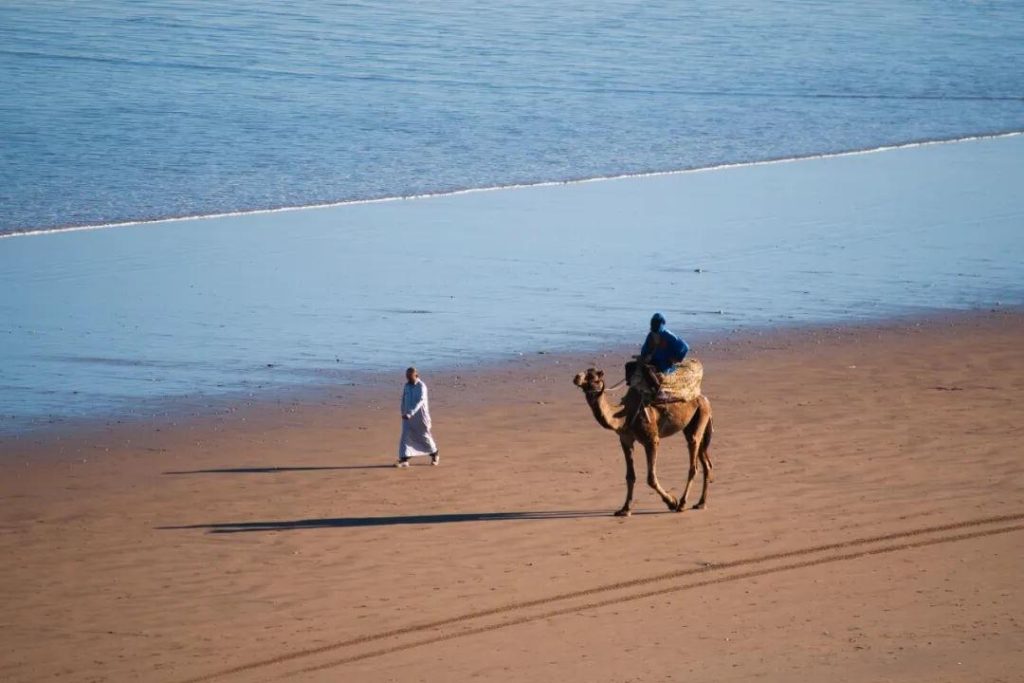
The Bedouin Roots of Emirati Cuisine
To understand Emirati Food, you must first understand its creators: the Bedouin. These semi-nomadic people inhabited the harsh Arabian desert for millennia, facing a daily struggle for survival. Their environment offered two extremes—the arid desert and the Arabian Gulf—and their diet reflected this duality.
The Desert Bounty
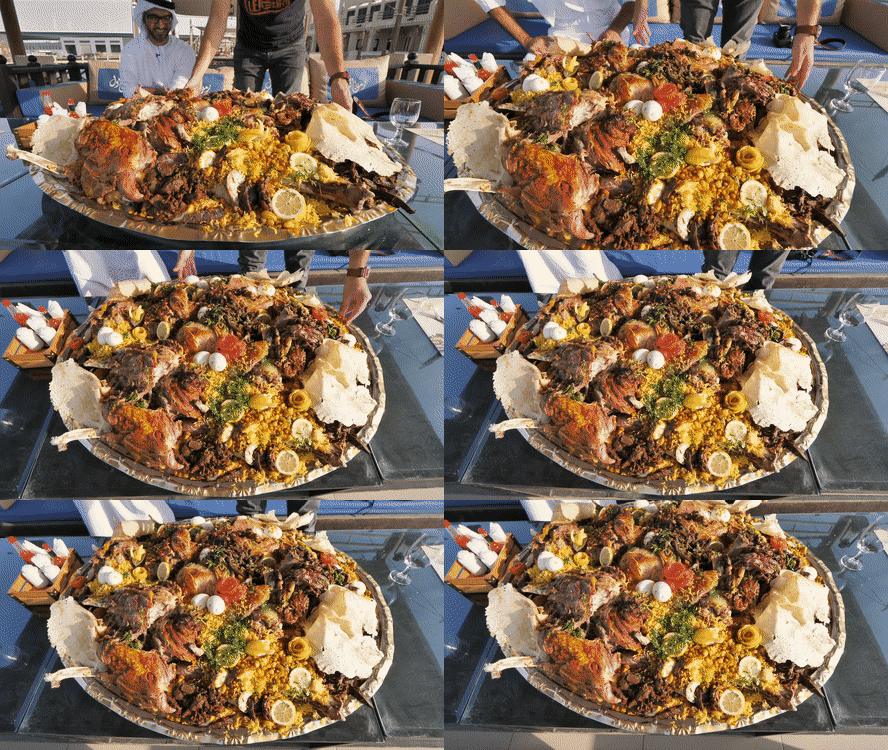
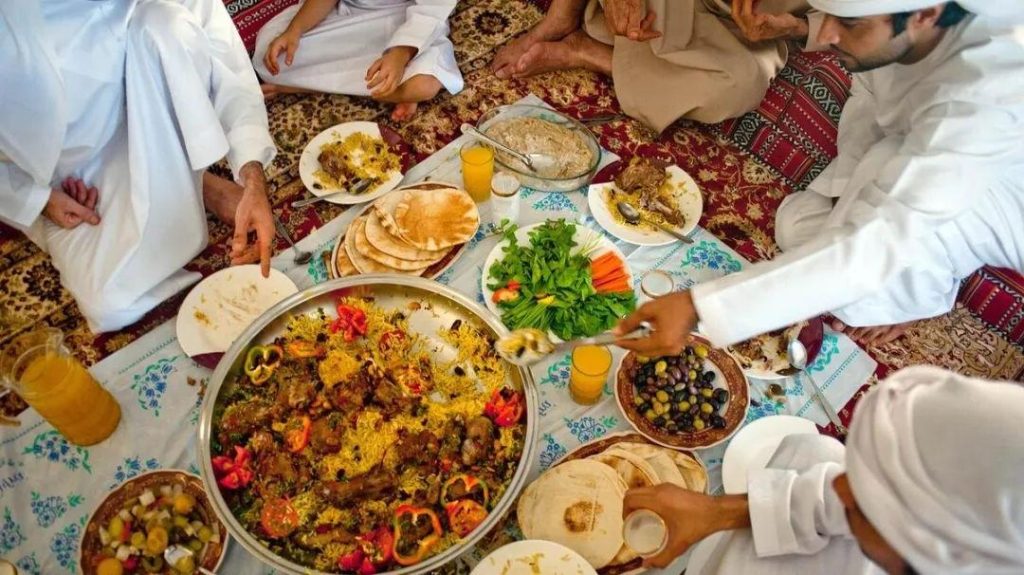
The desert provided camels, goats, dates, wheat, and the occasional hunted bird like the Houbara bustard. Every part of the camel was utilized. Even today, whole roasted camel—marinated overnight in spices, slathered in ghee, stuffed with fragrant rice—remains the ultimate celebratory dish in Emirati Food culture. The meat emerges impossibly tender, dripping with fat that soaks into the rice below, traditionally eaten by hand in a communal feast.
The Sea’s Generosity
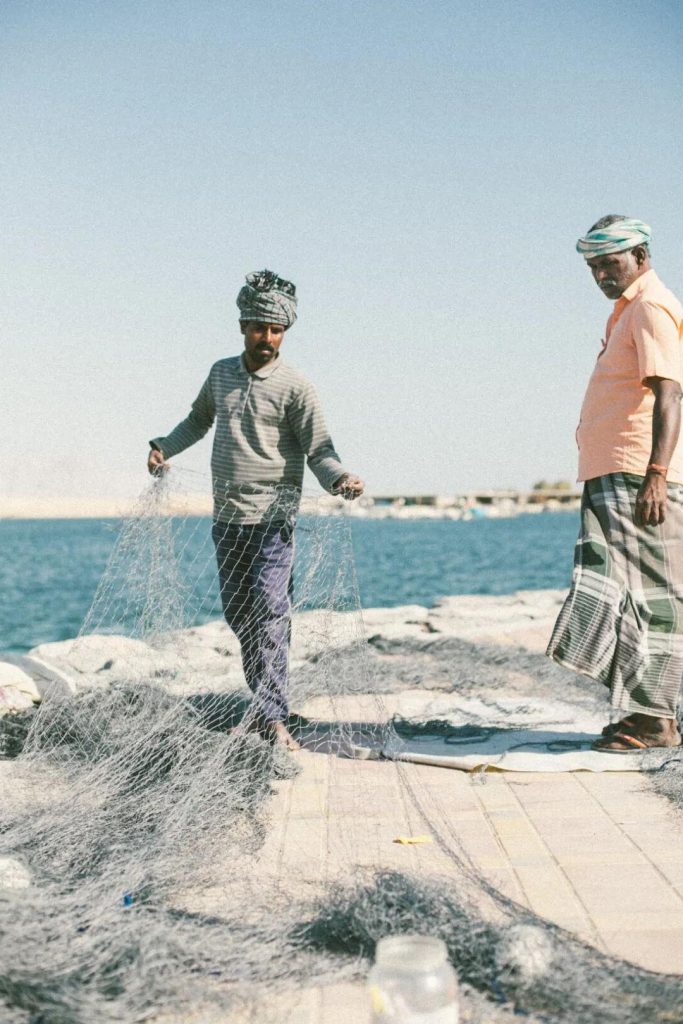
The Arabian Gulf supplied a different kind of abundance. Red snapper, groupers, croakers, and even small sharks were caught and grilled over open fires. This seafood tradition continues today, with dishes like grilled parrotfish and spiced shark appearing on local tables.
But with such limited ingredients, how did Bedouin cooks create memorable meals? The answer lies in an unexpected ally: trade.
The Spice Revolution
For centuries, the land now called the UAE was a crossroads for global trade. Merchants from India, Persia, Zanzibar, and Mesopotamia converged on its ports, bringing with them the treasures of the Orient. Around 1700 CE, spices like saffron, cumin, cardamom, and nutmeg began flowing into the region. The effect on Emirati Food was transformative.
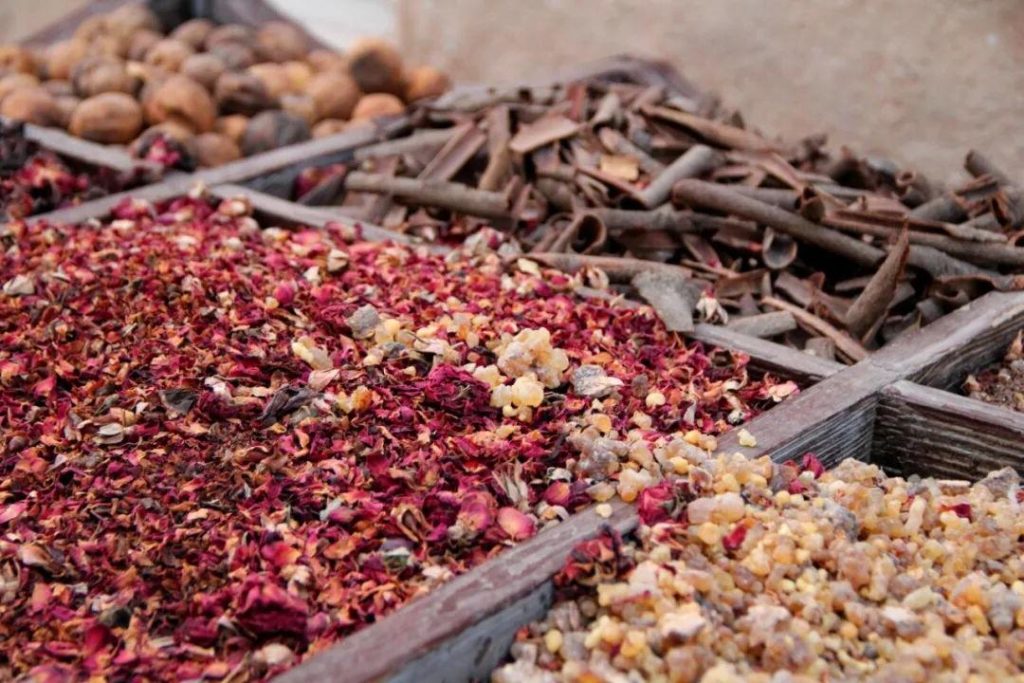
Suddenly, simple dishes could be elevated. Cardamom found its way into coffee. Saffron perfumed rice. Cumin and coriander rubbed into meats before roasting. Spices became the signature of Emirati cooking—a way to transform the mundane into the magnificent.
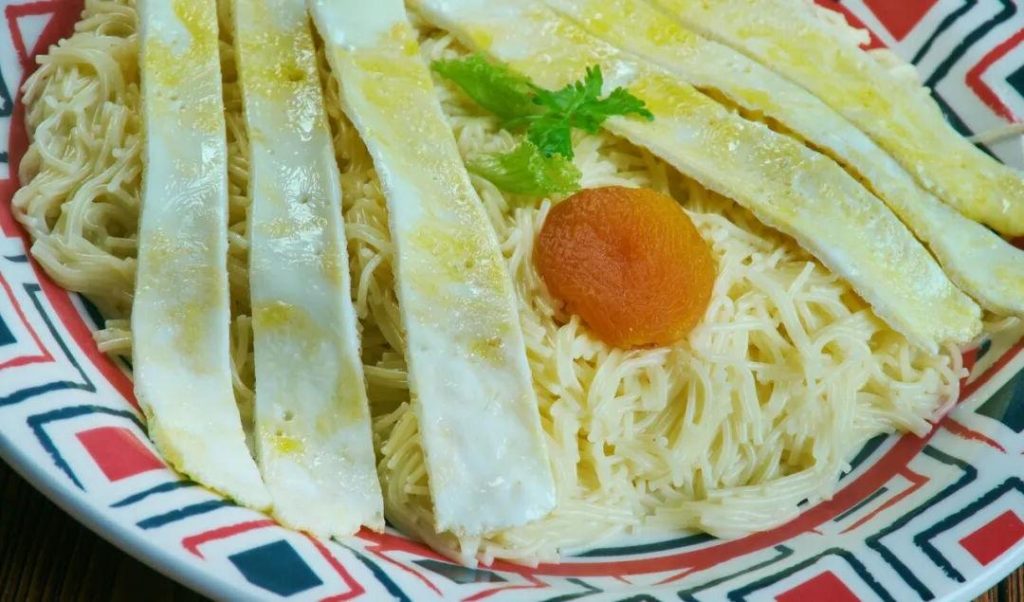
Even breakfast reflects this love affair with spices. Baleelat, a traditional morning dish of vermicelli noodles and egg omelet, is perfumed with cinnamon, saffron, cardamom, and sometimes rose water or orange blossom water. It’s a fragrant, warming start to the day—a far cry from the bland cereal most of us know.
The Indian Influence: A Culinary Convergence
Here’s where Emirati Food reveals its most unexpected layer: it tastes distinctly, unmistakably Indian-influenced.
Open any list of “must-try Emirati dishes,” and you’ll spot the connection immediately. Machboos uses basmati rice. Meat Biryani shares its name and concept with its Indian counterpart. Salona is essentially a spiced stew that could pass for Indian curry.
This isn’t coincidence. It’s history.
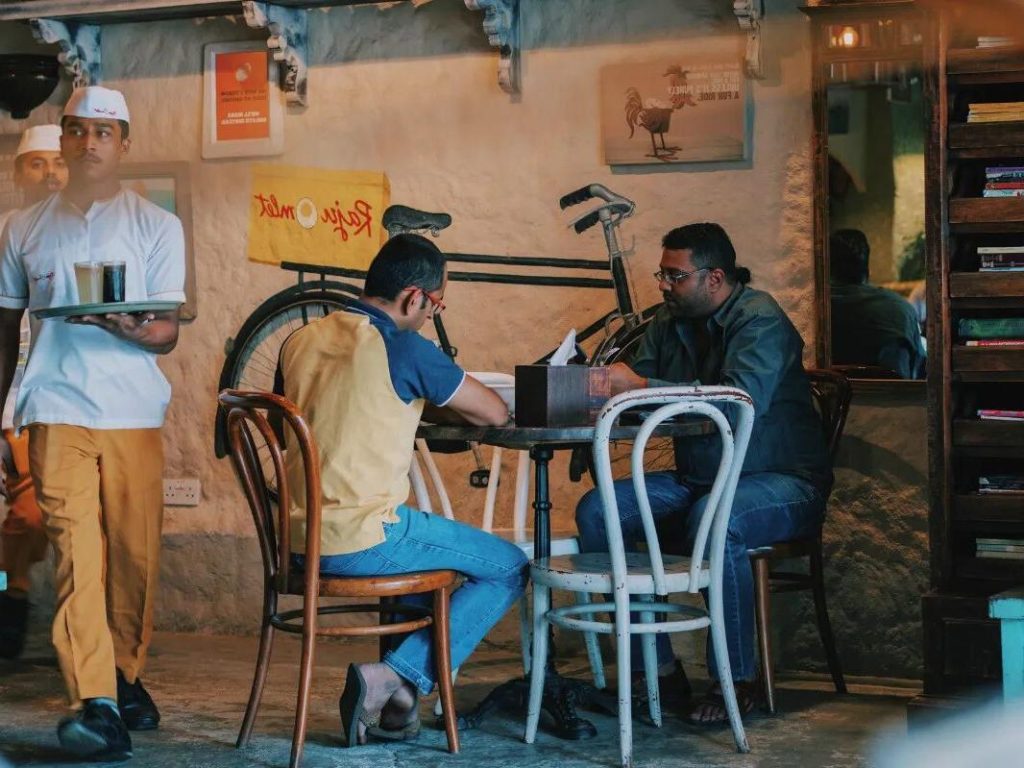
Geographically, the UAE and India share similar latitudes and climates. Both cultures turned to spices and slow cooking to preserve food in the heat. Historically, from the 19th century onward, the British administered parts of this region through British India, creating administrative and cultural ties. Indian traders brought their spices—and their culinary techniques—to Arabian shores.
When oil was discovered in the 20th century, waves of Indian workers arrived seeking opportunity. Today, Indians make up nearly 28% of Dubai’s population—outnumbering locals. Their food became woven into the fabric of Emirati daily life.
One young Emirati, Tariq Al Kazim, admits he’s kept his Indian chef for over a decade. Another student, Asma Al Bahri, says simply: “We’ve grown up with Indian food. It’s part of our culture now.”
So yes, Emirati Food carries a distinct South Asian accent. And that’s part of what makes it so fascinating.
The Modern Challenge: A Cuisine in Danger
Despite its rich heritage, Emirati Food faces an identity crisis.
In 1993, when German chef Uwe Micheel first arrived in Dubai, tourists asked him where to find local food. He directed them to an Iranian restaurant. He genuinely didn’t know what Emirati food was.
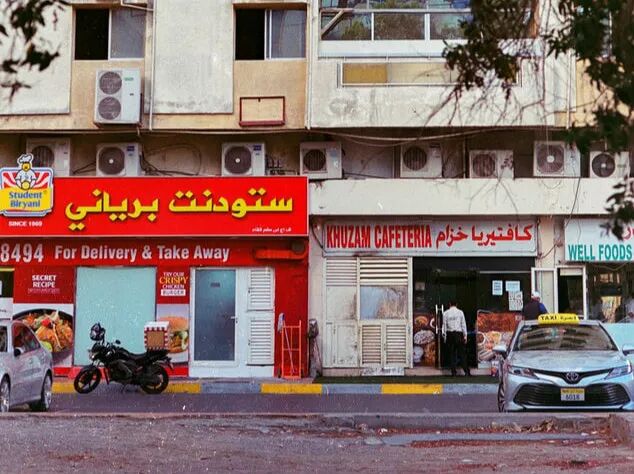
Decades later, the situation hasn’t dramatically improved. Dubai boasts 7,000-8,000 restaurants representing every global cuisine imaginable. Emirati restaurants? Still remarkably rare.
For expats—who comprise 85% of Dubai’s population—the appeal of their own home cuisines often overshadows interest in local food. For wealthy Emiratis, becoming a chef holds little allure when easier paths to prosperity exist. And traditional Emirati Food is labor-intensive. Harees, a simple dish of wheat and meat, requires 3-4 hours of slow cooking until the grains dissolve into a porridge-like consistency. Complex spice blends demand expertise passed down through generations. Communal dining from a single large platter doesn’t translate easily to commercial restaurant settings.
The result? Traditional Emirati Food increasingly belongs to special occasions—Ramadan feasts, weddings, family gatherings—rather than everyday meals.
Emirati Food Today: What You’ll Actually Eat
Despite these challenges, Emirati Food survives and adapts. Today’s versions simplify while retaining essential character:
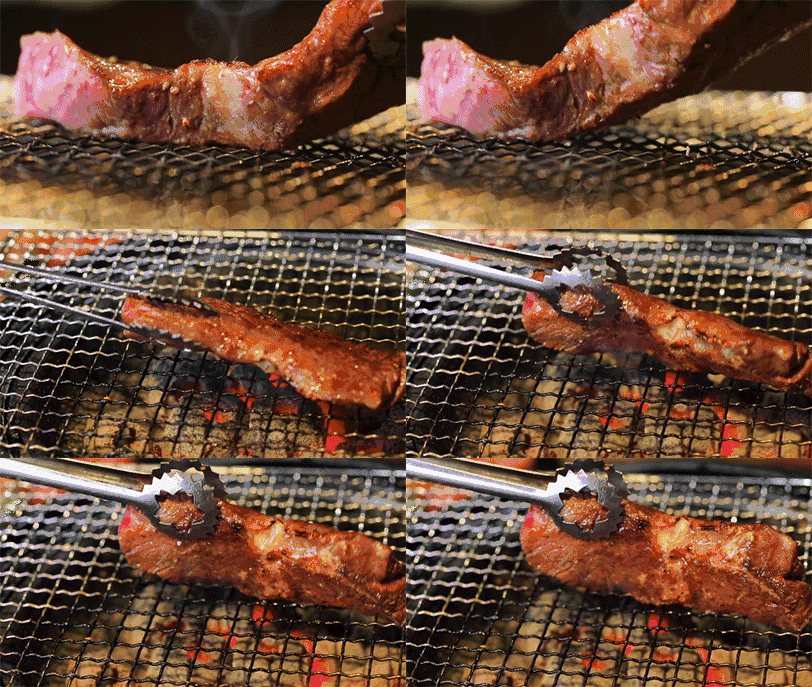
- Grilled (Mashwi): Fish or meat marinated in spices, then charred over fire
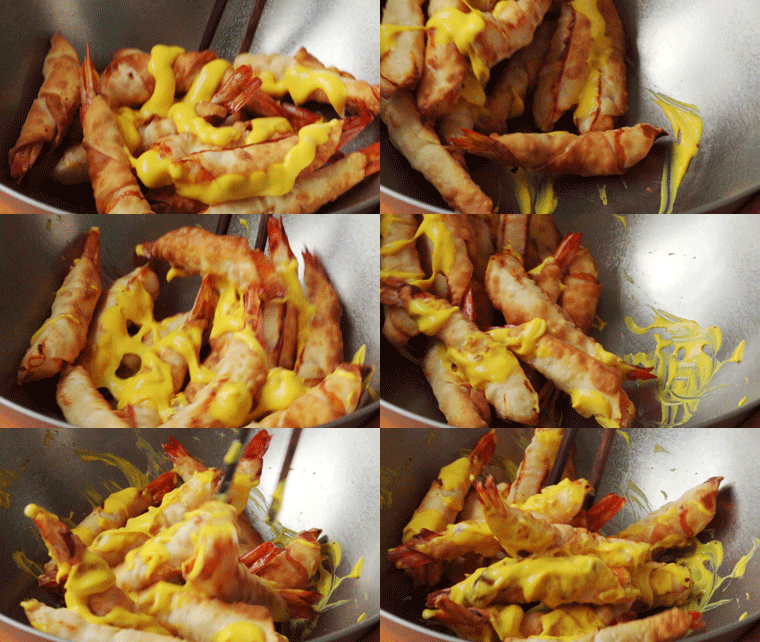
- Fried (Maqli): Crispy preparations of seafood or meat
- Curry Stew (Salona): Spiced, slow-cooked stews served with bread or rice
- Rice Dishes (Machboos/Biryani): Fragrant rice layered with spiced meat
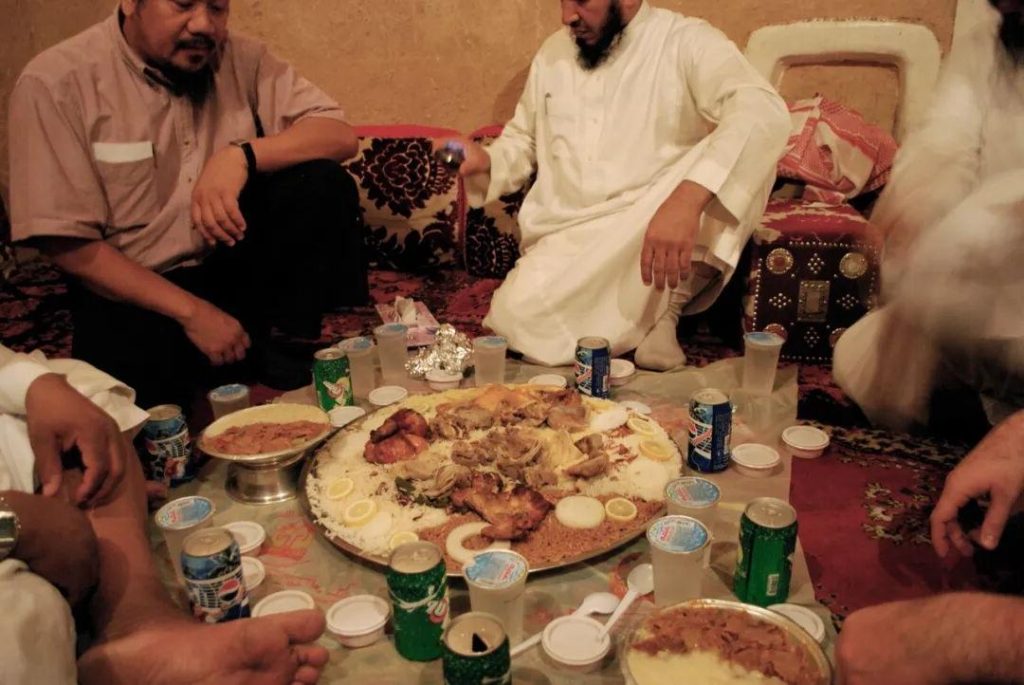
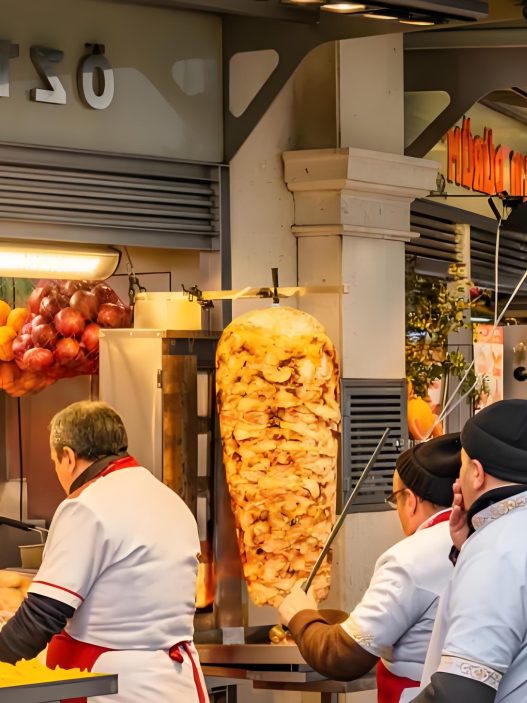
Shawarma reigns as the undisputed national street food. Marinated chicken or lamb slices roast on vertical spits, are shaved into warm Arabic bread, and are tucked with garlic sauce, pickles, and fries. Simple, satisfying, ubiquitous.
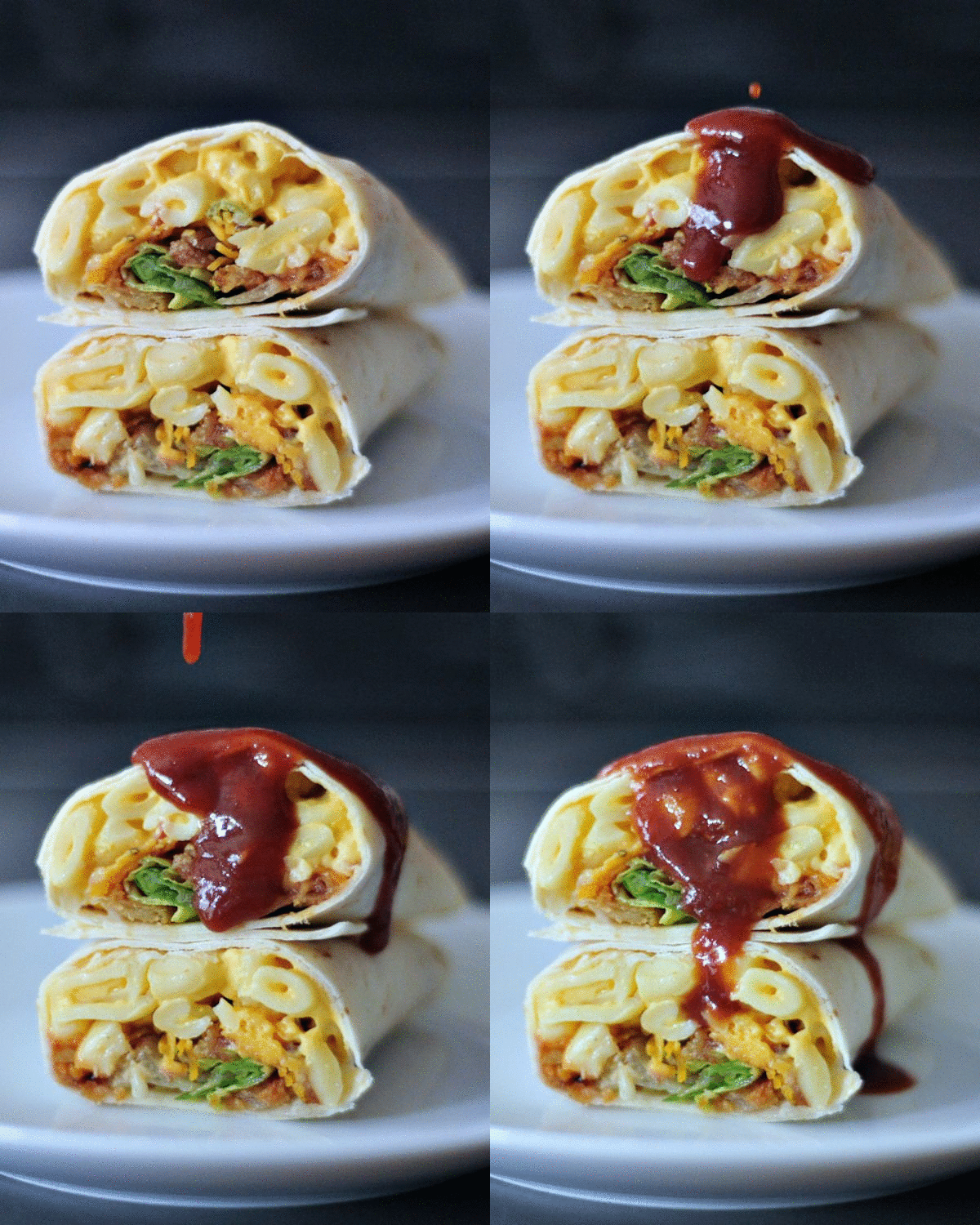
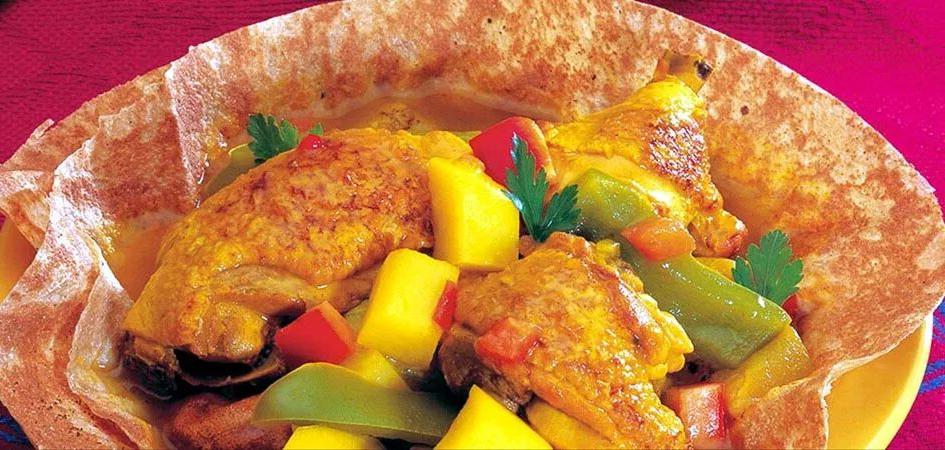
Thareed offers comfort in a bowl—a spiced stew of meat and vegetables (potatoes, tomatoes, squash) slow-cooked until rich, then served over thin Emirati bread called rigag that soaks up every drop.
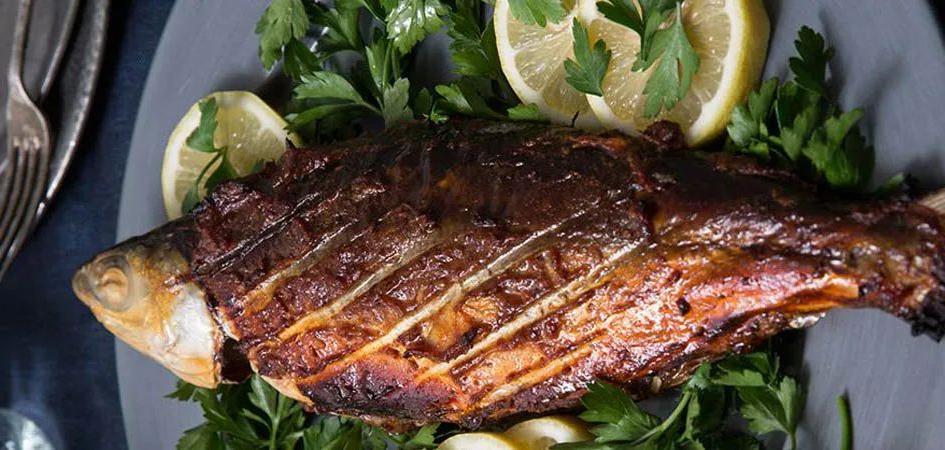
Fish dishes showcase the Gulf’s bounty. Samak Mashwi features fish scored, rubbed with traditional date paste, and grilled at an angle over open flame until the skin crisps and the flesh stays impossibly moist.
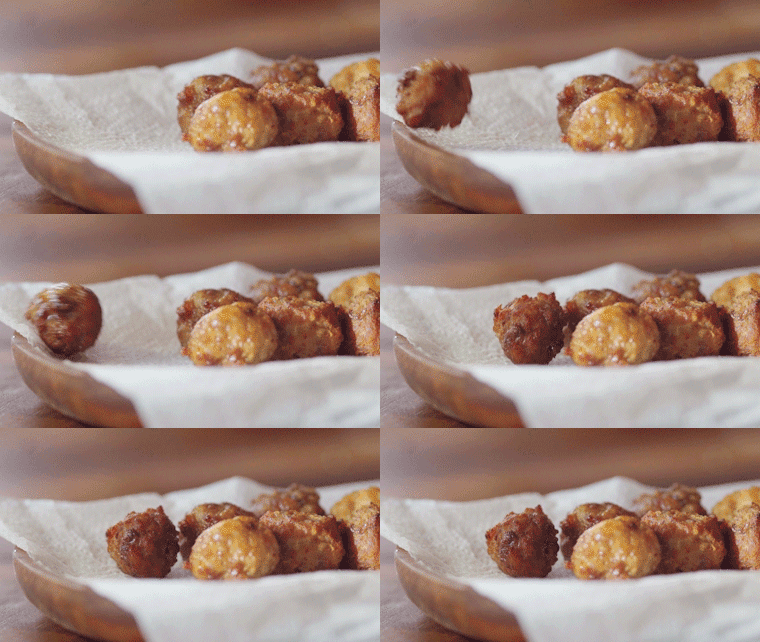
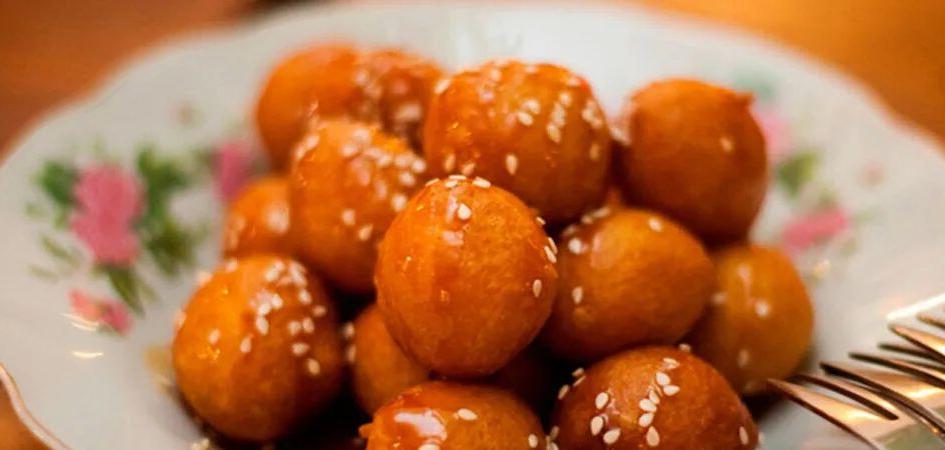
For dessert, Luqaimat delivers pure joy: deep-fried dumplings drenched in date syrup, crispy outside, sponge-soft within. The syrup, simmered for hours, captures the essence of the region’s most precious fruit.
The Hidden Gem Worth Discovering
Emirati Food may lack the global fame of Lebanese meze or Persian kebabs. It may not glitter like the city that hosts it. But that’s precisely its charm.
This is a cuisine born of survival, enriched by trade, spiced by centuries of cultural exchange, and now struggling to find its place in a hyper-modern world. Every dish tells a story of Bedouin resilience, maritime adventure, and culinary cross-pollination.
Travelers who venture beyond Dubai’s gleaming malls and actually seek out Emirati Food discover something unexpected. They gain weight, the joke goes, because it’s so unexpectedly delicious. But more than that, they gain a window into a culture that existed long before the skyscrapers—and will exist long after the oil runs dry.
So next time you visit the UAE, skip the familiar sushi chain. Ignore the generic pizza place. Find an Emirati restaurant. Order the camel. Try the spiced fish. Dip your luqaimat in date syrup. And taste 5,000 years of history in a single bite.